Group: For Academics

A Conversation With Matthias Beekmann and Sander Bosch: Research Communities, Open Science And Assessment Reform In Aurora

Researchers and academics Matthias Beekmann and Sander Bosch reflected on the evolution of research collaboration, open science practices and research assessment within Aurora. Their exchange highlighted both the progress achieved and the structural challenges that still shape the academic landscape in Europe.

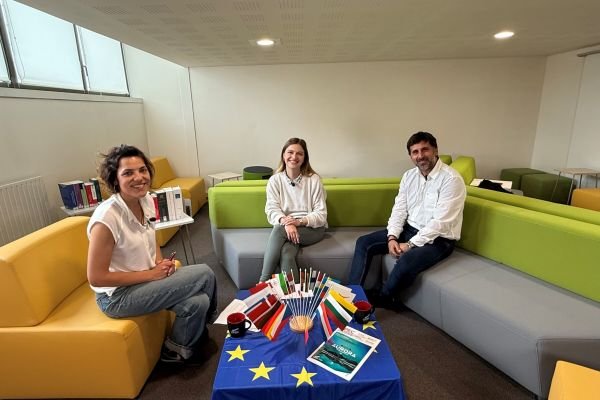
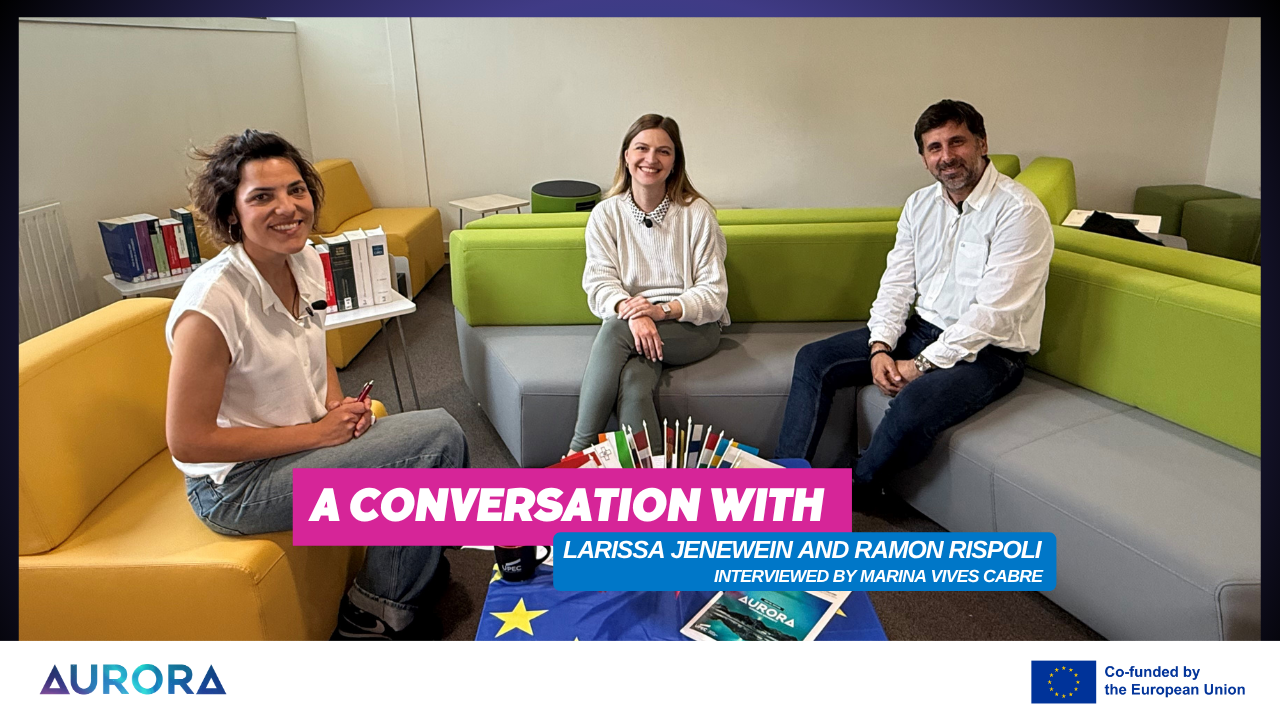
This conversation was led by Marie Jadrnickova, Aurora Research Officer at Palacký University Olomouc, combining learnings from the Horizon 2020 project – Aurora Research and Innovation for Societal Impact (Aurora R&I), and the European Universities Initiative – Aurora 2030. She speaks with Matthias Beekmann, President of the Aurora Research Council at Université Paris-Est Créteil (UPEC), and Sander Bosch, Open Science Coordinator at Vrije Universiteit Amsterdam.

Expanding The Scope And Culture Of Open Science

Over the past few years,  initiatives undertaken within both projects have connected grant offices, HR teams, technology transfer units and experts in open and citizen science across Aurora.

Marie: Aurora continues to build on its open science activities. Can you tell us what the starting point was and where we are now?

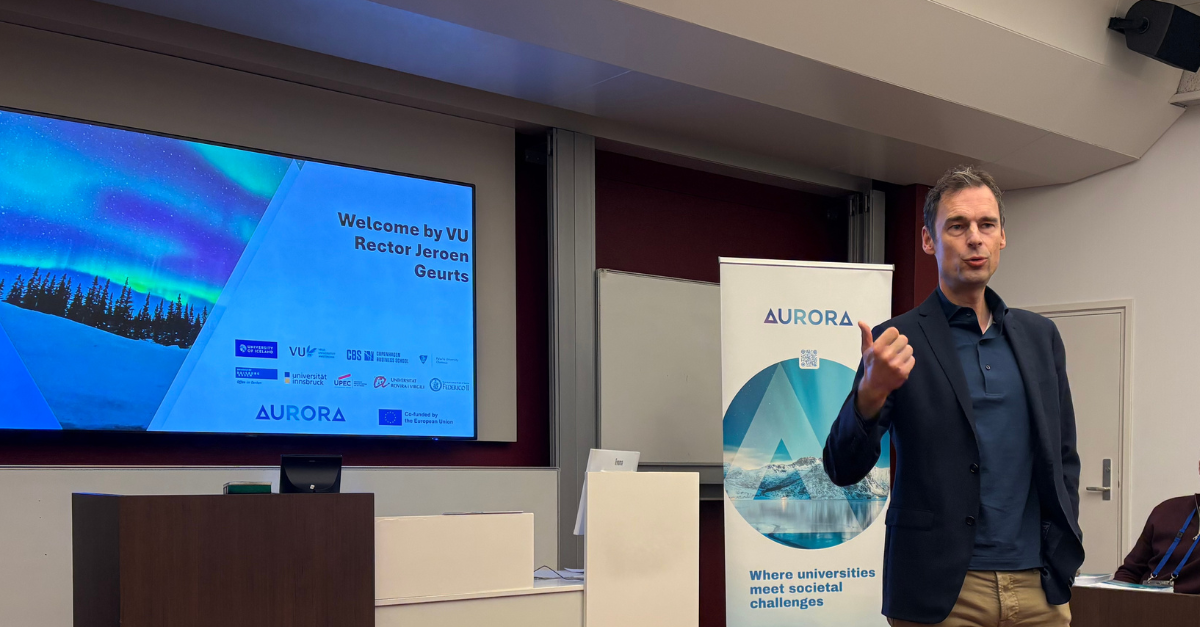
Sander: Open science is a very broad concept and has been broadened over the past ten years from a focus on open access to publications to also sharing data and software. We are broadening the horizon of why we do this, also toward society, and that is where the open science agenda fits well with Aurora.

Open science is a means to an end. We do not want transparency for transparency’s sake; we want it to connect better to society. Over the past few years, we have worked within Aurora to think about what needs to happen to make open science the norm and to connect it to society.

We identified several areas of action: infrastructure to make it possible for researchers, students and staff to work transparently; support and training to give them the skills they need; and community building, as there are many enthusiastic people across our universities who want to learn from each other. Recognition and rewards, as well as policy, are also crucial. We cannot expect anyone to change their ways without recognising and rewarding the effort this requires.

We have worked on a shared training platform, a monitor for assessment and the development of open science communities across Aurora universities.

Strengthening Research Collaboration Across the Alliance

Marie: Matthias, you are also creating a community. What kind of community are you trying to build?

Matthias: In the first years of Aurora, we made good progress in creating communities at the governance level, at the research and administrative level and among students. Our new aim is to create a community of academic researchers and teachers and to make researchers work together.

We launched a Call for Incentive Research Collaboration with the aim of making academics work together on small projects. We do not aim for finalised research but for small projects with new ideas that bring people together. We created the Aurora Research Council to evaluate these projects, with members from all nine universities.

A question was how Aurora researchers could find colleagues in other universities. This now works well thanks to open science tools and the mapping of scientific infrastructures from the previous Aurora R&I project. These first steps turned out to be extremely helpful.

Marie: You mentioned challenges related to mindset and institutional culture. Can you explain further?

Sander: To work more transparently, you need to rethink what academia is and how you do research. This requires a transformational change at almost all levels of the university. Students need new skills, teachers must adapt, researchers must think about sharing their results throughout the research process, and administrative staff need specific expertise to support open metadata, open data and open software. Leadership also needs to support this and create policies to embed it.

National context is crucial. If open science is not on the national agenda, it is difficult for single universities to change the system. This is a collective action problem: we need to move toward open science all or none. Within Aurora, we help each other by sharing what is already in place at different institutions.

Bridging Research, Teaching And New Approaches To Assessment

Marie: Limited funding often reinforces the separation between research and education. How difficult is it to connect educators and scientists, and how is Aurora addressing this?

Matthias: Research and teaching need to go together. This is one of the foundations of the university because both can give positive impulses to each other. In Aurora, we have six thematic hubs meant to bring research and teaching together: Sustainability and Climate Change, Digital Society and Global Citizenship, Health and Well‑being, Culture: Identities and Diversities, Social Entrepreneurship and Innovation, and Peace Education.

These thematic choices reflect Aurora’s values and focus on societal problems. We ask project leaders how they can integrate into these hubs, what they can bring and how their research can fertilise the hubs. In the future, we want to integrate a teaching component directly into the research call so that projects deal with both at the same time.

Marie: How connected are the agendas of open science and open educational resources?

Sander: Not enough. The principles underlying open science relate well to Aurora’s values of science as a collective benefit and science for equity, diversity and inclusion. But research and education are often governed in silos, even though most teachers are also researchers and most researchers also teach. Adding an educational component to the research call is a good way to connect them.

Marie: Aurora is also paying attention to the reform on research assessment known as CoARA. How is it related to open science?

Sander: There is general discontent with the way we assess research. People are often promoted based on research outputs and publications, while academic work is much more diverse. More than 450 institutions have signed the coalition for advancing research assessment. This is a collective action problem; we can only do this if we work together. One requirement for open science is changing research assessment and making it broader.

Matthias: Within Aurora, we conducted interviews with university representatives to understand current practices and future plans for implementing CoARA. We focus on recruitment and evaluation of academic personnel. The aim is to move toward more qualitative criteria that take into account investment in open science, society‑related questions, science mediation and citizen science.

These criteria need to be included in researchers’ evaluation. Qualitative evaluation requires peers, so one idea is to form a group of people within Aurora who could serve as external members of evaluation boards in partner universities. So that is a really concrete first step that we share practices within Aurora and then qet some internationalization also into this part of our university life.


This conversation is part of a series called “A Conversation With…” undertaken within the framework of the Aurora 2030 programme supported by the European Commission. It is an interview format that focuses on a specific topic and is meant to inspire its readers to reflect on and catalyse positive impact. The exchange is available in its original format on the Aurora YouTube channel.

Aurora Annual Conference Highlights Path From Academic Research To Entrepreneurship

How can universities help transform research into concrete solutions that benefit society? This question was at the center of the plenary session “Innopreneurship: From Peer Review to Revenue”, held recently at the Aurora Annual Conference 2026 hosted by the University of Duisburg-Essen (UDE).


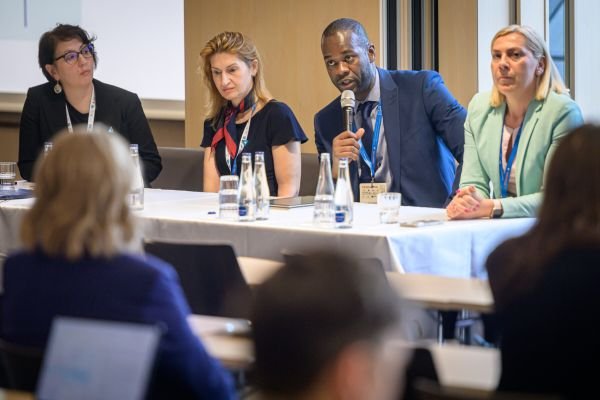
From left to right: Prof. Dr. Hannes Rothe, Lena Katharina Bödeker, Dana Pietralla, Prof. Anne-Karen Hüske, and Dr. Tomasz Waliczko. © Photo credit: eventfotograf.in

At the Aurora Annual Conference 2026, experts from academia, entrepreneurship, and innovation ecosystems, explored how researchers and students can be better supported in turning knowledge into societal and economic impact. The panel featured Prof. Dr. Hannes Rothe, Professor and Chair of Sustainability and Innovation in Digital Ecosystems at the University of Duisburg-Essen (UDE); Lena Katharina Bödeker, twice Founder and Advisor at JUNI; Dana Pietralla, Co-founder of paged and Cognitive Science Researcher; and Prof. Anne-Karen Hüske from Copenhagen Business School (CBS). The plenary session was moderated by Dr. Tomasz Waliczko of UDE.

At The Intersection Of Academia And Entrepreneurship

Prof. Dr. Hannes Rothe highlighted the importance of helping doctoral candidates and postdoctoral researchers translate scientific knowledge into entrepreneurial opportunities. While advocating for stronger entrepreneurial engagement, he also emphasised the continuing importance of curiosity-driven research, noting that today’s fundamental discoveries can become tomorrow’s breakthrough innovations. He further stressed the value of exposing students to entrepreneurship early in their academic journey and proposed more collaborative, interdisciplinary problem-solving initiatives that bring students together to address societal challenges.

Drawing on experiences from Berkeley and New York University, Dana Pietralla discussed the mindset shift required to move from academia into business. She encouraged researchers and students to start by identifying a societal problem before developing solutions, ensuring that innovation serves a broader purpose. According to Pietralla, universities play a crucial role in bringing knowledge into the real world, enabling science and business to work together to address pressing societal challenges. She also highlighted the importance of learning to assess risk and having the courage to pursue entrepreneurial opportunities.

Prof. Dr. Hannes Rothe of University of Duisburg-Essen
Dana Pietralla, Co-founder of paged

© Photo credit: eventfotograf.in

Addressing Practical Challenges And Stakeholder Management

Lena Katharina Bödeker focused on the practical challenges academics face when becoming entrepreneurs. She noted that researchers often possess strong problem-solving capabilities but may lack the entrepreneurial skills needed to bring ideas to market. Successful innovation, she argued, requires balancing technical feasibility, market viability, and user desirability. Bödeker also emphasised the importance of support structures such as pitch training, mentorship, partnerships, and access to entrepreneurial networks. She further advocated for creating stronger role models and clearer entry points for students interested in entrepreneurship.

Prof. Anne-Karen Hüske highlighted the critical role that stakeholder management plays in the entrepreneurial process. She stressed that founders must balance the interests and perspectives of customers, investors, partners, and society to build sustainable ventures. The discussion also addressed the need for cultural change within universities, encouraging entrepreneurship as a viable pathway alongside traditional academic careers.

Lena Katharina Bödeker, JUNI
Prof. Anne-Karen Hüske of Copenhagen Business School

© Photo credit: eventfotograf.in

Universities For Entrepreneurial Ecosystems

The panel further explored how universities can strengthen entrepreneurial ecosystems by connecting students and researchers with incubators, startup factories, investors, public funding opportunities, NGOs, and industry partners. Speakers agreed that effective ecosystems require more than financial support; they also need to provide access to networks, expertise, prototyping facilities, infrastructure, guidance, and regulatory support.

Another key topic was inclusivity in entrepreneurship. The discussion highlighted the challenges women and underrepresented groups often face in securing investment and the need for investors to embrace calculated risk-taking to support diverse founders and innovative ideas.

The session concluded with a shared vision: universities have a unique opportunity to empower the next generation of innovators by helping transform research, ideas, and knowledge into solutions that create meaningful societal impact.

Aurora Annual Conference 2026 Charts Future Of European Higher Education While Celebrating A Decade Of Collaboration

In May 2026, the University of Duisburg-Essen hosted the Aurora Annual Conference 2026, an international gathering of the Aurora community from its 15 universities across Europe and Canada. Gathering nearly 200 participants, the conference served as a key platform to discuss the progress of the Aurora 2030 programme while marking the ten years of cooperation within the Aurora network.


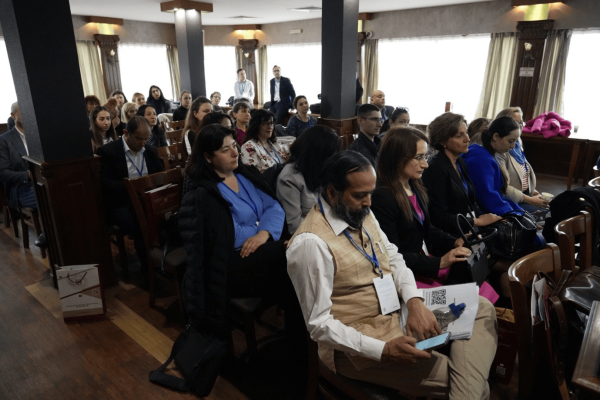
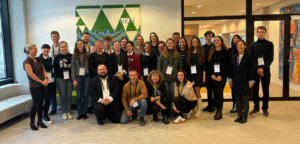
Participants from 15 Aurora universities across Europe and Canada. © Photo credit: eventfotograf.in

Over four days, academics, students, staff and stakeholders, engaged in plenary sessions, workshops, strategic meetings, and networking events designed to address some of the most pressing challenges facing higher education. Numerous exchanges focused on how universities can strengthen their societal impact, foster innovation, support student engagement, and build trust in science in an increasingly complex global environment.

Building A Future Of Trust

A central theme throughout the conference was the role of universities as trusted institutions. In the opening keynote, renowned science communicator and chemist Dr Mai Thi Nguyen-Kim addressed the challenge of communicating science in an era of information overload and declining public trust. Her presentation sparked discussions on how universities can engage more effectively with society, combat misinformation, and strengthen public confidence in research and evidence-based decision-making.

Dr Mai Thi Nguyen Kim opens with keynote of science communication
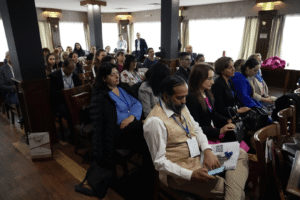
Attentive participants during the Opening Ceremony
Plenary session on Innopreneurship and Peer Review
Plenary session on Student Representation

© Photo credit: eventfotograf.in

Research and innovation, and entrepreneurship featured prominently across the programme. Sessions examined topics such as open science, digital education, international mobility, citizen engagement, and innopreneurship, highlighting ways Aurora institutions are developing new approaches to teaching, learning, and research. Students also played an active role in the conference, contributing perspectives on inclusion, mobility, and the future of students’ active involvement in European higher education.

During the conference, attendees confirmed their commitment to Aurora’s long-term vision for transforming higher education through joint educational programmes, interdisciplinary research, and learning opportunities that prepare students to tackle global challenges.

Marking Milestone Moments And Achievements

One of the highlights of the Opening Ceremony at the Aurora Annual Conference 2026 was the handover of the Aurora Presidency to Dr Margrethe Jonkman, President of the Executive Board of Vrije Universiteit Amsterdam. In her first address as Aurora President, Jonkman highlighted the importance of strong collaboration among Aurora universities in a rapidly changing international landscape and emphasised the commitment to joint education, knowledge exchange, research cooperation, and societal impact.

The opening also featured the seizmic Awards 2025, an initiative that rewards students’ engagement for societal impact through their social entrepreneurship and innovation projects. This year, Project SavEat took the grand prize and was lauded for its practical solution to food waste in Naples, Italy.

Handover of the Aurora Presidency to Margrethe Jonkmann, VU Amsterdam
Project SavEat team, seizmic Awards 2025 Winner
Celebrating 10 years of collaboration in Aurora
Aurora Communities of Practice Awards 2026

© Photo credit: eventfotograf.in

While the conference focused on future ambitions, it also provided an opportunity to reflect on Aurora’s achievements since its inception in 2016. Over the past decade, Aurora has grown into a global network of universities committed to matching academic excellence with societal impact, and doing this through international collaboration and community engagement. The Aurora community looked back on ten years of joint projects, student exchanges, research partnerships, and institutional cooperation that have strengthened connections between member universities.

The conference was also an opportunity to recognise and formalise the work of Aurora Communities of Practice (CoP). During the closing ceremony, three CoPs were voted as laureates for the first-ever Aurora CoP Awards: South-South and Triangular Cooperation on Food Systems and Climate Change (SSTC- FSCC), Peace in Practice Across Universities, and Permahaven Research Group (PRG). 

The Aurora Annual Conference 2026 further emphasised that the achievements of Aurora’s first decade provided a foundation for the next phase of development. By combining reflection on ten years of progress with a clear focus on future goals, the conference showed how European university alliances can help shape a more connected, inclusive, and resilient higher education landscape.

Palacký University Olomouc Opens Its Unique Long-standing Young Researcher Grant Scheme to Aurora Universities

For the first time, early-career researchers from across Aurora universities can apply to the Young Researcher Grant Competition, one of Palacký University Olomouc’s most established internal funding programmes.


About the UP Young Researcher Grant Competition

After five successful years of supporting outstanding young scientists at Palacký University Olomouc (UP), the Young Researcher Grant Competition is now opening its doors to researchers from Aurora universities. 

The funding scheme was created to help talented early-career researchers establish independent research careers, build new research teams and laboratories, and prepare ambitious international research projects. Over the past six years, the programme has become an important part of UP’s strategy for supporting scientific excellence and attracting promising researchers from around the world. The competition offers funding of up to €205,000 per project and is designed specifically for excellent young scientists with strong academic potential and international experience.

Conditions for applicants:

  • Must be under 38 years of age
  • Have obtained their Ph.D. within the last eight years
  • Have completed an international research stay of at least three months. 

By opening the scheme to Aurora institutions, the university strengthens one of the alliance’s key ambitions — creating meaningful opportunities for international collaboration, mobility, and research development across Europe. The initiative also reflects the university’s long-term commitment to investing in the next generation of researchers and fostering international scientific cooperation. 

Selected projects will begin in January 2027 and will run for 36 months in Olomouc, a historic university city in the heart of the Czech Republic known for its vibrant academic environment and high quality of life. 

Applications are open until 22 June 2026 (12:00 CET). 

Detailed information, eligibility criteria, and application documents are available on the official website: 

Young Researcher Grant Competition – Palacký University Olomouc

From Ambition To Practice: Aurora At The EARMA Conference 2026

From 5 to 7 May 2026, Marie Jadrníčková, Aurora Research Officer at Palacký University Olomouc (UP), represented Aurora at the EARMA Conference 2026 in Utrecht, The Netherlands. Together with colleagues from the EDUC and SEA-EU European university alliances, she participated in a panel discussion on behalf of the EARMA Thematic Group on the European Universities Initiative.


Aurora representatives at EARMA Conference 2026: Sedef Iskit (VU Amsterdam), Marie Jadrníčková (Palacký University Olomouc) and Svandis Halldórsdóttir (University of Iceland)

Bridging Ambition And Everyday Practice 

During the panel session, Marie delivered a presentation titled “From Ambition to Practice: How Alliances Shape Universities”. She raised the key question of how European university alliances can become an integral part of long-term institutional strategies and development. The discussion that followed focused on the challenge of translating European-level ambitions into meaningful institutional change.

While governance structures and legal frameworks often dominate discussions on European university alliances, the session also explored how these initiatives are implemented in practice and how they influence the day-to-day functioning of universities.

Research managers and professional staff play a crucial role in connecting policy and practice. They help translate alliance objectives into concrete processes, align stakeholders, and support the integration of new structures into institutional environments. The discussion also addressed challenges such as ensuring continuity beyond project-based funding, retaining skilled staff, and managing financial uncertainty.

Integrating Research And Innovation In Erasmus+ Projects 

In addition to the conference, Marie also contributed to a webinar hosted by the EARMA European Universities Initiative Thematic Group. The webinar, titled “Integrating the R&I Agenda in Erasmus+ Projects”, brought together more than 100 participants from across Europe to exchange perspectives on the research and innovation landscape within European university alliances and on the role of Erasmus+ funding in this context.
 
Moderated by Ladislav Cocek from EDUC, the webinar featured Marie alongside Nina Shiel from CHARM-EU. Together, they shared practical insights into how institutions can better connect research and education within Erasmus+ frameworks and make use of funding synergies to strengthen research capacity. The webinar highlighted the importance of more integrated approaches within European university alliances, particularly at the intersection of research and education.

As European university alliances continue to evolve, the role of research managers remains central to embedding alliances within institutions and supporting their long-term implementation in practice. Aurora’s engagement in platforms such as EARMA contributes to the exchange of practical experience, supports discussions on how alliances function in everyday academic environments, and helps strengthen their long-term sustainability.

Aurora Students Develop Managerial Skills Through Innovative Tabletop Role‑Playing Games

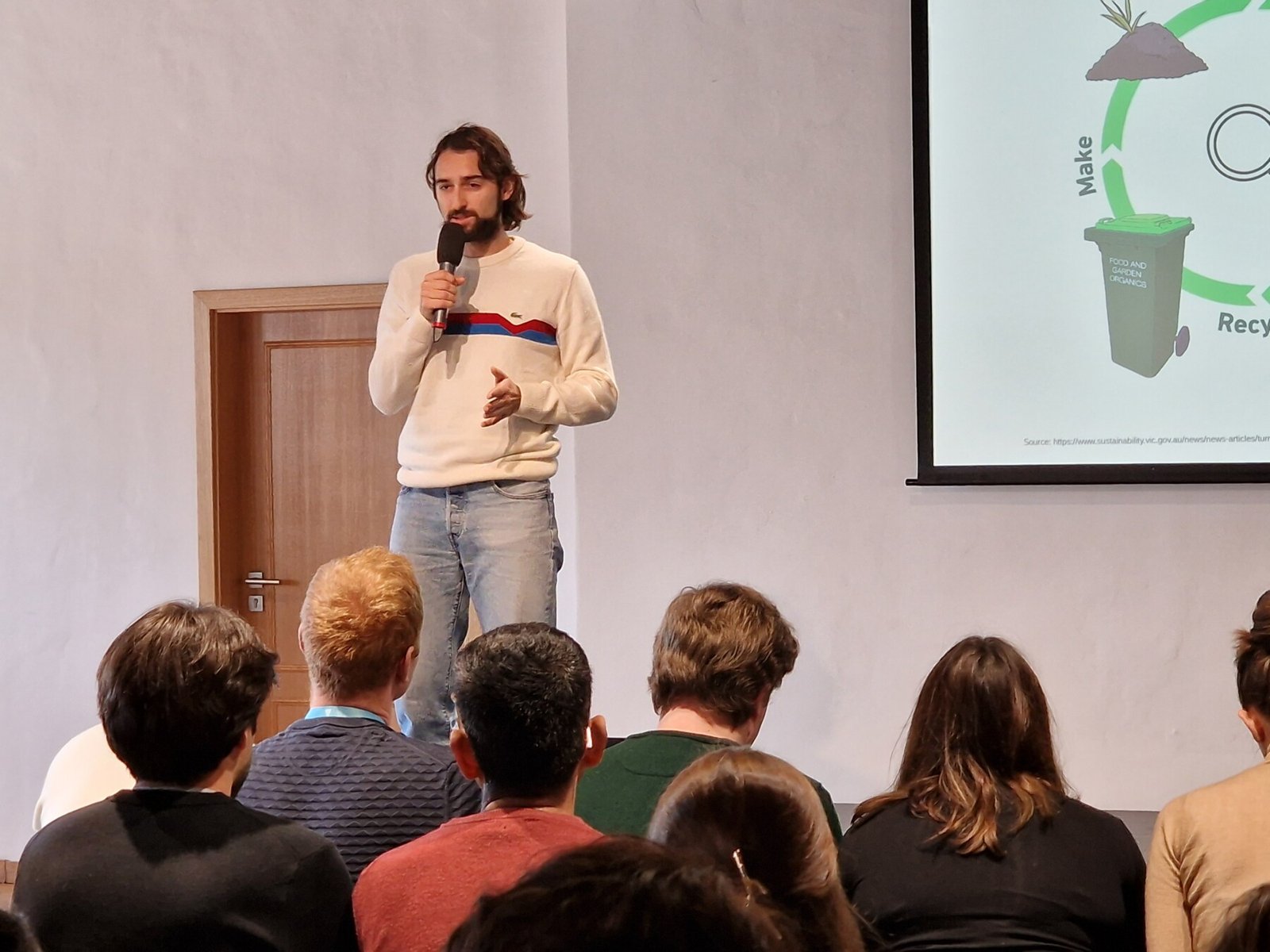
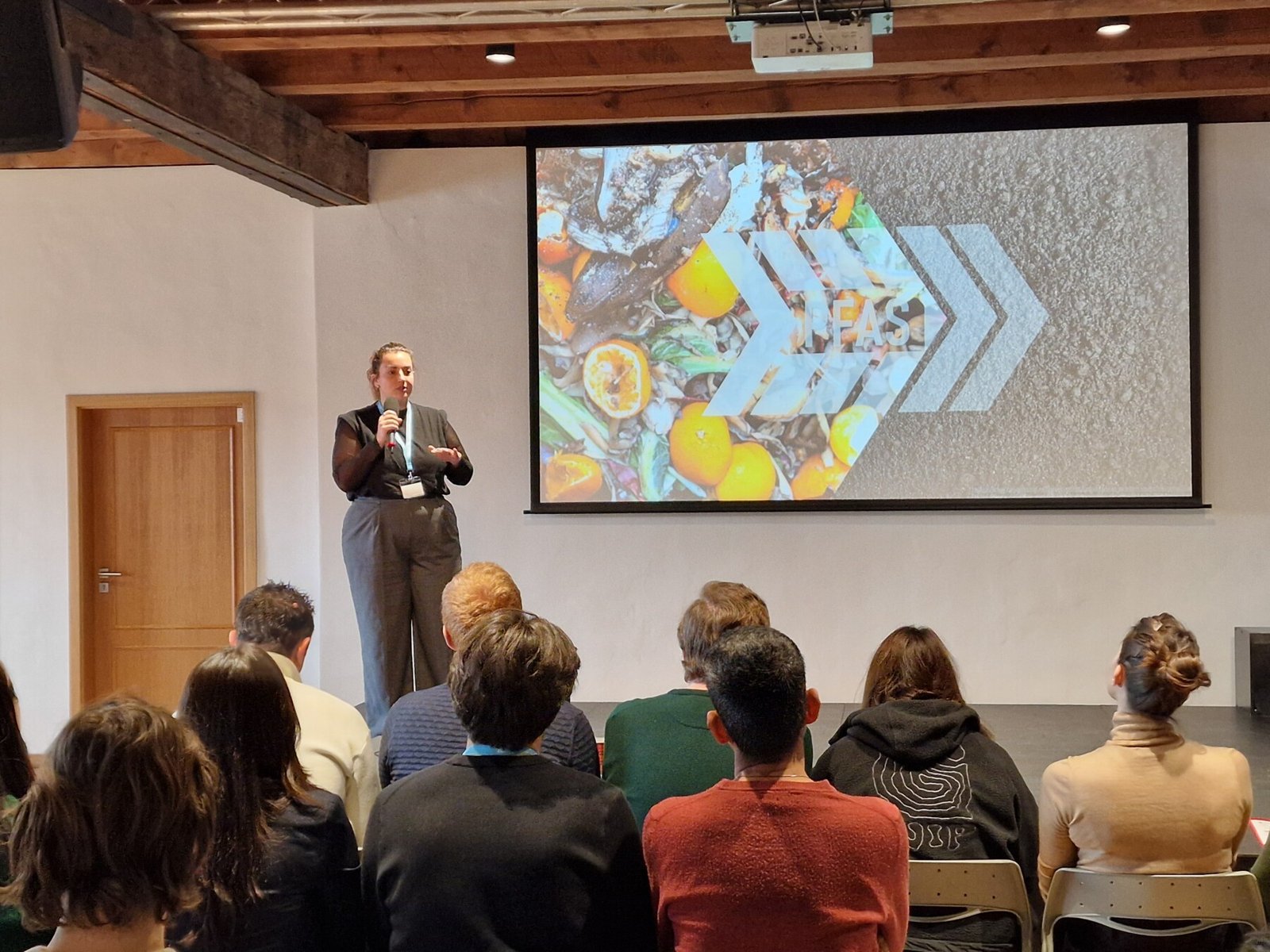
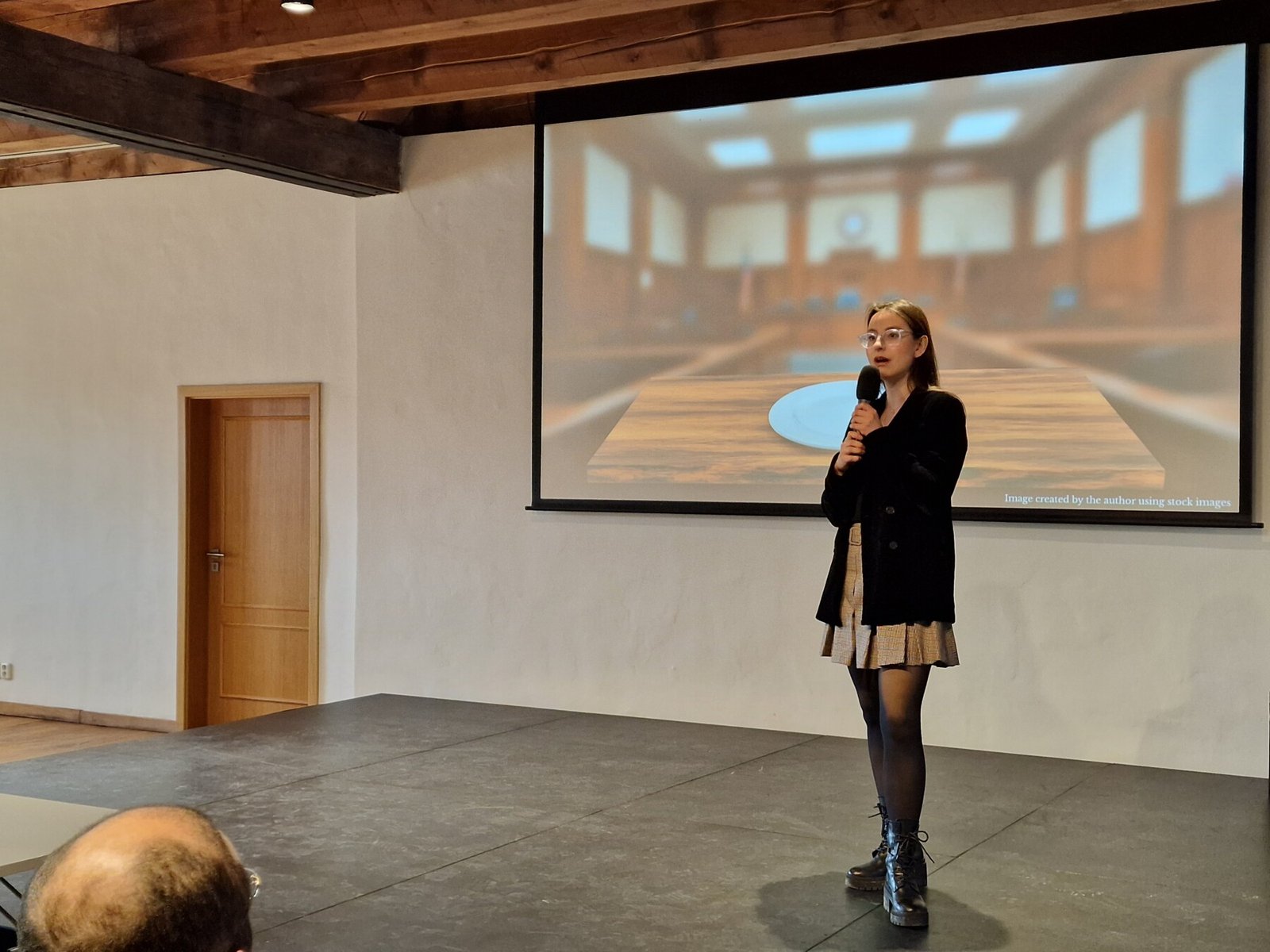
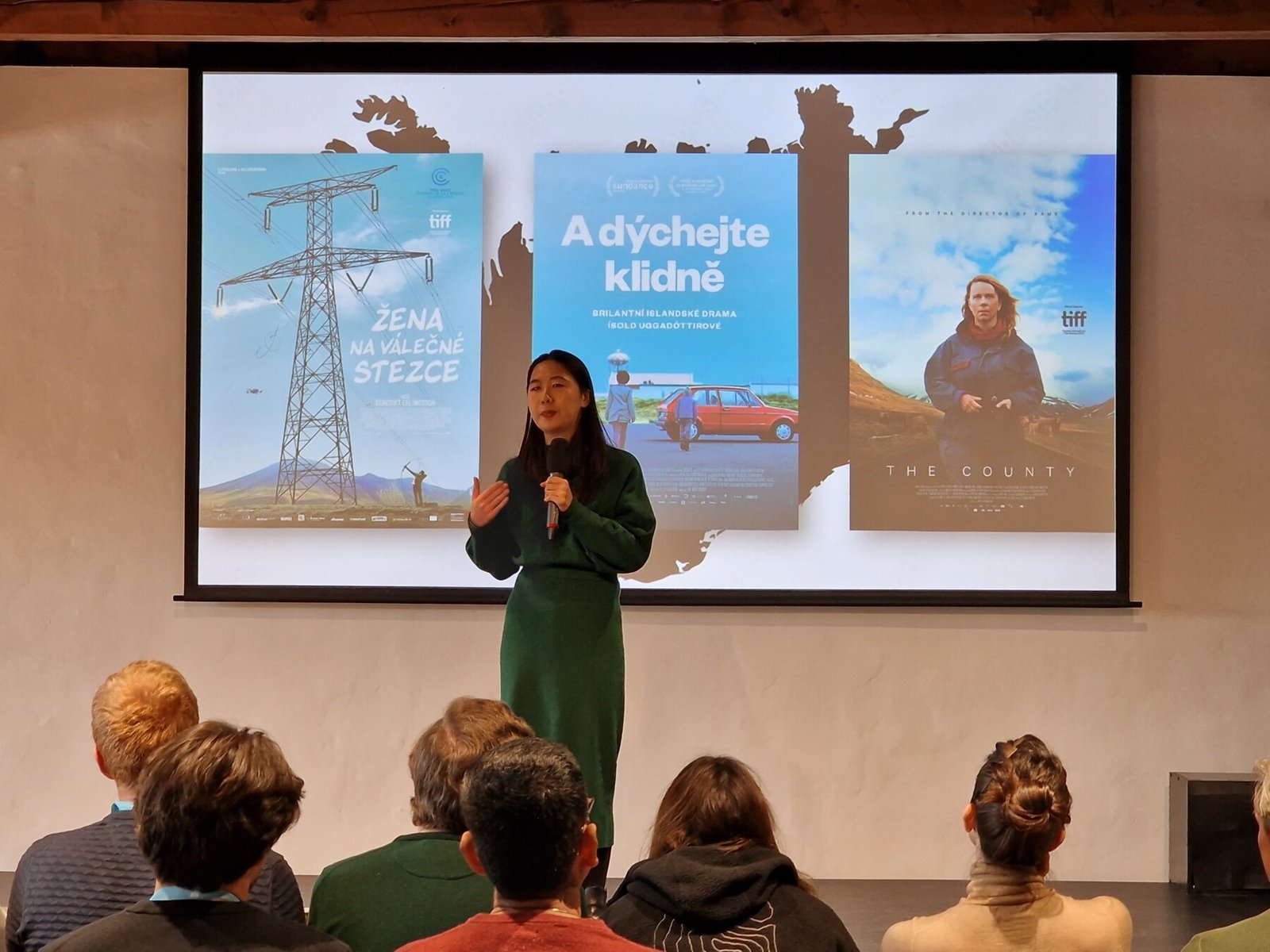
Hosted by the IAE Paris-Est at the Université Paris-Est Créteil (UPEC), a new Blended Intensive Programme (BIP) explored the use of tabletop roleplaying games as a tool for developing managerial and transversal skills in students. Supported by Aurora, this BIP reflects Aurora’s commitment to fostering innovative, inclusive, and challengebased learning across its member universities.


Table-top role-playing games and managerial skills BIP participants at the IAE Paris-Est, UPEC

Advancing Aurora’s Educational Mission Through Ludopedagogy

Coordinated by UPEC with Aurora universities University of Iceland and Palacký University Olomouc, and other partner universities the University of Skövde and Valparaiso University in the United States for the Scenario Creation Contest, the BIP was  developed within the EdUTeam project at UPEC. Using  a ludopedagogical approach, the programme combined  physical and digital games as learning tools. Tabletop role‑playing games served as a creative framework for students to co‑construct narrative scenarios while strengthening key transversal skills such as creativity, collaboration, and decision‑making,  central to Aurora’s pedagogical vision.

The programme brought together 35 students from 11 nationalities and 14 faculty members representing 8 countries across the Aurora network. Following an online preparatory phase, participants met in Créteil, France, for a week‑long immersive experience at the GamiXlab of IAE Paris‑Est. The initiative was coordinated by Associate Professors Patricia Noël and Philippe Lépinard, with strong support from International Offices  across the alliance.

Throughout the week, students engaged in lectures and workshops led by European scholars from Aurora universities, exploring diverse approaches to integrating games into management education. This cross‑institutional collaboration illustrates Aurora’s ambition to build a shared European learning space grounded in pedagogical innovation.

Tight collaboration between French and international colleagues and students from Aurora universities and beyond

Learning Management With Game-based Scenarios

Working in international teams, students designed scenarios for the role‑playing game Dungeon Crawl Classics, in partnership with the American publisher Goodman Games. Beyond the creative dimension, the activity encouraged participants to reflect on how game‑based scenarios can be embedded into university‑level management courses.

This approach supports the development of essential transversal skills and key competencies in communication, problem‑solving, and strategic thinking.

“It is not the role‑playing games themselves that develop managerial skills, but the pedagogical framework built around them,” explains Philippe Lépinard. The programme also strengthened professional connections within the alliance. As Philippe Lépinard notes, “The BIP allowed us to collaborate closely with international teams and to meet new colleagues, both French and international.”

Hands-on experience in table-top and role-playing games at the GamiXlab

The scenarios designed by the students will be evaluated by an international jury, with the winning project announced during the International Game Evolution conference on 13 May 2026. Students reported highly positive experiences, highlighting the value of intercultural collaboration and the opportunities created through Aurora mobility.

UPEC Hosts Aurora Workshop on LOUIS Educational Tool

Université Paris-Est Créteil (UPEC) brought together 24 participants for a workshop dedicated to LOUIS (Learning Outcomes in University for Impact on Society), an educational tool developed within the framework of the Aurora European university alliance.


UPEC educators gather during in-person Aurora workshop to discover the LOUIS educational tool

LOUIS As An Assessment Tool For Transversal Skills

LOUIS (Learning Outcomes in University for Impact on Society) is one of the three components of the Aurora Competence Framework, alongside seizmic and BEVI. The framework supports Aurora’s educational vision of equipping graduates not only with subject expertise, but also with the skills and mindset needed to contribute positively to society. LOUIS helps teachers articulate and assess general academic and personal competences within subject-based courses, bridging the gap between broad competence frameworks and students’ actual learning progress in the classroom.

Organised by Christelle Garrouste, Associate Professor in Economics at UPEC, with the support of Martin Schwell, Vice-President for European Affairs and Aurora Institutional Coordinator at UPEC, the event provided teachers with the opportunity to discover this tool as a way to assess and develop students’ transversal skills in higher education.

This workshop served as an introduction to the tool, ahead of a Blended Intensive Programme (BIP) on LOUIS that will take place in Amsterdam from 1 to 5 June 2026. On this occasion, academic staff from the nine Aurora universities will have five days to test the application of the tool in their courses and be ready to implement it in the next academic year.

Left to right: Christelle Garrouste, Florian Freitag and Kees Kouwenaar present the LOUIS educational tool to educators at UPEC

Adapting LOUIS To Teaching Practices

The workshop was led by Florian Freitag, professor at the University of Duisburg-Essen, and Kees Kouwenaar, Senior Advisor at Vrije Universiteit Amsterdam and developer of LOUIS. The session presented the principles and objectives of this educational tool, which enables a structured evaluation of the acquisition of essential transversal skills such as critical thinking, communication, teamwork and problem-solving.

Developed within Aurora, LOUIS is based on VALUE, a higher education learning assessment approach developed by the American Association of Colleges & Universities.

“In Aurora’s vision, LOUIS aims to help students develop the skills they will need in their future lives in order to contribute positively to society and to Europe,” explains Florian Freitag.

The workshop also provided an opportunity to discuss the practical use of the tool in different teaching contexts. Participants exchanged with the speakers about how LOUIS could be adapted to the specific needs of their courses and programmes.

Delphine Adam, a participant in the workshop and a lecturer at UPEC, highlighted: “It is a good basis for reflection that can be adapted to students and to different teaching contexts.”

The session concluded with group discussions and a final exchange with participants, allowing them to explore potential ways of integrating LOUIS into teaching practices at UPEC.

Aurora Launches Joint Micro-credential Programme “Understanding Europe”

Universität Innsbruck and the University of Duisburg-Essen have successfully launched the joint micro-credential Understanding Europe within the Aurora European university alliance, marking an important step forward for the European Education Area.

About Understanding Europe Micro-credential

Launched by Universität Innsbruck and University of Duisburg-Essen, the Understanding Europe micro-credential programme is taught in English and worth 10 ECTS credits. It is open to Bachelor students from all Aurora partner universities, and combines interdisciplinary courses on Europe’s global context and contemporary challenges, co-taught by lecturers from several European institutions.

The micro-credential focuses on key competencies such as sustainability, governance, intercultural understanding, critical thinking, and problem-solving. Through collaborative teaching, online learning, and short-term mobility, students gain practical insight into European cooperation in action.

As a jointly delivered and certified programme, Understanding Europe serves as a model for future cross-border educational formats, strengthening academic collaboration and contributing to a more connected and inclusive European Higher Education landscape.

Third Aurora Call Expands to Include Mixed Incentive Research and Education Projects

Following the success of the 2024 and 2025 calls, with over 90 submitted proposals, and after the final Aurora Board decision on 18 February 2026, Aurora launches a new Call for Exploratory Research and Education Projects, Thematic Schools, Research Seminars, and Secondments of Early-stage Researchers.

Two Key Actions with An Added Angle on Education

This new call aims to address the intersection between research and education. It incentivises the formation of original collaborative research actions and research-driven educational actions in Aurora’s six thematic hubs of transdisciplinary research and education: Sustainability and Climate Change, Digital Society and Global Citizenship, Health and Wellbeing, Culture: Identities and Diversities, Social Entrepreneurship and Innovation, and Peace Education.

“As Aurora has taught us so far, learning is key in all innovative research,” says Barbara Buchenau, Professor of North American Studies at the University of Duisburg-Essen, and Lead of Aurora transdisciplinary hubs. “It allows us to explore the boundaries between what is known and what is uncertain or contested. This call therefore explicitly recognizes the importance of learning activities for successful transdisciplinary research. It invites small European teams to further develop their visions for transdisciplinary research and education, thereby strengthening research-driven education and cutting-edge research in and among Aurora universities.”

This added angle on education is reflected in two of the call’s three Key Actions:

Key Action 1 – Exploratory and collaborative research projects, or projects that are built at the interface between research and education.

KA1 adds the possibility of submitting projects that mix teaching and research. Whenever selected projects fall within the domain of one of the six Aurora Hubs above, they should contribute to, and strengthen the Hub’s life. Therefore, projects that include both research and education perspectives can propose design measures for the creation of future blended intensive programmes, micro-credentials, or joint programmes. Still, research only projects, also outside the Hubs, are also welcome.

Matthias Beekmann, Aurora Research Council President and researcher at Université Paris-Est Créteil (UPEC) states: “We expect that more than 10 of such incentive projects will be funded, strengthening the Aurora research and education community, and creating opportunities for Aurora researchers and teachers to participate in future European calls.”

Key Action 2 – Thematic Schools and Intensive Research Seminars

In addition to the thematic schools already present in previous calls, KA2 now also includes multi-day intensive research and teaching seminars. These seminars must feature contributions of researchers from Aurora universities, and should include hands-on, theory-driven field work or community engagement as well as student research.

Increased Available Budget to Support Excellent Projects

The available budget for the above two key actions has nearly increased by a half for this 2026 call to reach 240,000 Euros, a considerable increase from past years. A large part of this budget comes from additional contribution by Aurora member universities in addition to the budget provided under Aurora 2030 Task 5.2 on Academic Collaboration and Community Building.

This steadfast engagement allows for the possibility to support a larger number of excellent projects. It demonstrates a strong commitment in Aurora to provide and foster a solid environment for research, education and innovation within its community.

Submission of Proposals

This call is officially launched on 20 February 2026, with a deadline for proposals to be submitted on 17 April 2026, 12:00 CEST. For further information, go to Call for Incentive Research and Education Collaboration.

Aurora Micro-credential Coordination Committee (Aurora-MCC) Moves from Framework to Implementation

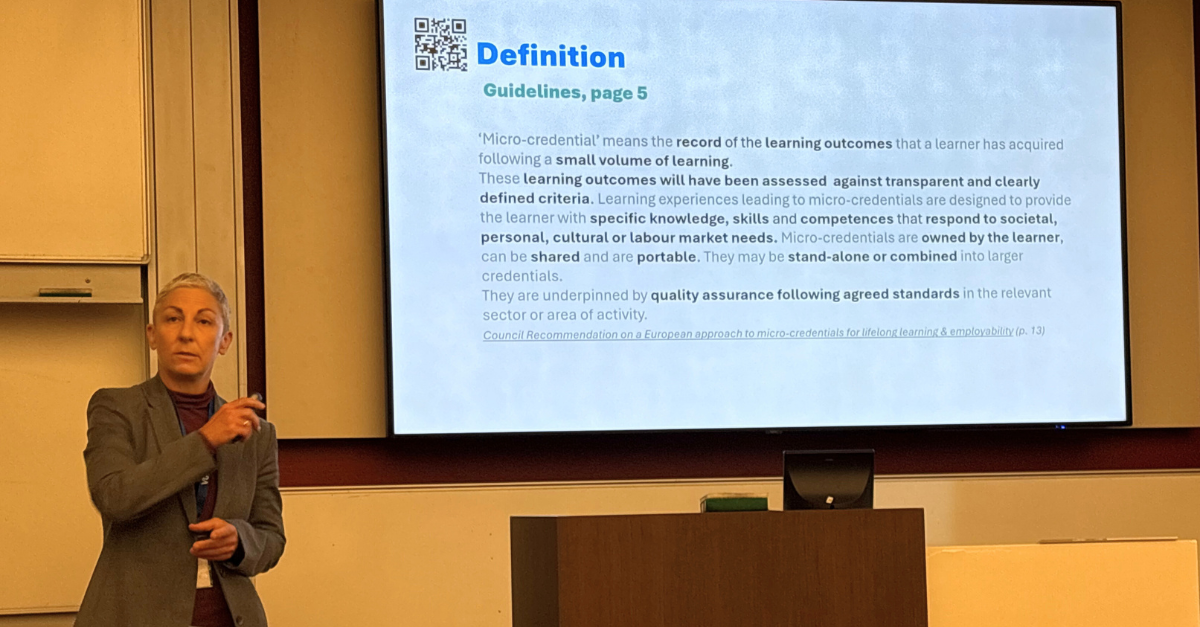
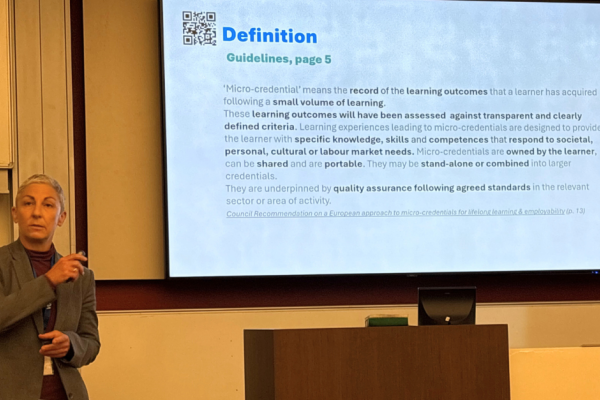
The Aurora Micro-Credential Coordination Committee (Aurora-MCC) formally constituted itself in November 2025, marking an important step in translating the Aurora Guidelines for Setting Up Micro-Credentials into coordinated practice across Aurora.

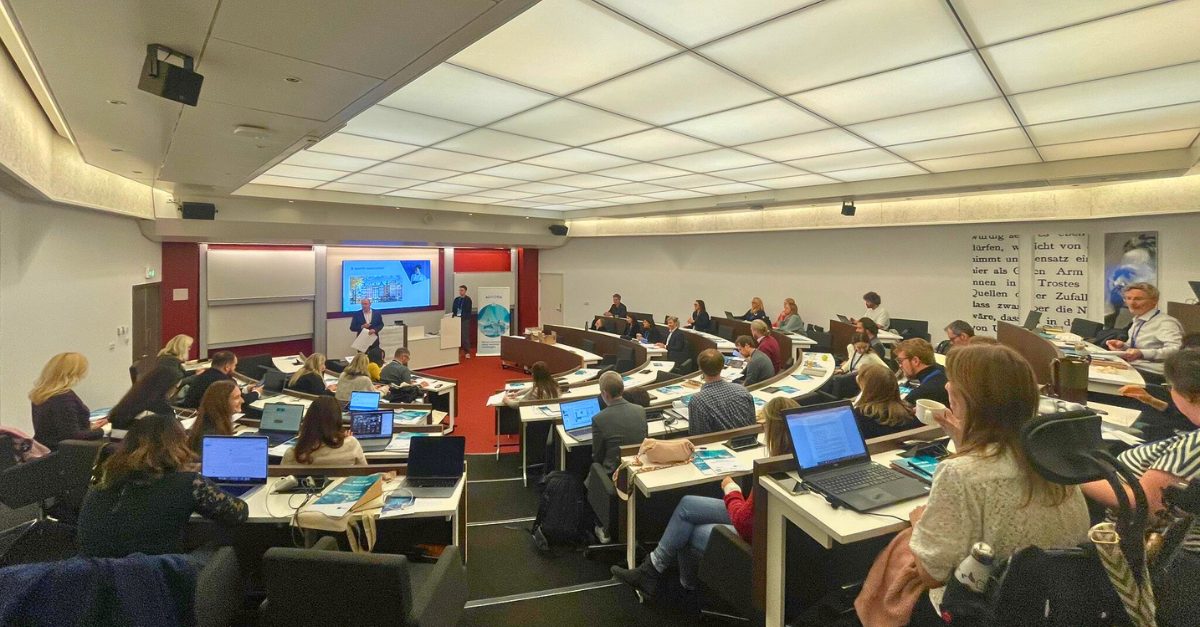
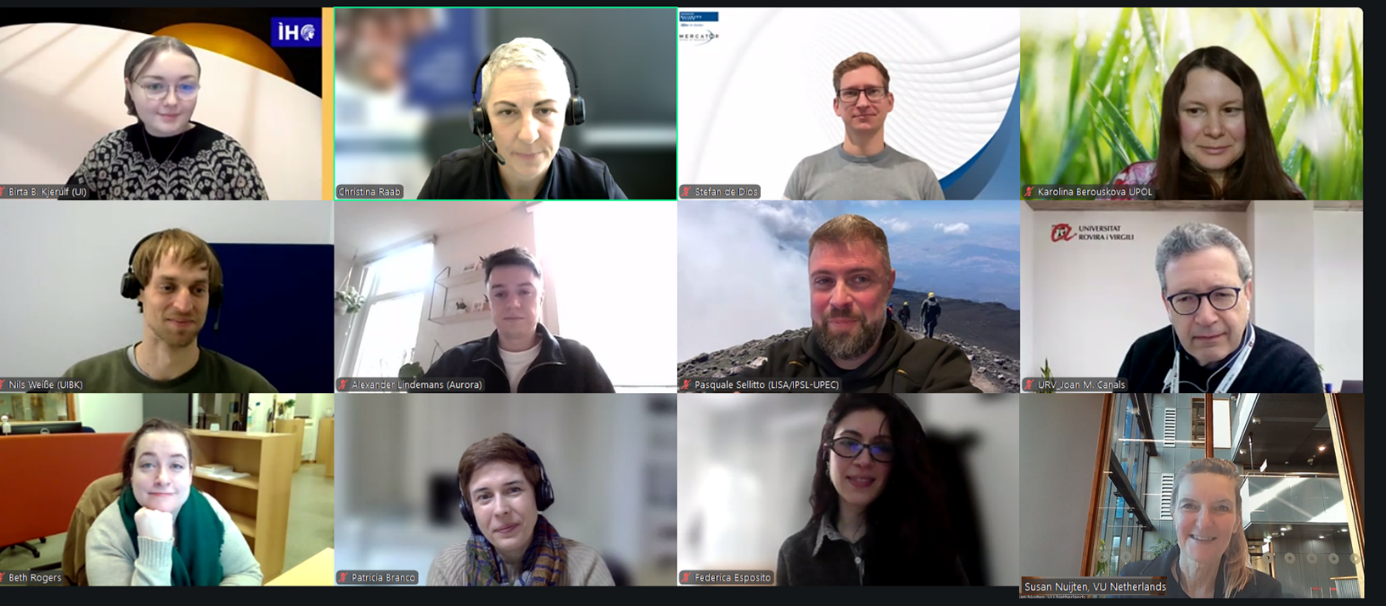
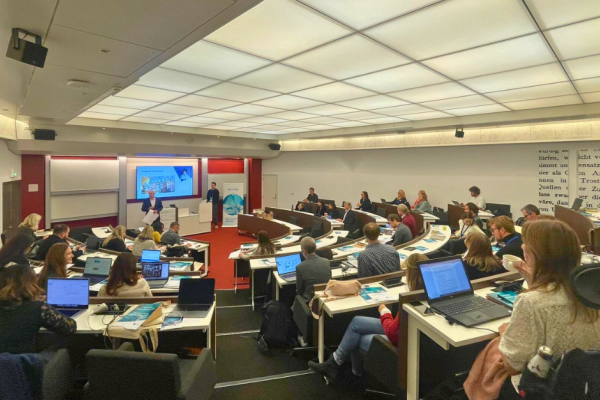
Participants at the second Aurora-MCC meeting. Photo credit: Aurora-MCC, Raab 

The constitutive meeting chaired by Christina Raab from Universität Innsbruck, confirmed the committee’s mandate, composition, and operational arrangements. With this, the Aurora-MCC was established as a permanent, cross-institutional coordination body focused on facilitation, peer learning, and ecosystem-building rather than quality control.
Moving from Framework to Implementation

The committee’s work builds directly on the Aurora Guidelines for Setting Up Micro-credentials, published in 2025 as a living document aligned with the European Council Recommendation on a European approach to micro-credentials. These Aurora guidelines provide a shared European framework for the quality-assured design, implementation, recognition, and visibility of Aurora micro-credentials, while fully respecting institutional autonomy and national regulatory contexts. The Aurora-MCC ensures continuity between this strategic framework and its operational interpretation across Aurora.

At its second meeting in January 2026, conducted online, the Aurora-MCC discussed a proof of concept for the implementation of jointly offered Aurora micro-credentials. The discussion addressed overarching principles and workflows, including coordinated academic collaboration, issuing arrangements and digital and administrative processes. The proof-of-concept discussion served as a structured test case to explore how the Aurora guidelines can be applied in practice and how joint Aurora micro-credentials could be implemented in a scalable and interoperable manner.

The Aurora-MCC currently works predominantly in an online format, enabling regular monthly meetings and continuous exchange. Through its ongoing activities, the Aurora-MCC is actively advancing the implementation phase of the Aurora guidelines, contributing to the development of a trusted, interoperable, and future-oriented micro-credential ecosystem within the Aurora.

For questions related to the work of the Aurora-MCC, the committee can be contacted via aurora-courses@uibk.ac.at