News
Learn more about Aurora Student Council’s projects of the year and the status of student participation in Aurora.
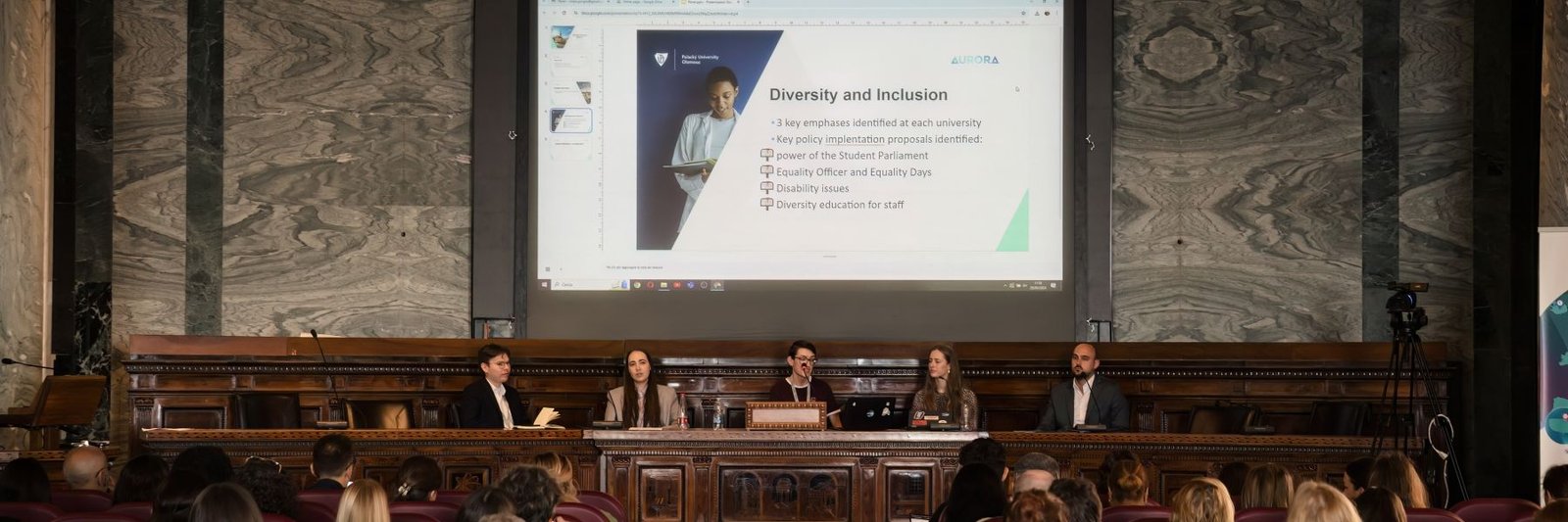
During the Aurora Spring Biannual hosted by the University Federico II of Naples, the Aurora Student Council (ASC) organised the Aurora Students’ Round Table plenary session, an opportunity for the ASC members to review the major projects of their year within the council and discuss the status of student participation in Aurora.
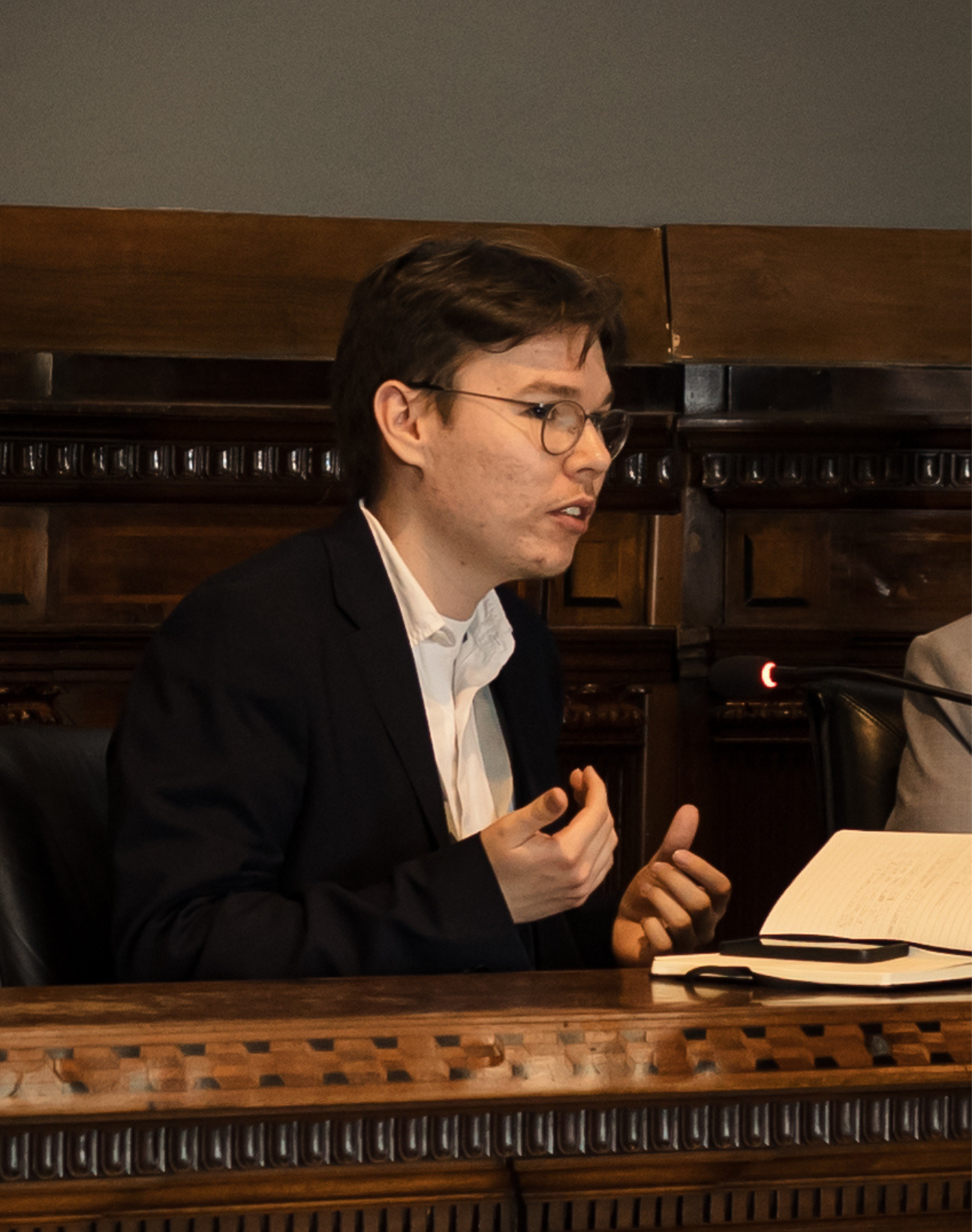
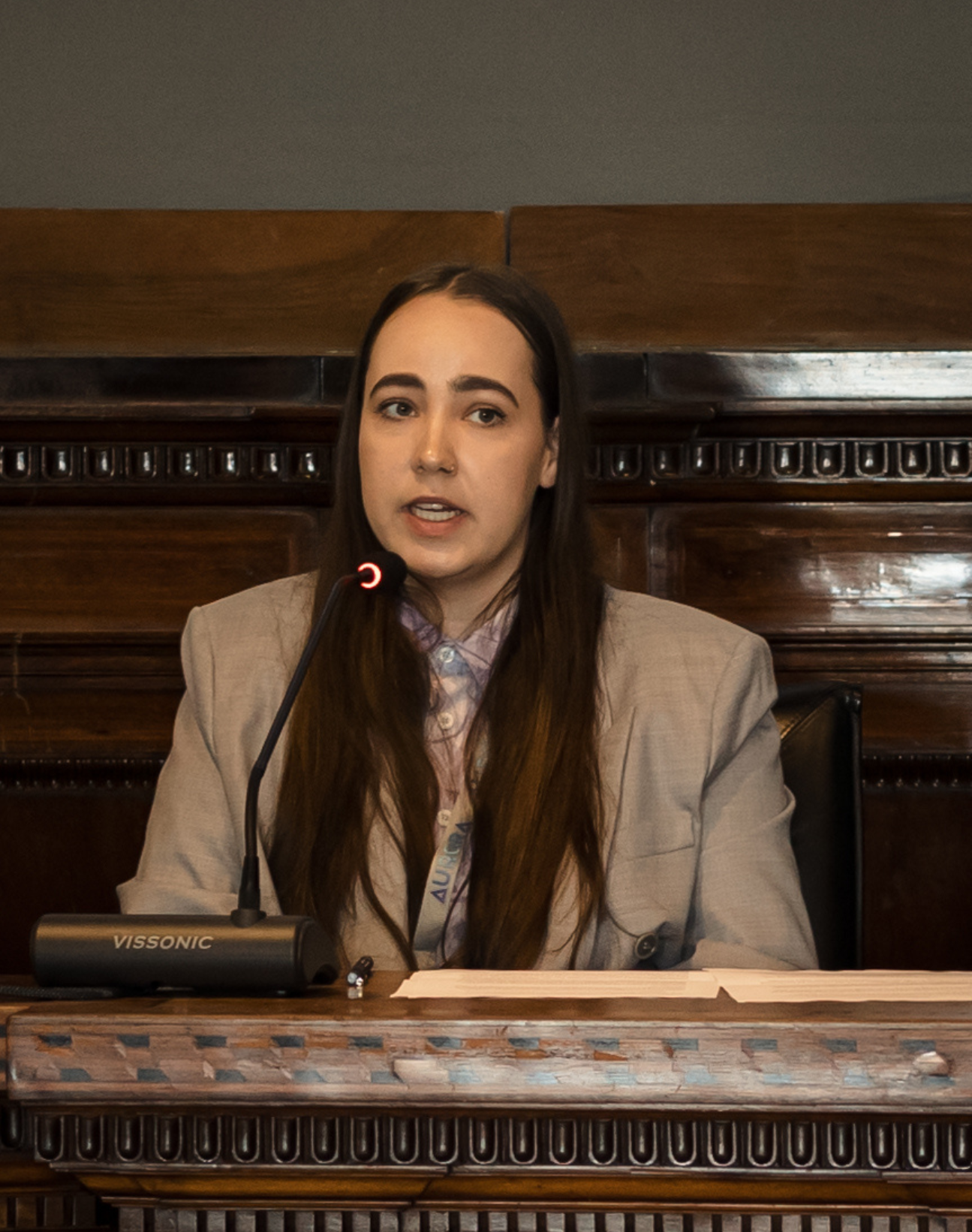
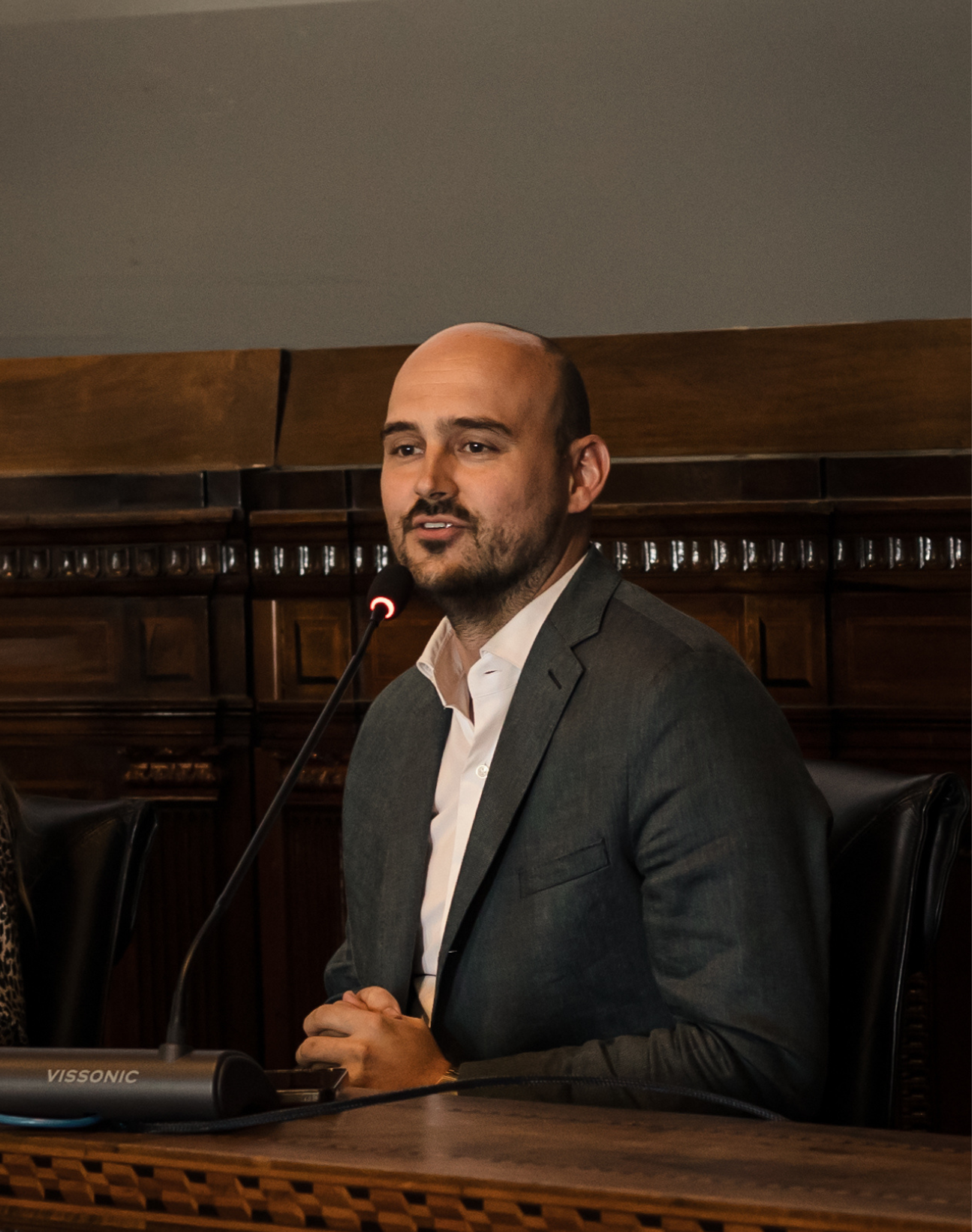
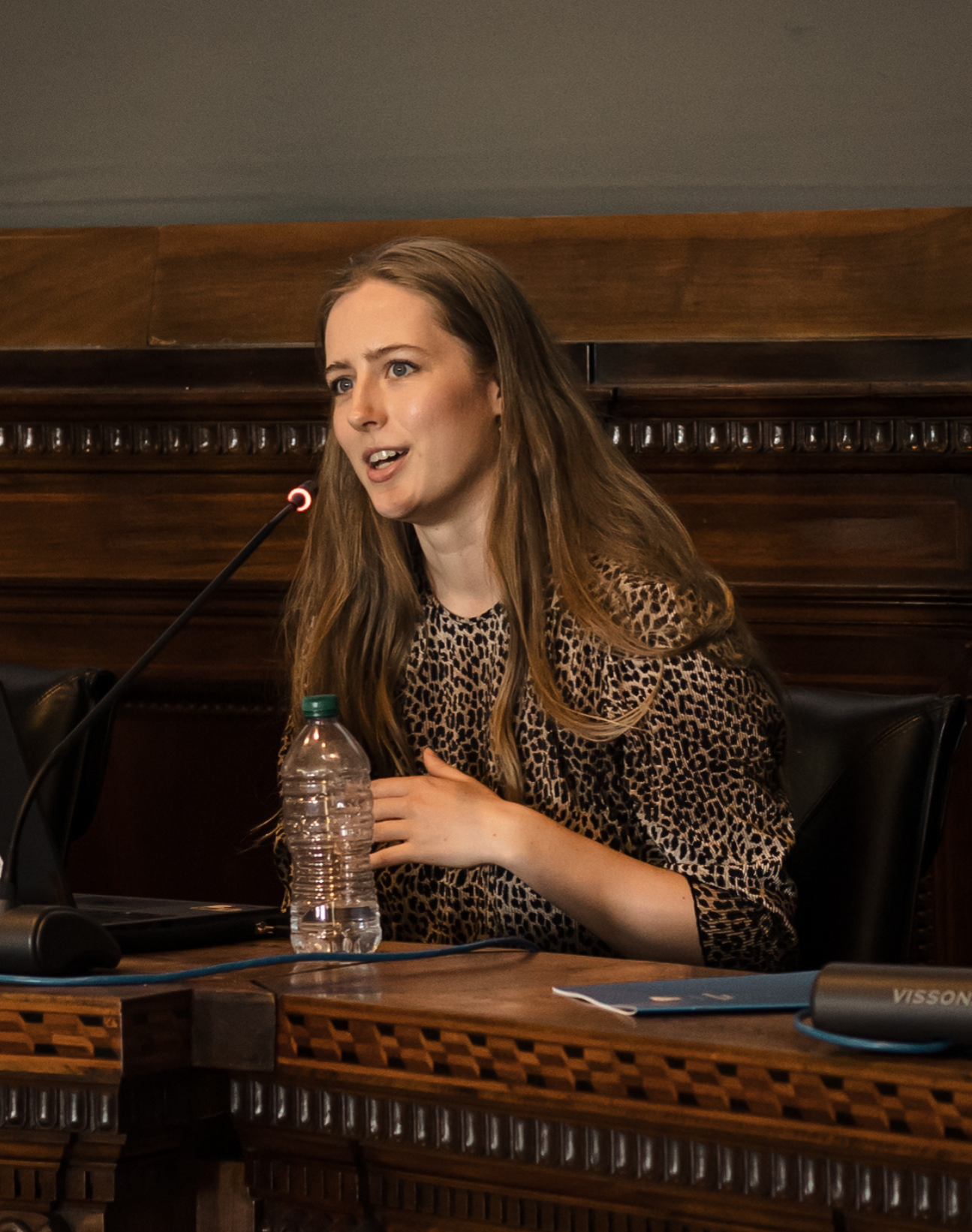
The plenary session was chaired by Hanuš Patera, former President of the ASC, accompanied by two members of the Council Nana-Kirstine Bruhn Rasmussen and Sören Daehn, as well as Alma Ágústsdóttir and Niels Hexspoor, who leads the activities on Aurora Student Support and Engagement, and the Aurora Student Community (Work Package 7). Part of the Aurora Students’ Round Table session focused on the students’ work in 2023-2024.
Panelists reminded the audience that the ASC members are only present for one year, which is not enough time to realise all their projects. Thus, the ASC members presented a strategic document containing several goals to be achieved for future members of the council. These goals include:
- Creation of a social media communication plan.
- Presence of members of the council at all Aurora events.
- Increase in the number of in-person meetings.
Sören Daehn, Copenhagen Business School
Alma Ágústsdóttir, University of Iceland
Niels Hexspoor, Palacký University Olomouc
Nana Bruhn Rasmussen, University of Iceland
Diversity and Inclusion Moving Forward
Hanuš further addressed the topic of diversity and inclusion. Indeed, the ASC chooses a topic on which it proposes that Aurora universities could improve by the year end. The council highlighted four areas for improvement:- Collaborating closer with institutional student parliaments, to strengthen the presence of Aurora students in the university’s decision-making process.
- Establishing the position of equality officer, or thematic equality days, that would result in a concrete equality plan to follow, beyond just recommendations.
- Responding to the problems of people with disabilities by providing easier information, or the creation of a support checklist.
- Offering diversity education for new staff so that they know the support available to respond to these problems.