Group: For students

UDE Aurora Community Meet-Up

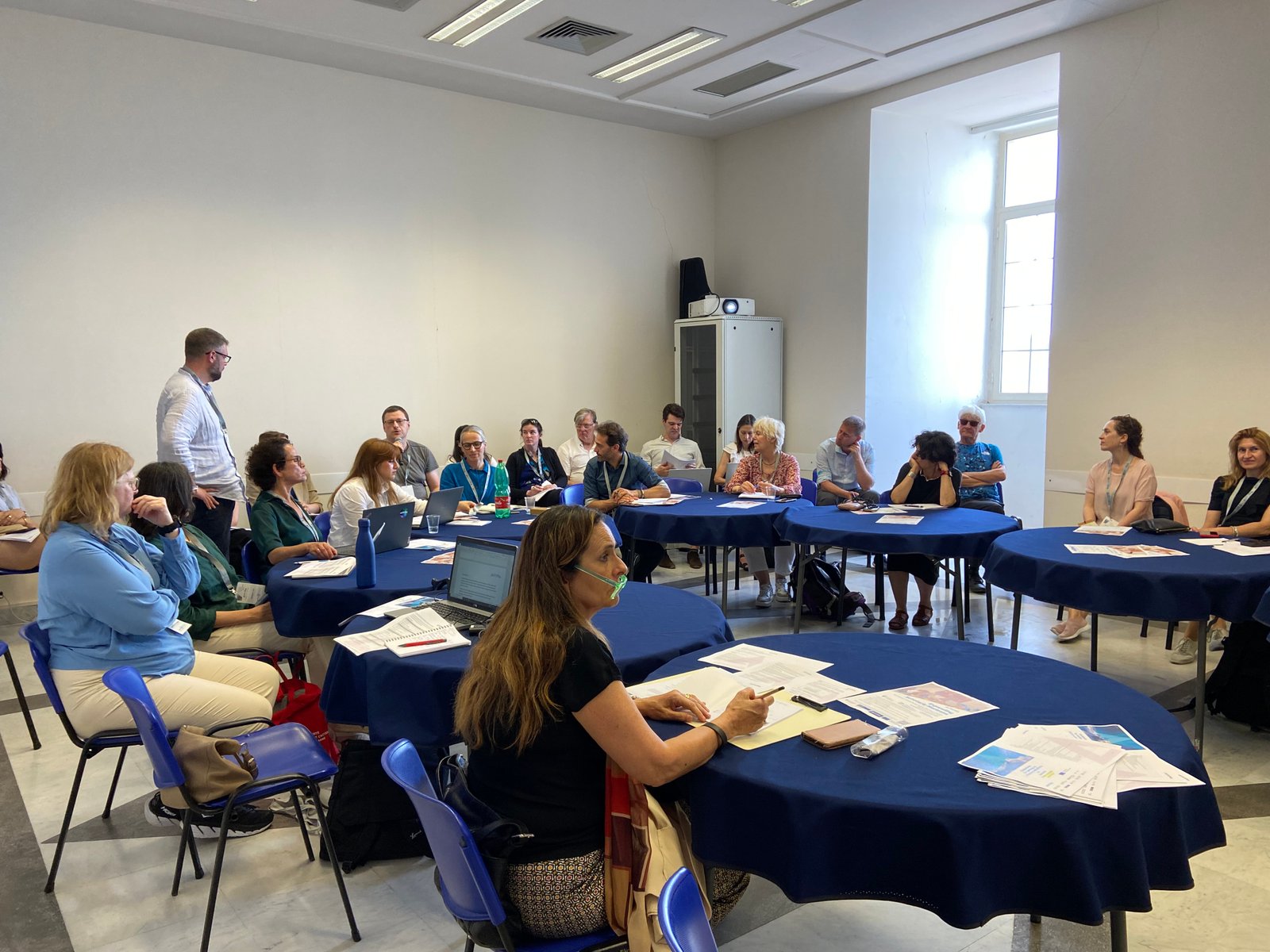
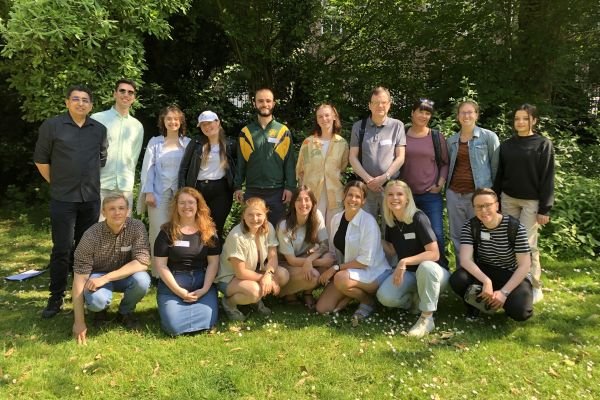
On July 7, 2025, members of the Aurora UDE Community came together for an informal meet-up to connect, exchange ideas, and welcome new faces. Colleagues from various Aurora work packages based at the University of Duisburg-Essen (UDE), as well as several Aurora student ambassadors, took the opportunity to share insights about their work and their experiences, and learn more about each other’s activities within the Aurora network. The gathering provided an open space for networking, questions, and inspiration, particularly for newcomers interested in contributing to Aurora’s mission of combining academic excellence with societal impact.

Thank you to everyone who joined and made the exchange so enriching. The Aurora Community at the UDE looks forward to continuing these conversations and strengthening connections across disciplines and departments

For further inquiries about the UDE Aurora Community, please contact the Aurora Alliance Office here.

Aurora Student Council: Empowering Student Leadership Across Europe

The Aurora Student Council (ASC) is the representative body of students within Aurora, bringing together voices from all partner universities to ensure student perspectives remain at the heart of Aurora’s strategic direction. Through monthly meetings and continuous collaboration, the Council enables students to engage in joint discussions, share experiences, and contribute actively to Aurora’s development as a European university alliance.

Aurora Student Council at the Aurora Annual Conference 2025 in Paris

As part of this ongoing work, the ASC met in-person during the Aurora Annual Conference, hosted by Université Paris-Est Créteil (UPEC) in May 2025 in Paris. The meeting served as a space to review progress, exchange ideas, and continue working on several key initiatives.

Strengthening European Collaboration: Aurora and the ESU Candidacy

One of the main points discussed was Aurora’s potential candidacy to become a member of the European Students’ Union (ESU), an umbrella organisation representing over 20 million students across Europe. Membership in the ESU would allow Aurora to increase its visibility within the broader network of European university alliances, foster collaboration on shared student issues, and take an active role in shaping policies relevant to higher education at the European level.

Aurora Students’ Rights Charter: Establishing Shared Standards

The central focus of the Paris meeting was the development of the Aurora Students’ Rights Charter (ASRC). This charter is the result of joint work by the ASC to define the fundamental rights students believe should be respected across all Aurora universities. Once adopted, the ASRC will serve as a reference document, an example of shared commitment that universities can uphold to ensure transparency, protection, and student empowerment throughout the alliance.

Supporting International Students: Exchanging Best Practices

Building on the year’s strategic focus on the integration of international students, the ASC revisited a previous proposal to collect and share examples of best practices related to student mentoring, buddy programmes, and welcoming systems. During the Paris meeting, students presented their contributions and discussed initiatives currently in place. One recurring topic was the implementation of buddy programmes, with several universities already recognising student participation in these initiatives with ECTS credits, an approach that highlights the value of peer support and community building.
Aurora Student Council members working on the initial proposal for the Aurora Students’ Rights Charter

Preparing the Next Elections: Ensuring Fair Representation

The ASC also discussed the timeline for the upcoming elections of the Student Board, which consists of the positions of President, Vice-President, Secretary, and Communications Officer. This year, these roles were held by Mathilde Chaumont, Sören Daehn, Andréa Gaucher and Paula Mora, respectively.

As in previous years, a democratic voting process will be held to select new representatives for the upcoming academic year, ensuring continuity and fair representation for all students within Aurora.

Reflections and Local Reports

Each university delegation was invited to share a brief report on their activities over the past academic year. These reflections highlighted achievements at the local level while also identifying areas for improvement. The exchange allowed students to learn from one another and helped the Council assess its collective progress in key areas of student engagement and communication.

Student Representation in the Plenary Session

As part of the conference programme, Student Council members also participated in a plenary session on the topic: Empowering Voices: Advocating for Students’ Rights Across Europe”, followed by a round-table discussion on The University of Tomorrow”. These sessions provided a valuable opportunity for students to present their perspectives to the wider Aurora community and receive constructive feedback from academic and institutional stakeholders.

The discussion focused on the potential impact of the Aurora Students’ Rights Charter, the challenges encountered during its development, and the varying national contexts that shape student experiences across Europe. Participants also explored future avenues for cooperation with student organisations from other European alliances, underlining the importance of building stronger links at both the international and local levels. Strengthening these connections is seen as a key step toward sharing good practices and amplifying student engagement within and beyond Aurora.

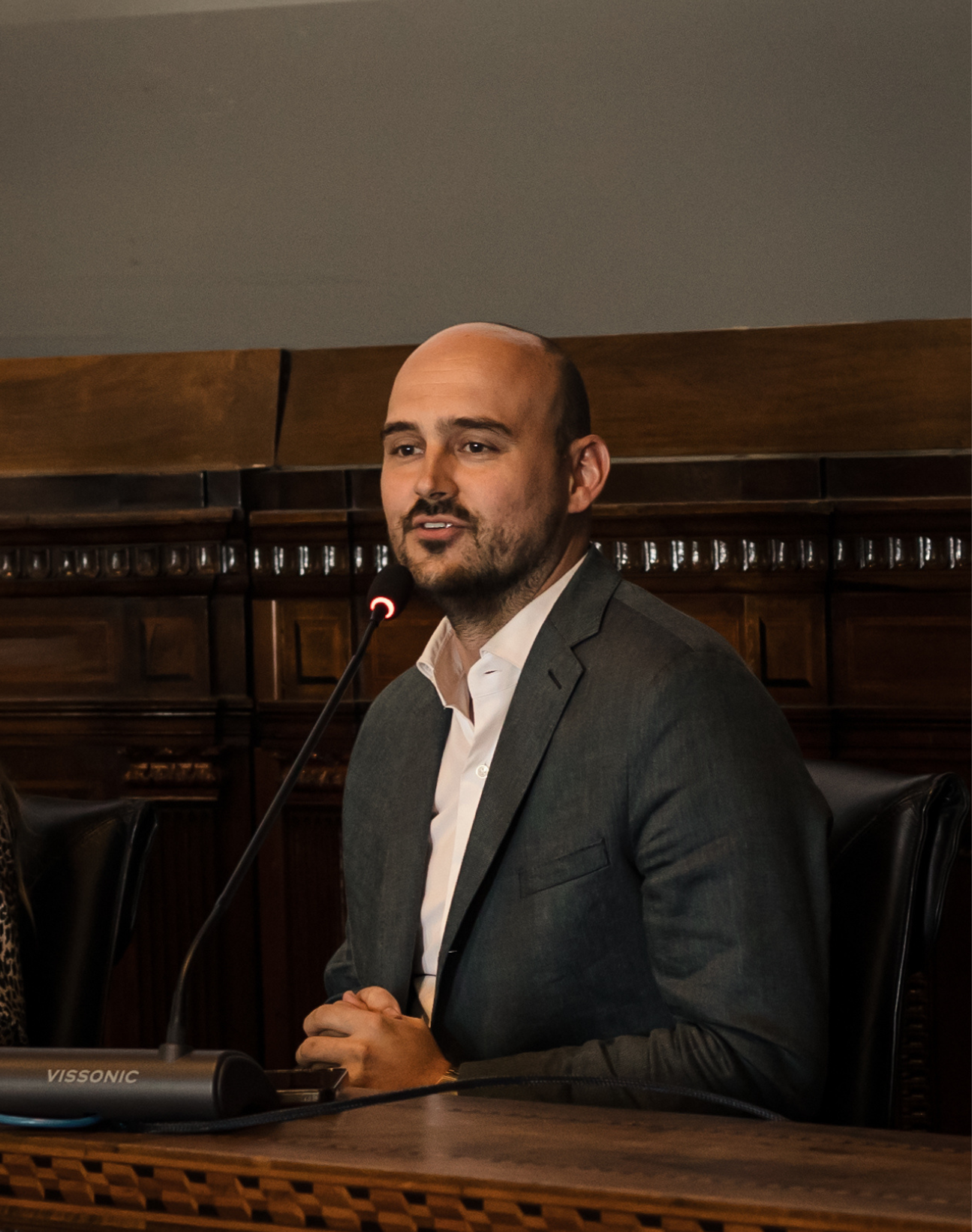
Left to right: Mathilde Chaumont (UPEC), Simon Westhoff (VU Amsterdam), Sören Daehn (Copenhagen Business School) and Simona Gibalová (Pavol Jozef Šafárik University in Košice)

The Aurora Annual Conference in Paris was both productive and dynamic. In addition to advancing shared goals, students enjoyed moments of connection, informal conversation, and laughter. After all, when students from different fields, ages, and countries come together around the same table: just imagine the conversations that can spark.

First-Ever Aurora Open a Smashing Success

The Aurora Open 2025 made its debut this year, bringing together volleyball, and international student community-building. Hosted by Universität Innsbruck (UIBK) in collaboration with the Universitäts-Sportinstitut Innsbruck (USI) and Palacký University Olomouc, the event marked the beginning of what will hopefully become a valued tradition within Aurora.

A Vibrant Start

Aurora students from across Europe came together in Innsbruck for an unforgettable combination of academic engagement, sport, and cultural exchange. The event began with a relaxed and welcoming evening by the lake, offering students the chance to connect informally before the official start.

The following morning featured interactive sessions at UIBK, featuring exchanges between the Aurora Student Council. The conference continued at the USI Sports Campus with a keynote lecture on Health & Well-Being: The Role of Sports & Mental Health, exploring the vital connection between physical activity and mental resilience in student life.

In the evening, participants joined the UIBK Summer Festival, a yearly celebration with live music, food trucks, games, and plenty of opportunities to meet, network, and enjoy the summer atmosphere.

   
Students from Aurora universities experienced formal and informal opportunities of learning and intercultural exchange

Sport, Collaboration, and International Spirit

On 27 and 28 June, the Aurora Open continued with two full days of Beach Volleyball Tournaments, offering an exciting and active component to the programme. Alongside the matches, students also took part in the Peer Learning Activity entitled Together We Learn, Together We Rise”, facilitated by the Aurora Student Council. The session highlighted Aurora’s philosophy of peer learning as a tool for international community building.

The tournament itself was designed to celebrate Aurora’s dedication to Health & Wellbeing and fosters teamwork and international engagement. Students competed with great spirit and sportsmanship, forming connections that extended well beyond the games.

The tournament featured teams from five Aurora universities:

Evenings were dedicated to the social programme, including a relaxed burger party where students and organizers came together to celebrate the end of the academic year, and the successful first edition of the Aurora Open.

Beach volleyball tournament continued over two days against the beautiful backdrop of the Tyrolian mountains.

And the Winners Are…

After two exciting days of competition under the intense Innsbruck sun, the beach volleyball tournament concluded. The final results showed the diversity of the Aurora student community, but above all emphasized the unifying power of sports.


Aurora Open beach volleyball competition players from Aurora universities

In the Women’s tournament, the results were as follows:

  • 1st Place: Czech it Out!, Palacký University Olomouc
  • 2nd Place: Jamonas, Universitat Rovira i Virgili
  • 3rd Place: Die Unselleriösen, Universität Innsbruck

In the Men’s tournament, the winners were:

  • 1st Place: Team URV, Universitat Rovira i Virgili
  • 2nd Place: JBG, Universität Innsbruck
  • 3rd Place: Bananenflanken, Universität Innsbruck

The level of play, and fair-play across all matches was truly impressive. Thanks and congratulations go out to all the teams for their commitment, energy, and collaboration throughout the event, which will hopefully be the first of many more Aurora sports events to come.

Aurora Summer School 2025 at UPEC Dives Deep Into Futures Literacy

From 2 to 13 June 2025, Université Paris-Est Créteil (UPEC) hosted the second edition of the “Emerging Futures” Summer School, designed and coordinated by Felipe Koch, Vice-Dean of AEI International School. As part of Aurora, the summer school brought together students from five partner universities to explore key topics for understanding, imagining, and transforming societies, when the future is anything but certain.


UPEC Summer School 2025 participants at the Certificate Award ceremony

A Summer School to Reflect on the Futures of A Changing World

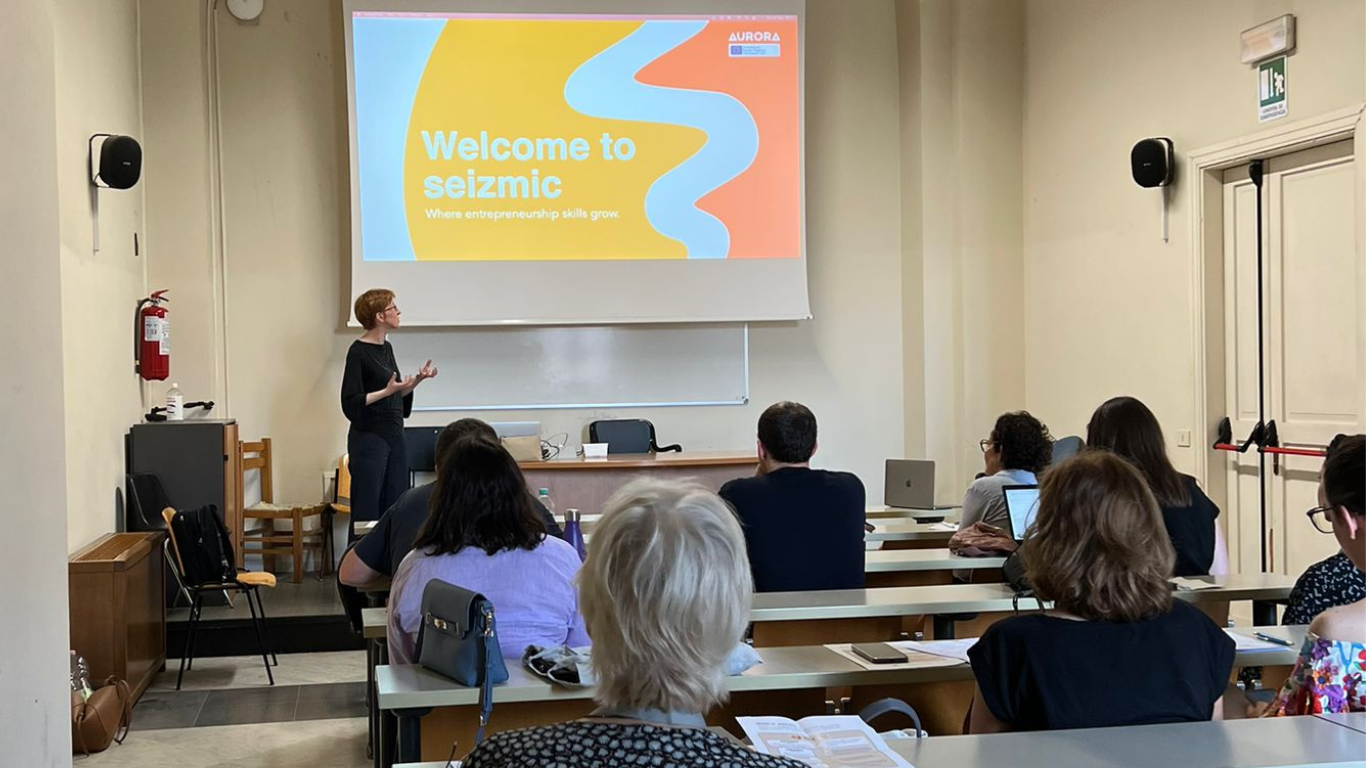
During the two-week summer school, students were invited to explore innovative approaches to anticipation, develop skills in Futures Literacy, and engage with tools applied in strategic foresight, systems thinking, and social innovation. In the first week, led by Professor Felipe Koch, students participated took part in the Futures Literacy Lab, an immersive experience that raised awareness of multiple temporalities and anticipatory biases. They explored forecasting techniques with Professor Philippe Frouté and were guided through a strategic foresight exercise by Anika Keils, a PhD candidate from the seizmic MSCA doctoral network.

The second week featured renowned international experts such as Riel Miller (former Head of Foresight at UNESCO), Fabio Scarano (ecologist and curator at the Museum of Tomorrow in Rio de Janeiro), Mayra Fonseca (University of Brasília), Ramon Rispoli (Università Federico II of Naples), and Rocco Scolozzi (University of Trento). They shared their complementary approaches to anticipatory systems and processes, regeneration, social technologies, speculative design, and systems thinking.

Taught entirely in English, the programme incorporated reflection on the United Nations Sustainable Development Goals, with the objective of linking global challenges with local dynamics and collective capacity for action.

Classroom sessions with group preparations and presentations on Futures Literacy

An International Conference Becoming A Landmark Event

The Summer School concluded with an international conference that has become a flagship event in the Aurora calendar. The theme, “Decision-Making under Deep Uncertainty”, created a bridge between academics, institutions, and civil society. The day brought together diverse stakeholders to discuss anticipation, governance, and knowledge in an uncertain world.

Three key perspectives structured the conference:

  • A conversation on pandemic management, hosted by Cecilia Gabizon, with Janet Diaz from the World Health Organisation (WHO), and Fernando Bozza from Fiocruz in Brazil;
  • Financial market resilience, with Olivier de Bandt from the Banque de France, Mohammed Chahad from the European Central Bank (ECB), Patrick Guézais from the Ecole Supérieure d’Assurances (ESA), and Thomas Houy from Télécom Paris;
  • Emerging knowledge for societal transitions, through a 100% female panel with Kwamou Feukeu from the Max Planck Institute, anthropologist Mayra Fonseca from the University of Brasília, futurist Julie Ezan-Zecca from Eranos consulting firm, and Apoorva Arya from the Circular Innovation Lab.

Landmark international conference on “Decision-Making under Deep Uncertainty”

Highlight moments also included:

  • The opening lecture by Riel Miller on Futures Literacy and the diversity of anticipation regimes;
  • A powerful talk by sociologist Stéphane Hugon on the need to reinvent consulting practices in an unstable world;
  • The certificate award ceremony for students from Iceland, The Netherlands, Germany, Spain, Denmark, Italy, Colombia, Brazil, and France.

An Academic, Intercultural and Human Experience

Building memorable connections at the Emerging Futures Summer School 2025

Beyond theoretical learning, this summer school offered a truly intercultural exchange and a vibrant collective experience, strengthening the sense of belonging to an engaged academic community. The intensive and collaborative format fostered lasting connections among students and instructors, in a spirit of experimentation, listening, and dialogue.

This momentum, also supported by the ERASME programme of UPEC, aligns fully with the strategic vision of our institutions, reaffirming our commitment to an open, inclusive university focused on Europe and the future.

Challenges in Europe: Student Conference at the Vrije Universiteit Amsterdam

Organised within the activities related to Aurora educational hub Cultures: Identities and Diversities, this third edition of the course on Challenges in Europe culminated with a Student Conference from 4 to 6 June 2025 at the Vrije Universiteit Amsterdam.

Challenges in Europe is one of the two courses that make up Understanding Europe, a joint educational programme offered within Aurora. This year, it was realised in cooperation with the University of Duisburg-Essen (UDE) and the Università Federico II of Naples (UNINA), and was highly appreciated by participating students.

Instructors, staff and students in the Challenges in Europe course at Vrije Universiteit Amsterdam

Addressing European Issues Through Challenges in Europe

The main objective of the Challenges in Europe activities was to present and have students address some of the most relevant challenges that Europe is facing and will face in the near future. To meet this objective, the course is subdivided into two tracks on Sustainable Tourism instructed by UDE, and Imag(-ing) Cities instructed by UNINA. The course started on 14 April 2025 with an introductory lecture on the general objectives of the course and specific thematic in-depth studies. It further included a didactic phase consisting of 6 online lectures, and concluded with in-person activities organised from 4 to 6 June 2025.

To this end, students had the opportunity to choose a track related to a specific United Nations Sustainable Development Goal (SDG), with a focus on SDG 11. Sustainable Cities and Communities and SDG 12. Responsible Consumption and Production. They were then able to delve deeper into the topic and analyse diverse case studies of contributions from different disciplines.

In total, the course had 7 instructors, with two coming from UDE (Florian Freitag and Zohra Hassan-Pieper) and 5 from UNINA (Francesca Scamardella, Benedetta Toledo, Giovan Giuseppe Monti, Francesco Casalbordino, Maria Fierro). 12 students from five Aurora universities UDE, UNINA, Universität Innsbruck, Université Paris-Est Créteil (UPEC) and Vrije Universiteit Amsterdam, attended the course.

Presentation on the Imag(-ing) Cities track instructed by UNINA
Students from Aurora universities attended Challenges in Europe course held at Vrije Universiteit Amsterdam


Diversity In Learning Approaches

Under the supervision of the instructors, students first developed their own research projects on their chosen topics. Then, they carried out a workshop activity with the aim of working together by sharing new approaches and methodologies across the diverse topics. The combination of support from Aurora universities, lecturers and the active participation of students ensured that the course resulted in high-level training, knowledge acquisition, and growth in personal development. The course was also an important moment of international networking, where multicultural and transdisciplinary approaches allowed critical, unprecedented and stimulating perspectives to be opened up for the challenges ahead.


Launch of EURIDICE’s European Joint Master DIGISOC – Digital Society, Social Innovation, Global Citizenship

We are excited to announce the new European Joint Master DIGISOC – Digital Society, Social Innovation, Global Citizenship. Offered as part of the EURIDICE Project, DIGISOC is a pioneering study programme born within the European university alliance Aurora. Its graduates will be jointly awarded the Degree in Digital Society, Social Innovation and Global Citizenship from three Aurora universities: Università Federico II of Naples (Italy), Universität Innsbruck (Austria), and Palacký University Olomouc (CzechRepublic)

The programme is designed to train a new generation of highly qualified socio-digital innovators capable of leading and managing digital transformation processes in diverse societal contexts. Students will learn how to develop, prototype, and promote digital solutions that are not only technologically sound but also ethically grounded and socially impactful. 

About DIGISOC

The programme consists of 120 ECTS credits, culminating in the writing of a Master’s thesis. It incorporates compulsory and elective modules, short-term mobility phases (Summer Schools), provisions for individual learning paths, Internships and Service Learning, respecting the needs and interests of a diverse European student body. DIGISOC is taught in English and mostly delivered in an hybrid mode.

With DIGISOC, students benefit from:

  • an excellence-oriented, research-based and highly interdisciplinary teaching program
  • a diverse learning environment, innovative teaching methods, and international mobility
  • a joint transnational education, resulting in a joint degree and joint micro-credentials (for all learning activities, including the elective courses attended at Associated Universities)
  • a hybrid, seamless, collaborative and challenge-based educational environment
  • Interdisciplinary Education

A unique feature of DIGISOC is its Collaboratorium for Blended International Hybrid Learning, a new educational concept which combines onsite in-person interaction and collaboration, scaling possibilities of online teaching and student collaboration.

DIGISOC Application Process

The DIGISOC Call for Application is open until 20 June 2025

Candidates have to fill and send in relevant information through the DIGISOC Application Form. For study year 2025-2026, there will be a maximum of 90 students admitted to DIGISOC, evenly divided over the three universities (30 students per university).

Read the important details to know about the Call for Application.

APPLY NOW

For more information, go to: Joint Master DIGISOC.
For any queries, contact: euridice@unina.it

Planting the Seeds for the Education of Tomorrow: Looking Back at the Aurora Annual Conference 2025

From May 19 to 22, 2025, the Université Paris-Est Créteil (UPEC) hosted the Aurora Annual Conference 2025, bringing together thought leaders, experts, academics, staff, and students from Aurora universities and beyond. The event fostered dynamic exchanges around education, research and innovation, sustainability, and societal impact.

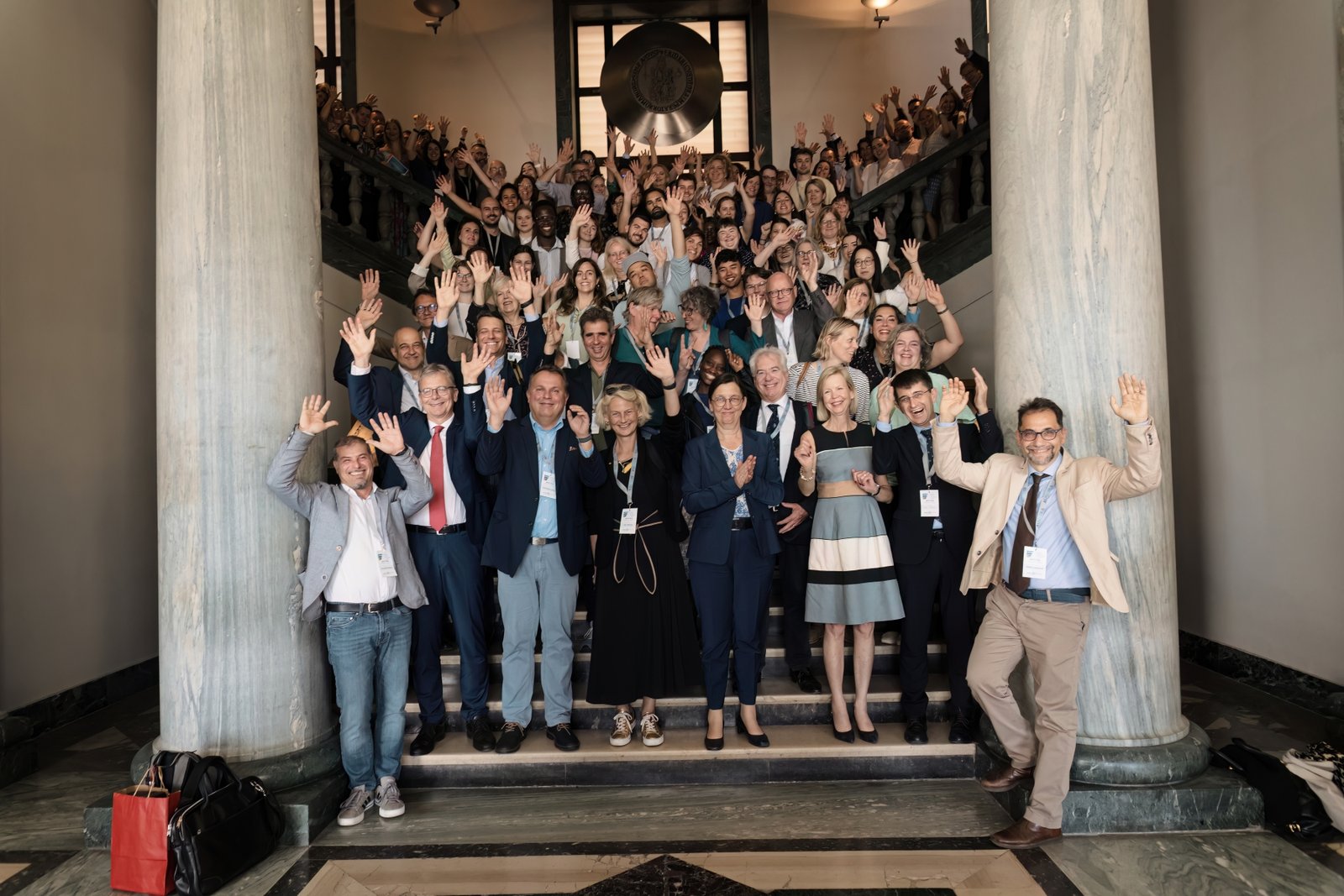
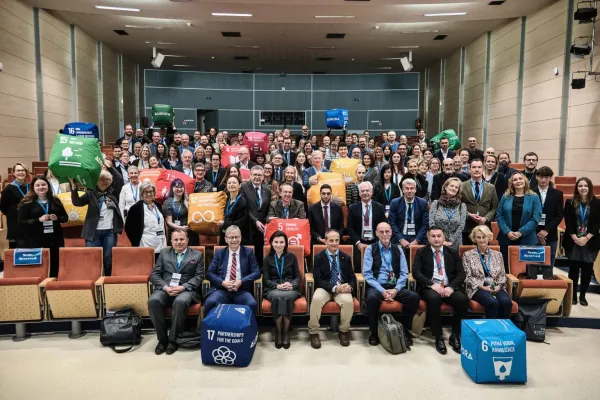
Aurora Annual Conference 2025 attendees from Aurora universities across Europe
© Ciprian Olteanu

The conference began with an opening ceremony at the historic Amphithéâtre Liard in La Sorbonne, with welcome remarks by Prof. Martin Schwell, Vice-president European Affairs and Aurora Institutional Coordinator at UPEC. The President of UPEC Prof. Jean-Luc Dubois-Randé gave a resounding opening address. He highlighted the essential role of European universities like Aurora in preserving and enriching knowledge through new forms of European integration, such as the creation of joint degrees and intercultural experiences.

“Aurora’s commitment to, and impact on, society and the environment, are powerful vectors for the creation and sharing of knowledge and, by extension, for profound transformation,” said Prof. Jean-Luc Dubois-Randé.

Prof. Jean-Luc Dubois-Randé, President of Université Paris-Est Créteil (UPEC) addresses a full house at La Sorbonne, Paris
© Ciprian Olteanu

In his opening speech, Dr. Ramon Puras, Aurora Secretary General, added that the transformative power of Aurora also lies in its ability to harness strong collaboration and harmonise systems across its member universities.

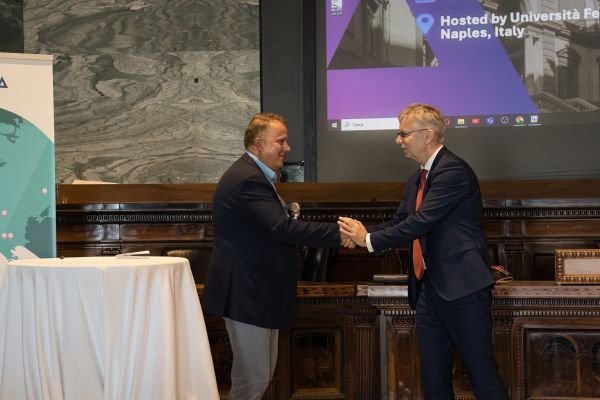
One of the major highlights of the Aurora Annual Conference was the ceremonial handover of the Aurora presidency. Through a symbolic “passing of the baton” from Prof. Martin Procházka of Palacký University Olomouc to Prof. Veronika Sexl of Universität Innsbruck, this change in leadership marks a new chapter for Aurora and its universities.

Nurturing deeper academic reflections, Nobel Laureate Elizabeth Blackburn delivered a fascinating keynote address on her groundbreaking discoveries in the field of cellular biology, which have had profound implications for aging, cancer research, and cellular biology.

Aurora Presidency ceremonial handover from Prof. Martin Procházka to Prof. Veronika Sexl. © Ciprian Olteanu
High-level talk by Nobel laureate Elizabeth Blackburn.© Ciprian Olteanu

European Universities for Research, Education, Students’ Rights and Sustainability

Throughout the week, the conference featured engaging plenary sessions on a range of topics from the future of the European Universities Initiative and building scientific communities in Aurora, to students’ rights and representation. 

Next to the plenary programme, the Aurora Annual Conference featured many additional workshops, strategy sessions, and task team meetings throughout the week. These gatherings enabled further cooperation and progress on topics in Aurora relating to research support network, educational hubs, international mobility, and citizen science.

Beyond the formal sessions, there was also ample space for networking, culminating with the Gala dinner and reception at the stunning Musée national de l’histoire de l’immigration, and its aquarium in Palais de la Porte Dorée, Paris. During the dinner, two prominent Aurora events took place: the seizmic Awards 2024 ceremony, featuring winners Team thisAbility from Copenhagen Business School (CBS) and runners-up Team Synergy Hydrogen Solutions from Vrije Universiteit Amsterdam. The second event was the 3MT competition pitches by winners Stéphanie Chedid and Juliette Direur from UPEC.

Aurora Sustainability Summit 2025 plenary session. © Ciprian Olteanu
Full house at the Aurora Annual Conference 2025. © Ciprian Olteanu
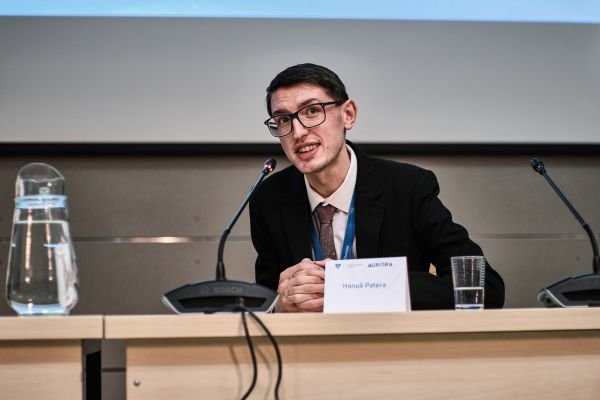
Left to right: Simona Gibalová, Sören Daehn, Mathilde Chaumont, Hanuš Patera and Simon Westhoff. © Ciprian Olteanu
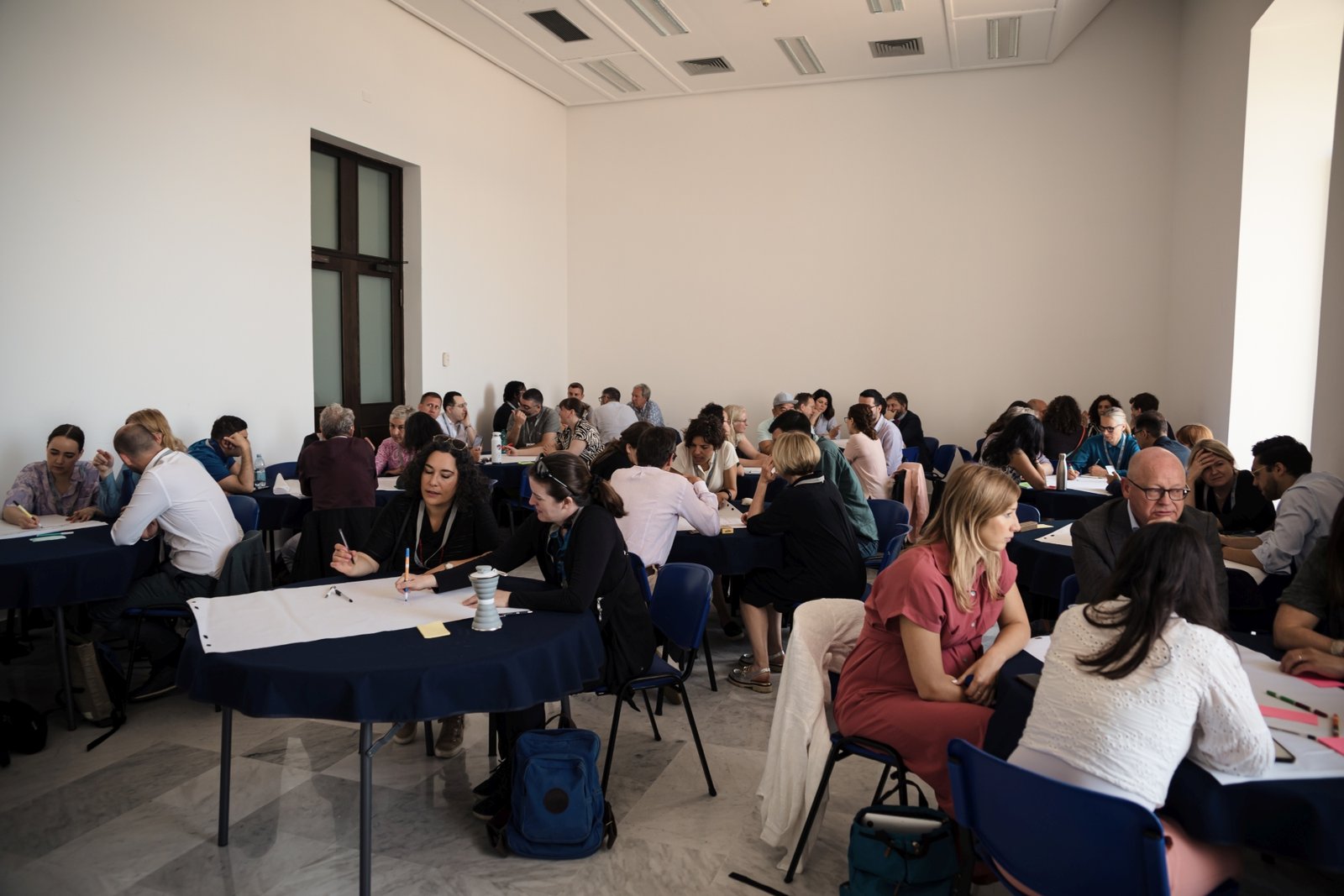
Small group discussions in the courtyard during the Aurora Annual Conference 2025. © Ciprian Olteanu

The three-day conference also saw the rise of the first-ever Aurora Sustainability Summit. The summit spotlighted Aurora’s impressive achievements in developing best practices for sustainable campuses. Furthermore, it brought to light the challenges ahead in the creation of greener, more sustainable universities. The summit featured plenary sessions, followed by interactive workshops exploring key themes such as futures literacy, climate action, and biodiversity. 

The Aurora Annual Conference 2025 served as a window into Aurora’s progress thus far. It provided an insight into its ever-growing community as actors of change planting the seed to shape a more inclusive, greener, and sustainable European higher education landscape.

Governing Urban Metabolism Spring Workshop at UNINA

From April 7 to 11, Anna Attademo and Marina Rigillo from the Department of Architecture, DiARC at Università Federico II of Naples (UNINA) hosted the second edition of the “Governing Urban Metabolism” Spring Workshop.

The event brought together students from the Bachelor Degree programme in Sustainable Development and Territorial Networks at UNINA, and participants from Aurora partner universities, including the Universität Innsbruck, Vrije Universiteit Amsterdam, the University of Iceland, and Palacký University Olomouc.

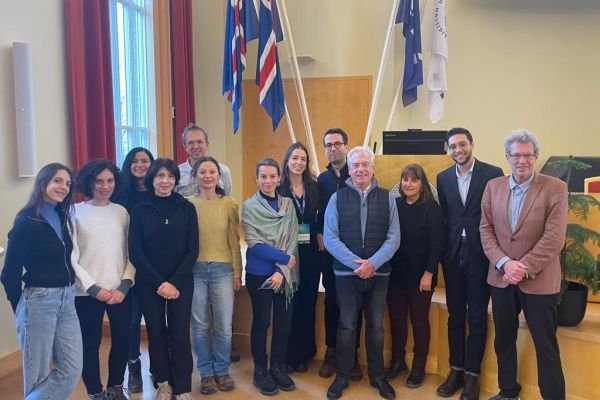
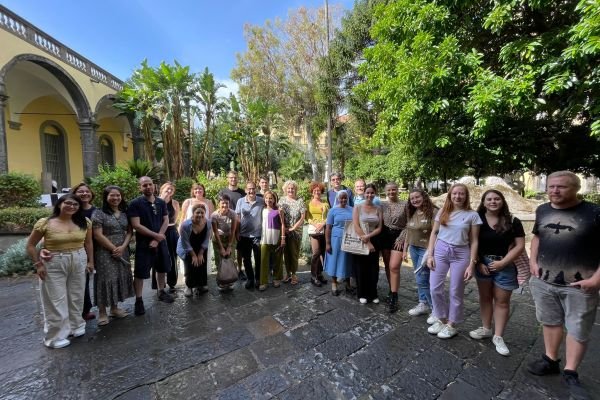
Facilitators and participants of the Governing Urban Metabolism spring workshop at Università Federico II of Naples

Held in-person at the Department of Architecture (DiARC) at UNINA, the workshop was preceded by two online preparatory sessions. The overarching aim was to equip students with the skills needed to turn waste management challenges into opportunities for urban regeneration. The programme focused on designing circular supply chains that enhance and preserve the value of spatial and material resources, aligning with strategies outlined by the European Union.

Addressing Urban Challenges Through Sustainable Solutions

Throughout the week, students co-designed and tested circular solutions for the neighborhood of San Giovanni a Teduccio, a densely populated district on the eastern edge of Naples. During a dedicated field trip, they explored the area and engaged with local stakeholders and community initiatives such as the NEST Theatre and San Carlo Officine.

In-person classroom sessions and field trips during the Governing Urban Metabolism spring workshop

The recently inaugurated Transitional Lab Research Centre (DiARC, UNINA) served as the main venue for the five-day workshop. The final session took place at Palazzo Gravina in the form of a public jury, where local stakeholders and representatives from ASIA Spa, the Neapolitan waste management company, evaluated the students’ work, presented as both digital and printed fanzines.

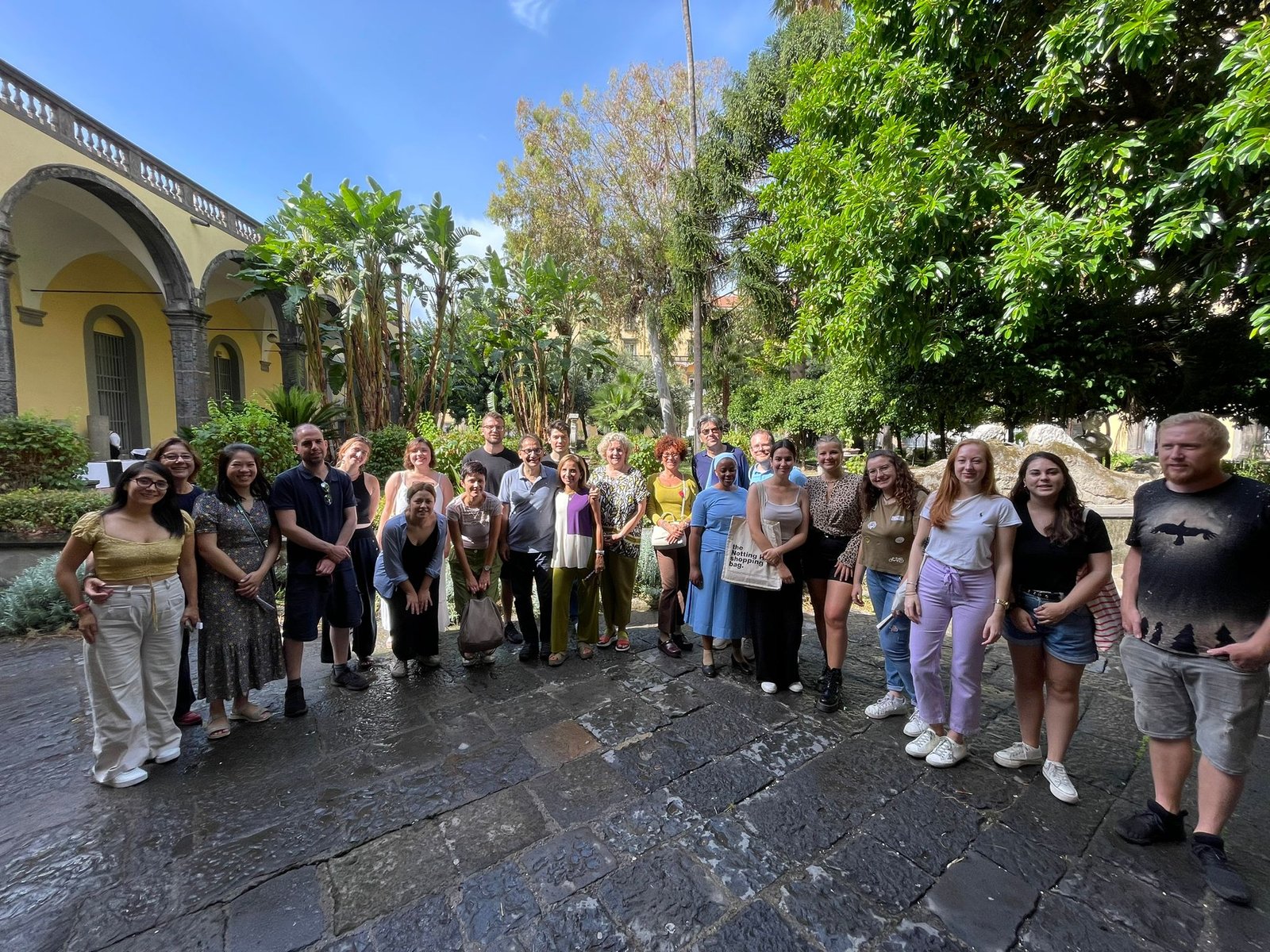
The workshop concluded with a closing aperitif in the stunning cloister of Palazzo Gravina, offered by the Lazzarelle Cooperative, providing a warm farewell to the international participants by their Neapolitan peers and researchers.

Exploring Aurora Students’ Values with the BEVI Test 

Aurora Student Ambassador Ari Ljunggren, a student at Copenhagen Business School and a participant in the Aurora Student Conference held at Palacký University Olomouc, shares his experience with the BEVI (Beliefs, Events, and Values Inventory) test, a key part of the conference aimed at fostering deeper self-awareness and intercultural understanding among students. Through his lens, we gain insight into the value of the BEVI as both a tool for individual reflection and a catalyst for meaningful dialogue within the Aurora student community. 

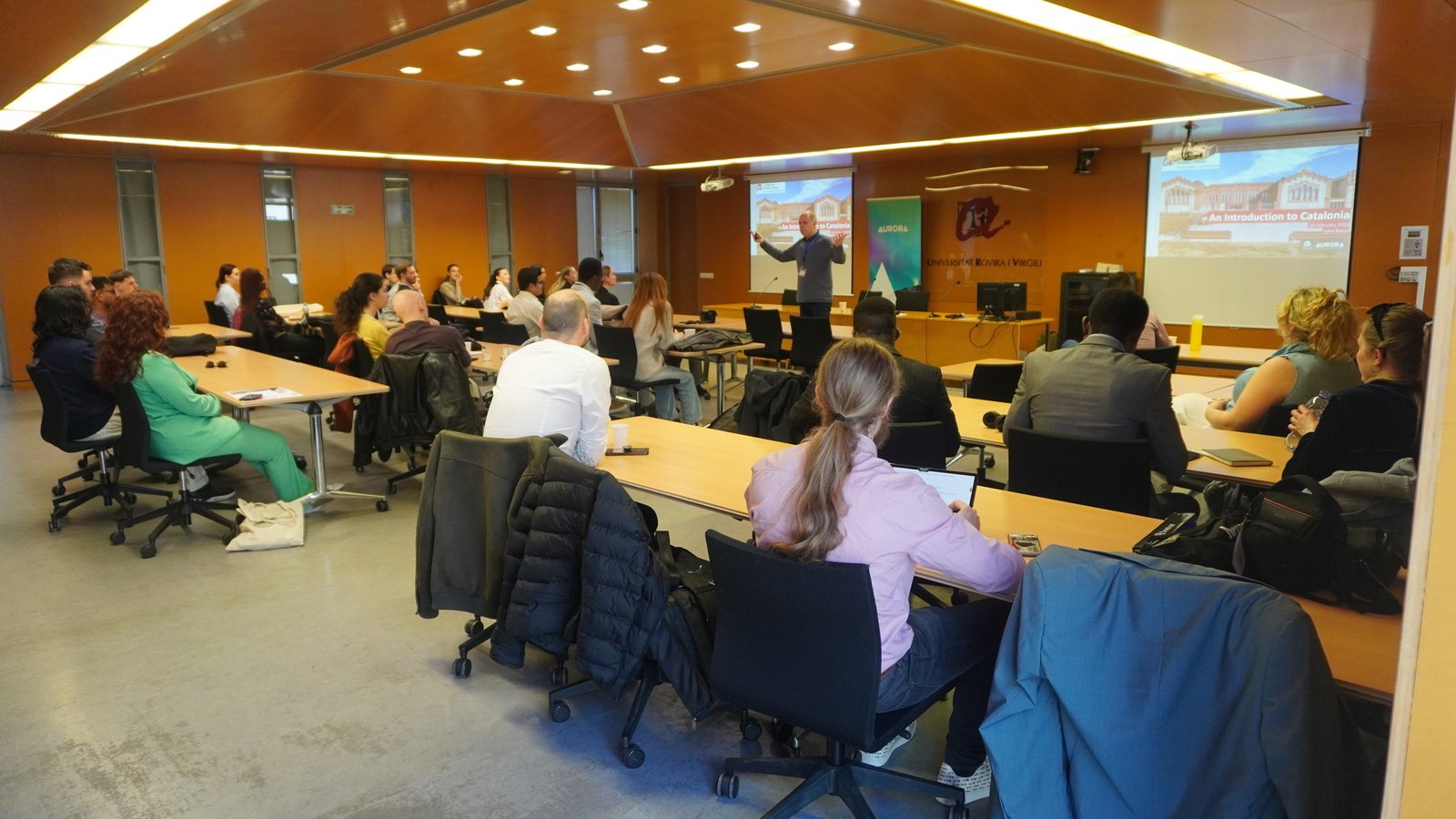
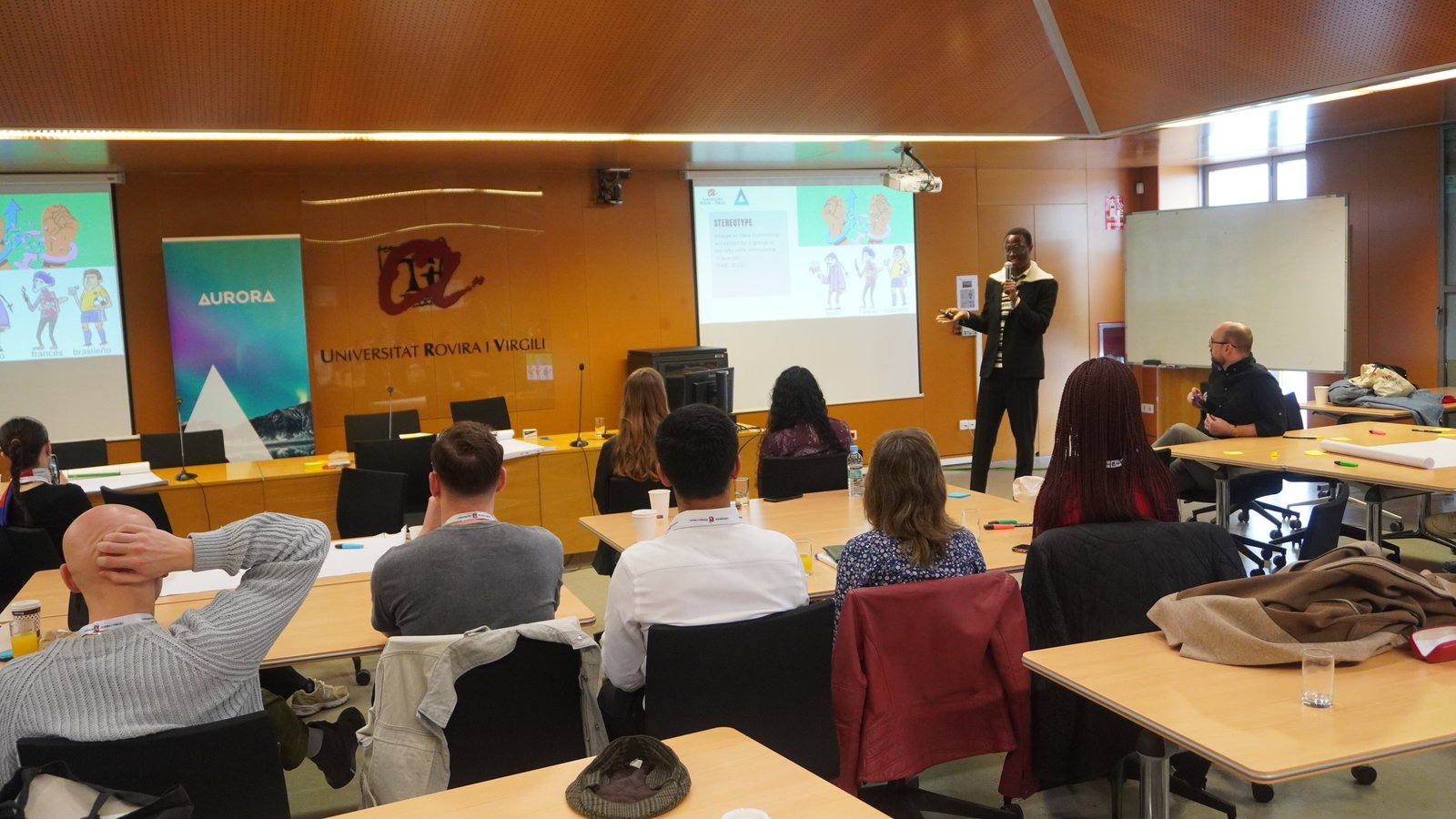
One of the most memorable highlights from our recent Aurora Student Conference at Palacký University Olomouc was taking the BEVI test. Introduced to us by professor John Style from Universitat Rovira i Virgili (URV), the BEVI is a 185-question assessment designed to get at the core of who we are: our values, our sense of identity, and how life experiences shape our worldview. After completing the test, each participant receives a personal report offering insights into how they think and feel, a unique opportunity for self-reflection that we don’t often get in everyday life. 

What Exactly Is the BEVI? 

The BEVI is rooted in the idea that our upbringing, cultural background, and personal experiences profoundly influence how we view the world. It presents a wide range of statements, on everything from daily habits to broader societal issues, and asks you to agree or disagree, with no middle option. That alone can feel a bit uncomfortable, but it forces you to confront what you really believe, rather than what you might wish you believed.  By capturing your responses on topics like environmentalism, relationships, core needs, and global engagement, the BEVI paints a picture of your inner self. In a diverse group like ours, this offered a rare glimpse into how similar (or different) our core values truly are. 

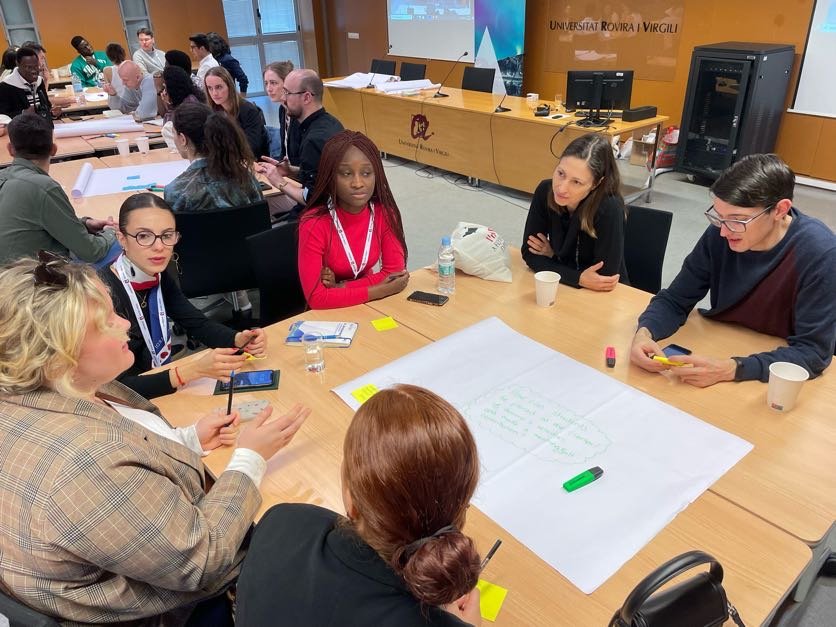
Reflections from Aurora students during the BEVI workshop at the Aurora Student Conference in Olomouc

Taking the Test and Getting the Results 

On the first day, we spent about 40 minutes quietly clicking through the questions on our devices. Some were straightforward, about personal responsibility or self-perception, while others touched on more sensitive areas like religion, gender roles, or how we handle ambiguity and change. We then carried on with our day, curious to hear about the group outcomes, which we learnt about the following afternoon. Equipped with the data, Professor Style led the discussion on the group findings.  

Many participants reported moderate levels of negative life events, combined with relatively high scores on fulfilling core emotional needs. This suggests that even those who had faced adversity typically felt well-supported overall. When it came to identity diffusion, the results were spread evenly across the group. Some students felt a strong sense of self, while others expressed more uncertainty or a flexible approach to their identity. 

A common trend also emerged in the area of openness versus certitude. As a group, we scored high on sociocultural openness and ecological resonance, but lower on self-certitude and absolutist beliefs. This indicated a general tendency toward exploration and adaptation, rather than holding rigid personal convictions. 

In terms of gender and religious traditionalism, the results varied widely. Some participants expressed very non-traditional beliefs, while others embraced more traditional frameworks. This diversity of perspectives led to some of the most eye-opening discussions we had during the conference. 

Lastly, a substantial number of participants scored very high on the “meaning quest” dimension. It became clear that many of us are driven by a desire to ask “Why?” – whether about big-picture issues or everyday experiences—reflecting an intrinsic motivation among Aurora students to seek deeper understanding. 

Aurora students taking the BEVI test

Reflections from the Group 

Hearing one another’s thoughts on the BEVI results added another layer of depth to the experience. Here’s what a few fellow Aurora students had to say:

Mathilde (Université Paris-Est Créteil):For me BEVI is at this time a fundamental tool that should be used way more often. Even more for assessing how an exchange can impact students’ perception of life in general and how their critical thinking has changed during this experience.”  

Warren (Vrije Universiteit Amsterdam): “The BEVI test was an interesting test because it was able to look at one’s life experiences and formulate a pretty accurate representation of outlooks on general categories using otherwise random questions. While I had some questions with the final reflection, I would say, overall, it is a great start to really analyse certain dynamics when it comes to self reflection on various adverse exposures throughout one’s life.”

Marlis (Universität Innsbruck):Taking the BEVI test during the Aurora Student Conference was an insightful experience, as it made me reflect on where I hold strong opinions and where I am more neutral, revealing personal tendencies I hadn’t fully recognized before. More importantly, it highlighted that even in an international and highly educated setting, traditional gender norms still persist among many participants, emphasizing the chance for universities to educate students and staff, to foster an environment where everyone feels free to be themselves rather than conforming to traditional stereotypes—making the test a powerful tool to spark meaningful conversations that might not have happened otherwise.” 

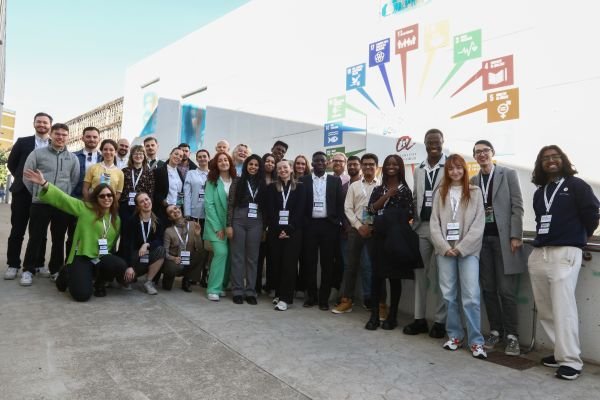
Aurora Student Council members and Aurora Student Ambassadors

My Personal Take 

Reading my own BEVI summary felt validating. It confirmed that I’ve typically felt well-supported in personal growth, and that I’m comfortable taking a balanced stance on complex topics. What stood out most was my high emphasis on the “meaning quest,” factor, aligning with my tendency to ask “Why?” about just about everything. This conference, and the BEVI exercise, underscored that university is meant to expand our worldview, and sometimes that starts with recognizing our current beliefs. 

Aurora thrives on bringing students together across Europe to address real-world problems. The BEVI test aligned well with that mission by highlighting how our backgrounds and values shape our approaches to collaboration. Recognising why we differ, or why we agree, can foster more empathetic discussions and richer collective insights. By the end of the session, I felt an even deeper appreciation for our group’s complexity and for Aurora’s open-minded environment. The BEVI didn’t just confirm we’re all unique; it hinted at how we came to be that way, which is exactly the sort of self-awareness that fuels cross-cultural cooperation. 

I’m looking forward to seeing how these insights shape our next Aurora projects, workshops, and day-to-day conversations. After all, truly knowing ourselves and one another is what transforms international experiences from interesting to life-changing. And if there’s one lasting lesson from the BEVI session, it’s that understanding our differences is the first step toward finding common ground. 

A Conversation with Rina Alluri: Peace and Peacebuilding In An Era of Global Incertitude

During the Aurora International Peace Conference 2025 hosted by Universität Innsbruck, academic and researcher Rina Alluri unpacked the meaning of peace and peacebuilding in today’s global context. She further showcased how higher education institutions can play a significant role in writing the narrative in promoting the culture of peace through educational initiatives, activities and policies.

This conversation was led by Niels Hexspoor, Aurora Sustainability and Impact Leader at Palacký University Olomouc and Lead for Aurora 2030 Work Package 7 (WP7) Capacity Building and Community Engagement. He interviewed Rina Alluri, Assistant Professor in Peace and Conflict Studies at the Universität Innsbruck, and UNESCO Chair for Peace Studies. She was also part of the organising committee for the Aurora International Peace Conference 2025, an event coordinated under the Aurora Karazin University Peace Education Hub.

Setting the Stage: The Meaning of Peace

Niels: We are here today at the Aurora International Peace Conference on “The Role Of Higher Education And Peace Building” hosted by the University of Innsbruck as part of the Aurora Karazin University Peace Education Hub. Peace is a very loaded and concurrent topic. Could you give some examples of the meaning of peace, especially in the context of today’s world?

Rina:  We often think that peace is a sort of this end goal, a destination, this utopian place that we are all supposed to be somewhat striving for, or moving towards. While I do believe that there is something to strive for and move towards, we need to understand peace and peacebuilding as an ongoing lifelong learning process. As individuals, but also as societies, institutions, universities, we must think about how we’re building different forms of peace everyday.

Unfortunately, we are living in turbulent times. I try not to be a pessimist, but we need to be aware of the different realities: at the moment, there are a number of countries, contexts, and communities around the world that are facing threat, risks, insecurity, and that are fearful for their everyday lives.

So when we look at peace and peacebuilding, it’s a matter of acknowledging the reality of war, conflict, genocide, mass atrocities, and humanitarian crises, but also always keeping in mind the opportunities for building everyday forms of peace.

The Role of Higher Education in Peacebuilding

Niels: How do you think universities in higher education institutions, such as those within Aurora, play a role in creating academics and students that can positively contribute to raising this awareness and this sense of peacebuilding?

Rina: There’s an element of also being aware of the possible negative role that education has played historically in some cases. This is something that I feel is very important when we speak about our students. I co-lead a Master’s programme in Peace and Conflict Studies. Although I’m not a historian, I’m a political scientist, and I think that political histories are important to be aware of. In order to find ways for universities to contribute to peace and peacebuilding, we must also be aware of how they have contributed to conflict, and how often education has been part of colonisation, imperialism, et cetera.

Finding the way for universities is also being very aware of the potential of education, how it can be used as a tool – and is being used as a tool in some contexts today – for oppression, manipulation, indoctrination, erasure, and revisionist policies and approaches. When we begin from that starting point of how education and universities have been used as negative tools, and we come into the conversation with that absolute clear awareness, we can then begin to consider the potential opportunities.

We see examples of this all around the world. For little girls in Afghanistan and Pakistan historically, education has been a tool for resistance. We see in the cases of higher education institutions that offer scholarships to students from the global south and conflict-affected context in the global north, how these opportunities would only exist through scholarships and educational spaces.

We can also see today, being together in a conference that gathers scholars, activists, practitioners, students, to talk about the role of higher education and peace building. Through this contact and meeting with each other, we speak a common language of cooperation, community, and how to find ways to work together. Developing peace hubs, Erasmus exchanges in the context of Europe, but also being aware of the challenges that students and scholars at risk face around the world and trying to identify ways to support each other through it.

Full house at the Aurora International Peace Conference 2025 for the plenary session on “Universities’ Peacebuilding Practices and Knowledge Diplomacy”

The Transformative Power of Education

Niels: You’d mentioned some of the more practical ways that were touched upon in this conference and, ways in which universities can use this transformative power for good rather than for bad. Could you perhaps give some concrete and practical examples to how this can translate to everyday life?

Rina: As I mentioned, I co-lead a Master’s programme in Peace and Conflict Studies. One of the challenges that we often face is students from conflict-affected contexts or from global south contexts, look to opportunities for education.

Here we need to be better. We need to be better at ensuring that not only are we offering scholarships for students to come here, but also how we are supporting them once they are here. How are we ensuring that they have – from a technical level – access to visas, housing, communities? How are we offering a sense of belonging?

Peacebuilding is that step: how are we offering spaces of belonging that people are not just studying in a room together or in a big institution, but that they are also having meaningful – sometimes difficult – conversations, and allowing those conversations to be had.

In the last few days, we’ve been inspired with some incredible keynote speakers. One of them spoke about bringing ourselves into the classroom. As an educator and professor, we have a responsibility to bring ourselves into the classroom. So not just expecting students to show up, with vulnerability, ideas, and questions, but also ourselves to show up with vulnerability, ideas, and questions. For us to be aware of, and aim to, dismantle power hierarchies that exist between students and professors.

We should also question our pedagogy. We speak of all different types of pedagogy, whether it’s decolonial, intersectional, anti-racist, democratic, civil-centered, global citizenship, student-focused, et cetera. All these pedagogies are great on paper, but how are we actually bringing them into the classroom and ensuring that classroom spaces can enter into dialogue with one another?

That’s just a classroom space, which is one option, but another is through meaningful exchanges. Aurora universities, and peace hub platforms, offer such exchange between students. I don’t want to diminish contact theory here, as I believe the opportunity for students to meet each other, to meet people who might actually have different backgrounds, opinions, perspectives, to allow for that pluriversal conversation, is really crucial.

Keynote speakers, from left to right: Ian Manzi, Beatrix Austin, Madeleine Rees, Frank Geary, Marko Lehti, Oleksandra Matviichuk, Savo Heleta and Norbert Koppensteiner

Adapting Knowledge Development for Sustainable Peace

Niels: You mentioned bringing oneself into the classroom, both from the perspectives of an educator and a student. Could you elaborate on what that could look like, for example, in relation to the different layers of interaction and lasting impact of peace and conflict?

Rina: One of the biggest challenges that we face in knowledge creation, knowledge development and knowledge extraction at the moment, is that very often we still fall back into that idea that knowledge is supposed to be rational. That it’s supposed to be neutral, void of voice, and void of identity.

While that may be relevant, particularly in certain disciplines, that may also require a certain type of neutrality from a technical point of view. In the social sciences and the humanities, and peace and conflict studies, we cannot pretend that this is the case. If we are engaging in conflicts – whether these might happen at a personal, internal, interpersonal or relational level, but also exposure to actual, armed conflicts and war zones – we can’t pretend that our own identities and ideas are not also entering into that space.

I’ll give you a very concrete example. I’ve been doing my PhD in postdoc research in, and on, Sri Lanka and post-war Sri Lanka, in the immediate place. As a researcher being also from the Asian continent, I have to be aware of how, if I step into a room – in the case of Sri Lanka – how that has relational impact. My identity as an Asian, but also as a woman, as someone who has been raised in the global north and the global south, has an impact on how I’m allowed to ask questions, if I even get an interview at all, and how that person responds to those questions.

We often think that, we can just create a semi-structured interview guide: you email someone, you have an interview, you ask questions, you leave, you analyse your data, you write your academic research. When we’re working in conflict-affected context, when we’re dealing with also vulnerable realities, trauma, we have to be so sensitive to how those interactions actually work, and how access to persons and stories, are also so vulnerable to change.

This is one of the aspects I want to bring in here. As researchers, pedagogues, and educators, we need to be aware of how who we are does have an impact, even if we don’t want it to, even if we would hope that someone enters a room and is neutral of identity, race, gender, class, cast, et cetera, it’s very often not the case.

So this is, for me, an invitation. An invitation to be aware of who we are and how we affect those around us. How that influences how we ask questions, how we engage in conversation, but also how we practice peace.

If we’re not aware of that reality and we assume neutrality and rationality, then we’re also not aware of the impact that that may have on persons that we’re engaging with.

This conversation is part of a series called “A Conversation With…” undertaken within the framework of the Aurora 2030 programme supported by the European Commission. It is an interview format that focuses on a specific topic and is meant to inspire its readers to reflect on and catalyse positive impact. The exchange is available in its original format on the Aurora YouTube channel.