
Day 1 | Monday, 19 May 2025
| Time (CET) | Sessions |
| 17:00 – 19:00 |
Opening ceremony – Amphithéâtre Liard, La Sorbonne (UPON INVITATION) Opening speeches
Handover of Aurora Presidency
High-level talk Cocktail |
| 20:00 – 23:00 | Presidents’ Dinner (CLOSED SESSION) |
Day 2 | Tuesday, 20 May 2025
| Time (CET) | Sessions |
| 8:15 – 9:00 | Welcome & Registration – Building A |
| 9:00 – 10:30 |
Plenary session 1 – Auditorium A1 Opening speeches
Keynote speeches
European Universities: Past, Present and Future
|
| 10:30 – 11:00 | Coffee Break |
| 11:00 – 12:30 |
Plenary session 2 – Building B Aurora Achievements Poster Session |
| 12:45 – 14:00 | Lunch Break |
| 14:00 – 16:00 |
Parallel sessions – Building A Presidents’ Strategy Meeting (CLOSED SESSION) Workshops / Work Package & Task Team Meetings |
| 16:00 – 17:00 |
Parallel sessions – Building A General Council Meeting (CLOSED SESSION) Coffee break – networking – poster session |
| 20:00 – |
Joint Dinner (CLOSED SESSION) |
Day 3 | Wednesday, 21 May 2025
| Time (CET) | Sessions |
| 8:30 – 9:00 | Welcome & Coffee – Building A |
| 9:00 – 10:30 |
Plenary session 3 – Auditorium A1 Opening Speech Building Scientific Communities in Aurora
|
| 10:30 – 11:00 | Coffee Break |
| 11:00 – 12:30 |
Plenary session 4 – Auditorium A1 Empowering Voices: Advocating for Students’ Rights Across Europe
Moderator: Hanuš Patera, former ASC President and student staff at CBS |
| 12:30 – 14:00 | Lunch Break |
| 13:30 – 17:30 |
Parallel sessions – Building A VRE Meeting (CLOSED SESSION) Workshops / Work Package & Task Team Meetings VRR Meeting (CLOSED SESSION) Joint VRE & VRR Meeting (CLOSED SESSION) Coffee Break Executive Committee Meeting (CLOSED SESSION) |
| 19:30 – |
Aurora Gala Dinner |
Day 4 | Thursday, 22 May 2025
| Time (CET) | Sessions |
| 8:30 – 9:00 | Welcome & Coffee – Building A |
| 9:00 – 12:00 |
Aurora Sustainability Summit 2025 – Auditorium A1 Part 1: Welcome & Setting the Stage
Aurora Sustainability Survey Part 2: Making the Case for Sustainability – Good Practices from Aurora International and Interdisciplinary Community Service Learning for Sustainability Re-thinking Food Systems in the Anthropocene: An Educational Experience in Naples Coffee break Part 3: The Value of Networks for Advancing Sustainability Keynote speech Panel Discussion
Part 4: Preview of Afternoon Interactive Workshops and Closing Remarks |
| 12:00 – 12:30 |
Aurora Annual Conference 2025 Closing Ceremony Closing Remarks Handover of the Aurora Flag
|
| 14:00 – 17:00 |
Parallel sessions – Building A EURIDICE Meeting (CLOSED SESSION) Sustainability workshops (UPON REGISTRATION)
|
| End of the Aurora Annual Conference 2025 |
Day 1 | Monday, 19 May 2025
|
Time (CET) |
Parallel Sessions – Building A |
| 11:00 – 15:00 |
Aurora Student Council Meeting (CLOSED SESSION) |
Day 2 | Tuesday, 20 May 2025
| Time (CET) | Parallel Sessions – Building A |
| 14:00 – 16:00 |
WP 2: Transdisciplinary European Research Driven Educational Hub (Buchenau, Raab, Sellitto) – (CLOSED SESSION) TT 4.2: LOUIS Competence Framework – How Can It Help You? (Tomoszek) TT 4.3: South-South and Triangular Collaboration (Snelder, di Prima, Koch, Thévenet) – (CLOSED SESSION) WP 5: Aurora Research and Innovation Community (Beekmann, Jonson, Haettich) – (CLOSED SESSION) TT 6.2: Sustainability Summit Preparation (Hunkova, Rieg) – (CLOSED SESSION) WP 8: Enabling Mobility and Exchange – Work Package 8 Meeting (Vives Cabré) – (CLOSED SESSION) |
| 16:00 – 17:30 |
TT 1.2: Quality Assurance, Quality Control (Stephensen) – (CLOSED SESSION) |
Day 3 | Wednesday, 21 May 2025
| Time (CET) | Parallel Sessions |
| 14:00 – 15:00 |
TT 3.1, TT 3.2 and TT 3.3: seizmic Activities & Award Winners (Huske, Hockerts, Kuhr) |
| 14:00 – 15:30 |
TT 2.1 and TT 2.5: Micro-Credentials & Recognition (Raab, Sellitto) TT 4.1: Engaging the Community in Education: Service Learning to Citizen Science (Zweeckhorst) TT 5.1: Workshop on Research Impact Assessment (Ataci, Schwell, Haettich) TT 7.3: Capacity Development Programme in CEE (Porobić, Khyzhniak) WP 8: Enabling Mobility and Exchange – Workshop on Internationalisation at Home (Vives Cabré) TT 10.2: Science and Society (Cruz de Carvalho) |
| 14:00 – 16:00 |
TT 9.3: Aurora Values Meeting and Launch of Communities of Practice (Maas) – (CLOSED SESSION) |
| 14:00 – 18:00 |
WP 2: SDGs Methodologies Seminar (Penagos, Maffia, Catalanotti) |
| 15:00 – 15:30 |
TT 3.4: Regional Stakeholders Engagement Strategy (Malacka, Simackova) – (CLOSED SESSION) |
| 16:00 – 17:30 |
TT 4.2: Education for Sustainable Development (Pálsdóttir) TT 5.3: Support and Infrastructure for Open Science (Vanderfeesten, Bosch, Beekmann) TT 7.4: Creation of Aurora Karazin University Peace Education HUB ( Porobić, Capec, Khyzhniak) – (CLOSED SESSION) Workshop: Strengthening Research Security – Sharing Practices and Developing an Exchange Agenda (Lasage) EURIDICE Joint Master Programme Digital Society, Social Innovation and Global Citizenship |
Day 4 | Thursday, 22 May 2025
| Time (CET) | Parallel Sessions |
| 14:00 – 16:00 |
EURIDICE Meeting – (CLOSED SESSION) |
| 14:00 – 17:00 |
Sustainability workshops (UPON REGISTRATION)
|
| End of the Aurora Annual Conference 2025 |
Prof. Jean-Luc Dubois-Randé
Jean-Luc Dubois-Randé has been President of Université Paris-Est Créteil (UPEC) since 2018. A medical doctor specialised in cardiology, he is a university professor at UPEC and a hospital practitioner in cardiology at Henri-Mondor Hospital since 1994. He also served as Dean of the Faculty of Medicine at UPEC from 2010 to 2018 and was President of the Conference of Deans of Medicine in France from 2016 to 2018. Jean-Luc’s passion for medicine was further reinforced when he became Head of the Cardiology Department at Henri-Mondor Hospital since 2000. In addition, Jean-Luc Dubois-Randé has been the President of the Digital University in Health and Sports (UNESS) since 2020, and President of the UPEC Foundation since 2021.
Dr. Ramon Puras
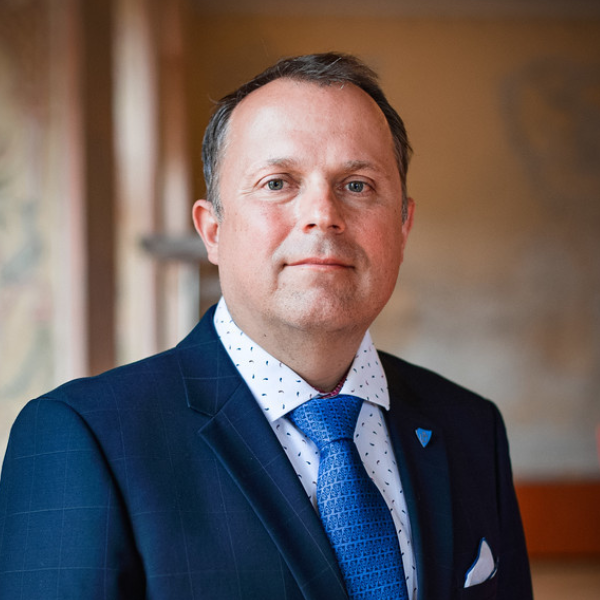
Prof. Martin Procházka
Prof. MUDr. Martin Procházka, Ph.D. has served as the Rector of Palacký University Olomouc, after having been elected to this position in May 2021. Before assuming the position of Rector, Professor Procházka was the Dean of Palacký University’s Faculty of Health Science.
A graduate of the Palacký University Faculty of Medicine and Dentistry, Professor Procházka is Professor of Gynaecology and Obstetrics. Since 1994 he has worked at the Department of Obstetrics and Gynaecology at the UP Faculty of Medicine and Dentistry and University Hospital Olomouc. Previously, he also headed the Department of Midwifery at the UP Faculty of Health Sciences. He gained professional experience during study stays and internships in Belgium, Sweden, and the Netherlands.

Prof. Veronika Sexl
Veronika Sexl is a renowned cancer researcher specializing in tumor surveillance and signaling in leukemogenesis, with over 200 peer-reviewed publications and numerous awards. She maintains extensive international collaborations and serves on various boards, including the European Hematology Association (EHA). Since March 2023, Veronika Sexl is Rector of Universität Innsbruck.
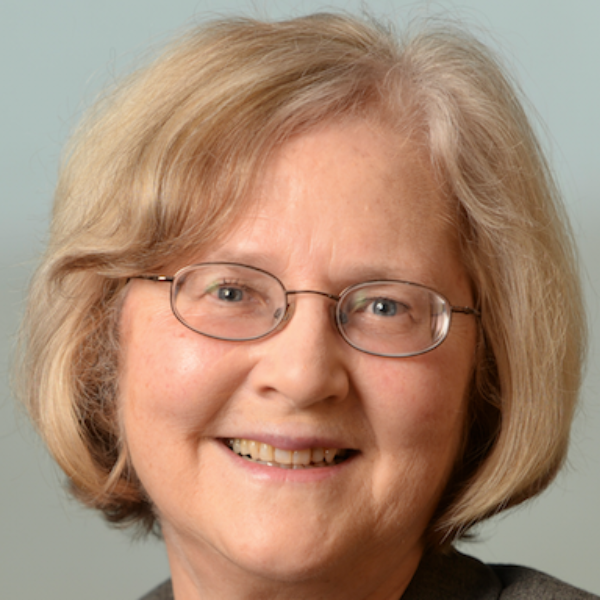
Elizabeth Blackburn
Elizabeth Blackburn, Ph.D. was recognized by the 2009 Nobel Prize in Physiology or Medicine for her scientific discoveries in telomere biology. These have uncovered a new understanding of normal cell functioning and given rise to a still-growing field of inquiry. The research has led to implications spanning a range of disciplines, from biomedical and health research to societal policies.
Dr Blackburn was born and grew up in Tasmania, Australia, and educated in Australia before going to Cambridge University, UK, for her PhD. She was a postdoctoral fellow at Yale university, then a faculty member at the University of California Berkeley in 1978, and in 1990 moved to her current institution, the University of California San Francisco.
Dr. Blackburn is currently Professor Emerita in the Department of Biochemistry and Biophysics at the University of California San Francisco, and holds the Morris Herzstein Endowed Chair in Biology and Physiology at the University of California, San Francisco.
During her career as a scientific researcher, Dr. Blackburn has been recognized for her contributions to the field of telomere biology and its impact on human health and well-being. She has been awarded numerous prizes, awards, and honorary degrees. Among them are the 2006 Albert Lasker Award for Basic Medical Research and elections to the US National Academy of Sciences, the American Association for the Advancement of Science and the Institute of Medicine. In 2007, Time magazine named her one of the ‘100 Most Influential People in the World,’ and in 2008 she was the North American Laureate for the L’Oreal_UNESCO For Women In Science. The scientific community bestowed upon her the ultimate recognition of her legacy by honoring Dr. Elizabeth Blackburn with the 2009 Nobel Prize in Physiology or Medicine.
Throughout her career, Dr. Elizabeth Blackburn has also served the scientific community in many ways. She has served in a scientific capacity on several international and national scientific advisory boards, including those of the interdisciplinary training program EUR LIVE (Universite Paris Est Creteil), and of Institut Imagine in Paris. She has advocated for stem cell research policies. She has been a consistent advocate for improving opportunities for women in careers in science. She has held leadership positions in several international scientific societies, including being elected President of the American Society for Cell Biology and President of the American Association for Cancer Research.

Prof. Martin Schwell
Martin Schwell is the Vice-President in charge of European Affairs at Université Paris-Est Créteil (UPEC). He has been a professor of physical chemistry at UPEC’s Faculty of Science and Technology since 2013. He was its Vice-dean for International Relations between 2016 and 2022, and has worked for the international development of his Faculty.
Martin Schwell is an alumnus of the Freie Universität Berlin, where he studied and obtained his doctorate in 1998. He is currently attached to the Laboratoire Interuniversitaire des Systèmes Atmosphériques (LISA). He was head of the LISA Spectroscopy and Atmospheres group from 2011 to 2018. His research focuses on the ultraviolet spectroscopy of molecules of astrophysical and atmospheric interest. He has a passion for scientific events and has organised numerous international schools and workshops.
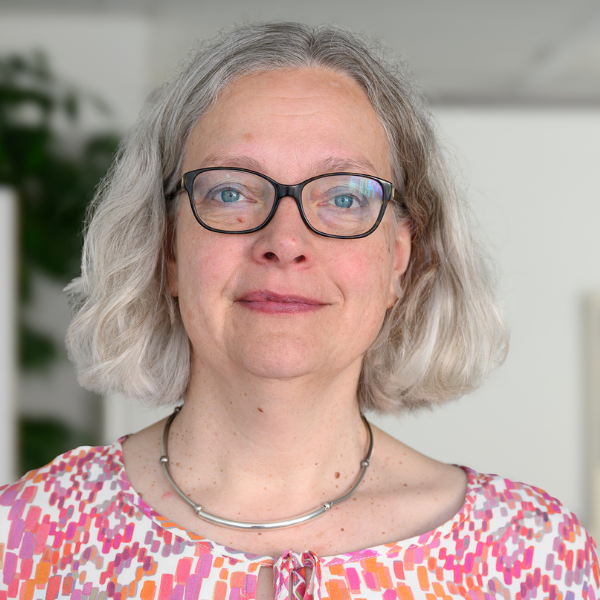
Dr. Susanne Conze
Susanne Conze is Head of Unit for Higher education in the Directorate General for Education, Culture, Youth and Sport of the European Commission. The unit is the lead service for the development of the European Education Area’s higher education dimension as well as devising and managing the higher education strand of the flagship Erasmus+ Programme via the National Agencies and the Executive Agency EACEA.
During her career, both in the Commission and before, Susanne worked in different areas of education and social inclusion policies as well as in the management of European education programmes. She studied history, sociology and political science and holds a PhD in history.
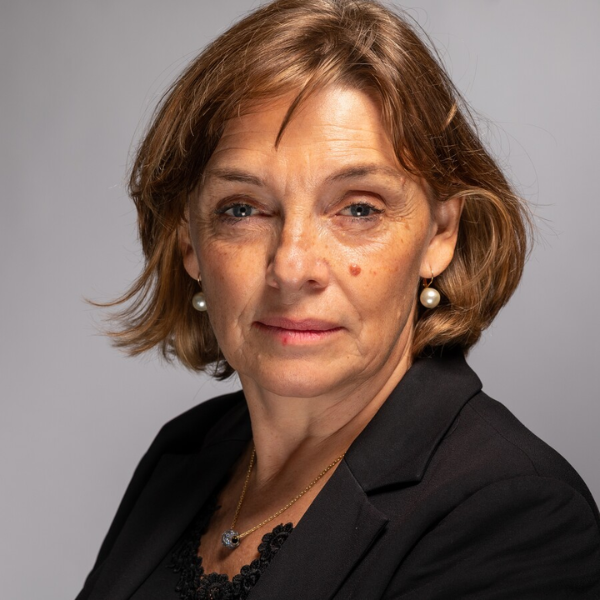
Prof. Fabienne Peraldi-Leneuf
Professor of Public Law and European Union law at Université Paris I Panthéon-Sorbonne. Member of the Board of Directors of the Una Europa European university alliance.
Vice-President Europe since 2021 and member of the university’s governance team, she develops and coordinates European projects and actions, as well as those within the Una Europa alliance, of which Université Paris I Panthéon-Sorbonne has been a member since 2019 (with the universities of Freie Berlin, Alma Mater Bologna, Jagellon Krakow, College Dublin, Edinburgh, Helsinki, Leiden, KU Leuven, Complutense Madrid, Zurich. She is a member of the Board of Directors of the Una Europa alliance since 2021 and Chair in 2025.
A university professor and elected member of the Board of Directors of Université Paris I Panthéon-Sorbonne, she was awarded a Jean Monnet European Chair by the European Commission and holds a doctorate from Université de Strasbourg. She teaches from undergraduate to doctoral level, and directs the Master 2 DEIAE (European and International Business Law), after having directed the Franco-Italian double degree at the university in conjunction with the University of Florence for 6 years.
Her research activities now fall within the scope of IREDIES (Institut de Recherche en Droit International et Européen), after having co-directed the legal laboratory at the University of Lille2. Her researc, individual and collective work (European and international conferences, symposia and publications) focus largely on European issues and Europe’s relations with the rest of the world (Africa-Brazil in particular). She recently co-published a book on Energy in Europe and another on the Values of the European Union.
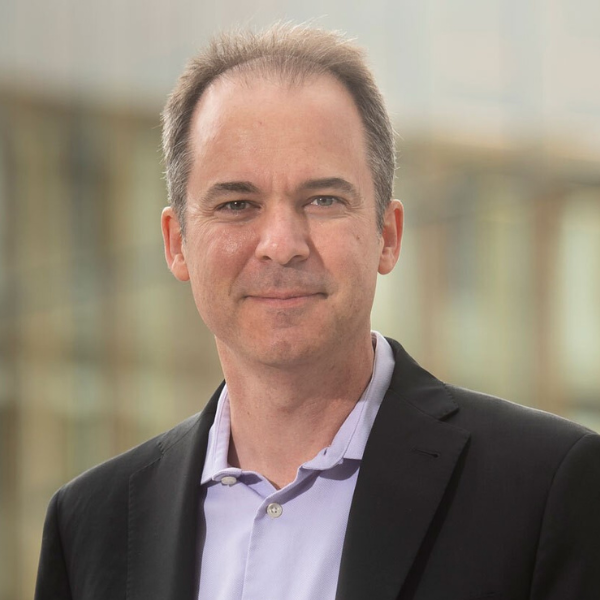
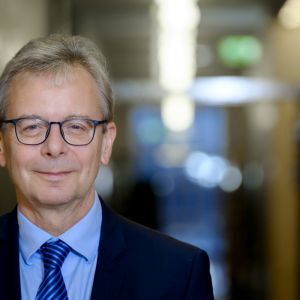
Prof. Dugan O’Neil
Dugan O’Neil is an accomplished particle physicist who has played a leadership role in building Canada’s digital research infrastructure within its diverse scientific community.
As Simon Fraser University’s (SFU) Vice-President, Research and Innovation O’Neil leads SFU’s strategic research initiatives and champions SFU’s comprehensive innovation strategy across its eight faculties. He works to secure research and innovation partnerships with academia, industry and the community.
A key element of O’Neil’s role focuses on knowledge mobilization by facilitating opportunities to transfer research discoveries to society and create a positive social, economic and environmental impact on the world stage.
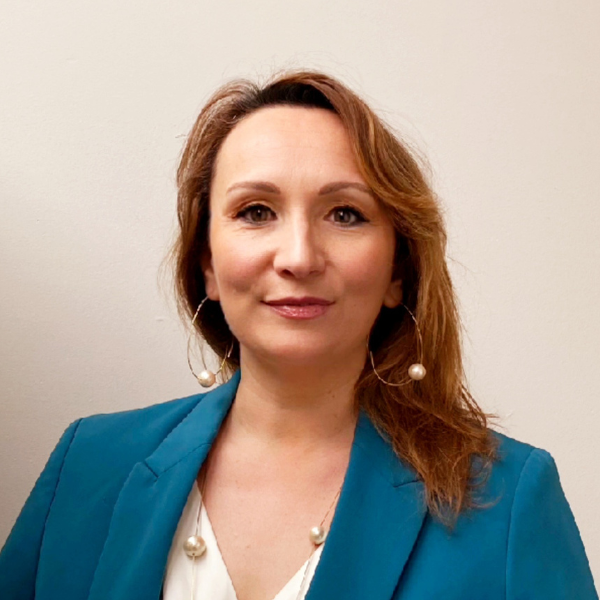
Sabine Sainte-Rose
Sabine Sainte-Rose is a seasoned leader in international education, with a career spanning 27 years across seven countries In January 2025, she assumed the role of Secretary General for the ENGAGE.EU European University Alliance, where she connects governance bodies, working groups, and external partners to ensure strategic alignment and long-term impact.
She has previously served as Programme Director at the Aurora European University Alliance, led internationalisation endeavours at Université Grenoble Alpes, and held leadership roles within France’s international cultural and cooperation network under the Ministry for Europe and Foreign Affairs, directing educational institutions across North America and Central Europe.
Sabine sits on the General Council of the European Association for International Education (EAIE) and is a long-standing member of its expert and trainer pool. She also contributes to the strategic advisory committee of the ERASME transformational project at Université Paris-Est Créteil and has held various volunteer mandates throughout her career.
Born in France, she now lives in Utrecht, Netherlands, and is passionate about the role of education in fostering global collaboration and transformation.
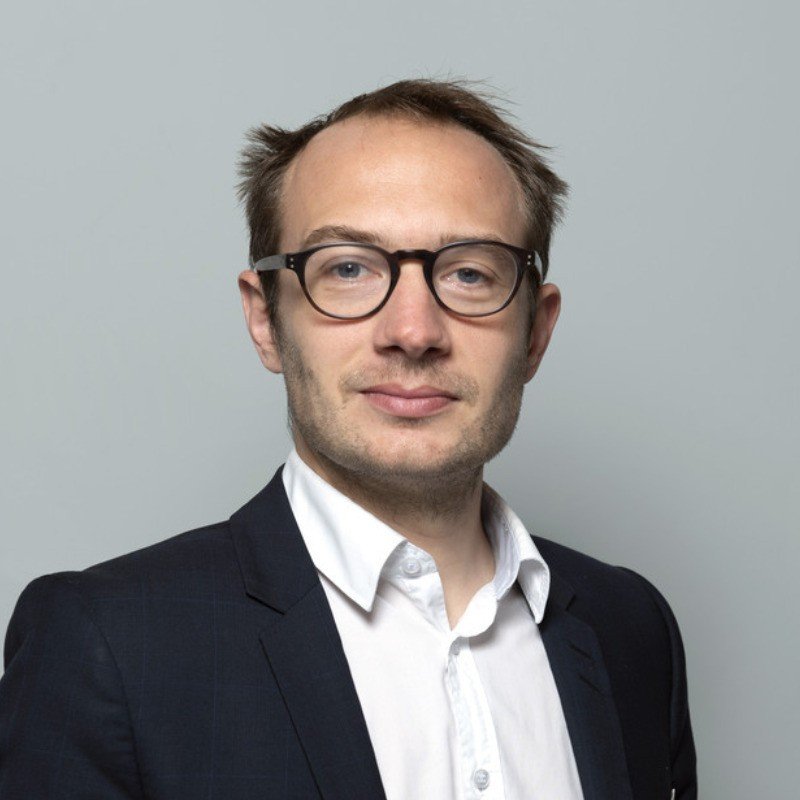
David Itier
David Itier is Current Head of Unit, European Strategy of Research and Higher Education at the French Ministry of Higher Education and Research. He is also Science and Technology Counsellor, French Permanent Representation to the EU institutions. He serves as Chief of Staff to Institut Pasteur’s DG Stewart Cole, and he is Coordinator of EU Affairs at Institut Pasteur.
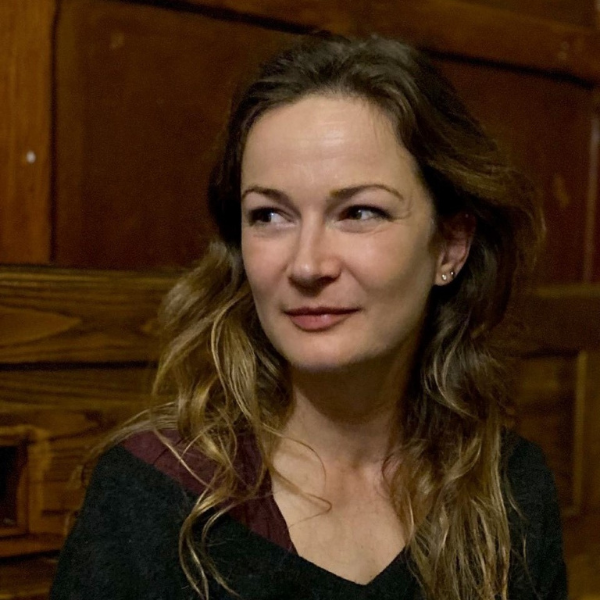
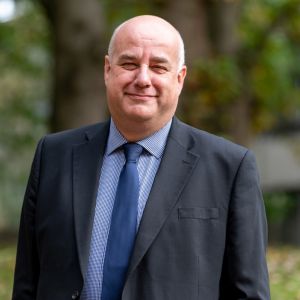
Miranda Prynne
Miranda Prynne is the editor of Campus, Times Higher Education (THE)’s platform for academics and university staff to share their professional insight and advice. She has been instrumental in the editorial strategy and growth of Campus, having joined THE in 2020 to support in the planning, launch and development of this product. In addition to its editorial output, Campus now has 75 partner institutions across more than 20 countries and five continents.
Prior to this, Miranda worked as a newspaper reporter, with stints on national titles including The Daily Telegraph and The Sun, and as a content marketing and media relations consultant representing clients across multiple industries.
Prof. Lolita Rubens
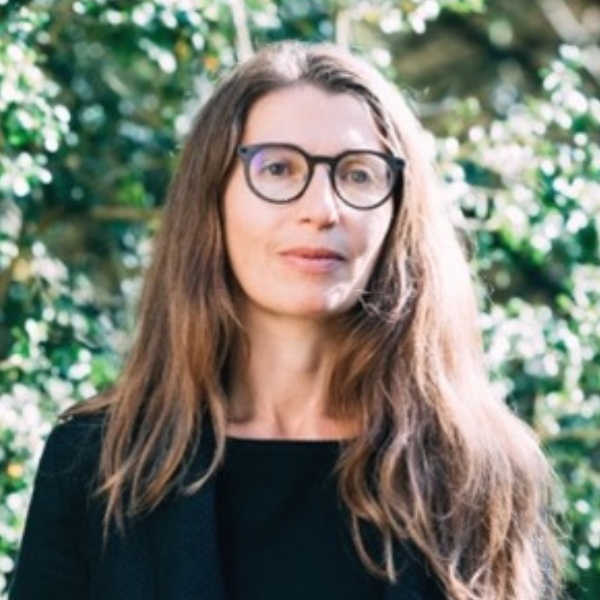
Dr. Emilie Frenkiel
Political scientist, PhD, Associate professor at Université Paris Est Créteil (UPEC), assessor to the president of UPEC for student life and participatory devices, vice-head of the Institute of Political Studies Fontainebleau – UPEC, head of the”Deliberation” research action chair at UPEC, initiator of the network of deliberating universities UNIDELIB, main organizer of student citizens’ assemblies at UPEC since 2021.
Dr. Romana Klášterecká
Prof. Simone Moser
Prof. Dr. Simone Moser holds a degree in Chemistry from the University of Innsbruck, where she completed her PhD focusing on the isolation and structural characterization of natural compounds. Her postdoctoral research at the École Polytechnique Fédérale de Lausanne (EPFL) and the Massachusetts Institute of Technology (MIT) centered on elucidating the modes of action of small molecules.
Following her postdoctoral studies, Dr. Moser joined the Analytical Development team at Novartis in Austria. She later returned to academia, establishing her research group within the Chair of Pharmaceutical Biology at the Ludwig Maximilian University of Munich (LMU), where she completed her habilitation in 2022.
In September 2023, Dr. Moser was appointed Head of the Department of Pharmacognosy at the University of Innsbruck, Austria. Her research on the pharmaceutical properties of newly discovered natural products has earned her several prestigious awards, including the Blair-Curtius-Pfleiderer-Wachter Prize for Pteridinology (2020) and the Dr. Willmar Schwabe Prize from the Society for Medicinal Plant and Natural Product Research (2022).
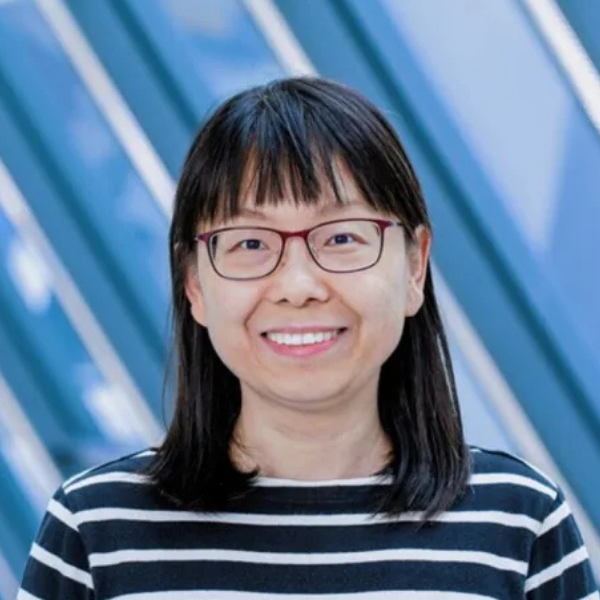
Prof. Bing Wu
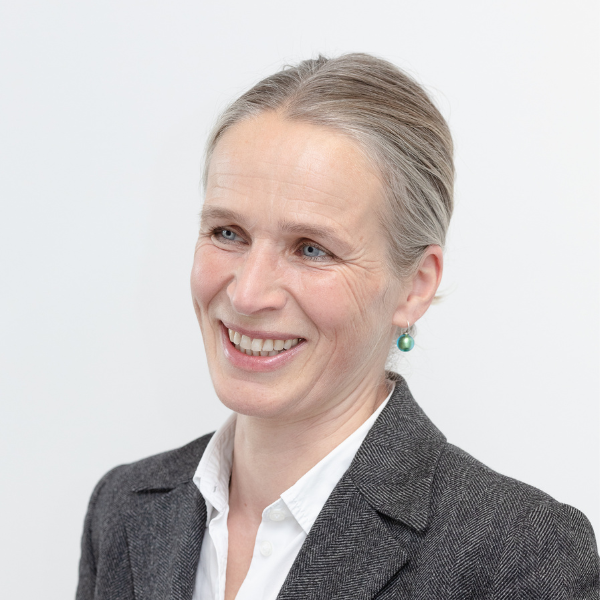
Prof. Barbara Buchenau
Barbara Buchenau is Professor of North American Studies at the University of Duisburg-Essen in Germany. Her most recent publications include Narrative in Urban Planning: A Practical Field Guide (co-authored with Lieven Ameel and Jens Martin Gurr, 2023) and City Scripts: Narratives of Postindustrial Urban Futures (OSUP, 2023). She served as UDE’s Vice-Rector of Social Responsibility, Diversity and International Affairs (2018 – 2022), and has directed the inter-university graduate research group Scripts for Postindustrial Urban Futures: American Models, Transatlantic Interventions funded by the Volkswagen Foundation (2018 – 2023). She is a member of the Aurora European University Alliance, has been the lead of work package 3 on Learning for Societal Impact and is currently leading work package 2 on Transdisciplinary European Research-Driven Educational Hubs.
Buchenau is Professor of North American Studies at the University of Duisburg-Essen in Germany. Her most recent publications include three co-authored chapters on religious conversion and racial ambiguation (in Ambiguität und Unterscheidung: Kaleidoskopische Betrachtungen, edited by Benjamin Scheller and Marcel Müllerburg, 2024), the co-edited book City Scripts: Narratives of Postindustrial Urban Futures (OSUP, 2023) and Narrative in Urban Planning: A Practical Field Guide (co-authored with Lieven Ameel and Jens Martin Gurr, 2023). She served as Vice-Rector of Social Responsibility, Diversity and International Affairs at her institution (2018 – 2022), and has directed the inter-university graduate research group Scripts for Postindustrial Urban Futures: American Models, Transatlantic Interventions funded by the Volkswagen Foundation (2018 – 2024).
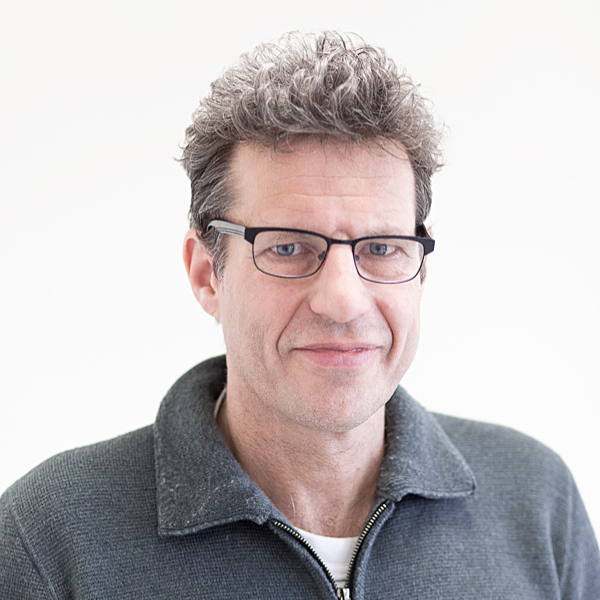
Prof. Matthias Beekmann
Matthias Beekmann is research director at CNRS in France. He is working in atmospheric sciences on issues of air quality and its link to climate change. He co-developed a numerical chemistry-transport model which is today widely used for air pollution forecast, scenario calculations of mitigation measures, and scientific purposes. He (co-)organised several field campaigns in order to better understand formation process of so-called secondary pollutants (ozone, aerosol) chemically formed in the atmosphere from directly emitted primary pollutants. He was the first director of the Universe science observatory hosted at Université Paris-Est Créteil (UPEC), a research federation of environmental science laboratories. Matthias Beekmann is today assessor at UPEC for Aurora research and innovation. He is President of the Aurora Research Council.
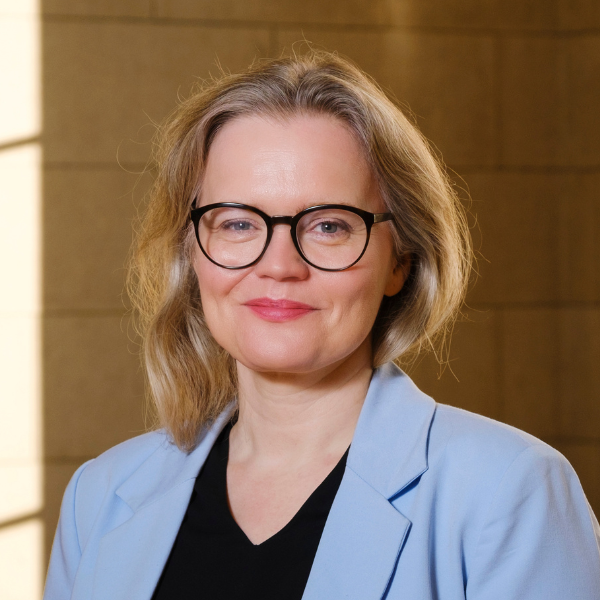
Dr. Hafdís Hanna Ægisdóttir
Dr. Hafdís Hanna Ægisdóttir is the Director of the Sustainability Institute at the University of Iceland. She holds over 25 years of international experience in sustainability, environmental education and leadership. She earned her PhD in Plant Ecology from the University of Basel in Switzerland. Passionate about sustainable leadership, she has inspired change through education, collaboration and a deep commitment to a better future.
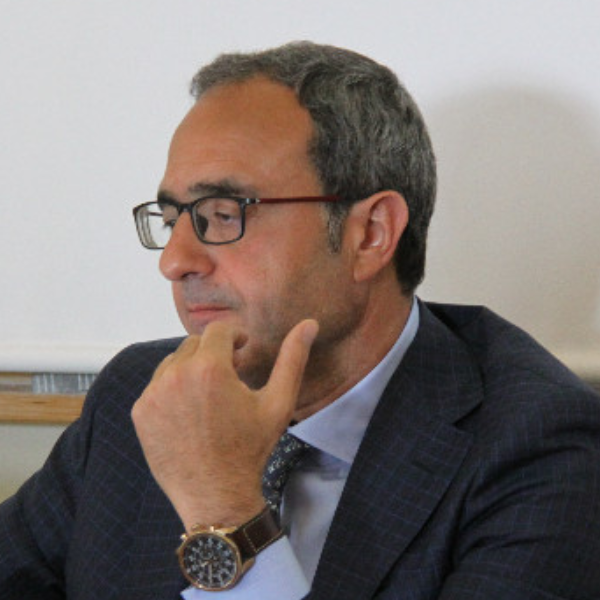
Prof. Maurizio Cellura
Maurizio Cellura is Professor of building physics and energy systems well as the Director of the Center for Sustainability and Ecological Transition at the University of Palermo. He is also a member of the National Coordination Committee of the Italian Network of Universities for Sustainable Development.
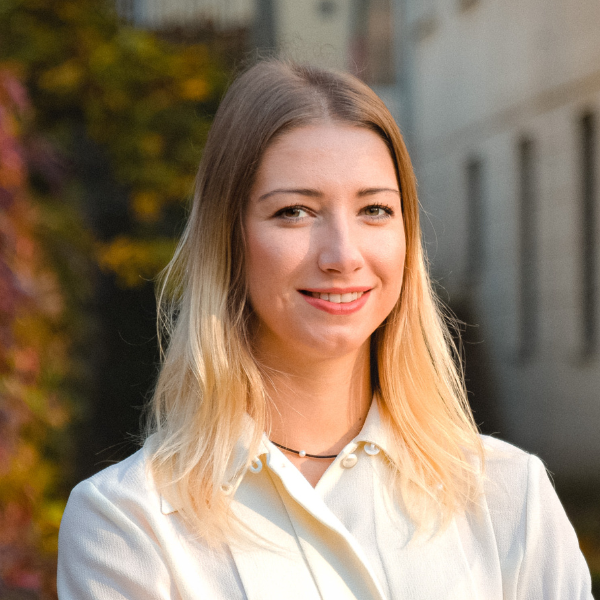
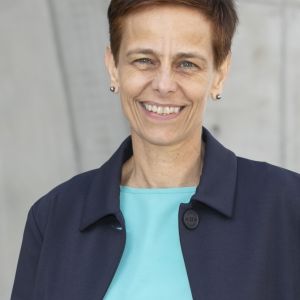
Zuzana Hunková
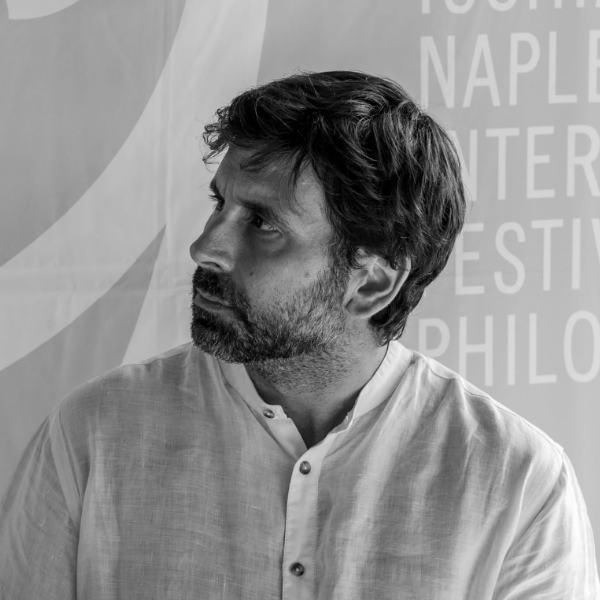
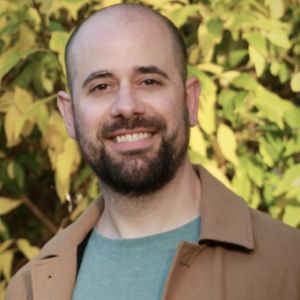
Dr. Ramon Rispoli
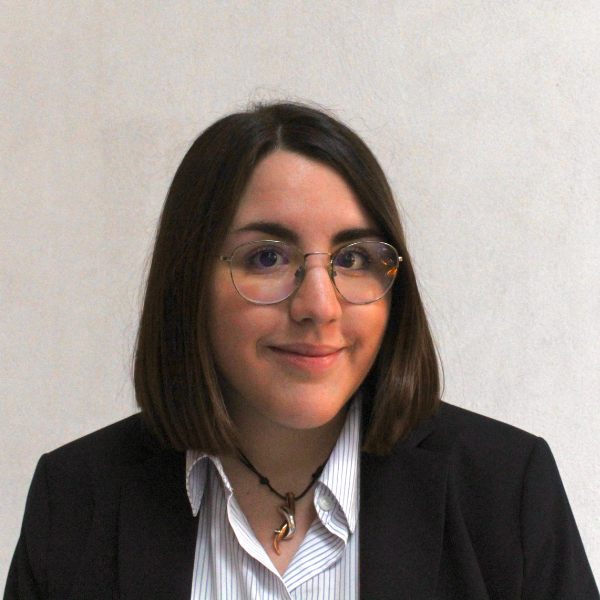
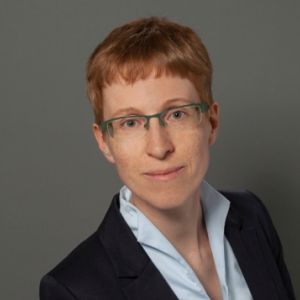
Benedetta Toledo
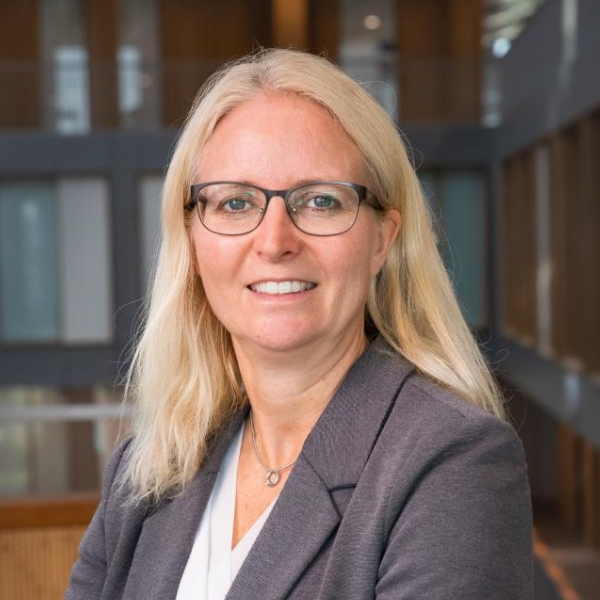
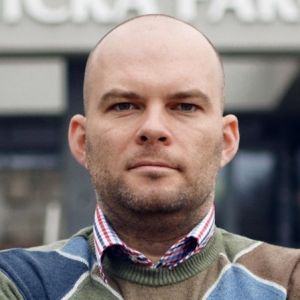
Prof. Marjolein Zweekhorst
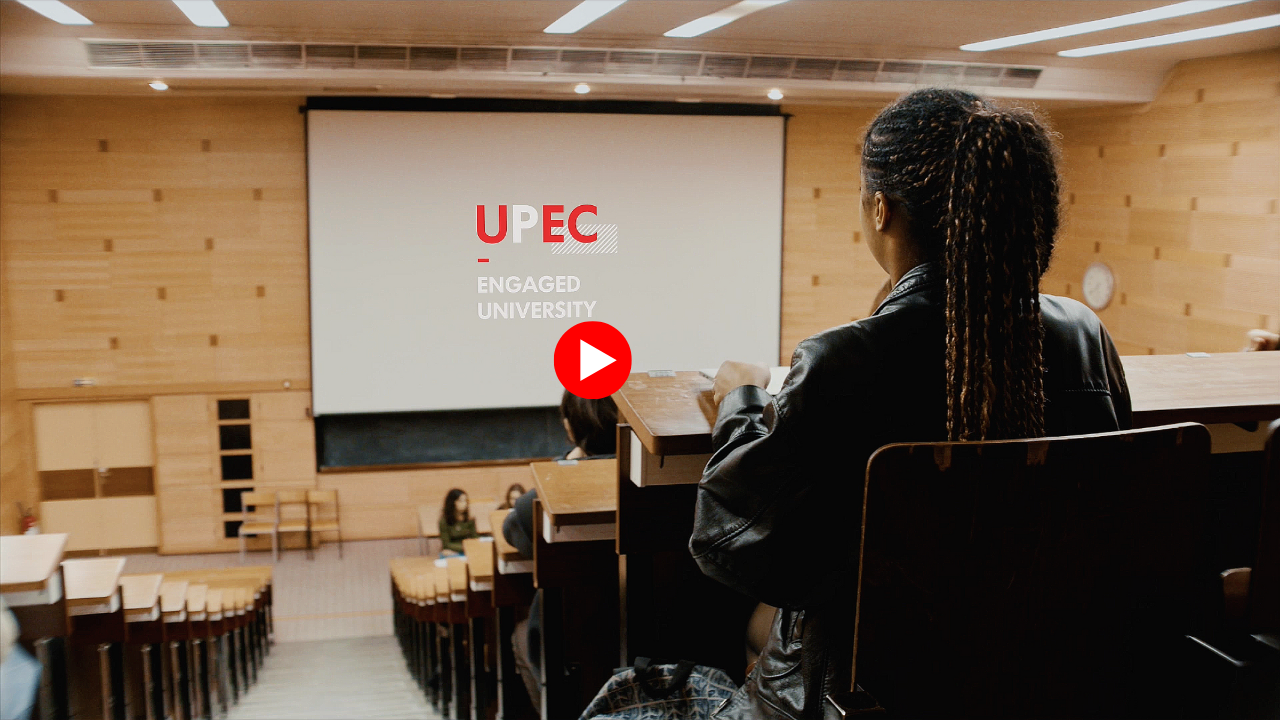

Université Paris-Est Créteil (UPEC)
With 14 faculties, schools and institutes, one observatory and 32 research laboratories, Université Paris-Est Créteil (UPEC) has been active in all fields of knowledge since 1970. Each year, UPEC trains over 42,000 students and working professionals of all ages.
A major player in the dissemination of academic, scientific and technological knowledge, the university offers more than 500 training courses in all disciplines and at all levels. UPEC offers personalized support for all successes, thanks to undergraduate and graduate training, recognition of prior learning and lifelong learning opportunities. Furthermore, the university runs a growing number of apprenticeship programmes in order to stimulate entrepreneurship and ease professional integration.
UPEC has built its strategic plan around three strategic orientations: UPEC is an engaged university that encourages and supports all paths of students’ success with dedicated programs. UPEC masters its trajectory and is a university open to the world and its diversity.
Visit UPEC: https://www.en.u-pec.fr/