Author: UIBK

Building the Future of Flexible Learning: Aurora’s Shared Approach to Micro-credentials

Micro-credentials are rapidly transforming higher education in Europe. As certified, small-scale learning units with clearly documented and assessed learning outcomes, they offer a flexible, inclusive, and responsive way for learners to acquire relevant competences. Within Aurora, micro-credentials play a vital role in shaping the inter-university campus of the future – one that is modular, transdisciplinary, and accessible across borders.
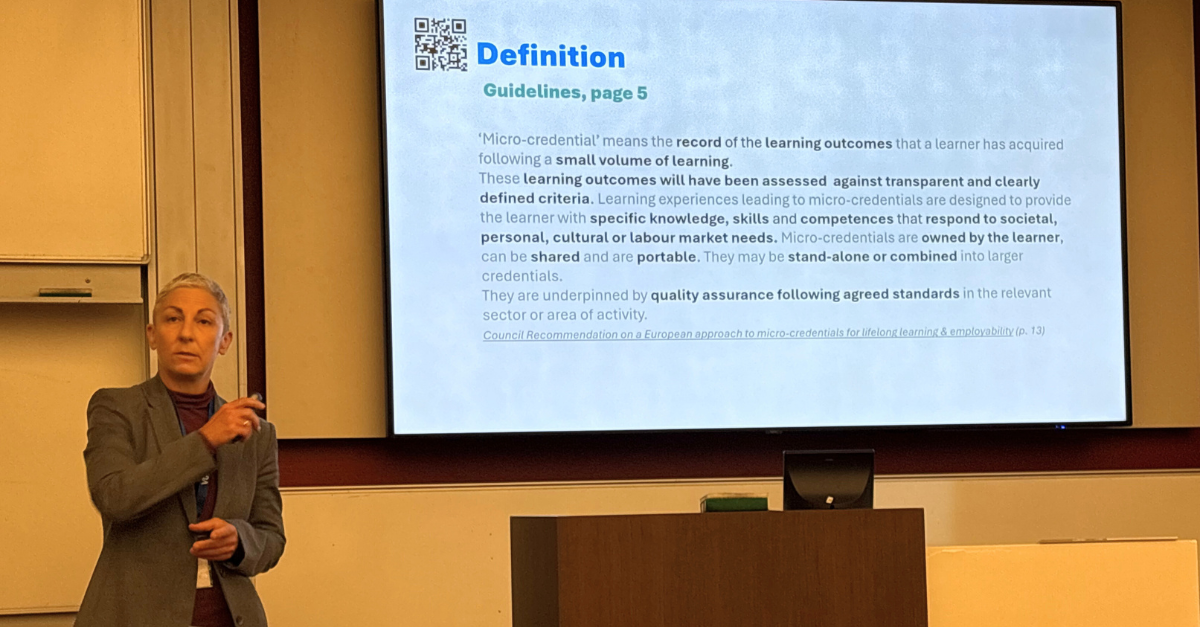

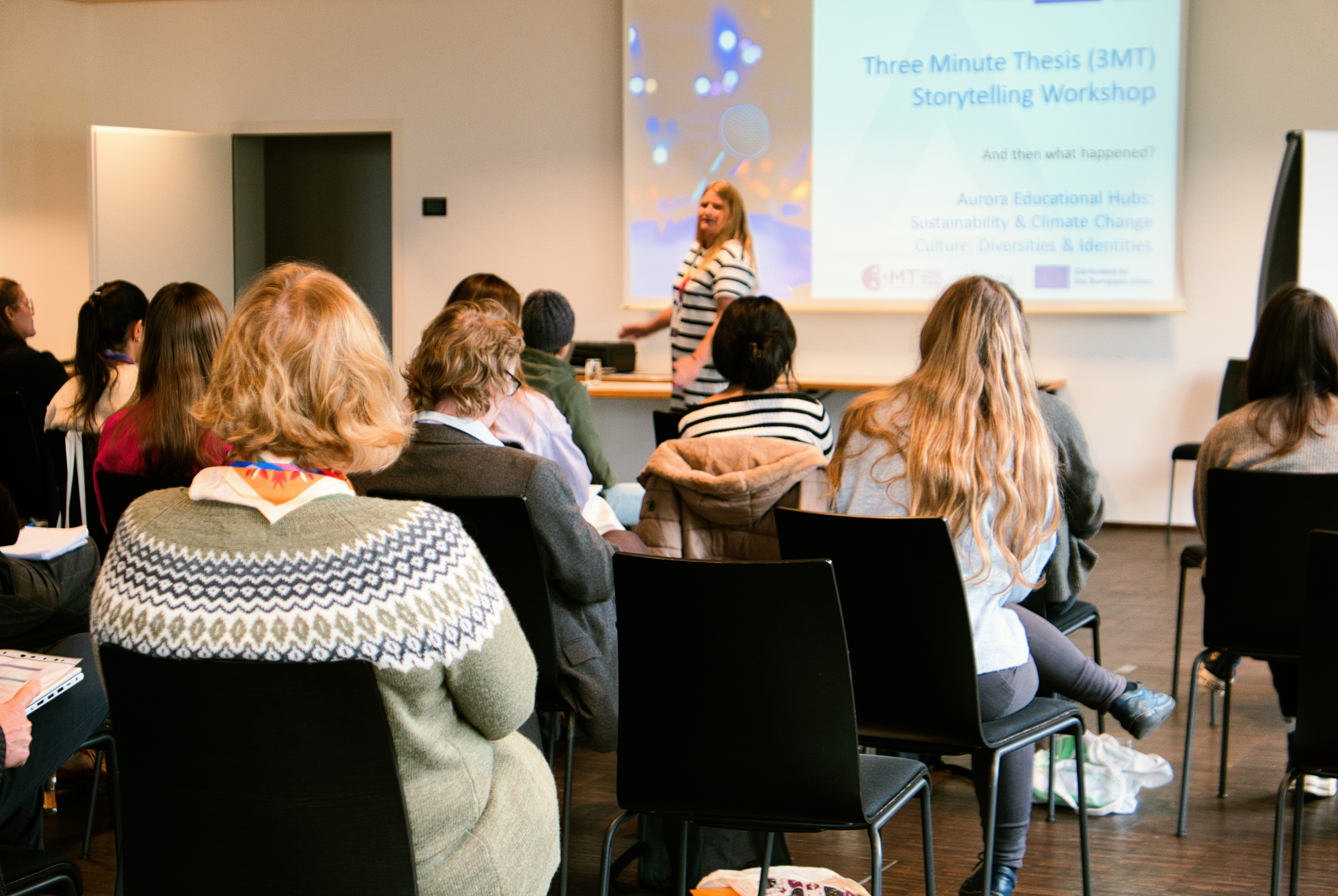
Christina Raab from Universität Innsbruck presents the Aurora Guidelines for Micro-credentials

The newly developed Aurora Guidelines for Micro-credentials provide a shared framework for designing, issuing, and recognising these qualifications across partner universities. Grounded in the European Council’s Recommendations and driven by Aurora’s mission for societal impact, these guidelines aim to harmonise practices and strengthen collaboration throughout the alliance.

A European Approach for a Changing Learning Landscape

Micro-credentials have emerged as important instruments to support lifelong learning, upskilling, and mobility within the European Higher Education Area. They allow learners to engage in small-scale learning experiences while ensuring that the acquired competences and knowledge are quality-assured, portable, transparent and stackable.

For Aurora, micro-credentials are more than just short courses. They are building blocks for a European inter-university campus:

  • Gateways to flexible participation across institutions
  • Tools for harmonising recognition and mobility
  • Foundations for socially impactful, transdisciplinary education.

The alliance’s decision to develop shared guidelines stems from the need to remove structural and technical barriers, align institutional practices, and ensure that learners can benefit from high-quality, jointly recognised opportunities – regardless of where they begin their studies.

These guidelines fully align with the 2022 Council Recommendation on a European approach to micro-credentials, as well as the principles of the European Qualification Framework (EQF), National Qualifications Frameworks, and the European Standards and Guidelines for Quality Assurance (ESG).

Designing Micro-Credentials for Quality, Transparency, and Impact

Aurora micro-credentials follow a set of shared principles to ensure comparability and quality across universities:

  • Learning outcomes-based design: Each micro-credential integrates subject-specific and transversal competences, drawing on frameworks such as the Aurora Competence Framework, LOUIS, BEVI, and seizmic
  • Standardised size and structure: Typically 3 to 10 ECTS credits, documented according to the standard elements defined by the European Council Recommendation
  • Quality assurance: Each issuing university applies its institutional QA processes, guided by ESG standards and national regulations
  • Levels of Aurorisation: Micro-credentials must reach at least Level 2 – meaning they are aligned with an Aurora Educational Hub, an SDG, and at least one key competence, ensuring a clear connection to Aurora’s mission and pedagogical standards.

Together, these principles ensure that every Aurora micro-credential is robust, comparable, and recognised across the alliance and beyond.
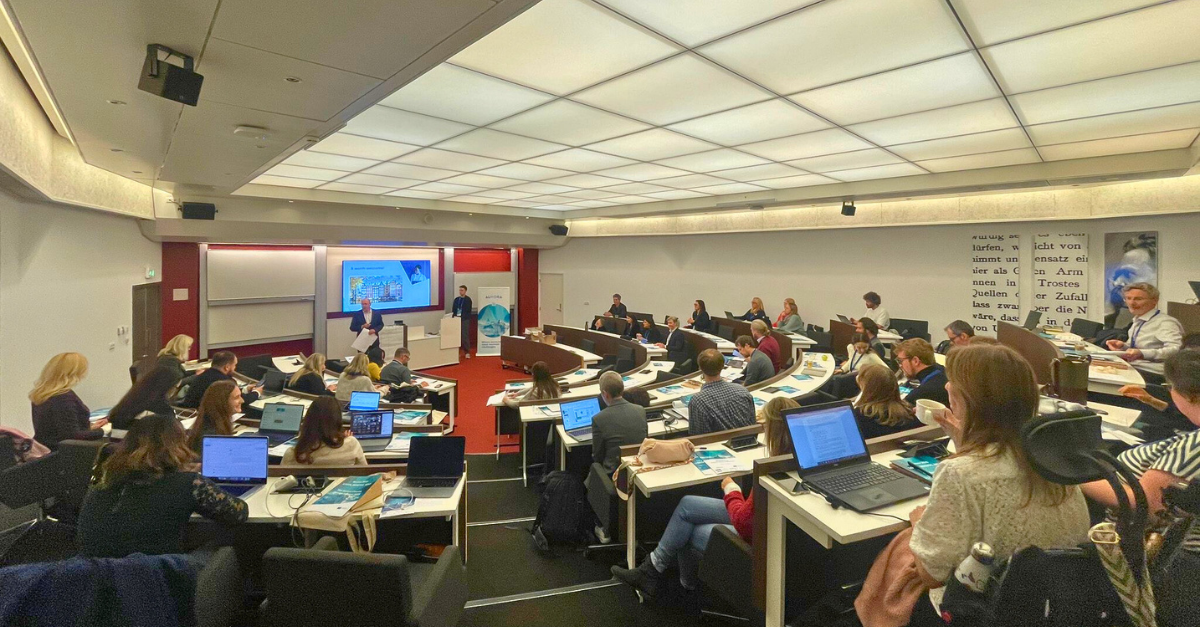

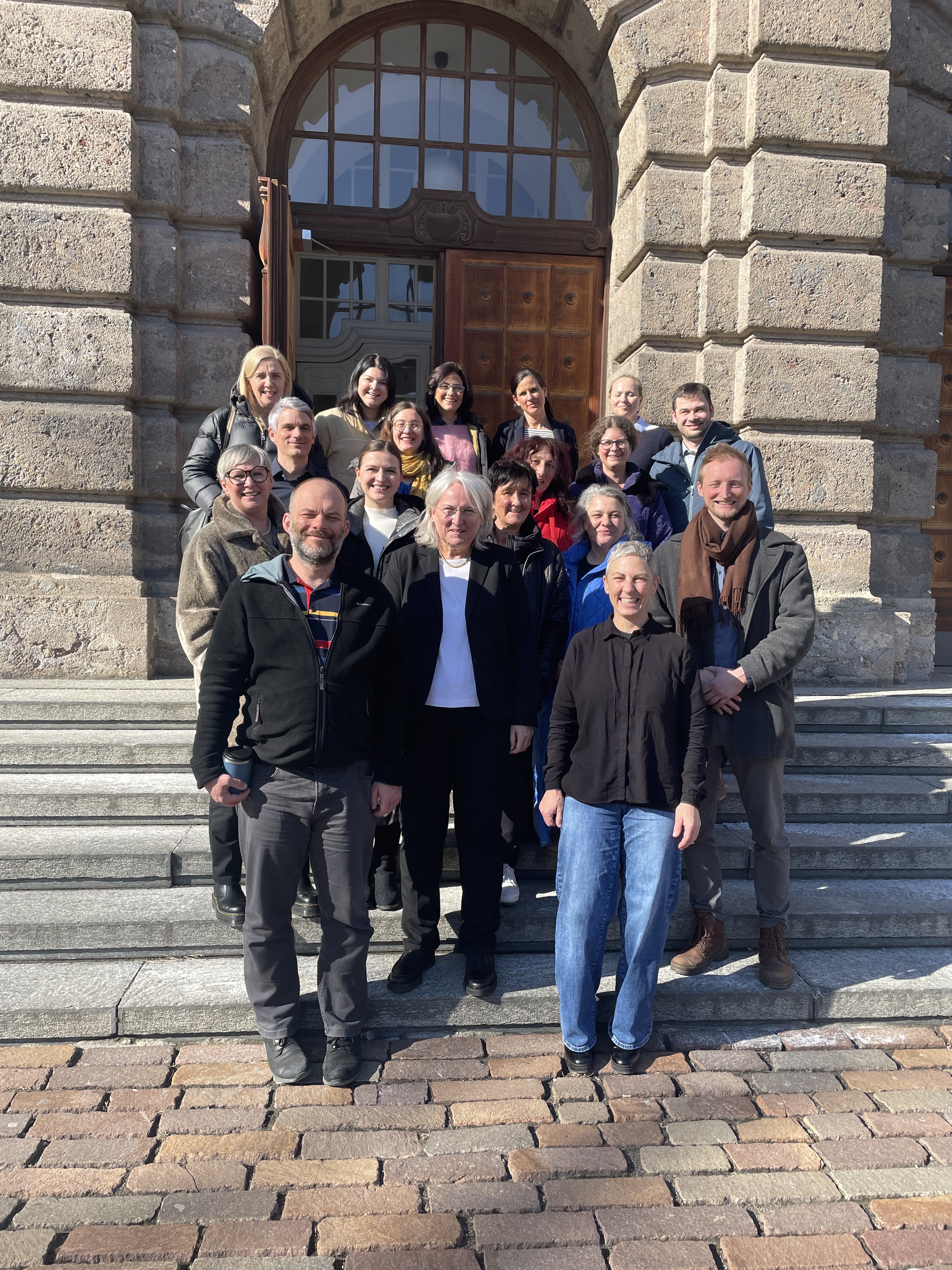
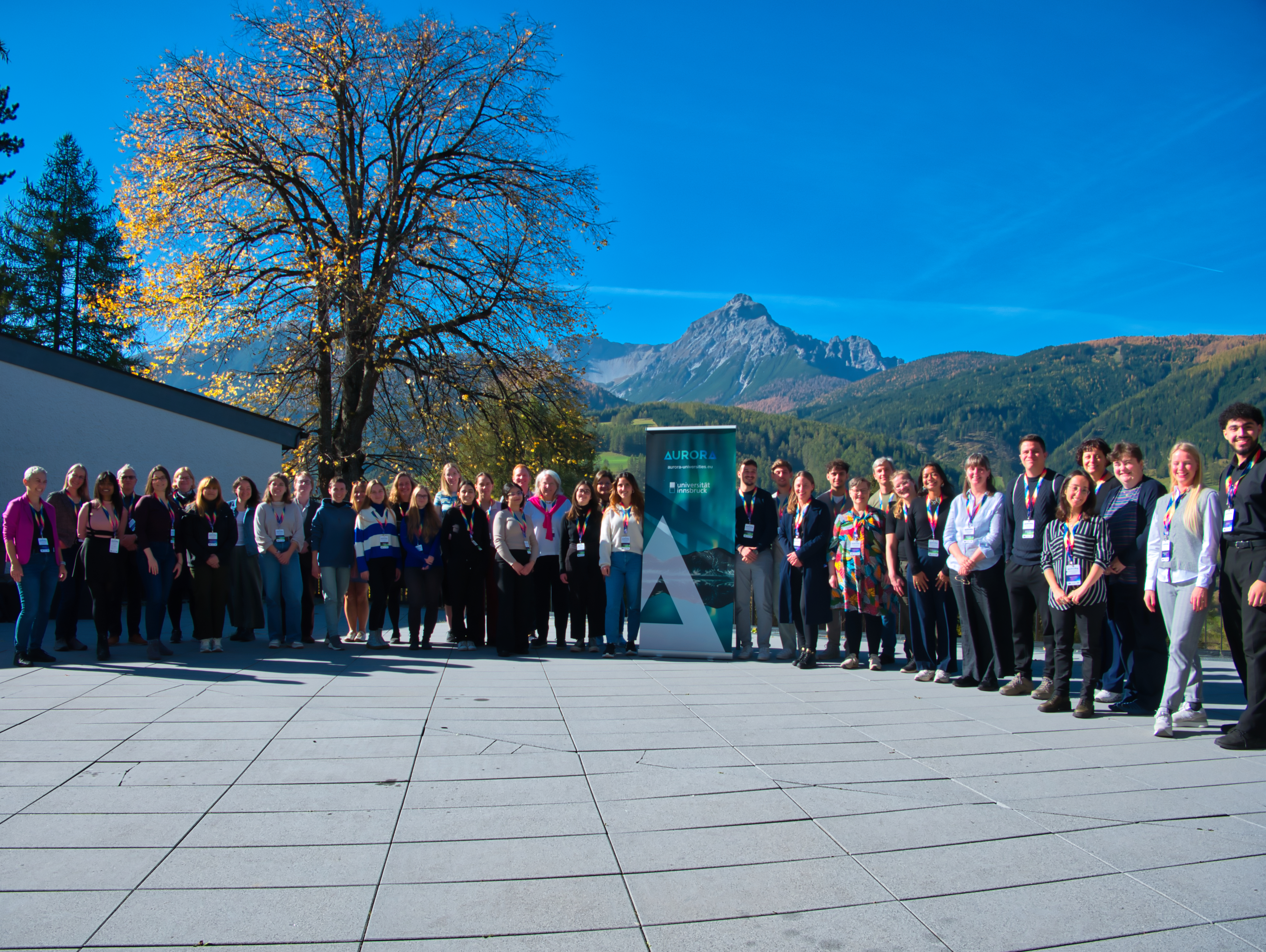
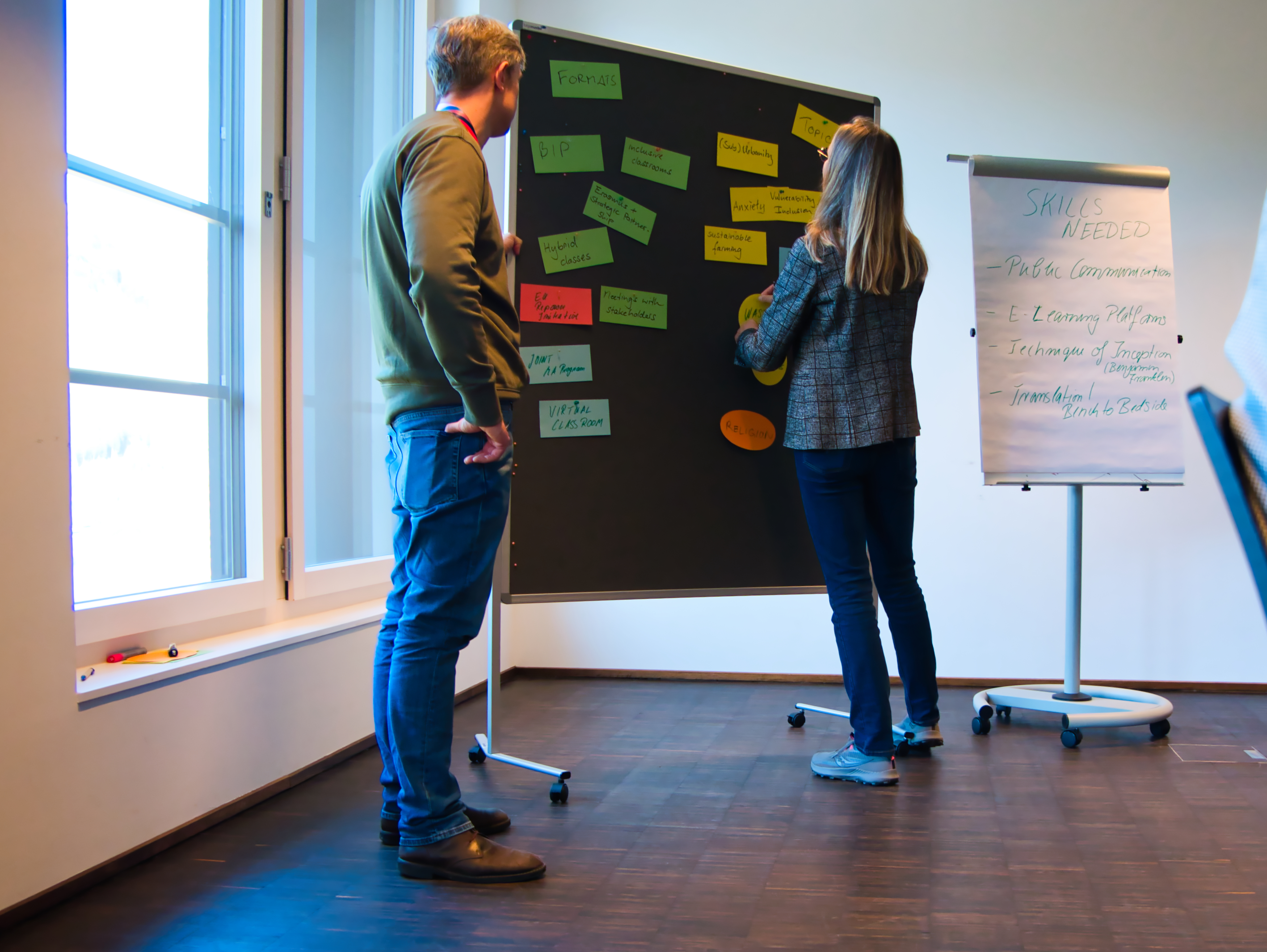
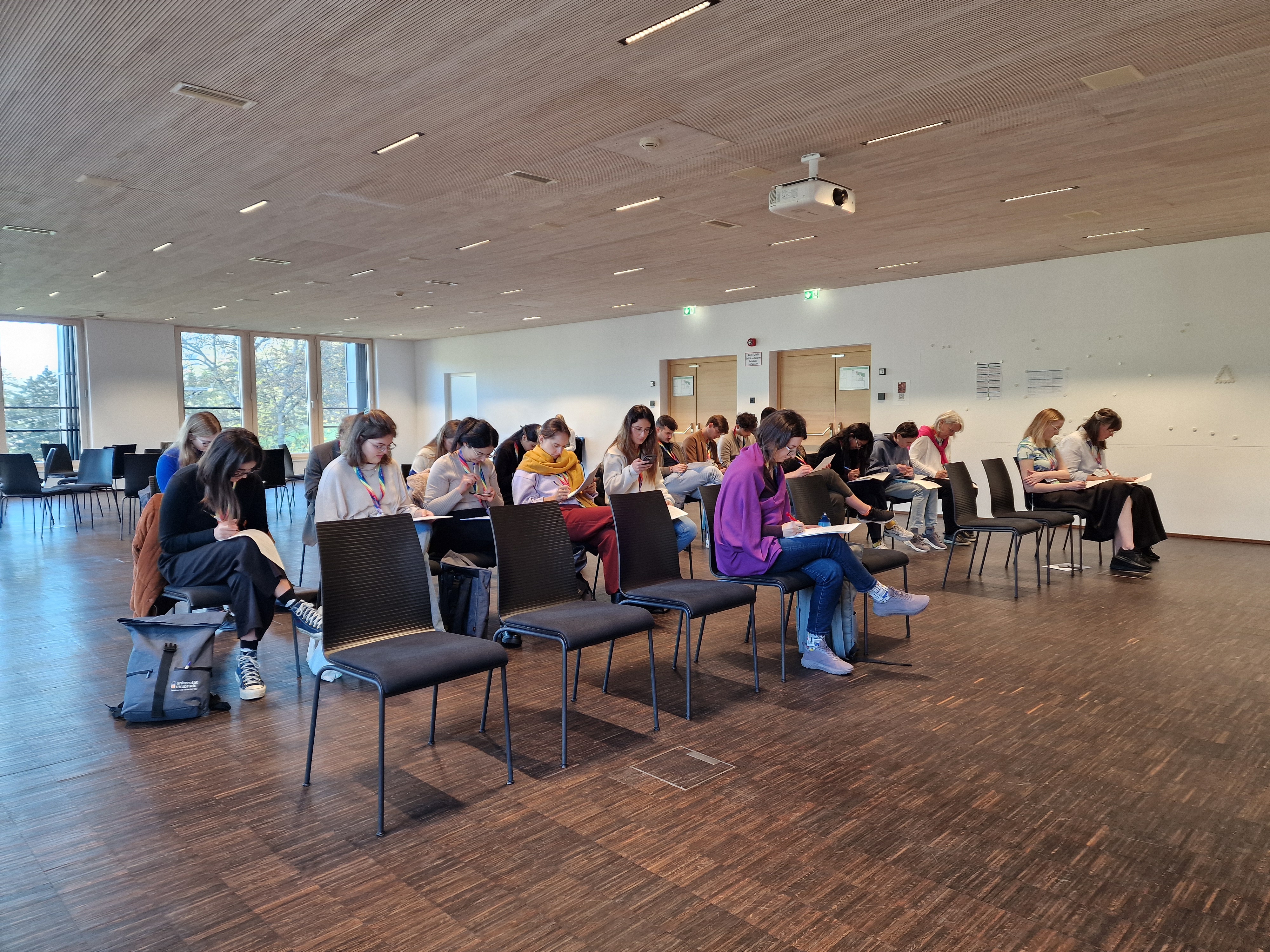
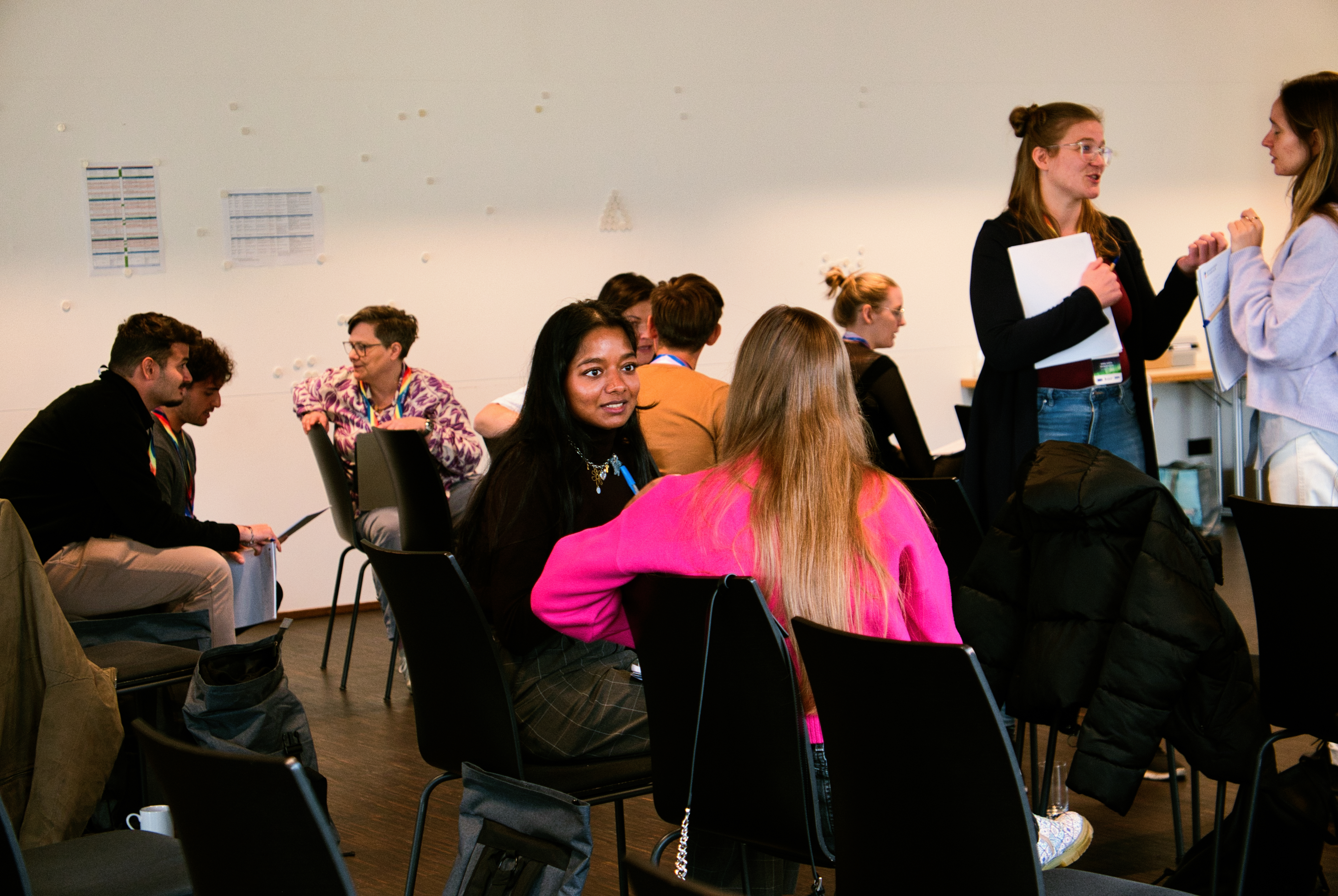
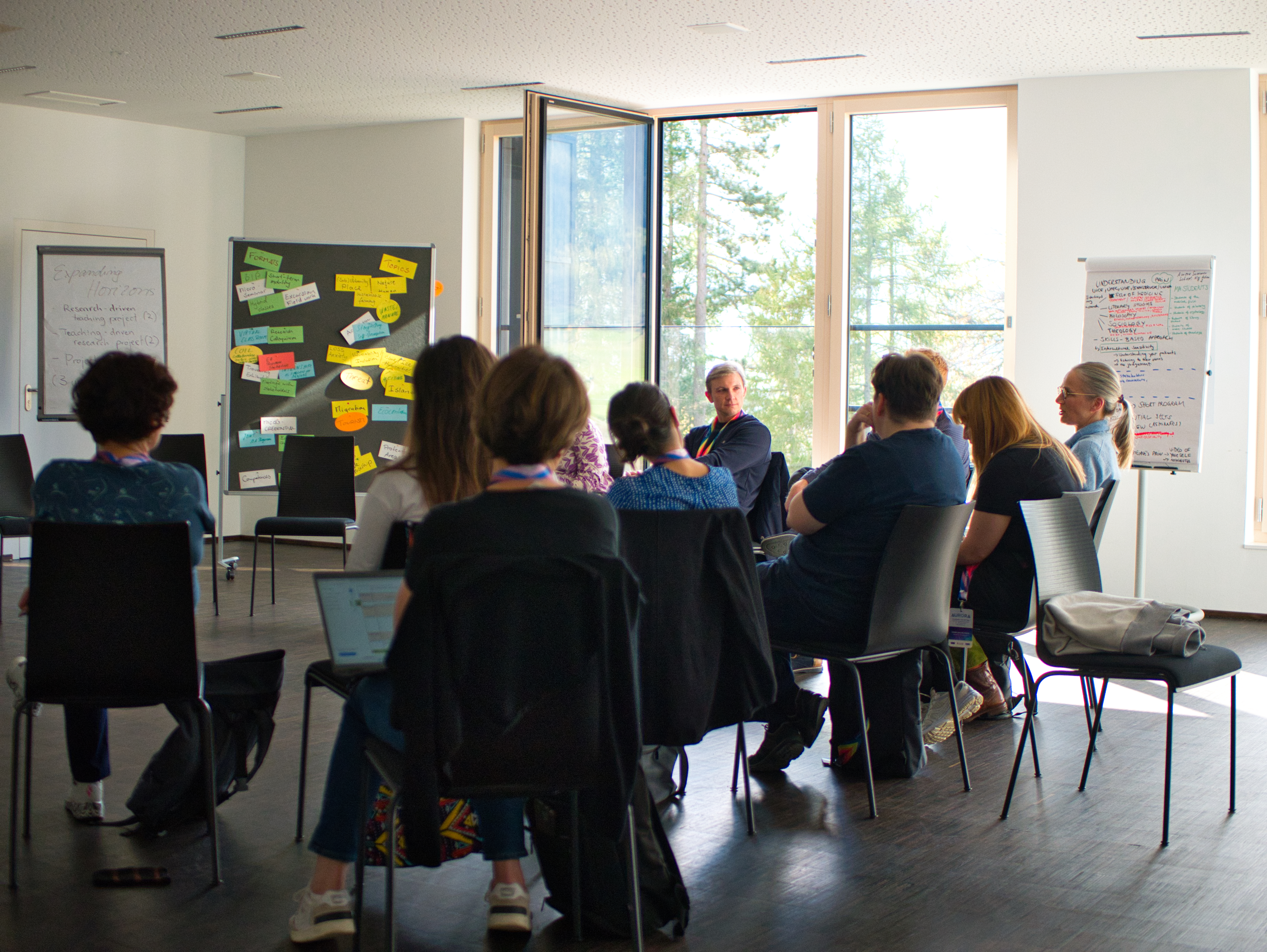
Aurora Academic Matchmaking Retreat where the Aurora Guidelines for Micro-credentials were presented

Collaboration Across Borders: How Joint Micro-Credentials Are Built

Joint micro-credentials are co-designed within Aurora’s Educational Hubs, where academics collaboratively develop content, align learning outcomes, and agree on assessment methods. “Joint” may also simply refer to the fact that participating students can come from all Aurora universities. While co-creation in the development process is the intended goal, it is not an absolute requirement for every joint micro-credential. Each participating university quality-assures the components it teaches, while one or more designated universities act as the official issuers. Because not every partner institution is equally positioned or technically equipped to issue micro-credentials, issuing responsibilities are assigned based on regulatory and technical feasibility. This collaborative model – anchored in mutual trust and transparent procedures – allows learners to combine learning units across institutions and receive a single, high-quality, jointly recognised credential.

To ensure consistency and support continuous development, Aurora’s Micro-Credential Coordination Committee (Aurora-MCC) – formally established in November 2025 – serves as a central body for coordination, expertise, and peer learning. Rather than enforcing compliance, the committee fosters a shared ecosystem, promoting visibility, interoperability, and alignment across work packages.

Digital Solutions for a Seamless Learning Experience

Technology is central to Aurora’s micro-credential ecosystem. The Aurora Virtual Campus serves as the central platform for publishing, accessing, and promoting Aurora micro-credentials. The corresponding courses will be displayed in the Aurora Joint Course Catalogue, enhancing visibility, transparency, and open participation for Aurora students and staff.

Aurora universities currently issue micro-credentials in two primary formats:

  • Digitally signed (e-sealed) PDF certificates, and
  • Secure digital badges, compliant with EU interoperability and data protection standards.

Looking ahead, the alliance aims to adopt European Digital Credentials (EDC) and digital wallets, enabling learners to securely store, manage, and share their achievements across Europe.

These digital solutions reinforce learner ownership, transparency, and employability -supporting a truly borderless learning experience.

Next Steps: Harmonisation, Visibility, and Future Readiness

Implementation of the guidelines will progress through several key actions:

  • Mapping existing micro-credentials and aligning them with Aurora standards
  • Increasing visibility through the Aurora Virtual Campus and shared catalogue
  • Developing shared workflows for issuing, recognition, and interoperability
  • Establishing a regular review and peer-learning cycle under the Aurora-MCC.

By 2030, micro-credentials are expected to become a core element of Aurora’s inter-university campus model. They will support personalised learning pathways, enable digital and physical mobility, and strengthen the alliance’s mission to foster research-driven, socially impactful education across Europe. Aurora also plans to expand micro-credentials into non-formal learning spaces and diverse learner communities, promoting access, inclusion, and lifelong learning.

Reflections: Opportunities and Challenges Ahead

The movement toward micro-credentials brings immense promise. They empower learners to design their own pathways, support cross-institutional collaboration, and encourage institutions to adopt more flexible, outcome-based approaches to teaching, learning and recognition. They also help connect formal and non-formallearning in more seamless ways.

Yet challenges persist. Aligning institutional regulations, recognition procedures, and digital infrastructures remains complex. Equally important are the cultural aspects: varying understandings of learning, hesitations around new practices, and the natural pull toward familiar institutional traditions.

Overcoming these challenges requires openness, trust, and a shared commitment to innovation. For Aurora, the path forward is clear: building a flexible, interoperable, and learner-centred ecosystem that supports Higher Education’s transformation in an era of continuous change.

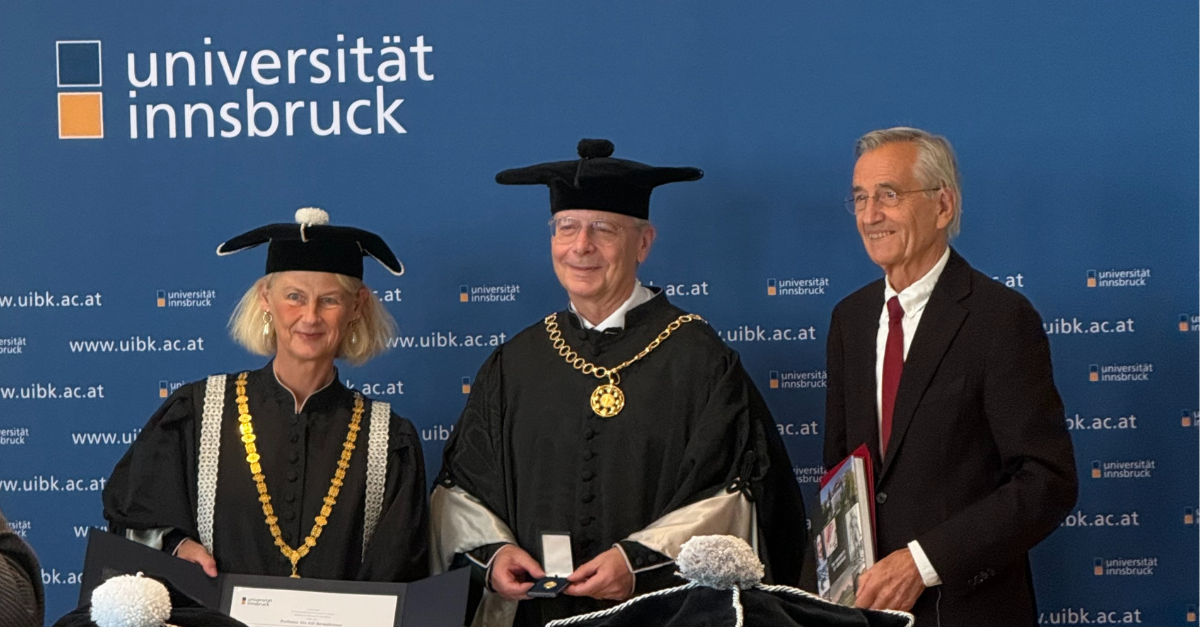
Universität Innsbruck Awards Honorary Senatorship to Professor Dr. Jón Atli Benediktsson

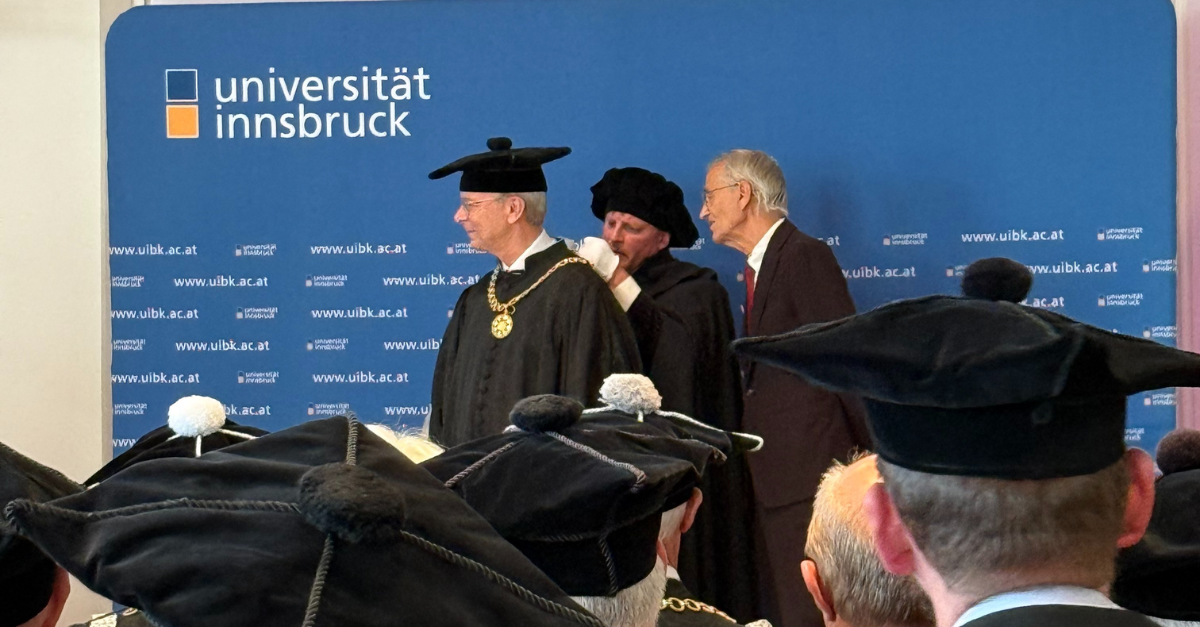
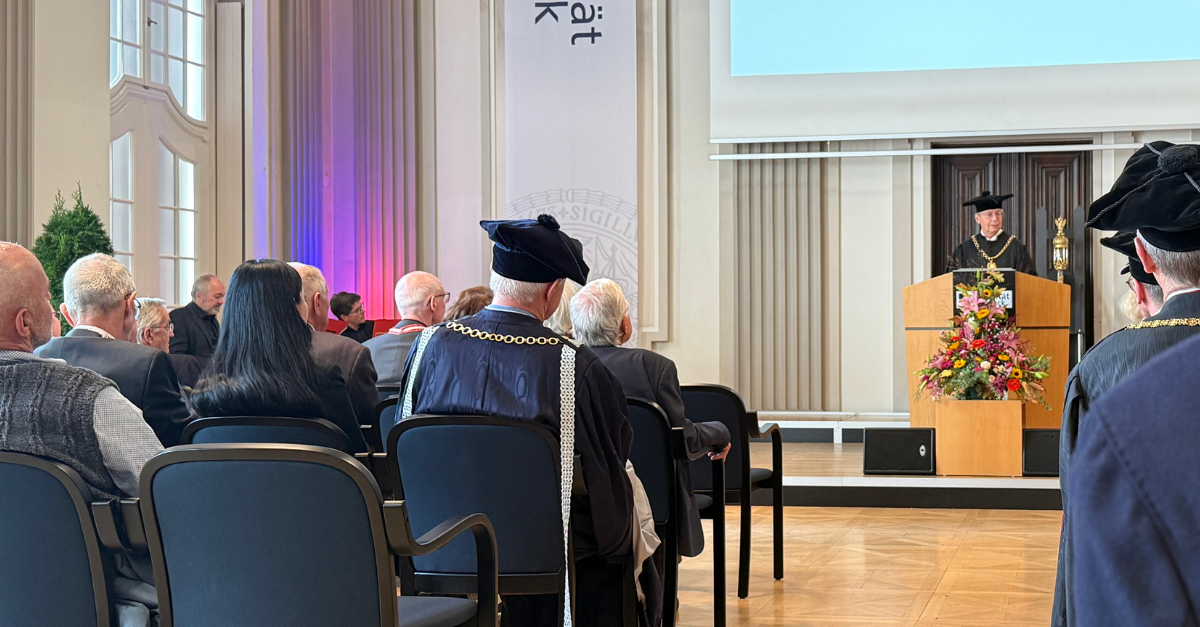
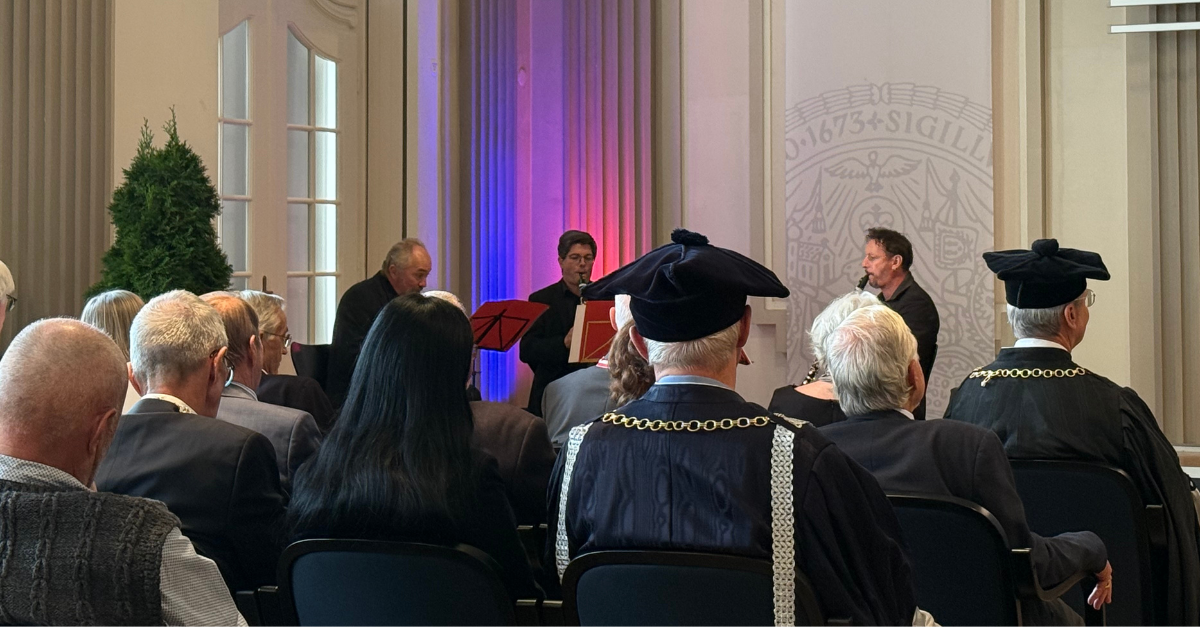
On 17 October 2025, during the “Dies Academicus” celebration at Universität Innsbruck, Professor Dr. Jón Atli Benediktsson, former Rector of the University of Iceland, was awarded the title of Honorary Senator. The distinction recognises his outstanding contributions to academic cooperation and his strong commitment to Aurora. 

Beyond his remarkable academic career, Professor Benediktsson has been a leading voice in shaping the European Higher Education Area. As President of the Aurora network (2020–2024), he played a pivotal role in defining the alliance’s strategic direction. During his presidency, Universität Innsbruck joined the Aurora alliance, greatly enhancing its European and international visibility.

Born in Reykjavik in 1960, Professor Benediktsson earned his PhD in Electrical Engineering from Purdue University (USA) in 1990. He began his career at the University of Iceland in 1991 and became Full Professor in 1996. From 2009 until his appointment as Rector in 2015, he served as Pro-Rector for Science and Academic Affairs.

One of Iceland’s most productive researchers, Professor Benediktsson has published over 400 scientific papers in the fields of remote sensing, image analysis, pattern recognition, machine learning, and biomedical signal processing. He is a Fellow of the IEEE (since 2004) and SPIE (since 2013) and has received numerous awards, including the IEEE Millennium Medal and the Highest Impact Paper Award of the IEEE Geoscience and Remote Sensing Society.

Driving Force Behind Collaborative Initiatives in Aurora

Within Aurora, he has been a driving force behind the creation of joint European teaching and study programs, collaborative research initiatives, and higher education policy positions. Under his leadership, the University of Iceland took on the consortium leadership of Aurora 2030 funded by the European Commission with approximately €15 million, and led the Horizon Europe project Aurora Research & Innovation.

A memorable moment in his collaboration with Universität Innsbruck was his participation in the Aurora Spring Biannual 2022, held in Innsbruck from 10 to 12 May 2022. Together with the then Rector of Innsbruck, he opened the event that brought together over 200 participants from across Europe to shape the future of the alliance.

During his presidency, he also championed Aurora’s solidarity with Ukraine, notably with V.N. Karazin Kharkiv National University. He played a central role in a fundraising campaign that raised €51,000 to support the continuation of the university’s operations during the war and in establishing the Aurora Karazin University Peace Hub – a platform for peace education and conflict transformation.

This collaboration culminated in the Aurora International Peace Conference, hosted by Universität Innsbruck in February 2025. The high-level event gathered international experts from academia, politics, and civil society to advance dialogue on peacebuilding and further strengthened Innsbruck’s international profile.

Hybrid Meeting Marks Milestone in Joint Master’s Programme on Digital Society, Social Innovation, and Global Citizenship

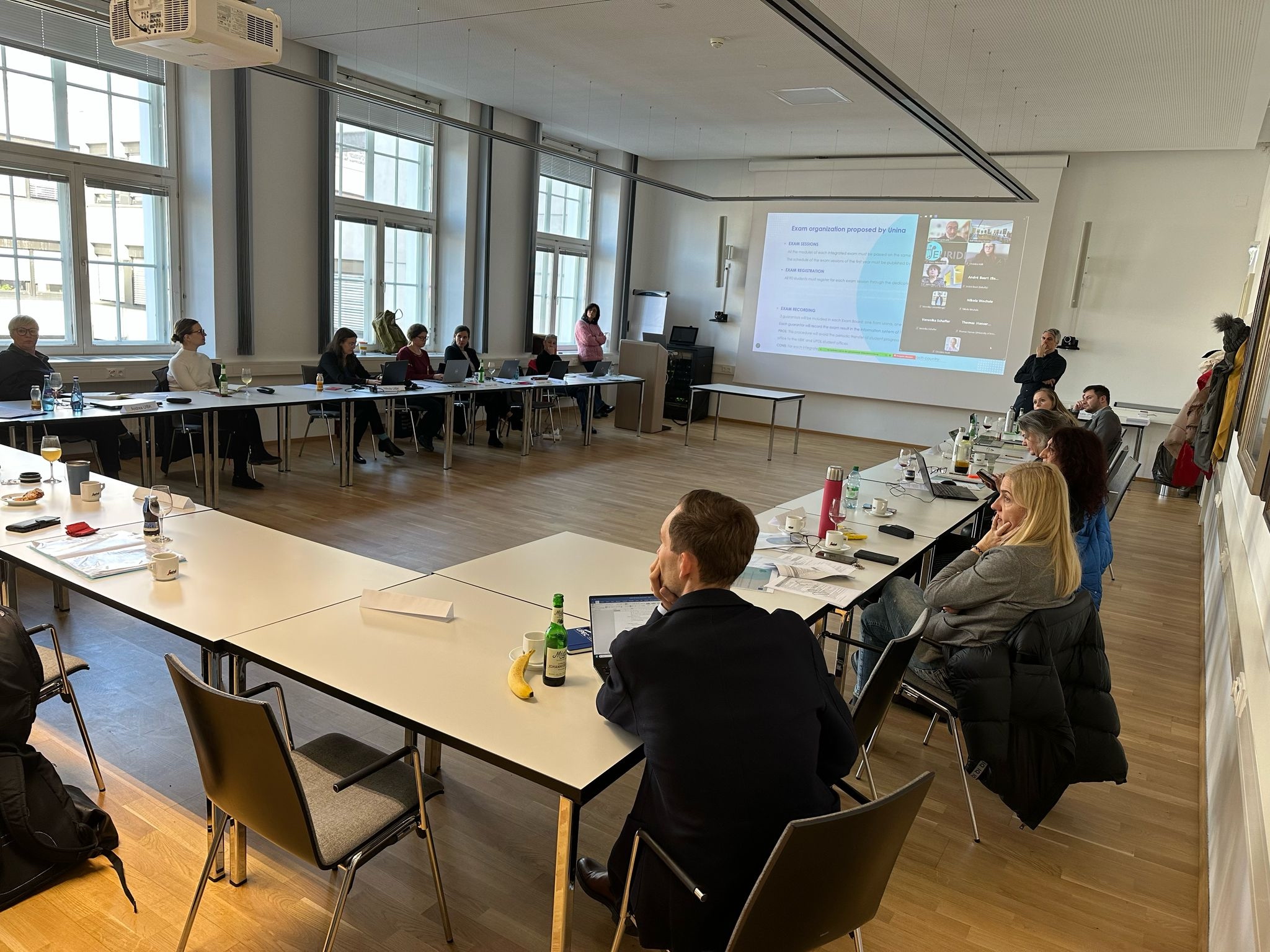
Universität Innsbruck, in cooperation with Università degli Studi di Napoli Federico II (Italy) and Palacký University Olomouc (Czech Republic) and representatives of the Université Paris-Est Créteil (France), successfully convened a hybrid working meeting to launch the hybrid Joint Master Degree Programme entitled “Digital Society, Social Innovation, and Global Citizenship” (DIGISOC).

This innovative joint programme aims to address the pressing challenges, but also the opportunities, of increasing digitalisation through a collective effort. 42 colleagues from all involved universities and participating organisations took part in this intensive working session, either on-site or online.

During the meeting, the Vice Rector for Teaching and Student Affairs at Universität Innsbruck, Univ.-Prof. Dr. Janette Walde, emphasised the need for a unified curriculum that effectively combines the diverse offerings of the three degree-awarding universities and for optional practical phases involving companies and small and medium enterprises (SMEs).

Aligning University Structures Into A Cohesive Programme

The complexity of aligning three different university structures into a cohesive programme was acknowledged as a significant challenge, but the commitment of the staff involved paved the way for future collaboration, moderated by the responsible Dean of Studies assoz. Prof. Mag. Dr. Nikolaus Umlauf and Christina Raab.

Key issues discussed included the development of scholarship opportunities, student enrollment processes, and key elements for the successful implementation of the Joint Master’s Programme. The selection process will be coordinated by Università degli Studi di Napoli Federico II. It was also agreed that each university will publish information about the Joint Master Programme and a call for scholarships, specifying the criteria and stipends, so that eligible students can apply. The aim of this initiative is to increase accessibility and to attract a wide range of students from different fields of study.

Participants also discussed in detail the creation of a comprehensive website to promote the Joint Master’s Programme. The proposed website will serve as a landing page with key information, including the application process. It is planned that the website will be ready for public access by the end of March 2025. In the meantime, the institutional information pages of the three degree-awarding universities will provide information and, of course, link to this page in the near future.

Launching of the Joint Master’s Programme

Looking ahead, the launch date for the Joint Master’s Programme is set for October 1, 2025. The universities expressed their collective commitment to address remaining challenges and completing the necessary accreditation and administrative processes in preparation for this date. The next steps will involve continued faculty and administrative collaboration, with a follow-up meeting scheduled to review progress and finalise outstanding issues.

The Joint Master Degree Programme “Digital Society, Social Innovation, and Global Citizenship” aims to prepare students to become leaders capable of managing global citizenship in a digital society while fostering social innovation; at the same time, it is a demonstration of the added value and feasibility of international cooperation in higher education.

DIGISOC originates from the Aurora Educational Hub “Digital Society & Global Citizenship”, which has facilitated the development of this two-year European Joint Master Degree Program (120 ECTS credits). Due to the ambitious and resource-intensive nature of this initiative, an additional project proposal, EURIDICE, has been submitted to the EU call DIGITAL-2022-SKILLS-03. DIGISOC has now been realised based on this call.

Edu­ca­tional Hub Event Cel­e­brates Suc­cess: Aurora Stu­dents Excel in 3MTs

Over 40 educators, researchers, administrators, and students from seven Aurora partner universities – Palacký University Olomouc, Universität Innsbruck, University of Duisburg-Essen, Université Paris-Est Créteil, University of Iceland, Universitat Rovira i Virgili, and University Federico II of Naples —came together for a week to collaborate during the combined Blended Intensive Programme (BIP) for staff and students.

Sustainability Meets Culture: Interdisciplinary Insights and Engaging Dialogues Between Research Groups

The Educational Hubs meeting unveiled surprising commonalities among otherwise distinct disciplines. Members of the Sustainability and Climate Change group discovered valuable intersections with the Culture: Diversities and Identities group, leading to engaging discussions on topics such as ecocriticism and the management of natural resources. Notably, the connection between ecological farming, fertilizer management, and literary studies highlighted the synergies between environmental issues and cultural narratives.

The first four days of the week focused on multidisciplinary projects and initiatives in research and teaching, addressing themes like Cooperative Online International Learning (COIL) and the development of new bilateral partnerships. Janette Walde, Vice-Rector for Teaching and Student Affairs at UIBK, expressed her excitement about the wealth of ideas generated in such a short timeframe. “It’s incredible how many implementation opportunities can emerge in such a short period!” Prof. Barbara Buchenau from UDE added, “The stunning backdrop of the Austrian mountains and the serenity of the surroundings allowed us to harness the power of nature and gain fresh scientific insights.”

Concise, compelling, and convincing: The 3MT competition showcases the art of science communication

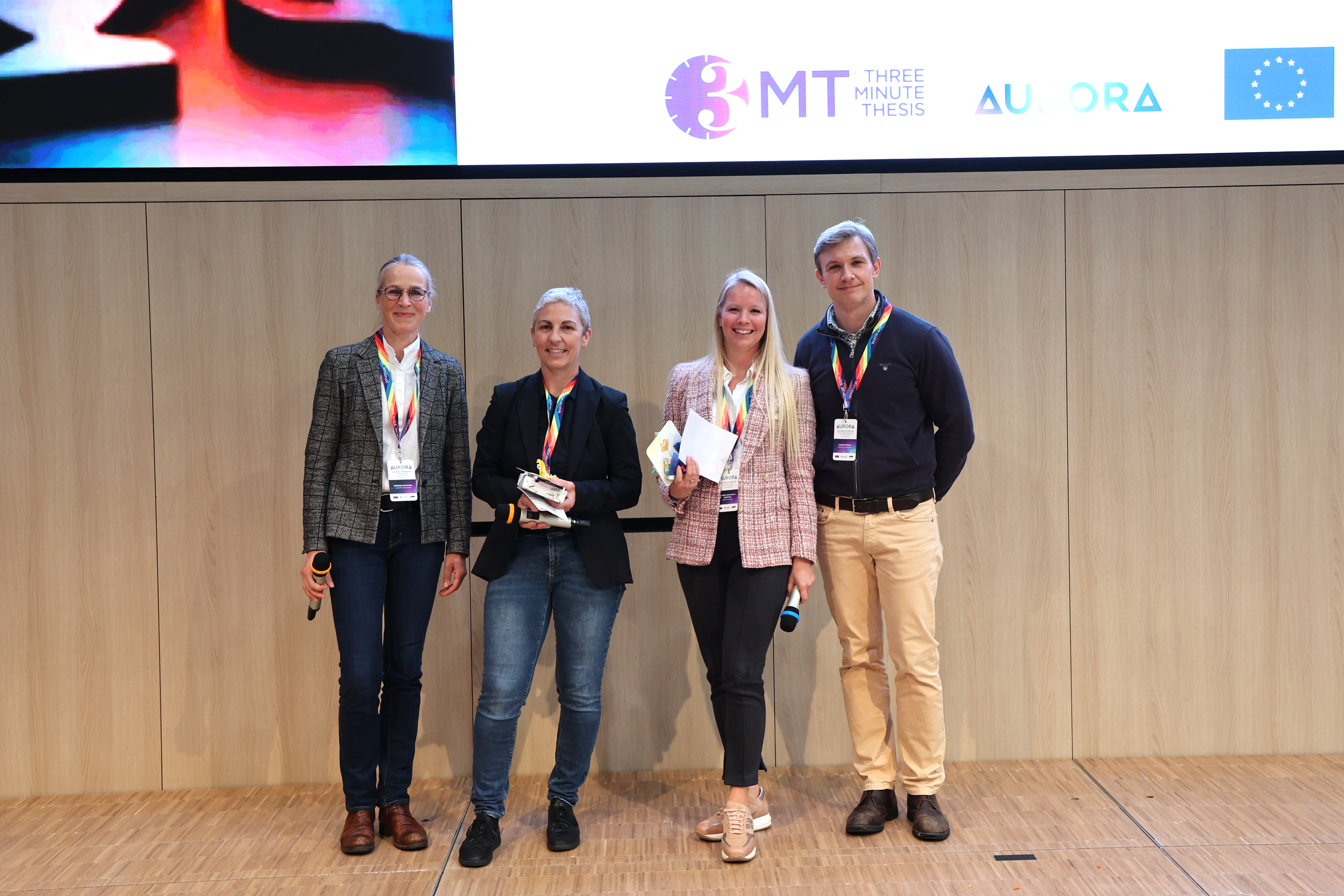
A diverse and international group of students participated in training sessions on science communication, practicing the 3MT (Three Minute Thesis) presentation style developed at the University of Queensland. In this challenging format, participants present their research in just three minutes, supported by a single static slide and their voice. Under the guidance of science communication experts Suzanne Whitby, Stéphane Kenmoe, Melanie Bartos, and Toby Wikström, the students transformed their initial, uncertain attempts into clear and engaging presentations.

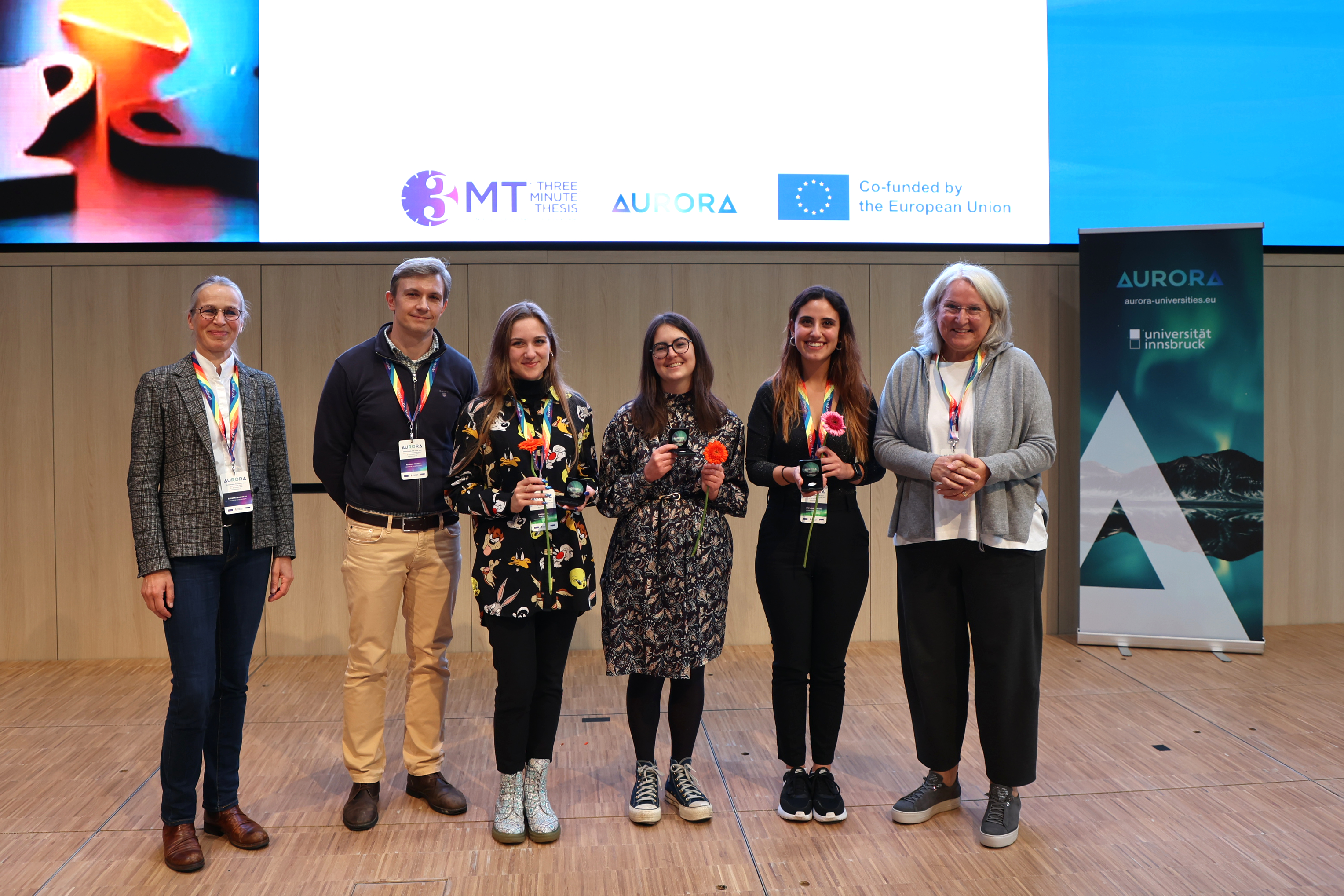
The event culminated on Friday, October 25, in a competition where an international jury evaluated the students’ 3MT presentations and conducted an online voting for an audience award. In front of a multidisciplinary audience, the finalists showcased remarkable expressiveness and communication skills. Marharyta Hodeieva from UPOL (“Healing Through Stories”), Juliette Direur from UPEC (“Can Breathing Be Dangerous?”), and Stéphanie Chedid from UPEC (“Transporting: Plants to Planes”) all received jury awards, with the latter also winning the audience award.

This event not only showcased the exceptional talent and creativity of Master’s and PhD students but also highlighted the power of collaboration across disciplinary boundaries. The connections made and insights gained during this week will undoubtedly inspire future projects and partnerships within Aurora and beyond.

Photogallery

Aurora Digital Campus: Laying the Foundations for a Joint Digital Campus

Over the course of four intensive days, IT experts and administrative staff gathered at Universität Innsbruck to set the course for a joint digital campus.

Part of the Aurora 2030 project includes enabling seamless access to educational and training activities for students and staff from Aurora universities. Set under Task 6.1. Aurora IT Development & Services of work package 6 for Green and Digital Campus, this task further aims to deliver shared interoperability, in line with the expansion of EU standards for online authentication and authorization to access digital services.

The starting point of these discussions was to develop a common understanding of the digital campus. Three key building blocks were identified. The first building block is a common central course catalogue that collects information on courses from each individual university system. From this foundational block come procedures for automated enrolment and course registration processes in the local systems. This includes access to the local teaching management systems. Finally, the last building block constitutes the issuance, exchange and archive of digital credentials, for which new IT solutions will need to be developed.

For the joint course catalogue, a pilot that has already been developed will be expanded to include Aurora universities the Vrije Universiteit Amsterdam and the Universität Rovira i Virgili (URV). The functionality of this joint course catalogue will be further tested. The University of Duisburg-Essen and the URV will also develop a proof of concept for automated enrolment and course registration within the local university systems. In the meantime, the Universität Innsbruck and the University Federico II of Naples will be responsible for developing a concept for digital credentials.

The four-day meeting and workshop culminated in setting up additional working groups to tackle the various topics and to further realise the plans for a joint digital campus for Aurora universities.

Fostering Community Building through Blended Intensive Programme at Universität Innsbruck

Foster community building: This was the overarching theme of the first Aurora BIP Staff Week, which took place at Universität Innsbruck from October 2-6, 2023. Participants from almost all Aurora partners – coming from both academia and administration – exchanged manifold ideas with colleagues from Universität Innsbruck to develop new activities and projects.

With more than 50 members of staff, the first Aurora Staff Week at Universität Innsbruck was a great success. In different formats and settings, the main topics of Transformative Education, Innovation Management, Societal Engagement, and Internationalization were explored in depth over several days. Best practices from Universität Innsbruck and the Aurora partner universities served as the basis for the exchange, stimulating a mutual dialogue in the sense of peer learning and opening space for creativity and new ideas.

“Personal encounters are incredibly important for a network like Aurora to be filled with life,” emphasises Rector Veronika Sexl, who is responsible for international affairs at Universität Innsbruck. “I am very pleased that so many colleagues, both in-house and from the Aurora partner universities, have actively taken up the invitation to exchange ideas and that new projects are already in the pipeline.” The “matchmaking sessions” were particularly fruitful, where concrete new activities, such as the development of joint courses, could be discussed in individual smaller settings.

First Erasmus+ Blended Intensive Programme (BIP) hosted by Universität Innsbruck

The Aurora Staff Week, which was funded and organised as an Erasmus+ Blended Intensive Programme (BIP), took place in Innsbruck after a virtual exchange of participants in September. For the first time, the Universität Innsbruck served as a hosting institution for the event. The Aurora Staff Week will conclude with a virtual follow-up meeting at the end of October.

BIPs are teaching/learning formats jointly run by several universities and combine virtual components with physical short-term mobility (“blended”). BIPs are a new mobility format embedded in the Erasmus program, implemented as part of the Erasmus program generation 2021-2027. Within Aurora, the general goal is to develop more joint BIPs between Aurora partners in the coming years. These can be used for training as well as teaching purposes.

Aurora Networking: Universität Innsbruck and Università degli Studi di Napoli Federico II successful joint meeting

From March 28th to March 30th, 2023, the Aurora facilitated a meeting of quantum physicists from the University of Naples Federico II (UNINA) and Universität Innsbruck (UIBK). The purpose of this gathering was to share insights into their respective research fields, explore synergies, and establish the foundation for future collaborative projects.

The three-day event, hosted by UIBK, began with a warm welcome from Professor Francesca Ferlaino, an alumnus of UNINA. Vice Rector for Research and fellow physicist Gregor Weihs also extended his greetings to the delegation on behalf of UIBK.  Thomas Baumgartner and his Aurora Alliance Office team in Innsbruck introduced the structure and focus of the Aurora Alliance, highlighting successful cooperation initiatives, including joint courses, micro-credentials, and staff mobility opportunities. This set the framework that guided the researchers in their discussions and brainstorms over the following days.

Day two of the event featured in-depth discourse on each delegation’s research fields, laboratory visits at UIBK, and lively debate on potential joint projects. These exchanges allowed the participants to better understand each other’s expertise and identify areas of mutual interest.

During the last day, in the pleasant and stimulating environment of the Claudiana, a hall that links Italy and Austria with its history, the participants enthusiastically discussed short- and long-term goals. These, thanks to the participation of Alessandro Arienzo and Dejan Lukovic from the Aurora offices in Naples and Innsbruck respectively, were immediately considered in terms of feasibility.

With the groundwork laid for collaboration, the first joint initiative is slated to commence this summer. This promising partnership between UNINA and UIBK is poised to foster impactful advancements in the field of quantum physics, benefiting both institutions and the scientific community at large.


First Aurora micro-credential “Sustainability & Climate Change” awarded

On 2 February 2023, Universität Innsbruck awarded the first micro-credential certificate to Giusi Merola from Università Federico II di Napoli. The micro-credential, part of the Aurora joint programme on “Sustainability & Climate Change,” was awarded for Giusi’s completion of 10 ECTS credits.

Giusi is the first student, not just at Federico II but throughout the Aurora European University Alliance, to receive a micro-credential, making her the trailblazer for a new era in higher education within Aurora. A micro-credential is a record of the learning outcomes acquired after a short course of study. The courses are designed to provide students with specific knowledge, skills, and competencies that meet societal, personal, cultural, or labour market needs. Micro-credentials are portable and can be shared with potential employers or higher education institutions.

Giusi’s experience with the micro-credential was overwhelmingly positive. She shares, “During the lessons, we learned about climate change from various perspectives: anthropological, social, cultural, and scientific. We were given the tools to identify the realities that truly care about sustainability. As a final test, we wrote a report identifying companies close to receiving the B-Corp certification and developed a social start-up project which was presented at the European Forum of Alpbach in Austria to hundreds of students and investors. The experiences enriched me as a person, added valuable skills to my CV, and created numerous online and offline connections.”

The “Sustainability & Climate Change” micro-credential is a unique and innovative approach to learning that aligns with the European Council Recommendations. The micro-credential allows participating universities to share the latest research results with students in real time through research-led teaching and challenge-based learning. The certificate not only strengthens opportunities for inclusive international learning but also engages all partners in the Aurora Alliance to provide quality education. Moreover, the micro-credential certificate represents the effort for interoperability of the Aurora universities’ IT systems and connection to common European interfaces and platforms, such as Europass and European Digital Credentials for Learning. This is a further step to help overcome recognition problems that still exist in some places, often due to national study laws.

Universität Innsbruck’s issuance of the first micro-credential certificate demonstrates the potential for a new and innovative approach to learning across Aurora universities. The “Sustainability & Climate Change” micro-credential provides students with a unique opportunity to gain specialized knowledge and competencies while simultaneously addressing the challenges posed by climate change.

Virtual Lecture Series and Early Career Networking Hour

The Societal Challenges Lecture Series is aimed at early career researchers with a two-fold objective: delivering cutting-edge academic analysis on the diverse problems of our times, and providing international networking opportunities for doctoral researchers and postdocs. The lecture series aims at providing an antidote to impulsive disaster talk through perceptive academic analysis.

Outstanding researchers within the Aurora European University Alliance will give engaging online lectures during the academic year 2023 within two of the Aurora priority domains:

  • Digital Society & Global Citizenship
  • Health & Wellbeing

Delivered online via Zoom, each event begins with a 30-45 minute lecture by an outstanding researcher. You can register for individual dates or the entire series. Following the talk, you will have the opportunity to discuss the lecture, formulate questions for the speaker, and network in breakout rooms for 20 minutes. Finally, the audience and speaker reconvene for a well-prepared, stimulating Q&A.

Take the opportunity to meet your peers as well as renowned researchers from the Aurora partner universities. Expand your network and maybe even start new collaborations in your research area!
Participation will be certified upon request.

Find out more information about the program and registration here.