Governance, Strategy And Sustainability Focal Points At The Aurora Executive Committee Meeting In Paris
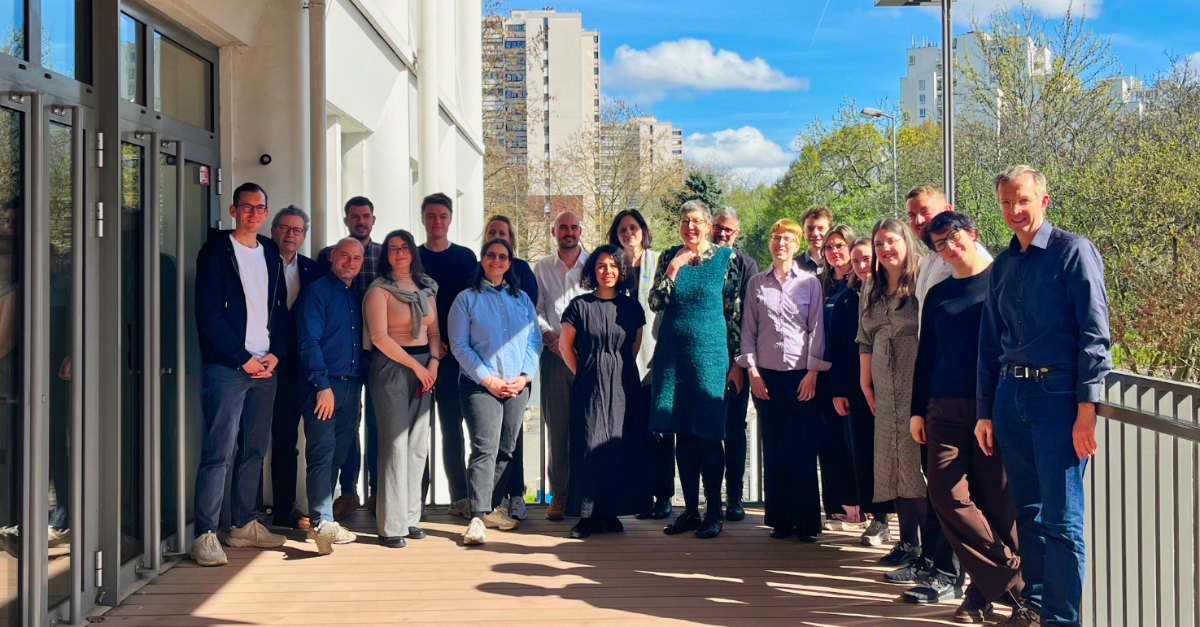
In March 2026, Aurora’s vision of matching academic excellence with societal impact came together during the Aurora Executive Committee hosted by the Université Paris-Est Créteil (UPEC). Over two intensive days, members of the Aurora Central Office and Institutional Coordinators from all nine Aurora universities exchanged on governance, educational strategy and sustainability.

From left to right: Thomas Baumgartner, Joan Miquel Canals, Bruno Catalanotti, Jordi Serra Calvó, Anna Savostina, Alexander Lindemans, Chiara Cardigliano, Esmee Paques, Niels Hexspoor, Maria José Montaña Correa, Ivona Barešová, Petra Günther, Pasquale Sellitto, Anne-Karen Hüske, Dejan Lukovic, Fanney Karlsdottir, Svandís Halldórsdóttir, Julia Tackenberg, Tomasz Walicko, Selma Porobic, and Martin Schwell
Governance and Strategic Vision
The starting point that kicked off the meeting focused on the current governance and long-term strategic vision for Aurora. From governing, managing, to executing operations, Institutional Coordinators (ICs) reflected on the Aurora organisational structure, and the roles and responsibilities of each layer within.
In three working groups, the ICs clarified the embeddedness of their universities in Aurora, the engagement of key leadership roles, and the process of decision-making across the alliance. They further discussed about the position and purpose of external boards.
The thought-provoking exchange on governance set the scene for the sessions that followed on the overall Aurora strategy and in particular, educational strategy. ICs reiterated the importance of institutional alignment in addition to existing alliance-level alignment when it comes to meeting research and education objectives together.
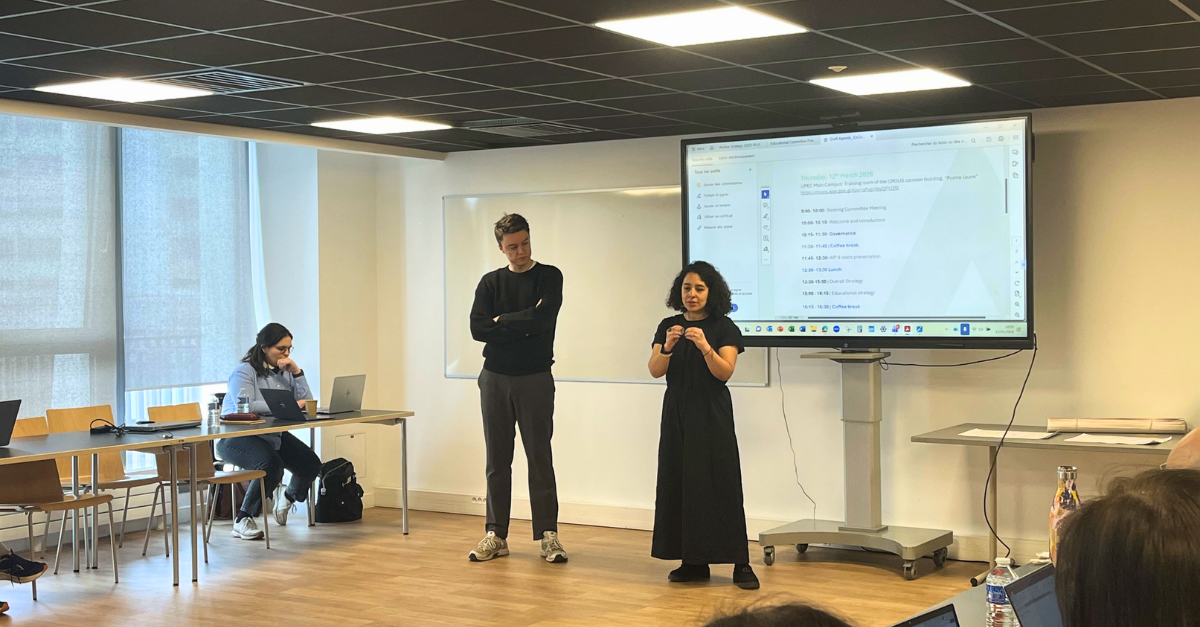
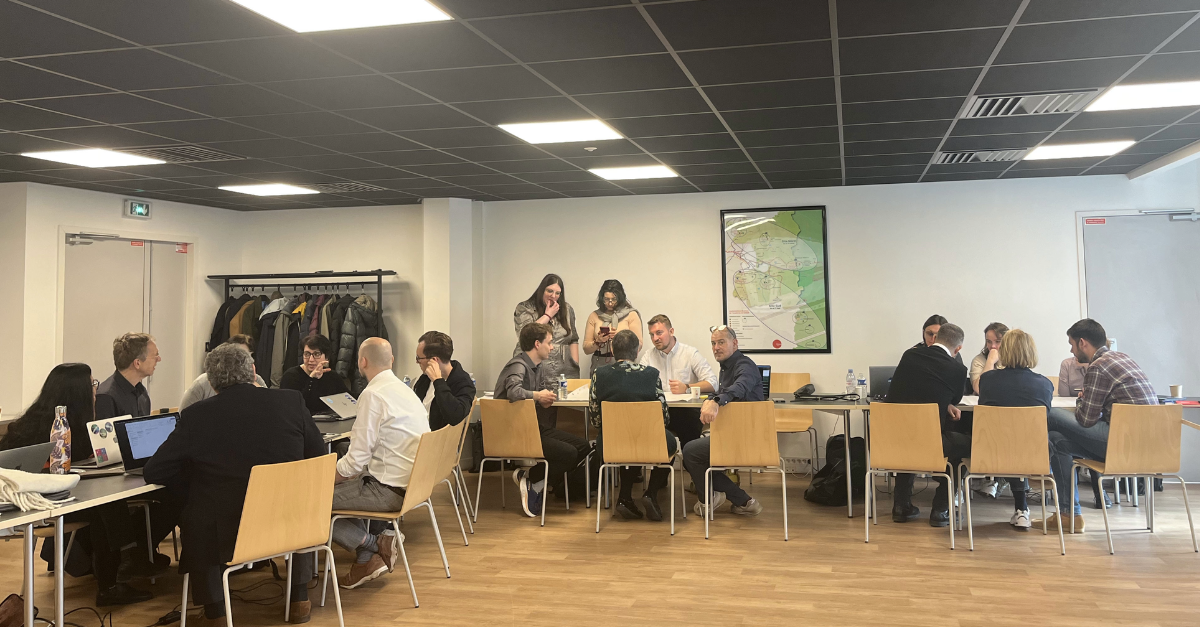
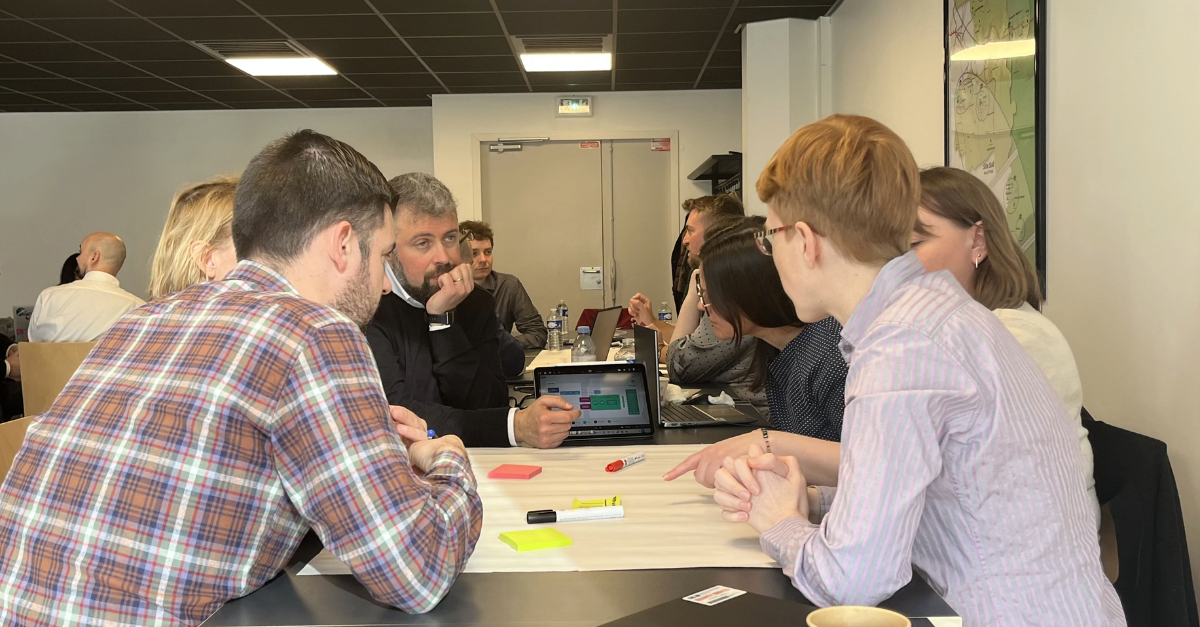
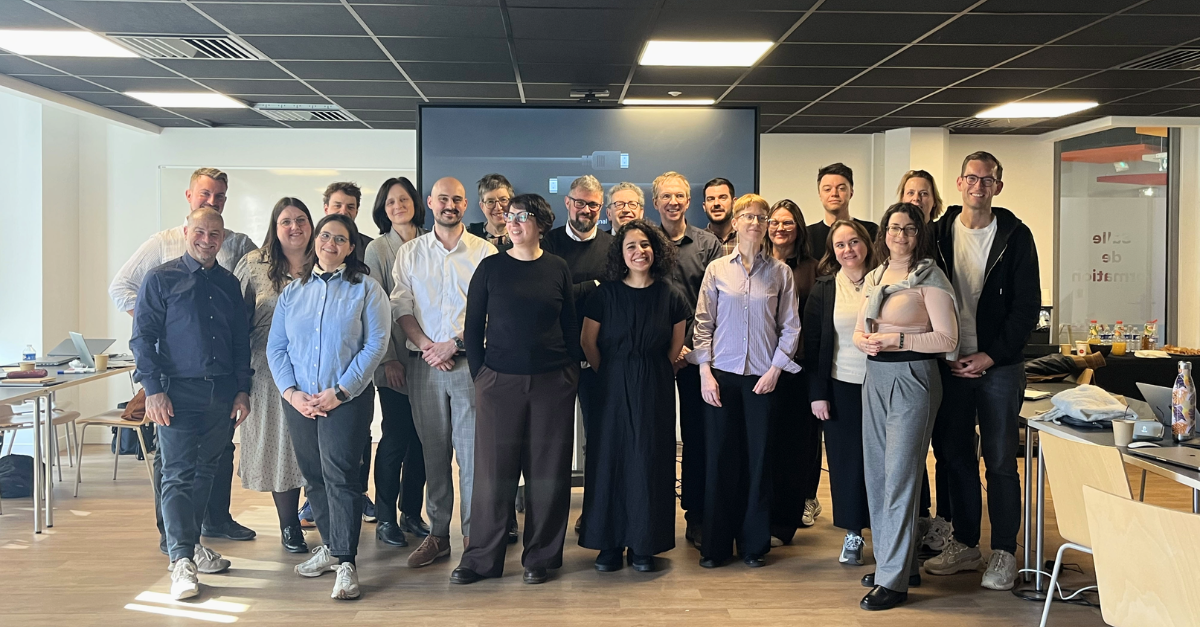
Aurora Central Office members, Institutional Coordinators, and university representatives reflected on key topics over two days of meetings, presentations and workshops
Charting the Way Forward
A broader discussion ensued, touching on the feedback from the Aurora 2030 progamme mid-term evaluation. Members of the Aurora Central Office and ICs highlighted major progress in the first half of the programme, and spoke about the developments yet to be achieved by the end of the funding period in November 2027.
The conversation then turned toward preparations for the future Erasmus+ call that can offer Aurora the possibility of a two-year extension of its programme under the framework of the European Universities Initiative. To better anticipate the writing of the proposal, the group agreed on the creation of a coordination committee where target stakeholders actively participate and have specific responsibilities pertaining to their expertise.
The Aurora Executive Committee meeting closed with a presentation of the Aurora Annual Conference 2026. The in-person conference is scheduled to take place from 18 to 20 May at the University of Duisburg-Essen (UDE) campuses, and gathers over 200 academics, staff, students, and external stakeholders from across Europe. A space to debate ideas, exchange perspectives, share best practices, and chart the way forward as one.