Author: Anna Klas

Aurora is growing

It is with great pleasure that we welcome a new university, Université Paris-Est Créteil, to the Aurora European University. At the Aurora 2022 Spring Biannual in Innsbruck, Aurora President Jón Atli Benediktsson and President of the Université Paris-Est Créteil, Jean-Luc Dubois-Randé signed a memorandum of understanding (MoU), expressing their mutual intent to establish a strong and deep collaboration through the activities of the Aurora European University Alliance. Additionally, we are also very pleased to announce that, after having been an associate member of the Aurora Network, Palacký University Olomouc will become a full member of the Aurora Network.  

We are delighted that Université Paris-Est Créteil is joining the Aurora Alliance; first, as an associate partner of the current activities and thereafter as a full member in the next funding bid. The objectives and visions of both Aurora and the Université Paris-Est Créteil are closely aligned and we are very much looking forward to working together on common substantive issues, thereby strengthening our institutions, contributing to the local communities we serve, and bringing us closer to achieving the aims of the European Universities Initiative.

After the signing of the MoU, Jean-Luc Dubois-Randé said, “It is a great pleasure, and I am honoured to be with you today. We feel very comfortable with [Aurora], because we have the same values […]. Diversity is not a problem, it is a richness, and [Aurora] has the same perspective. […] We will be on board [in Aurora] very quickly and very seriously.”

At the Biannual, the Aurora Presidents also voted in favour of Palacký University Olomouc (Czech Republic) becoming a full member of the Aurora Network. Palacký, already a full member of the Aurora European University Alliance, was welcomed and congratulated by the Aurora Presidents. Founded in the 16th century, it is the oldest university in Moravia and the second-oldest university in the Czech Republic, and it is one of the most important Central European centres of education and research. As the Aurora lead on the Capacity Development Support Programme and more recently the lead on the workaround acute aid for Aurora’s Ukrainian partner university, Karazin Kharkiv University, Palacký University Olomouc’s expertise and commitment to Aurora have made it an invaluable member, and we are excited about this opportunity for even closer collaboration, moving forward.
Vice-Rector for Strategy and Regional Affairs and UP’s Aurora Strategic Manager Michal Malacka said, “We are very pleased to have become a full Aurora Network member after one and a half years of intense Aurora Alliance collaboration. We are grateful to all who have paved the way and made this possible, and a personal thank you to all the Aurora Presidents for their vote of confidence. We are keen to deepen our partnership even further and work together on innovative education, research, and sustainable growth.”

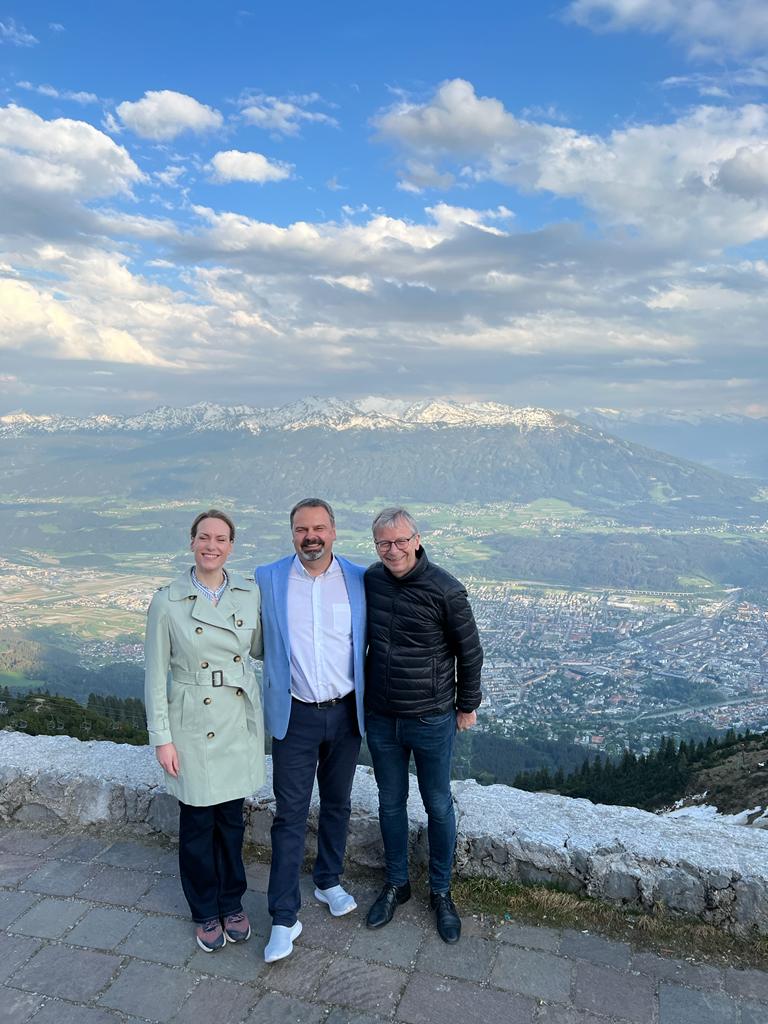
Aurora Secretary-General, Anne-May Janssen, Vice-Rector for Strategy and Regional Affairs, Michal Malacka, and Aurora President Jón Atli Benediktsson
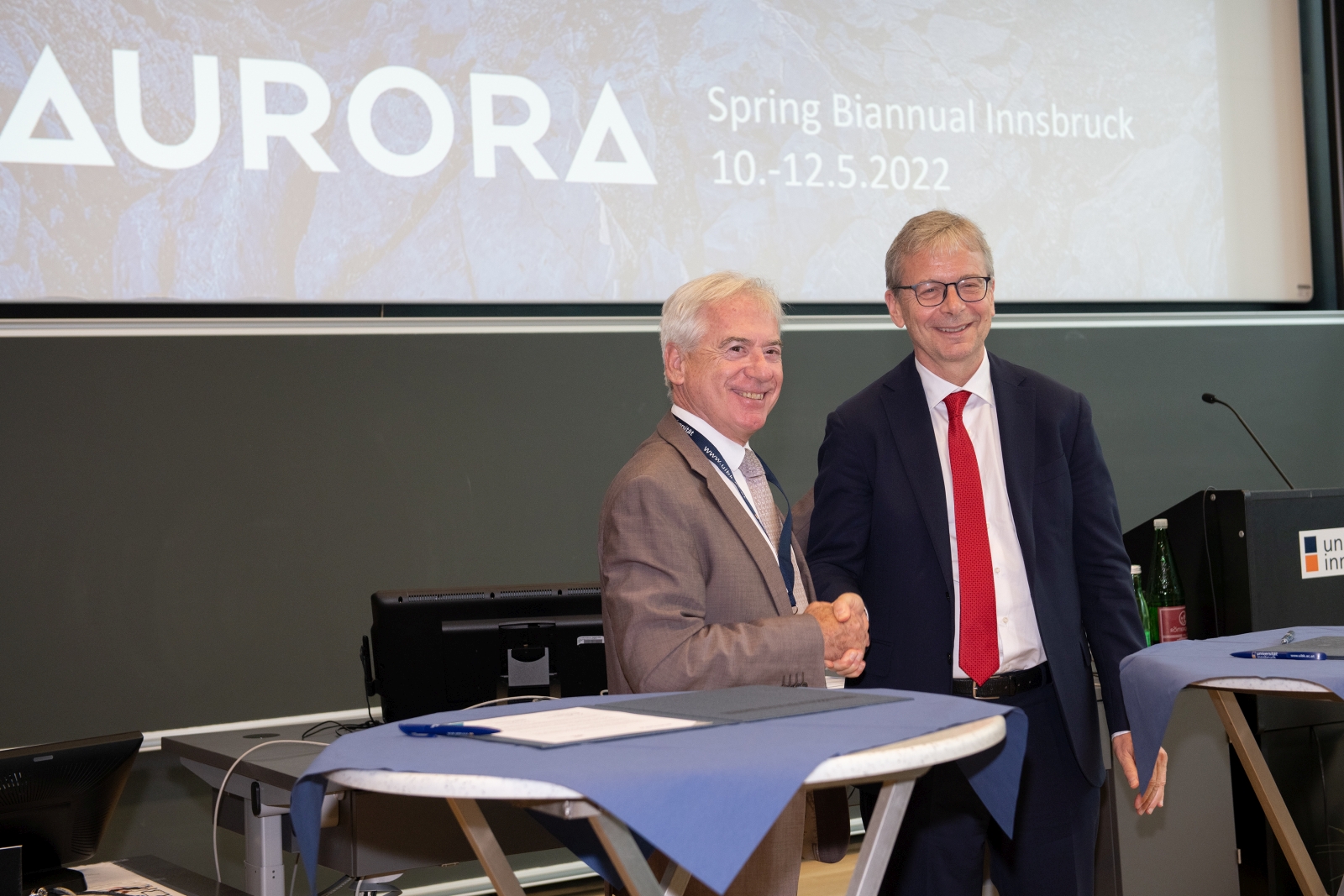
President of the Université Paris-Est Créteil, Jean-Luc Dubois-Randé, and Aurora President, Jón Atli Benediktsson, after signing the MoU

The Aurora Spring Innsbruck Biannual: Taking stock and looking toward the future

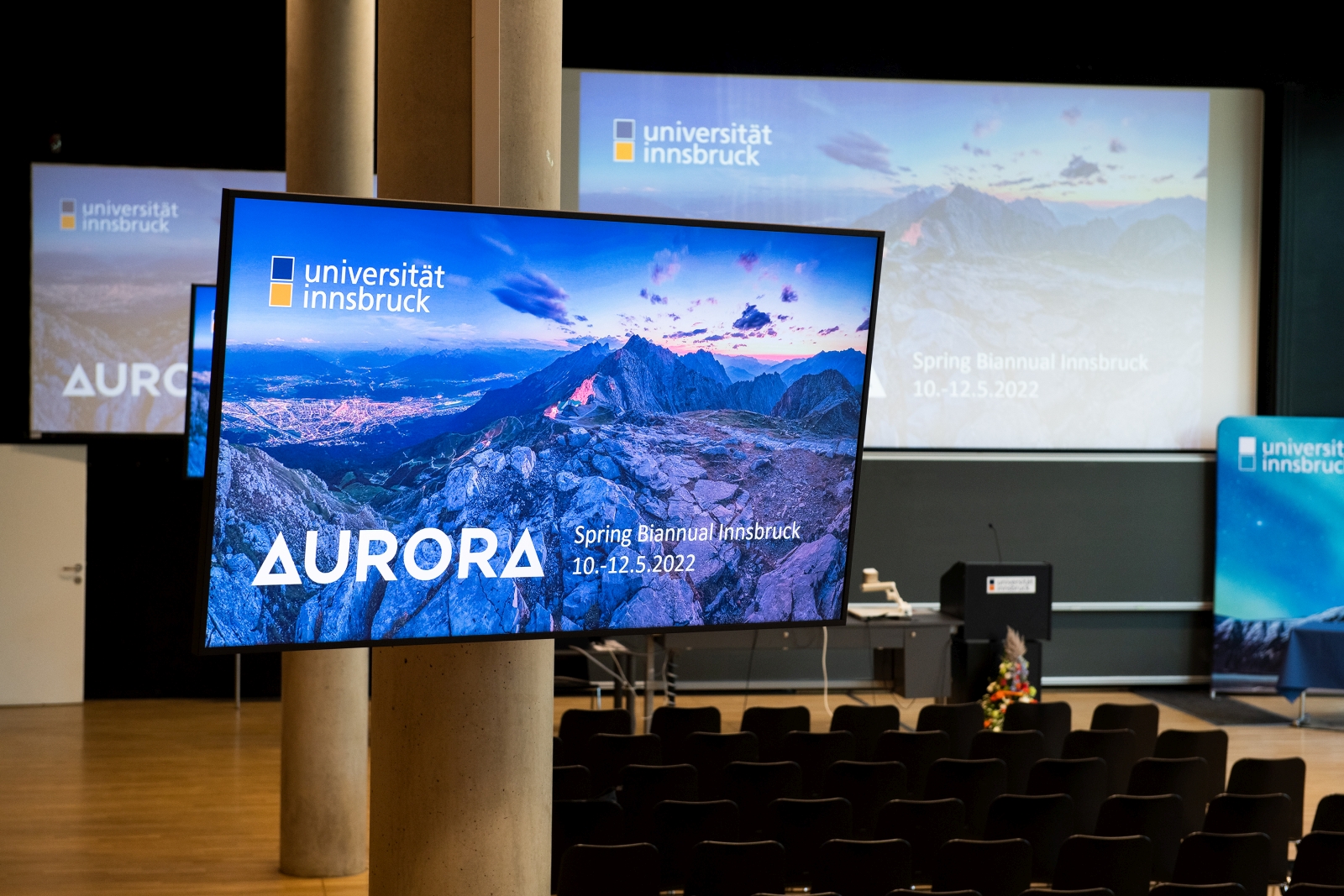
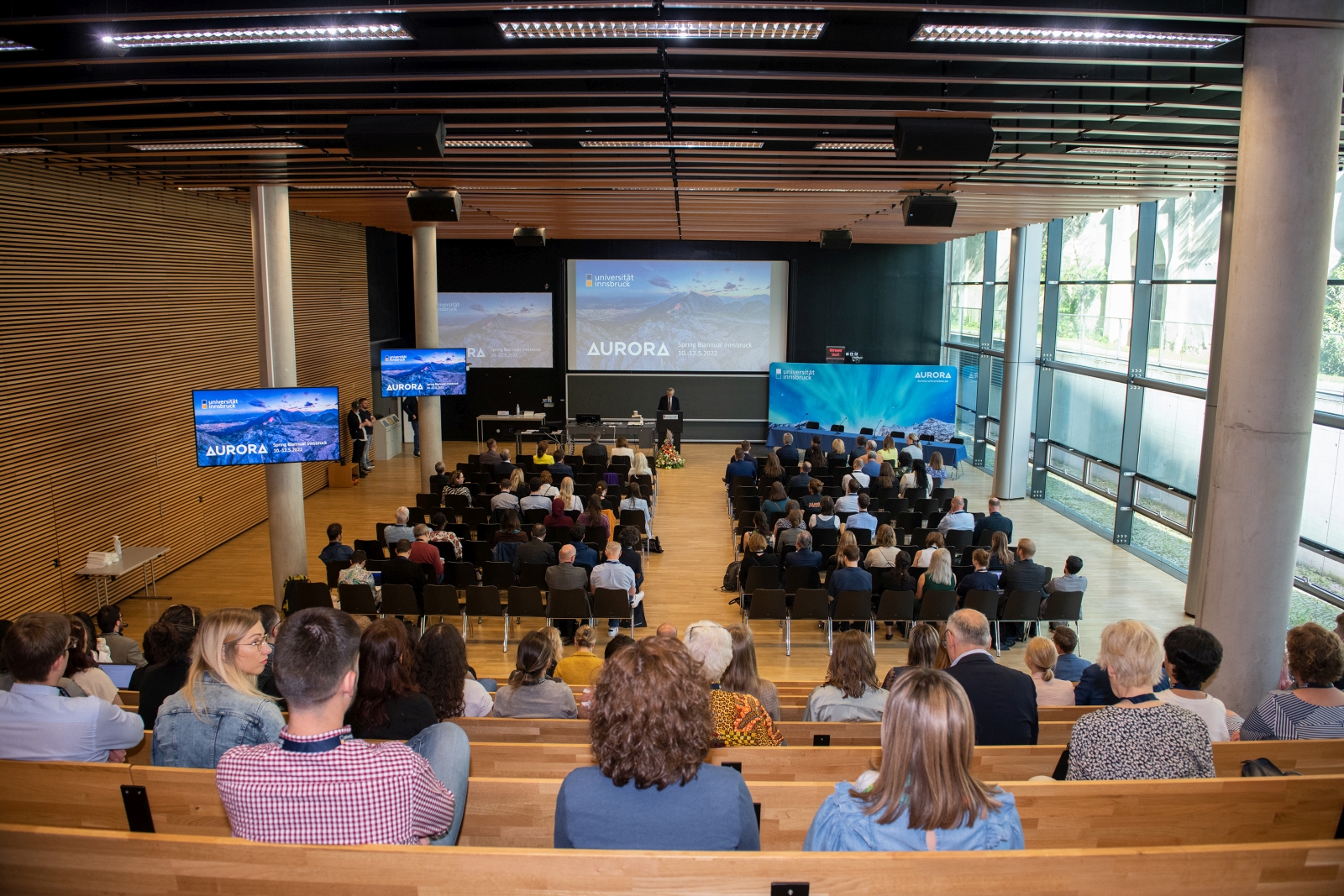
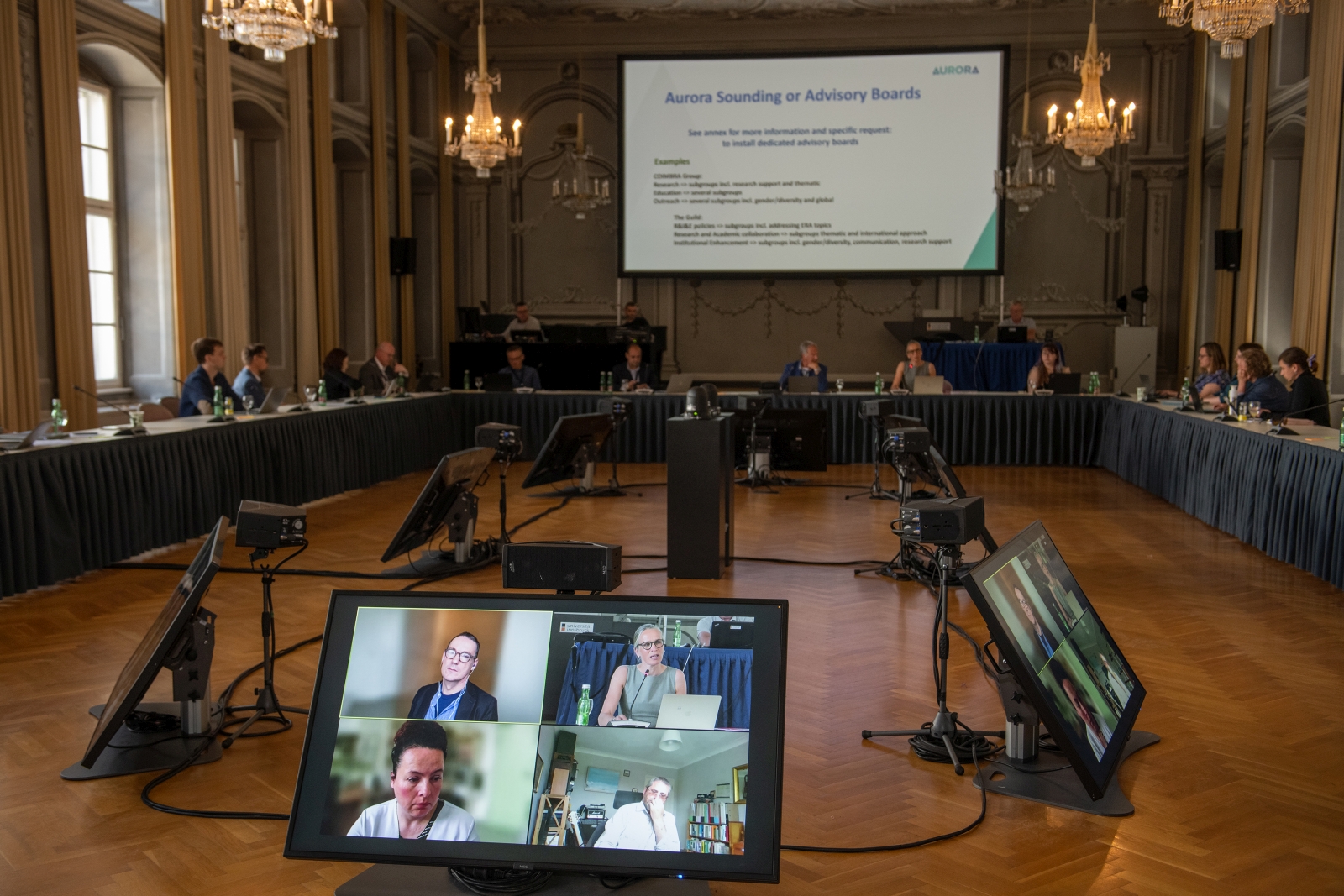
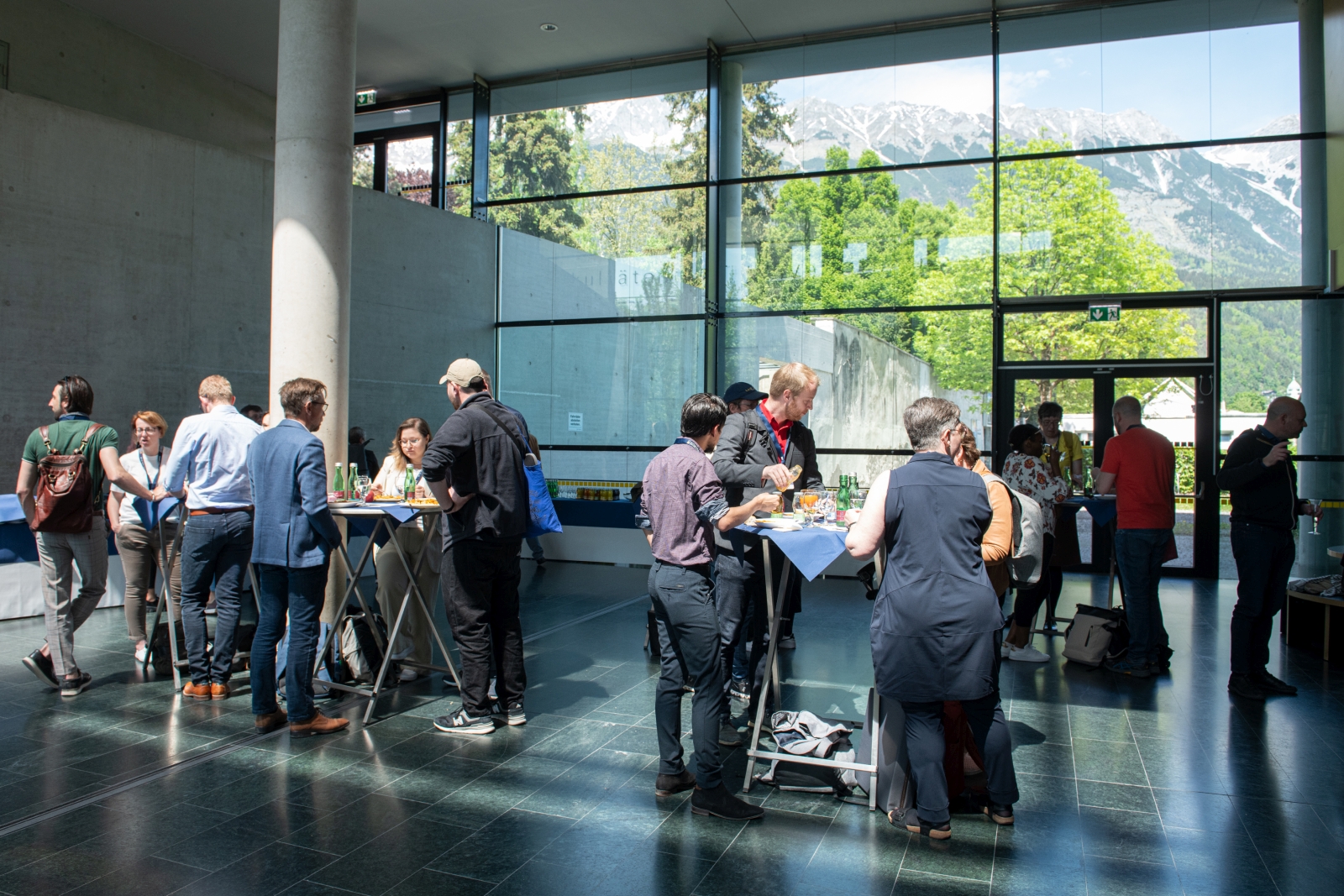
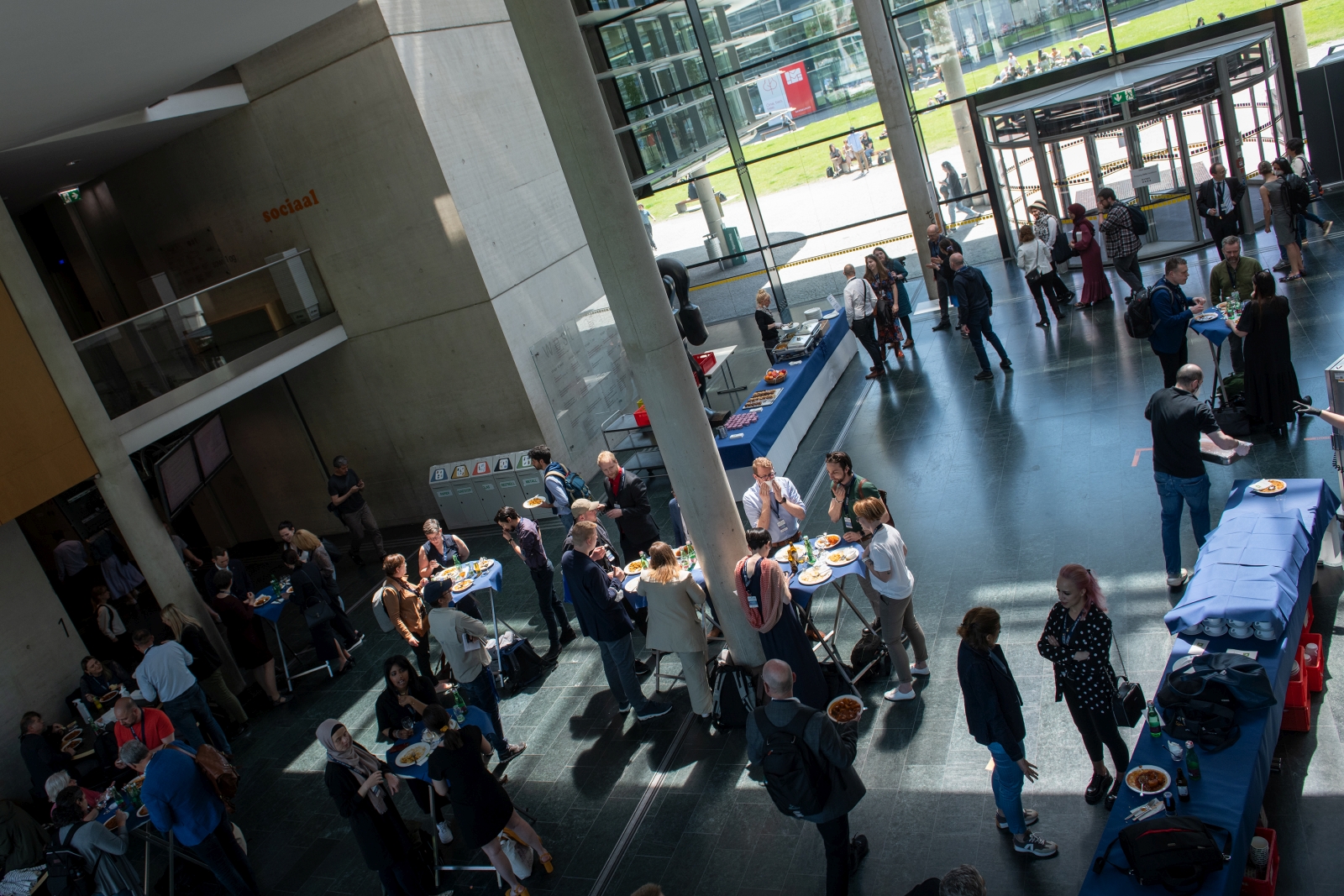
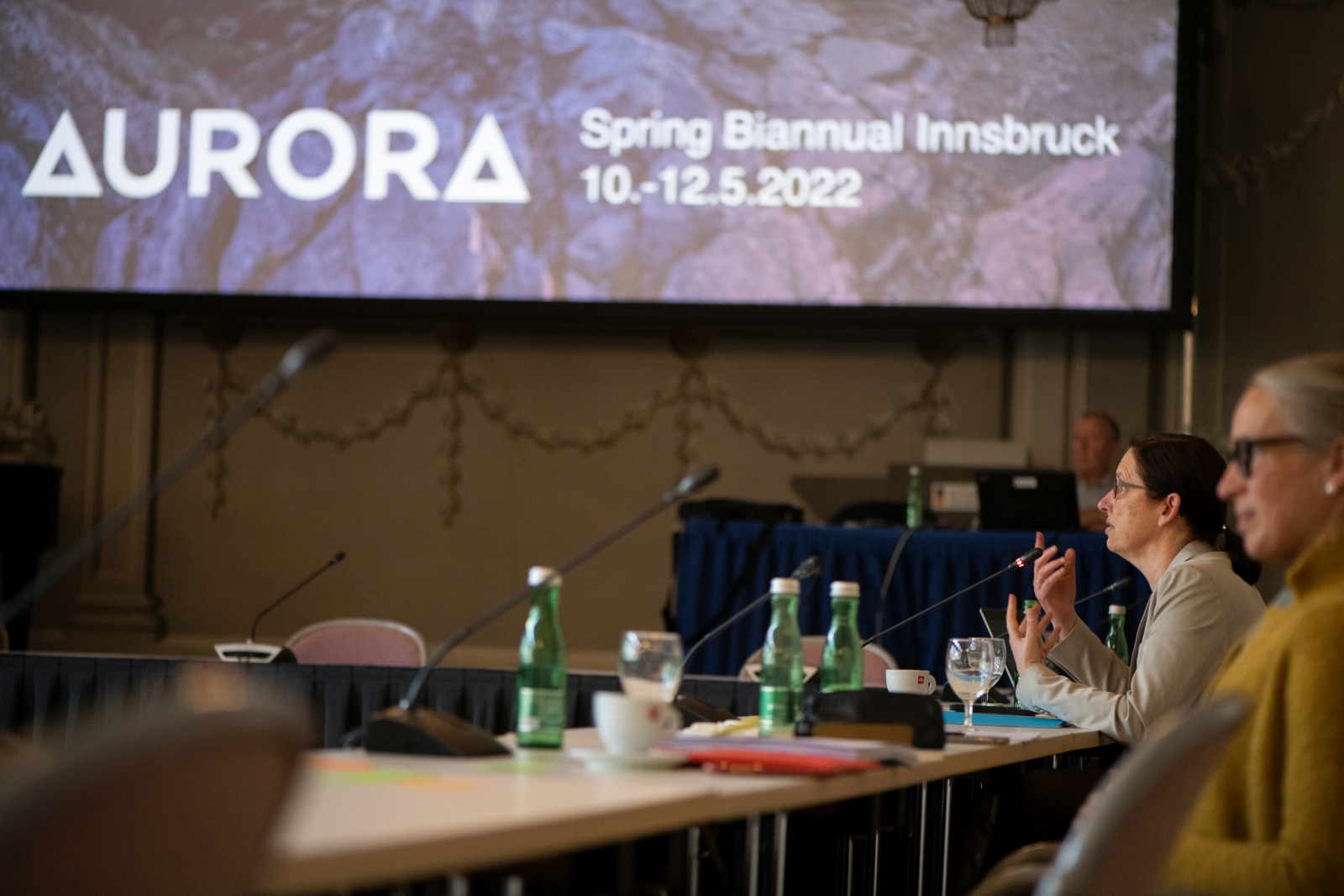
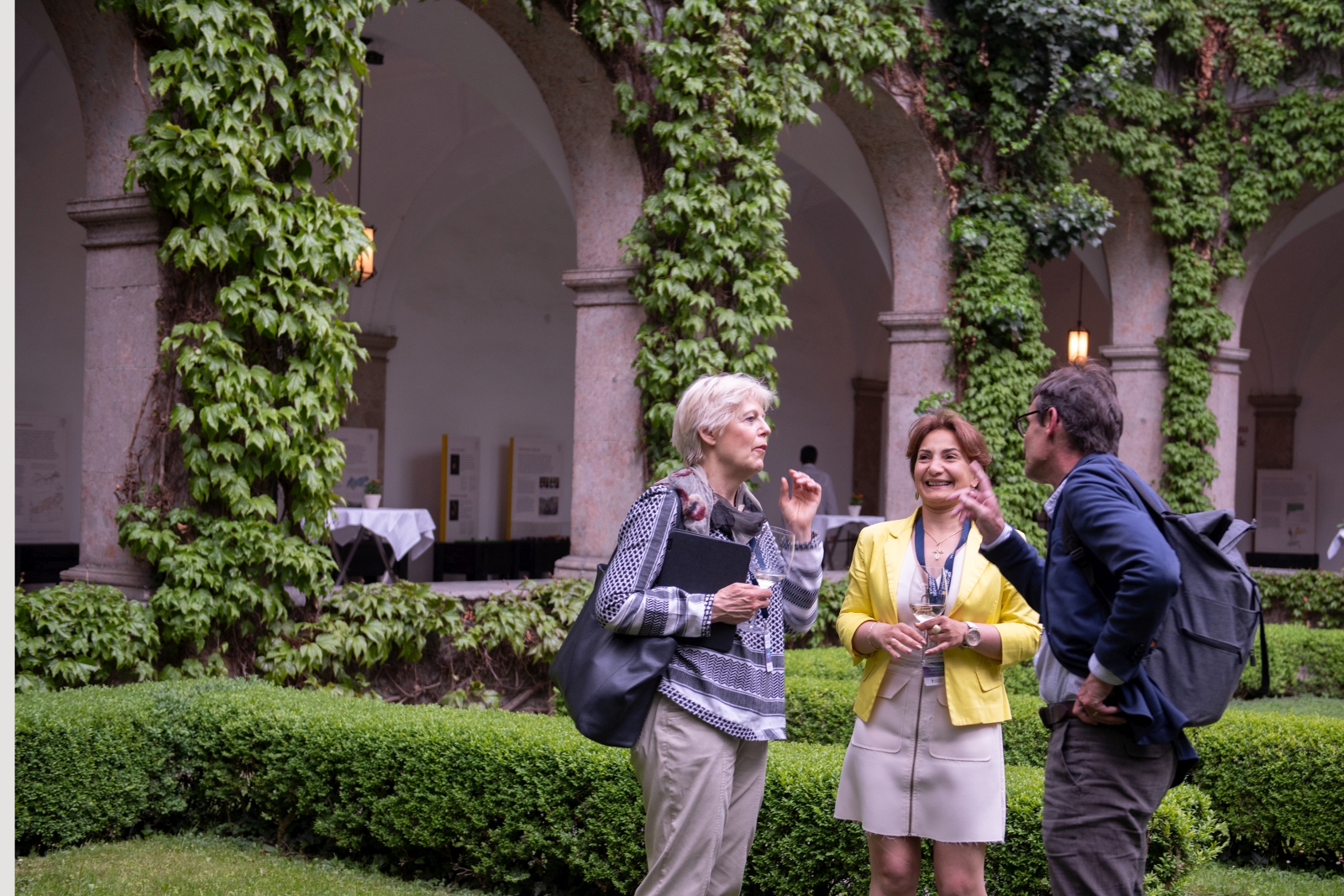
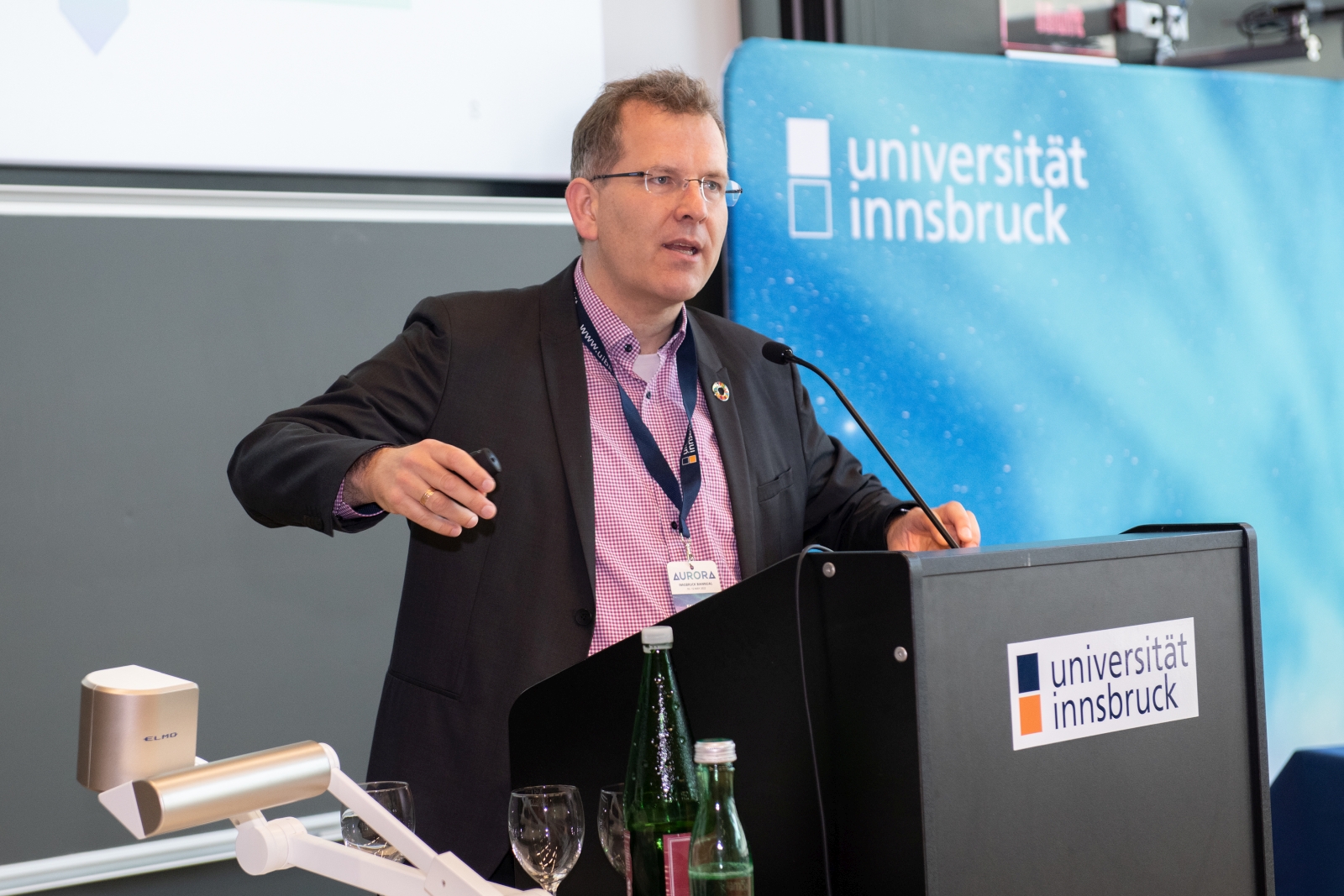
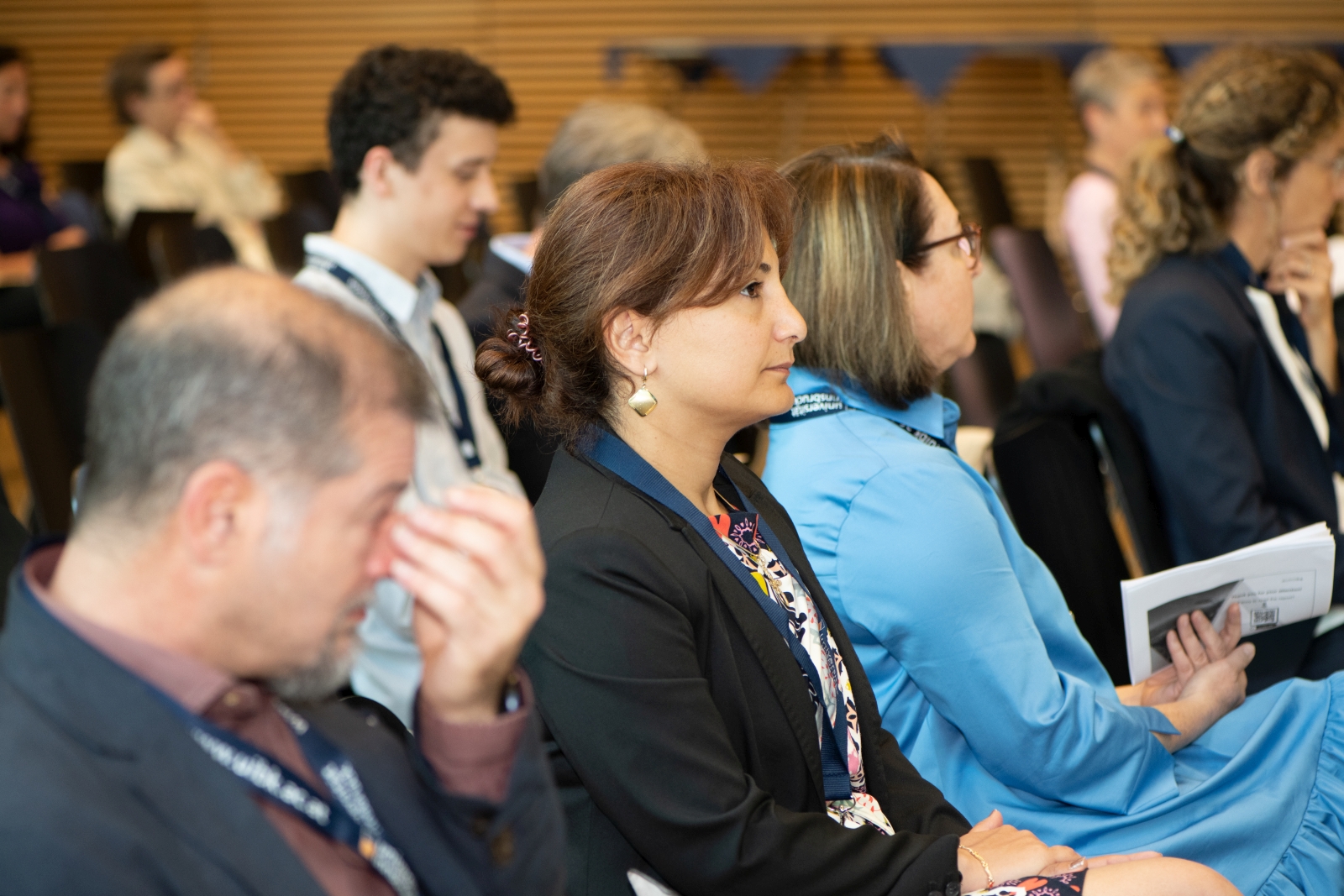
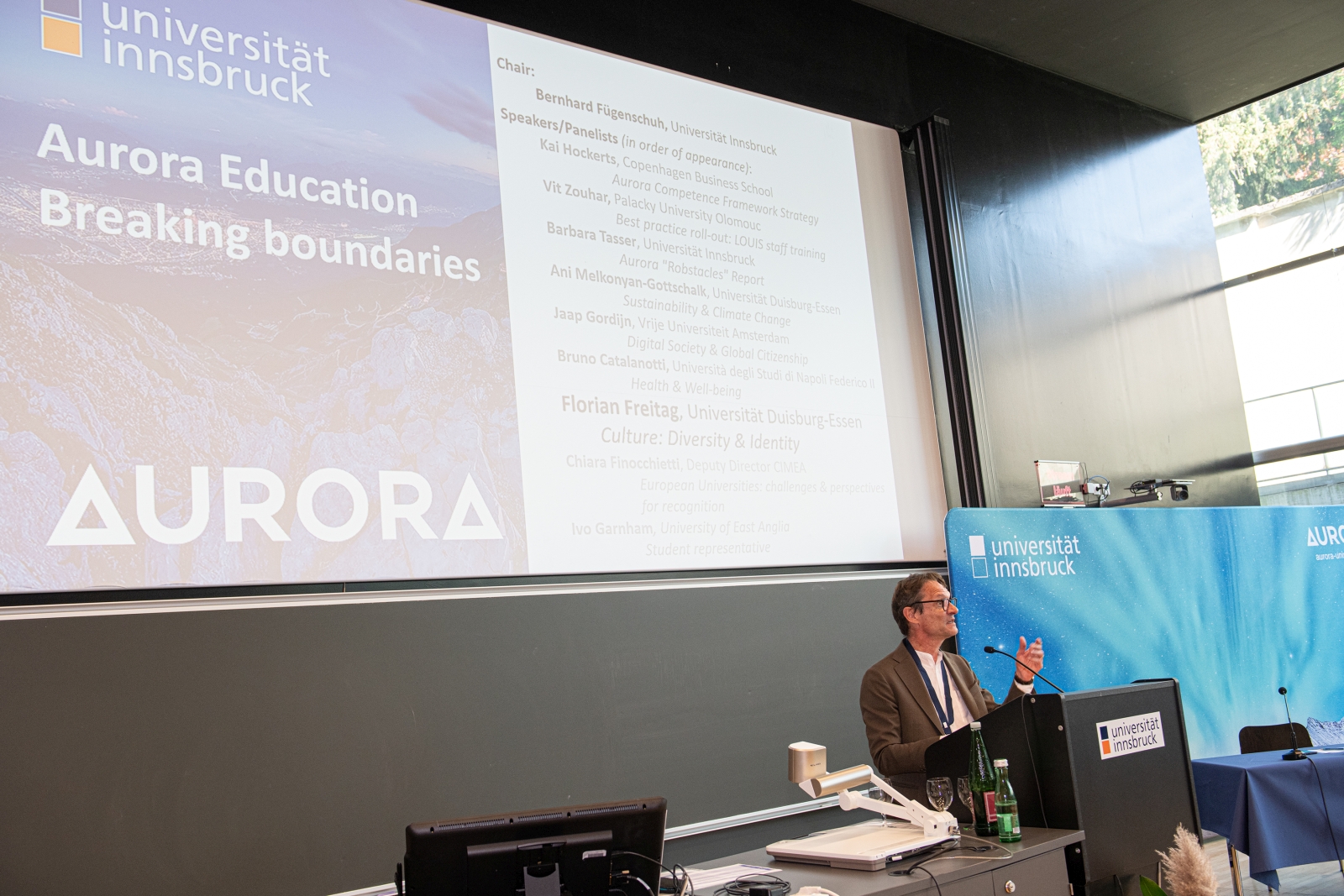
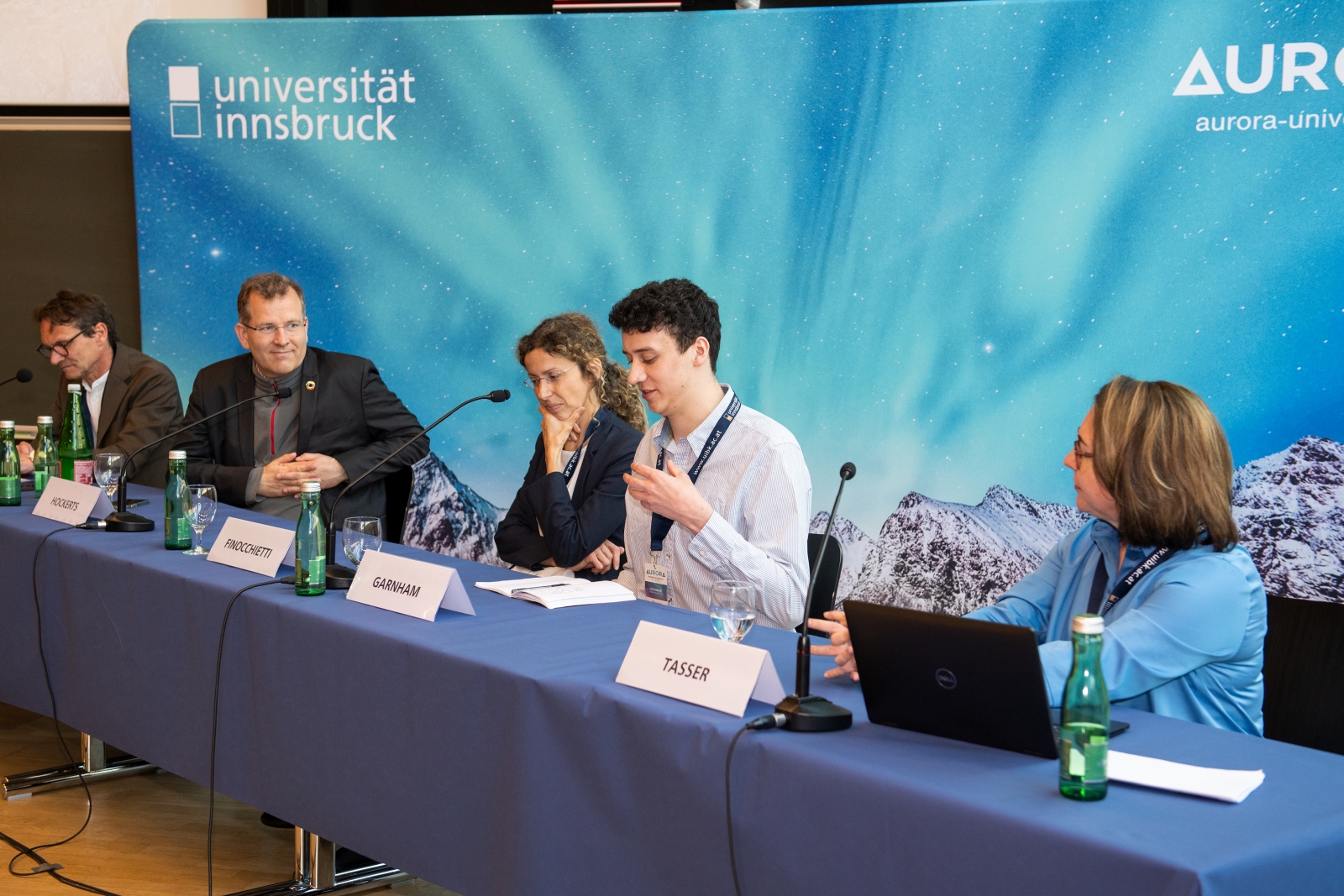
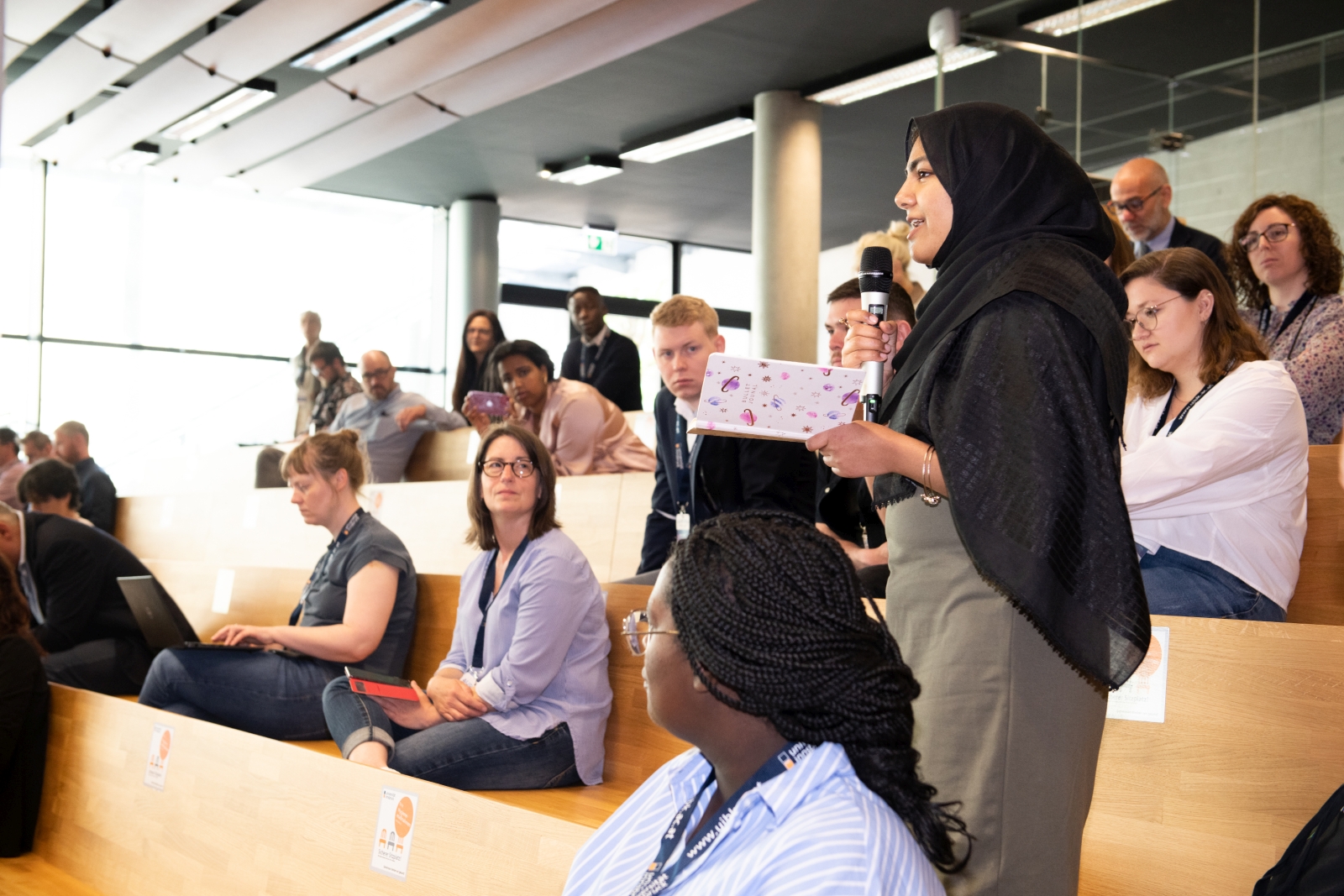
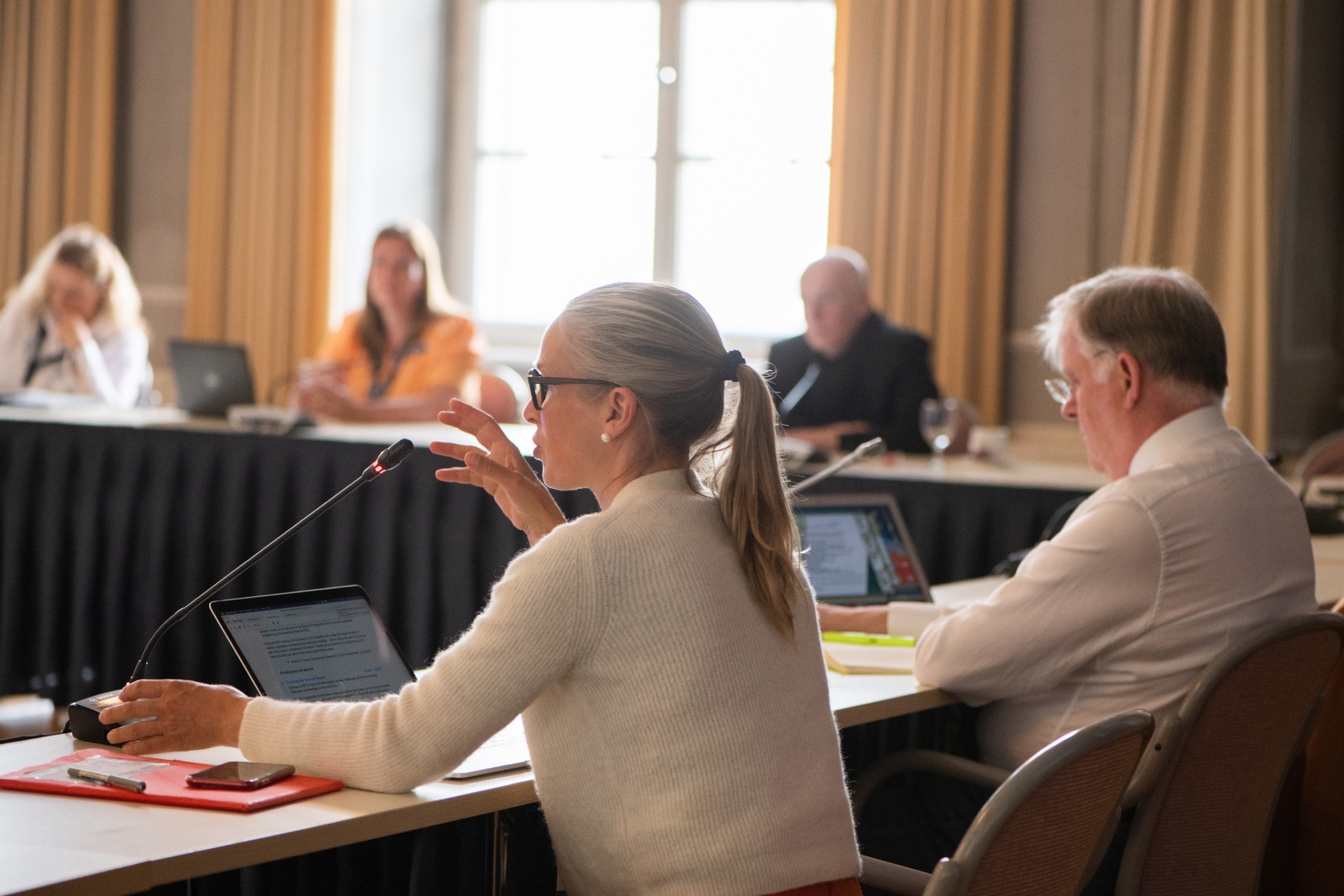
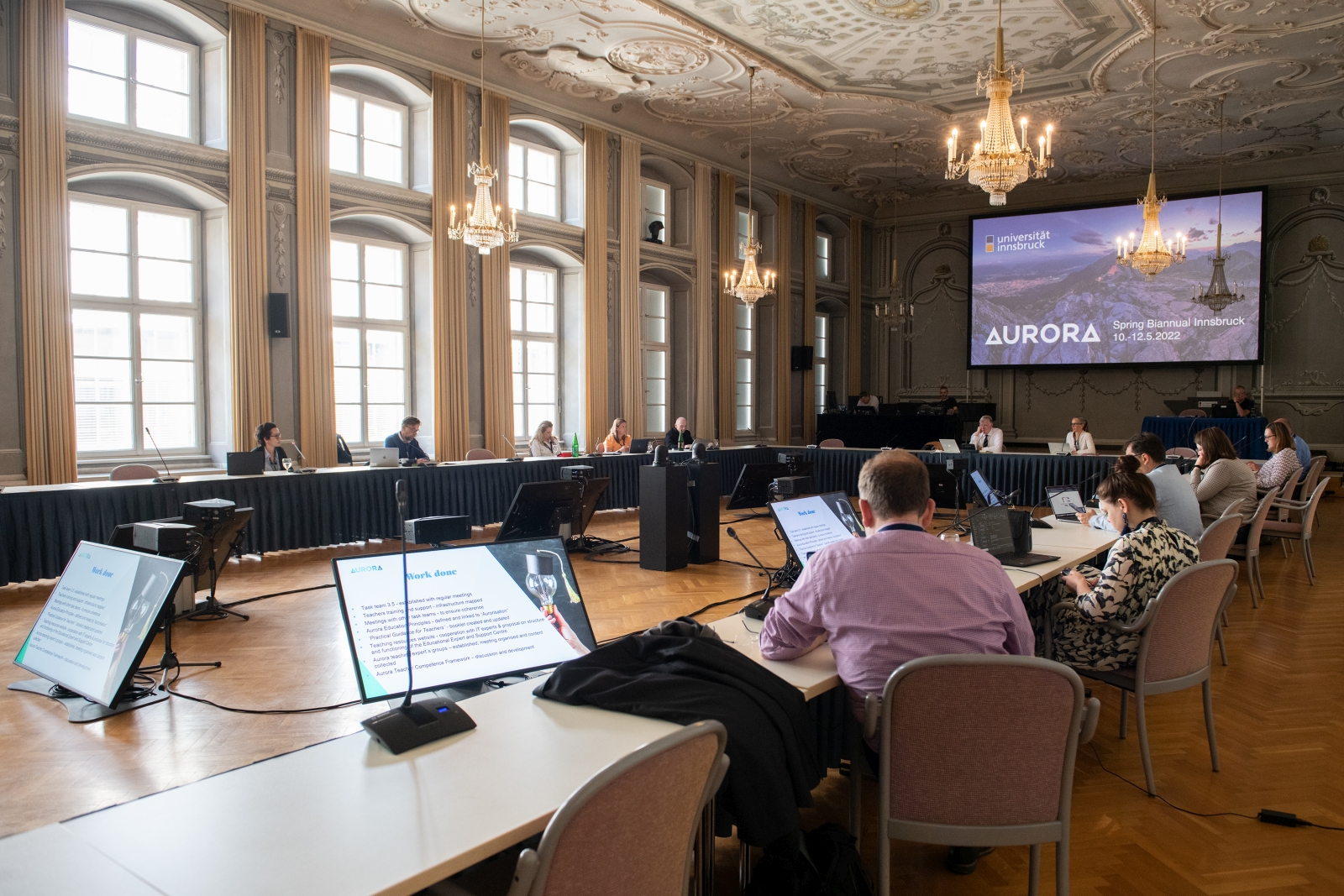
The 2022 Aurora Spring Biannual took place last week in Innsbruck, Austria, with a record number of participants in attendance. Over 180 participants, from both Aurora universities as well as university participants beyond Europe, joined this event. The main focus of the 2022 Spring Biannual was to take stock of the main achievements and challenges of the first half of the European Universities Initiative programme while at the same time taking the first steps towards preparing for the second funding bid.
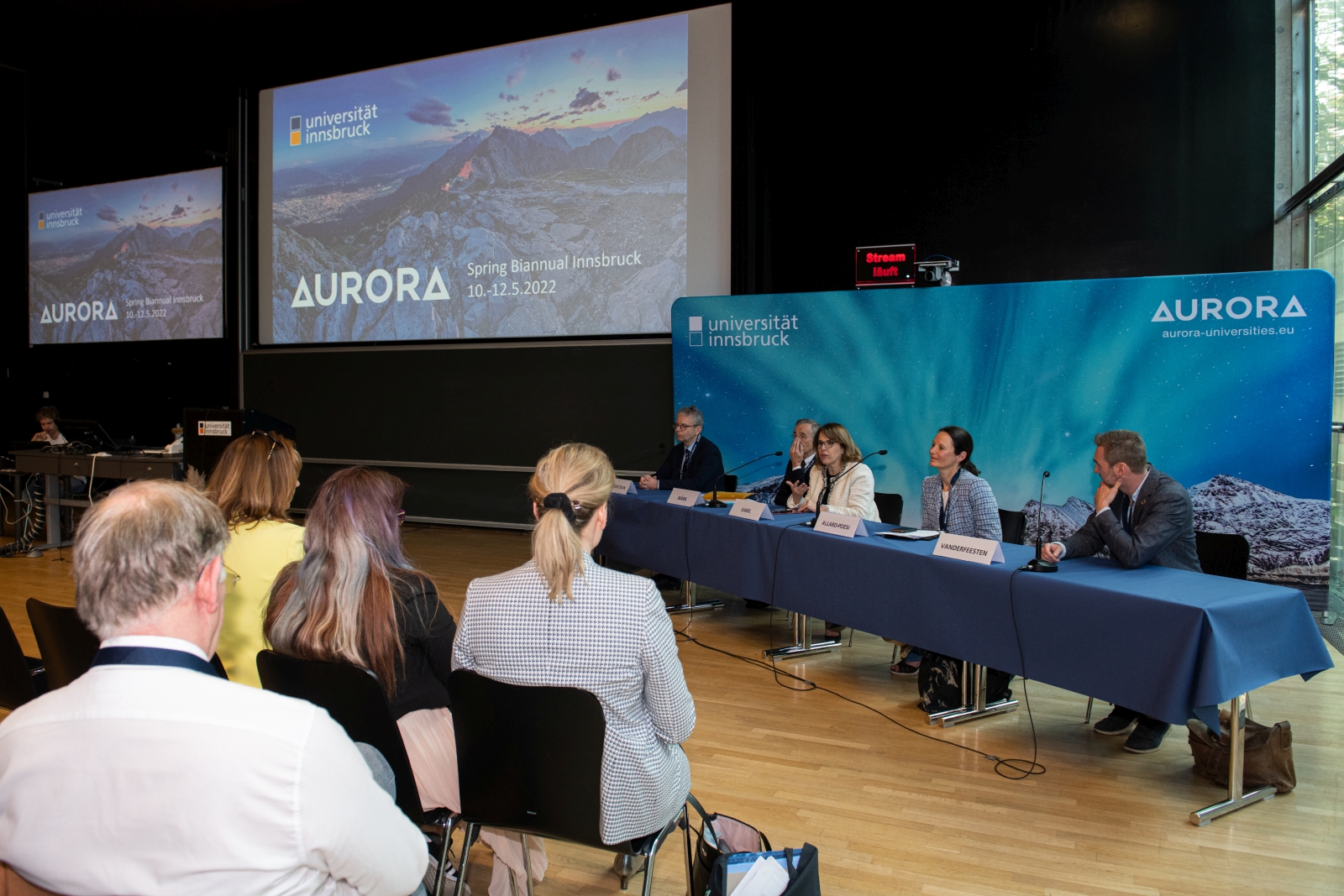
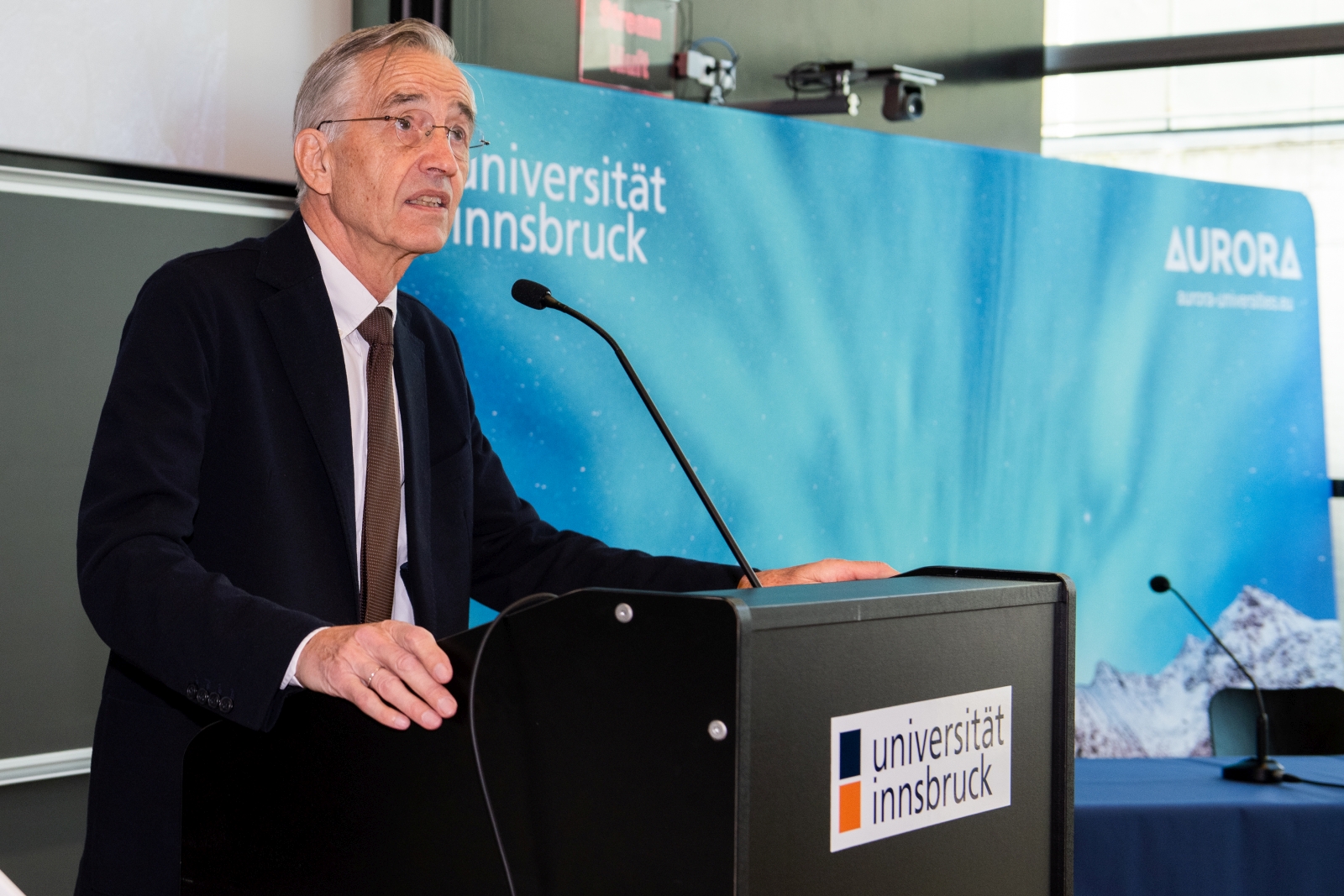
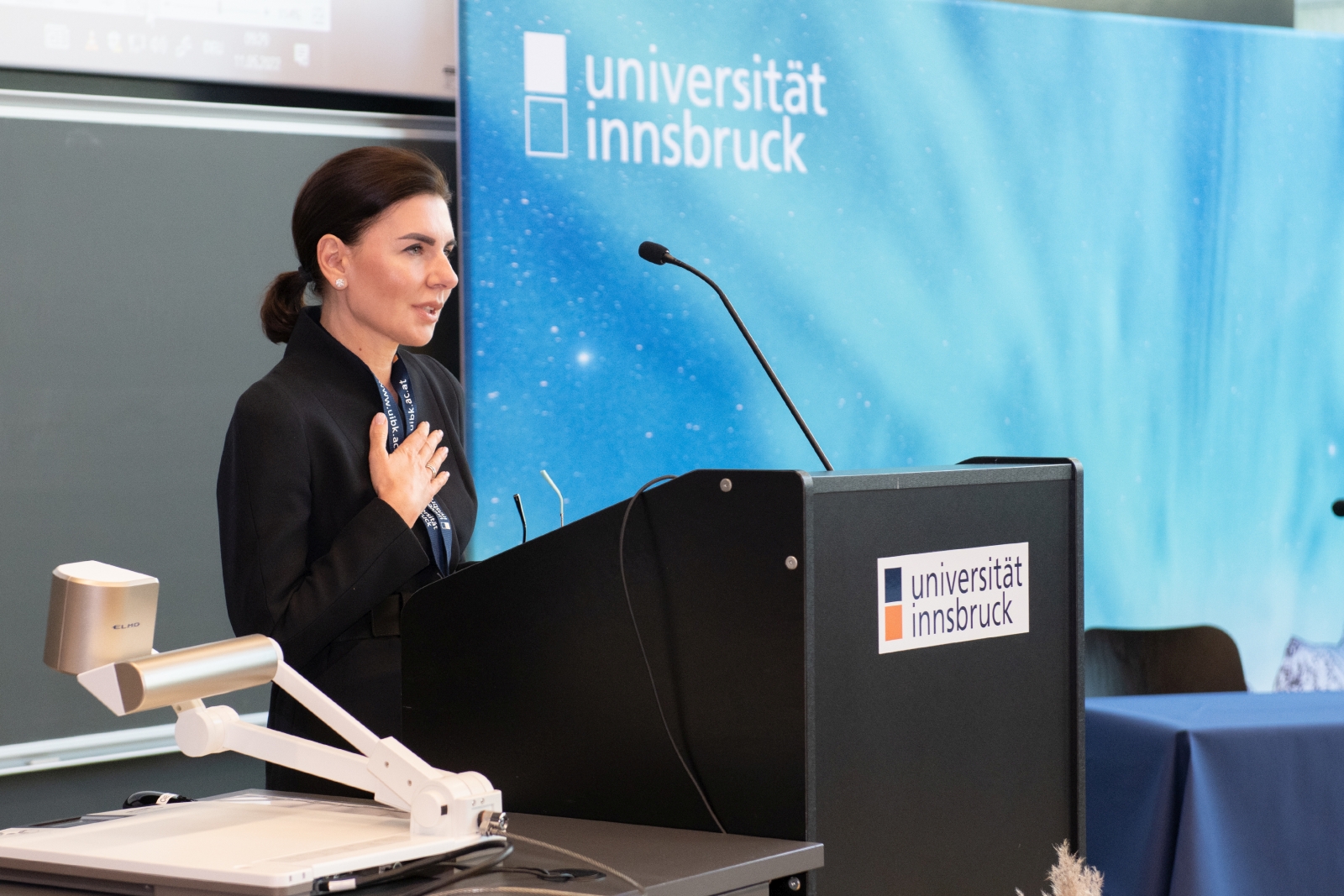
Hosted by the University of Innsbruck, the Aurora 2022 Spring Biannual took place on May 10-12. Tilmann Märk, Rector of the Universität Innsbruck, and Aurora President Jón Atli Benediktsson opened the Biannual with words of welcome. Rector Tilmann Märk specifically addressed Rector Tetyana Kaganovska of the National V.N. Karazin University Kharkiv, an associate member of the Aurora Alliance, who travelled all the way from Ukraine to join the Biannual. Professor Märk spoke about her bravery and the bravery of the Ukrainian nation, and expressed Aurora’s support for her, her staff and students by saying: “I dearly hope that we as the Aurora community can make a positive contribution to your fight against the current atrocities of war in your home country.” Read more about our support for Karazin at the Biannual (and beyond) here.

Sabine Allain Sainte‐Rose, Aurora Programme Director, gave an overview of the Alliance programme’s mid-term achievements. Over a period of 18 months, Aurora has increased its workforce capacity and improved engagement at a central and institutional level. As a result of hard work and dedication, the programme achieved a spectacular 91% of the 160 deliverables envisioned for this period. In addition, there have been more than 4.000 participations by students and staff members in over 140 Alliance opportunities. Highlights of our achievements include:

  • Six Aurora partner universities signed a letter of intent to develop a two-year joint European Masters Programme on Digital Society and Global Citizenship. The programme will be multi- and transdisciplinary, not only restricted to Computer Science and AI, but include cross-cutting topics such as algorithms and bias in judgment and decision-making, artificial intelligence, ethics, and fair digital ecosystems and platforms
  • The launch of the new Aurora website and Virtual Campus
  • The vision of the future student population, making sure our universities’ student populations represent the diverse communities our universities serve, and
  • The presentation of the Aurora Student Handbook by Aurora Student Council President Alma Ágústsdóttir, designed to ensure more sustainable engagement by students in our activities

Looking more toward the future and the next funding call, which will open in the autumn of 2022, Anne-May Janssen, Aurora Secretary-General, talked about the need for a sustainable Aurora, both in terms of integrated structures as well as funding. The next call will look to the European Universities to demonstrate that they create institutionalised cooperation with sustainable impact. Anne-May Janssen said that Aurora needs to look at the objectives of the next call and critically reflect on how they fit within Aurora and Aurora biannual Innsbruck 2022 higher education research to make sure we continue to work on the issues that members are passionate about to ensure a long-lasting partnership.

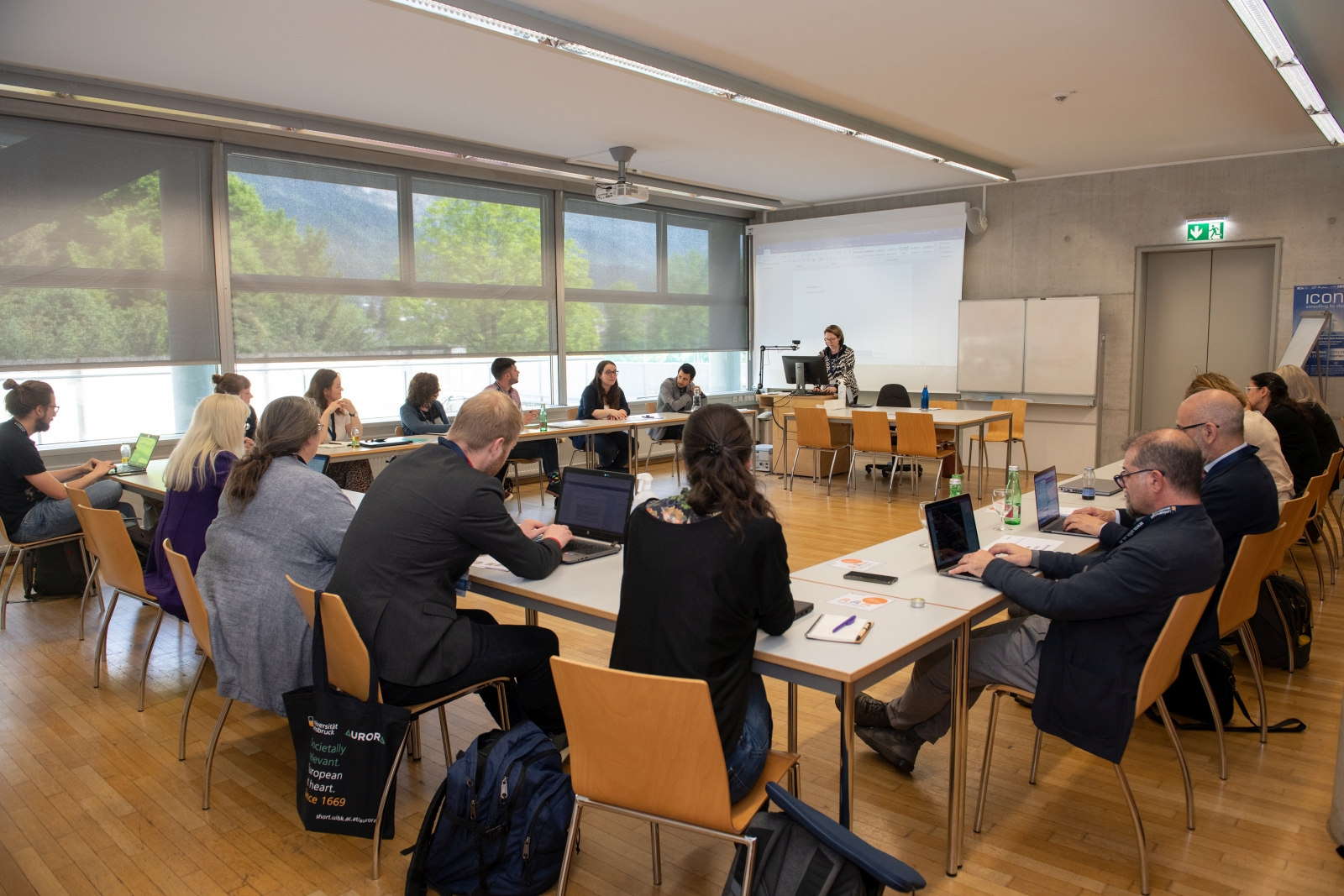
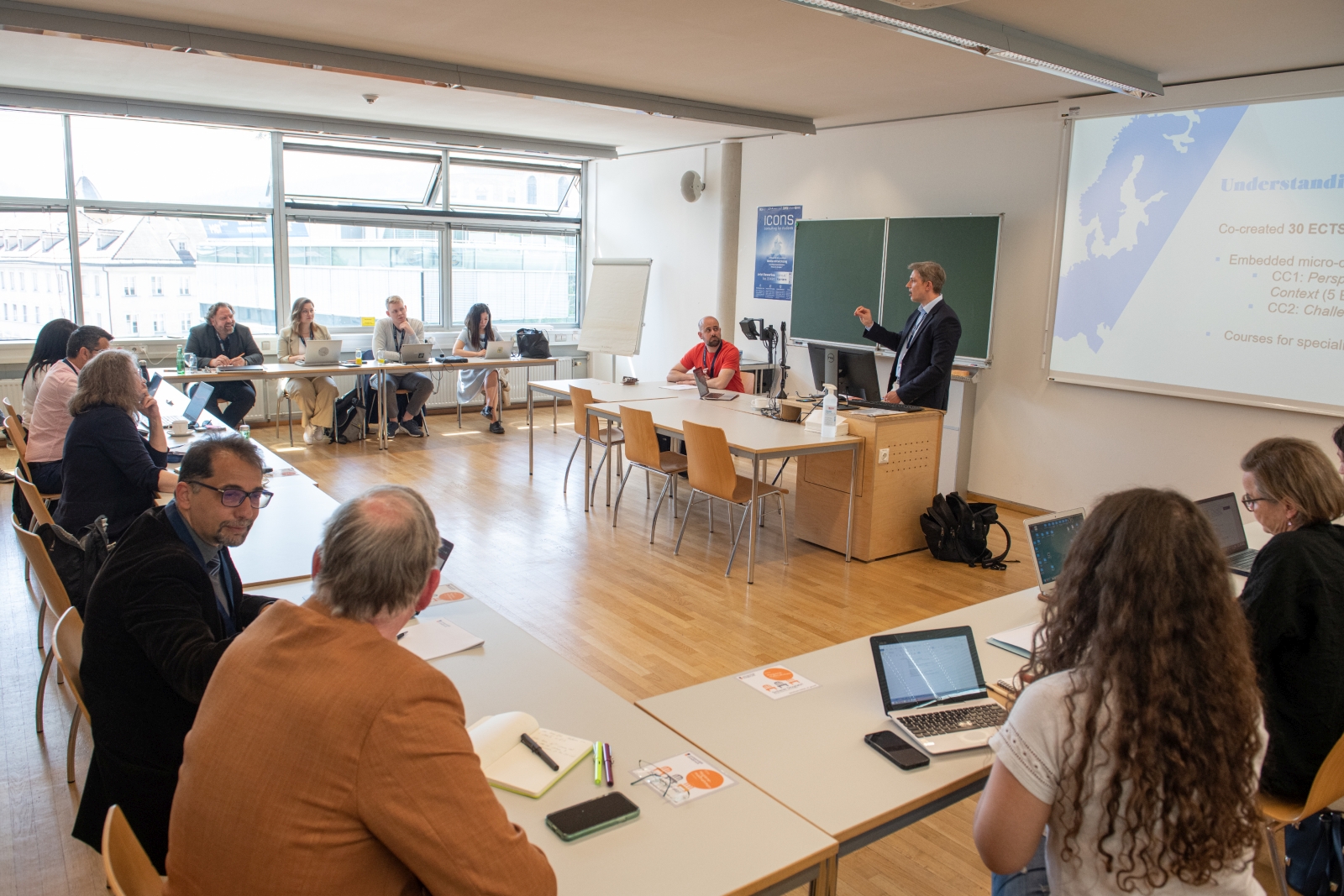
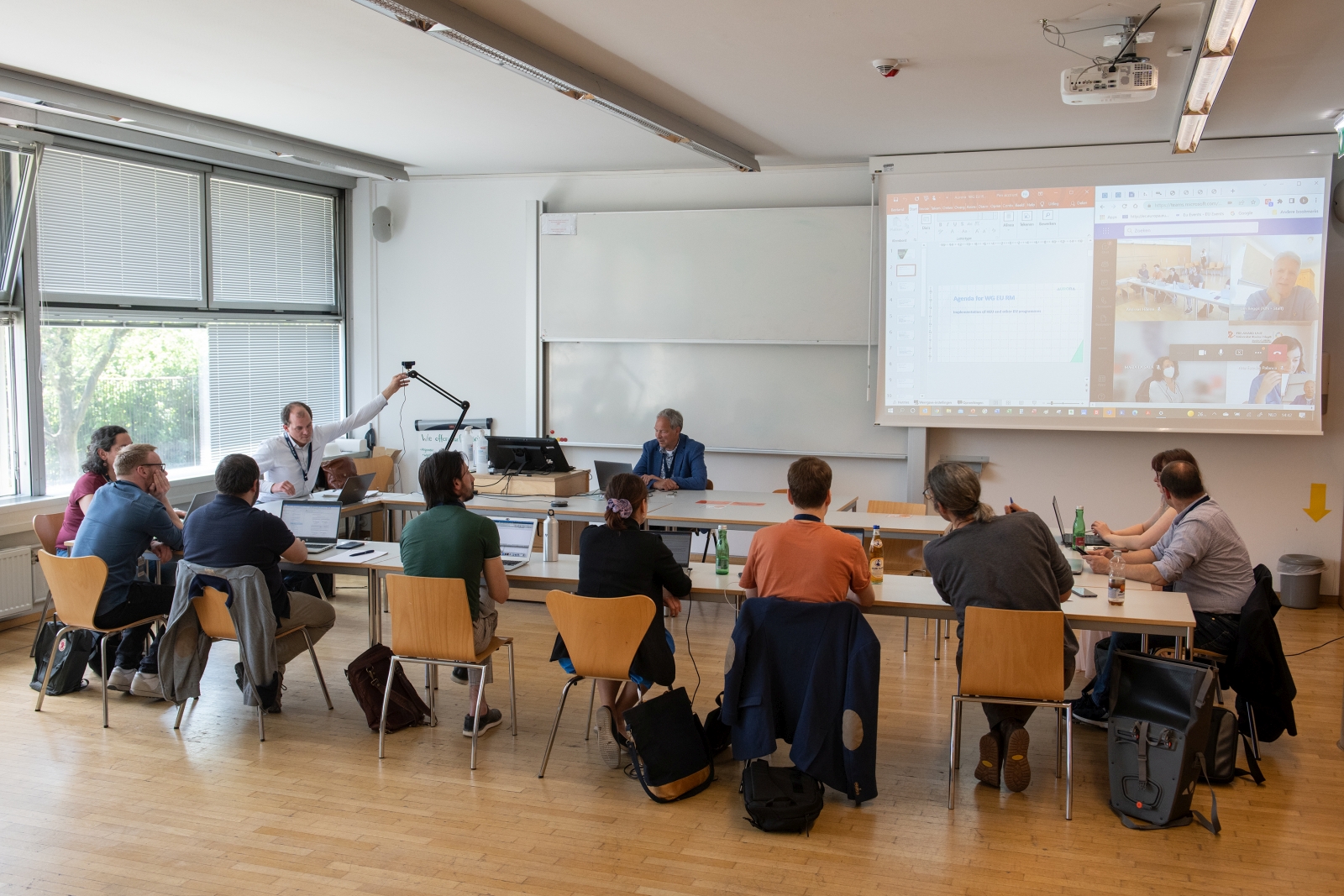
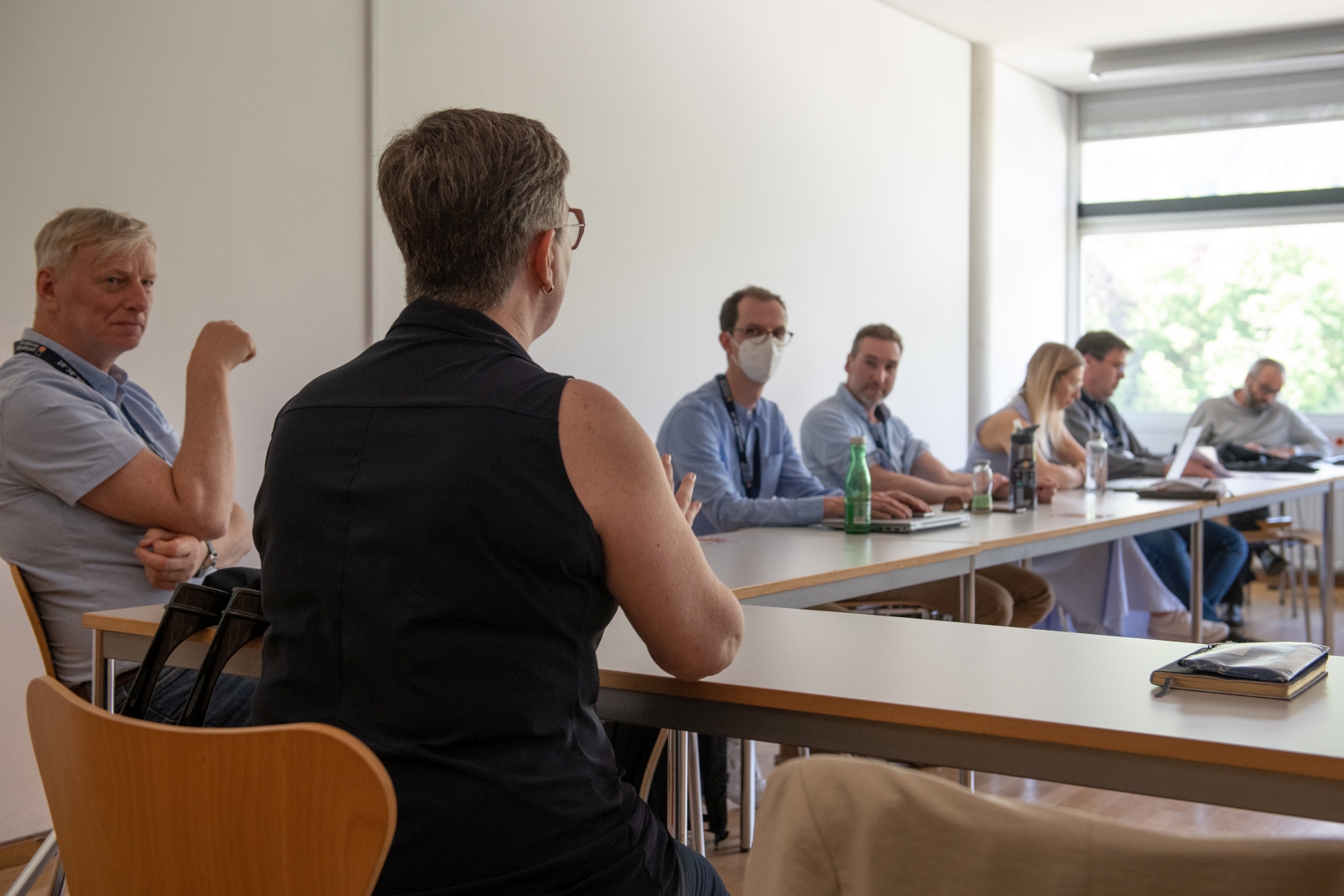
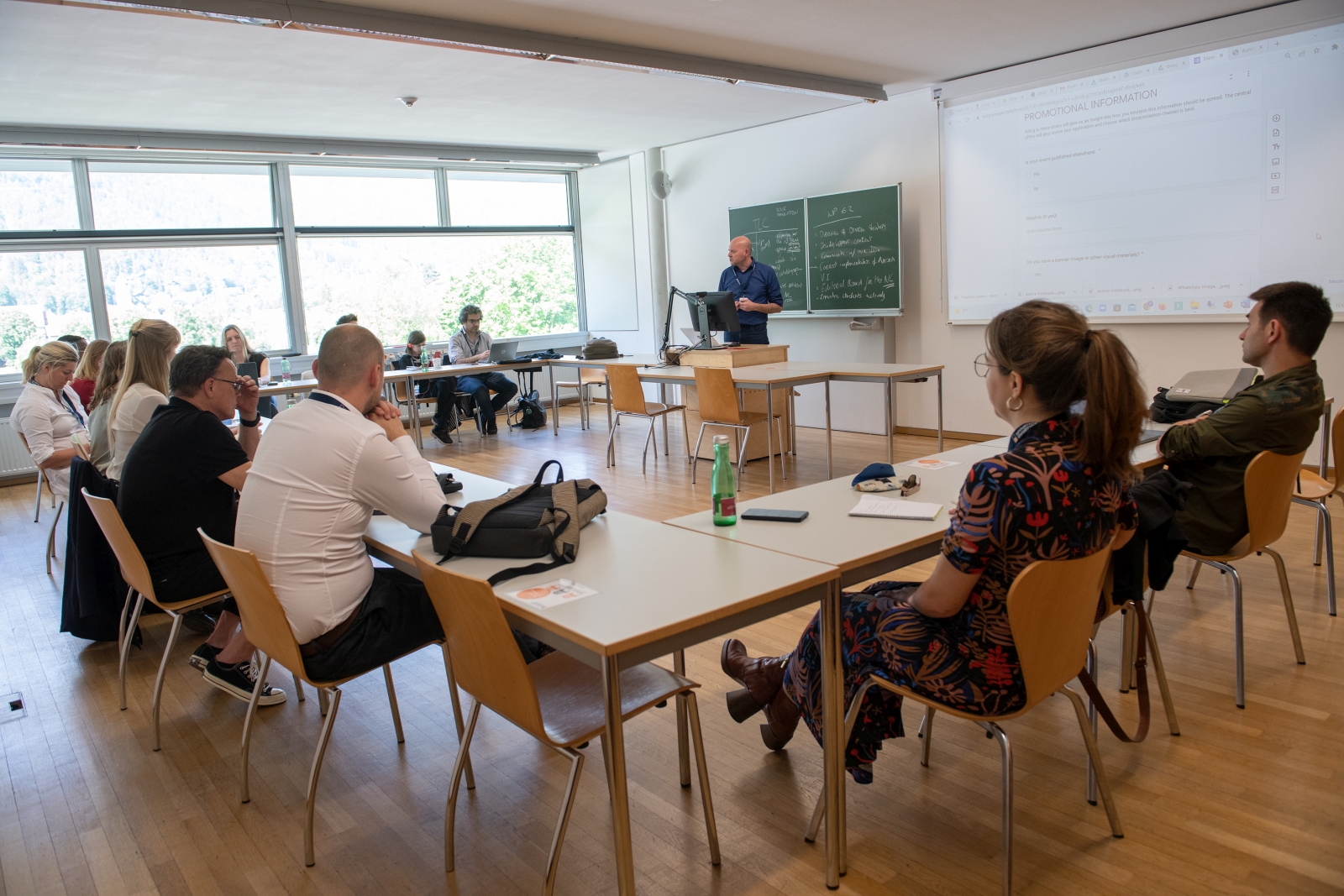
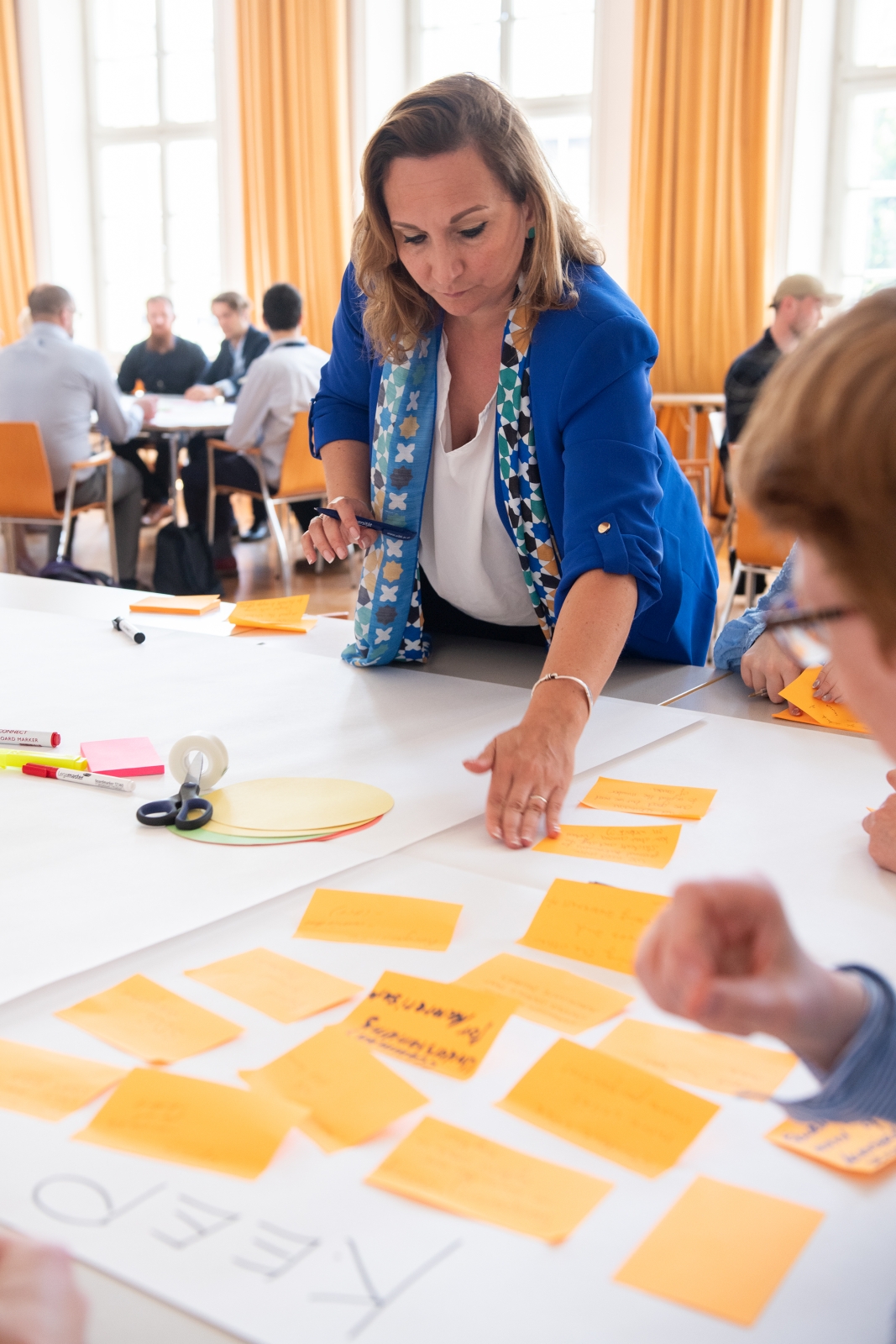
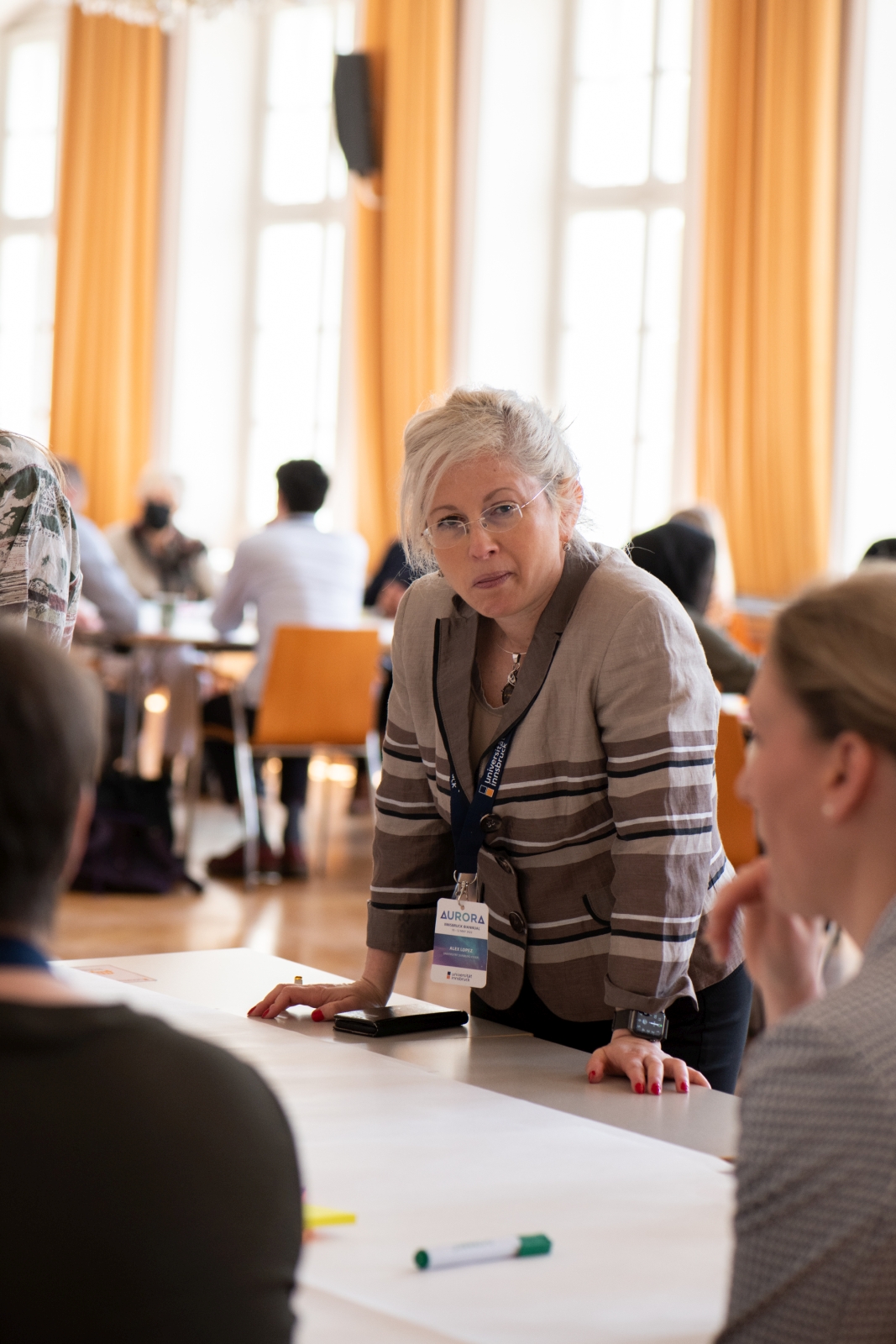
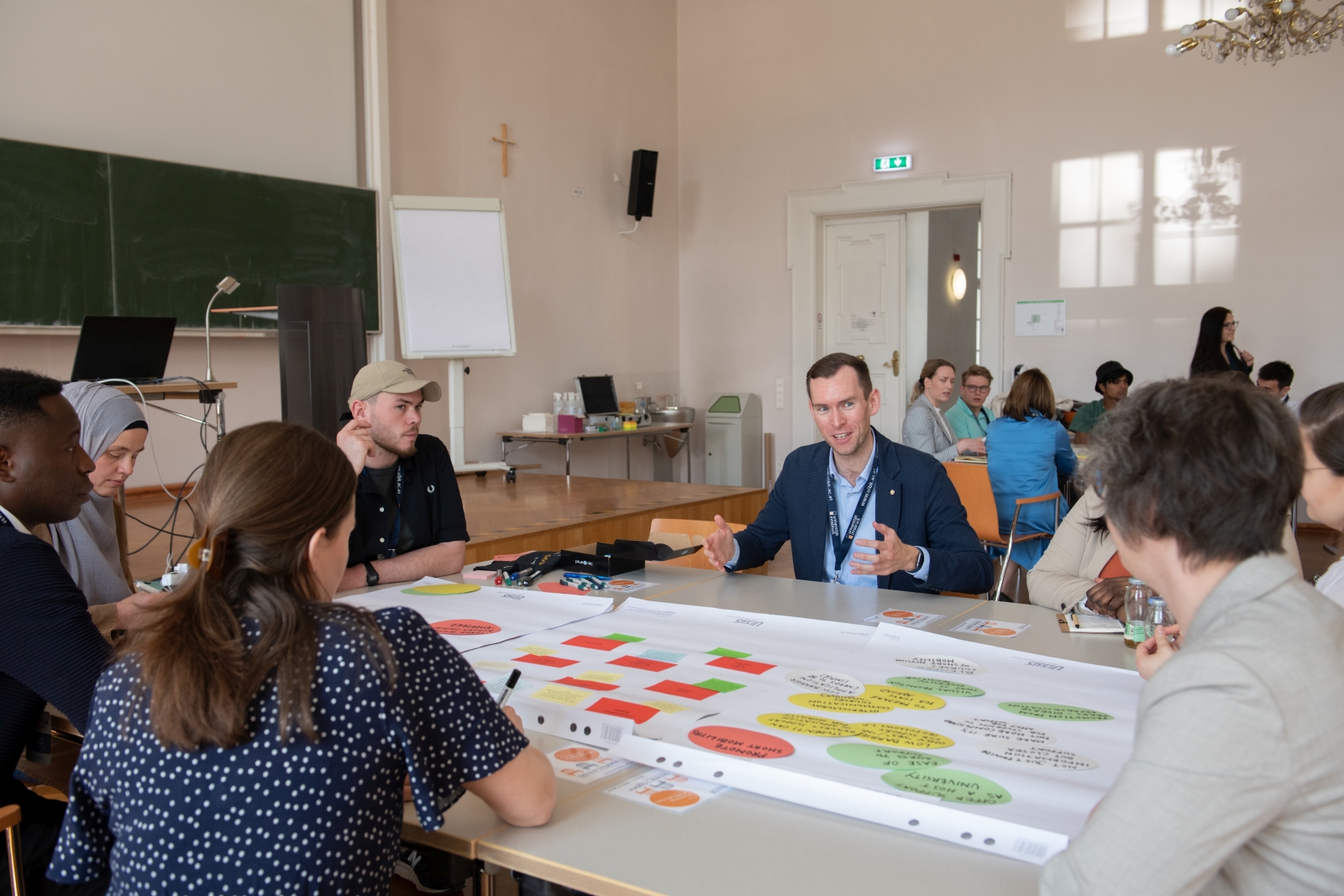
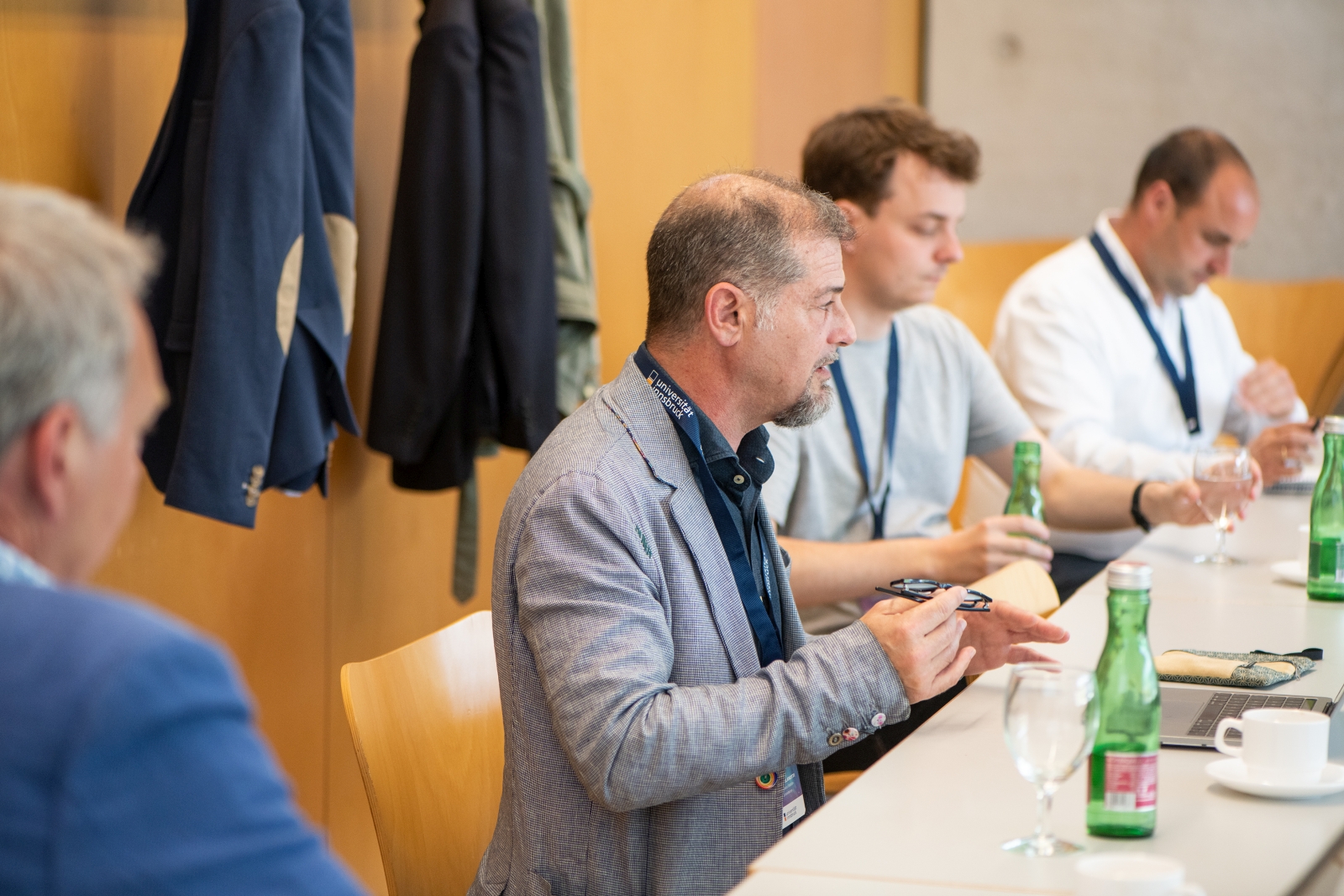
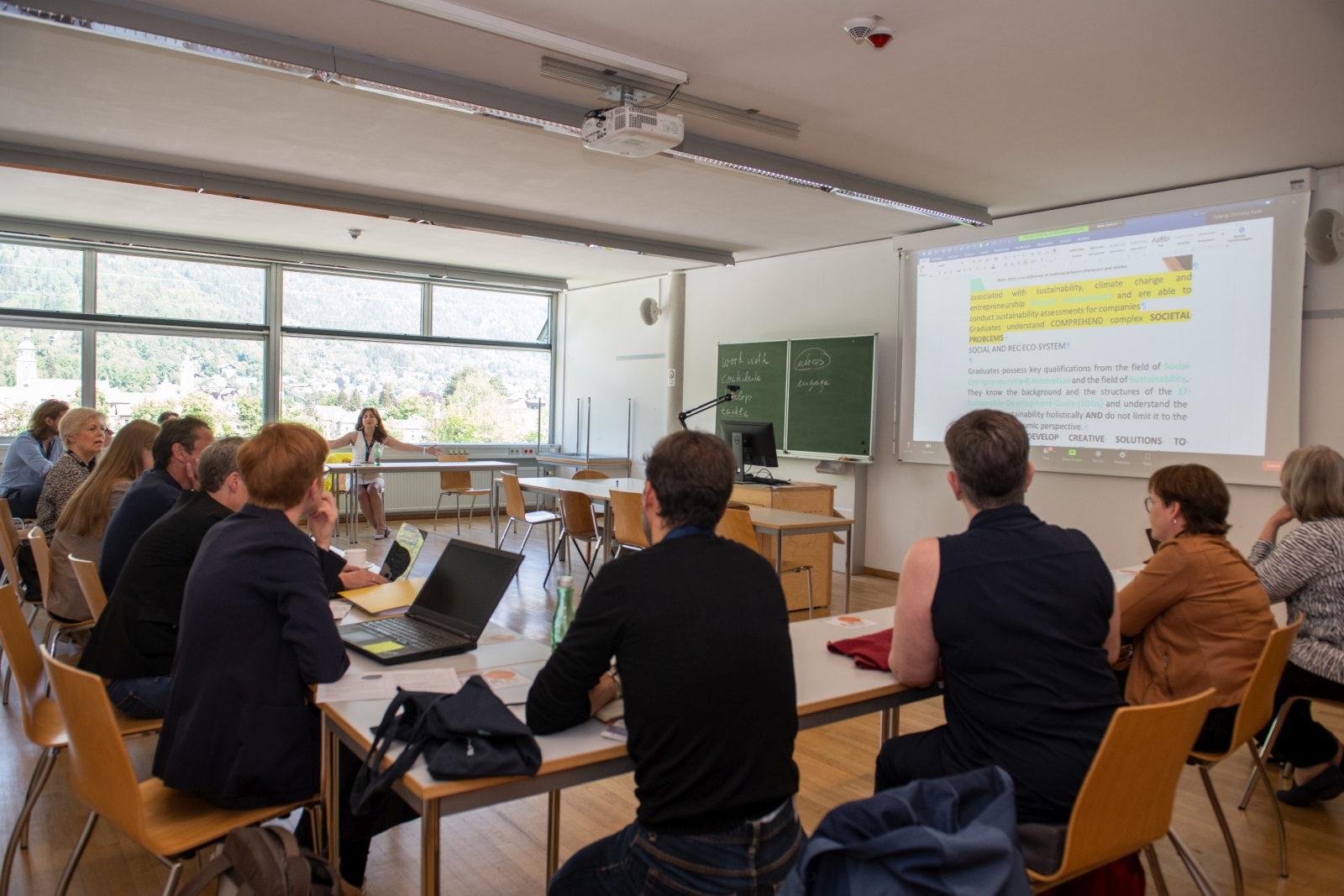
During the two-day conference, staff from all the Aurora members gathered to discuss and work on their respective work packages, such as Social Transformation, Academic Collaboration, Borderless Learning, Capacity Development Support, Sustainability, Quality Management, and many more.

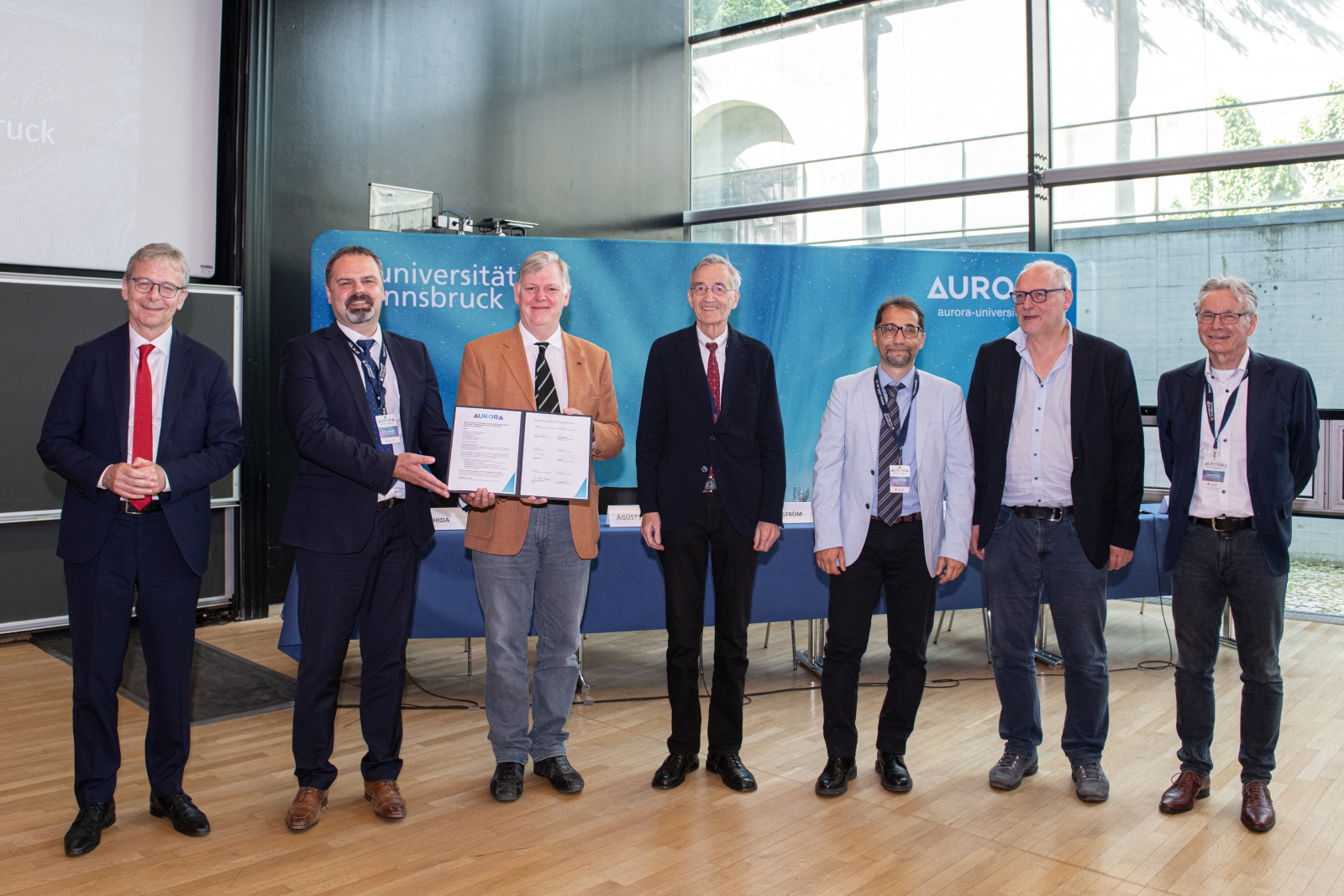
Letter of Intent signed by six Aurora institutional representatives
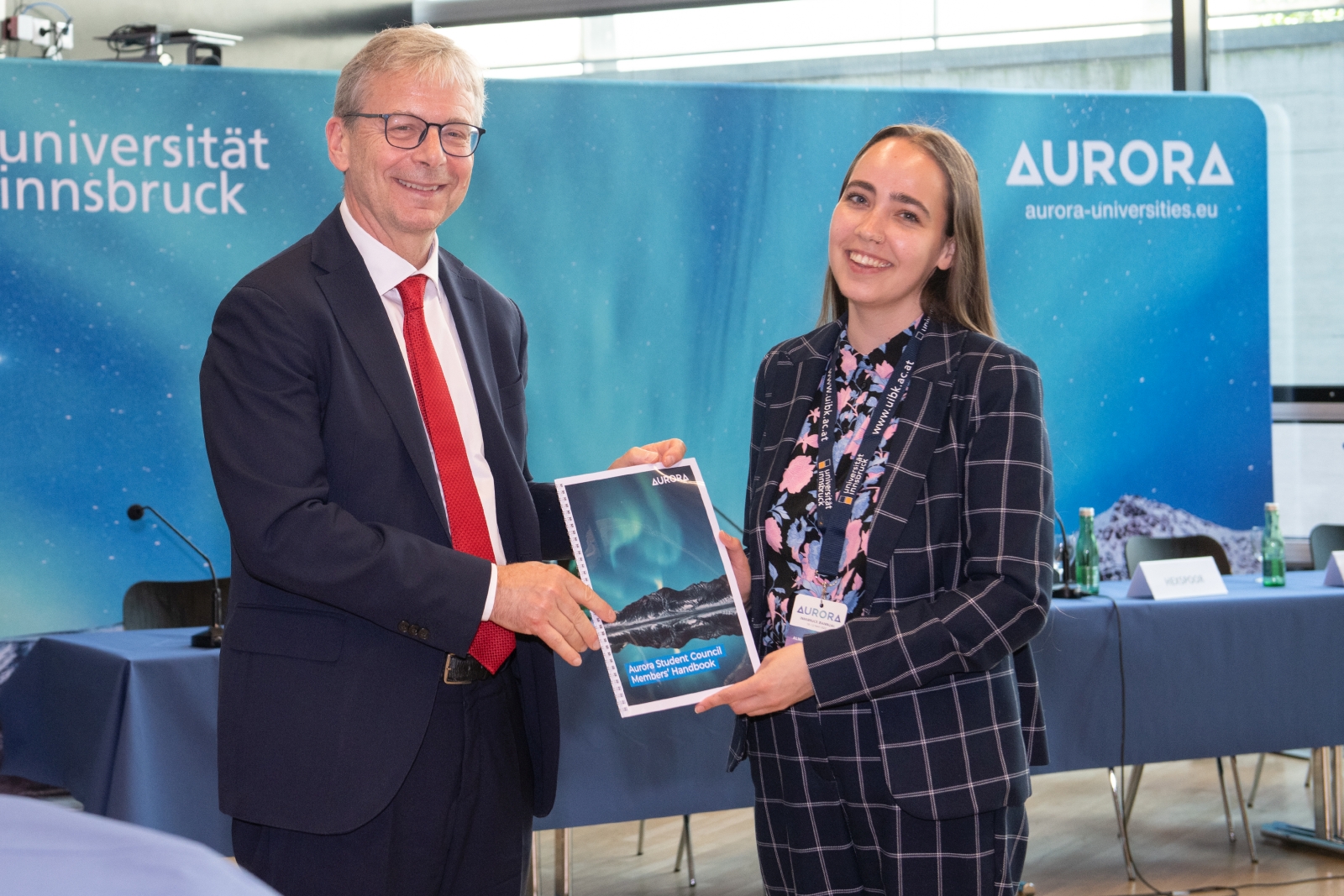
President Aurora Student Council, Alma Ágústsdóttir hands over the Aurora Student Handbook to Aurora President Jón Atli Benediktsson

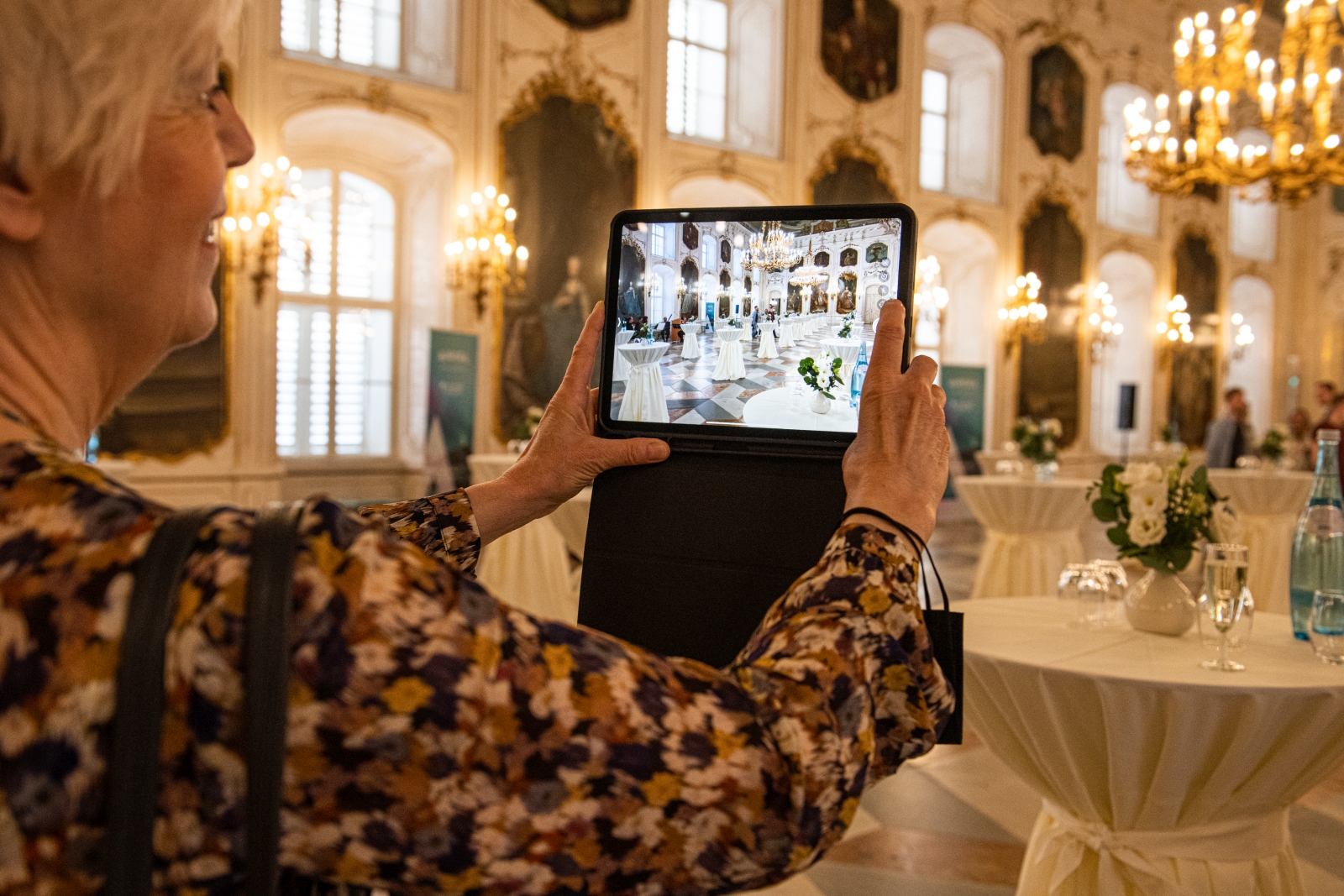
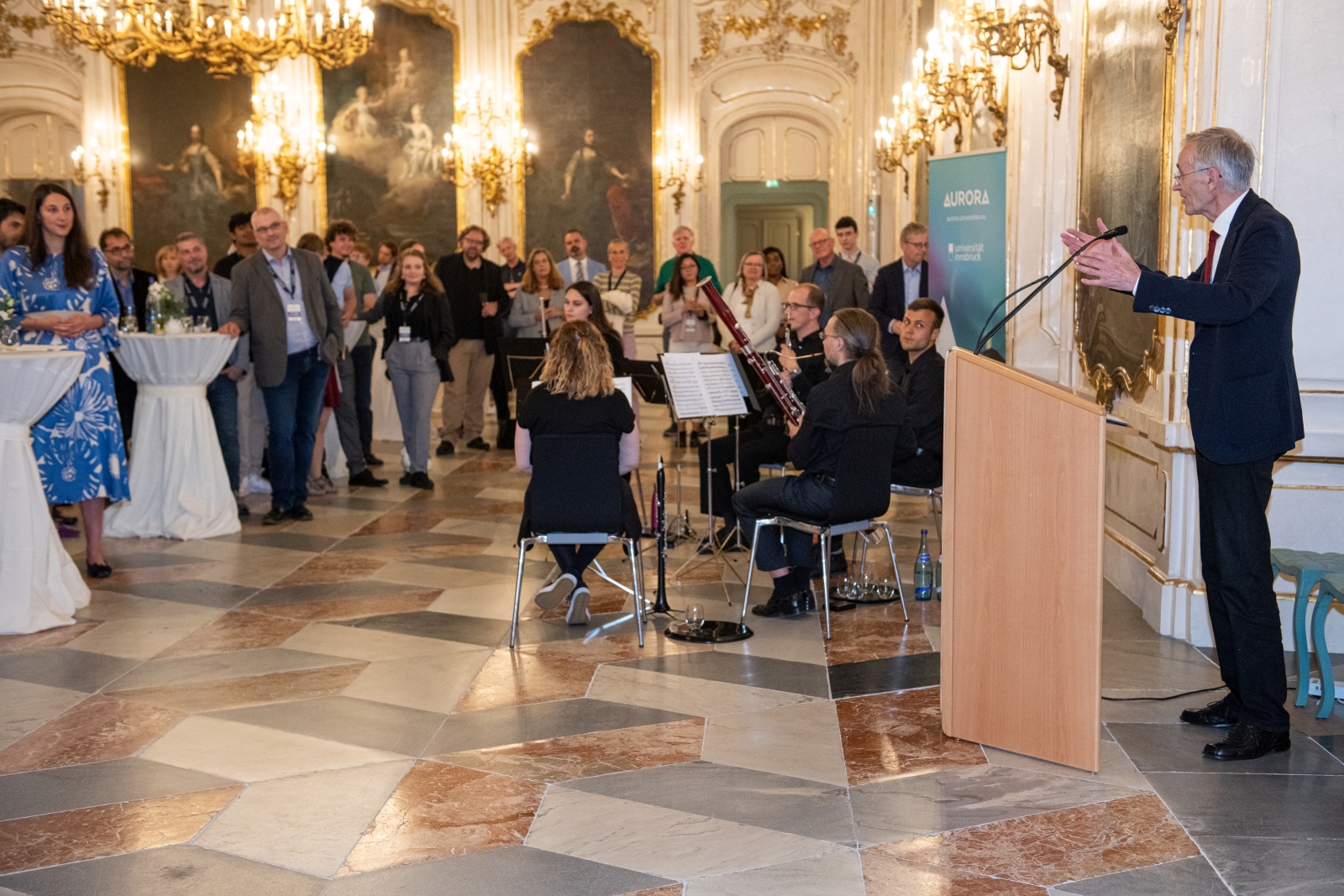
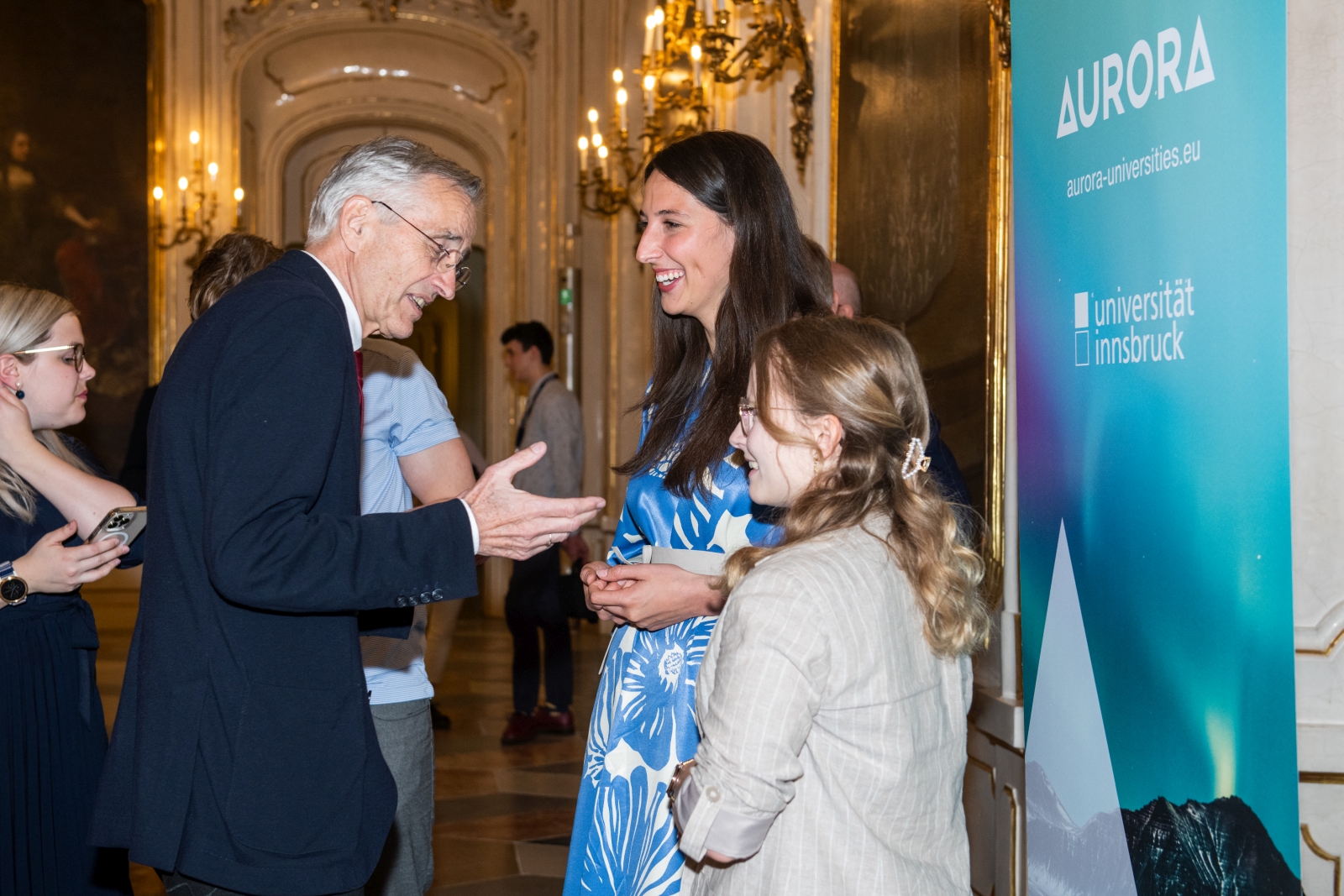
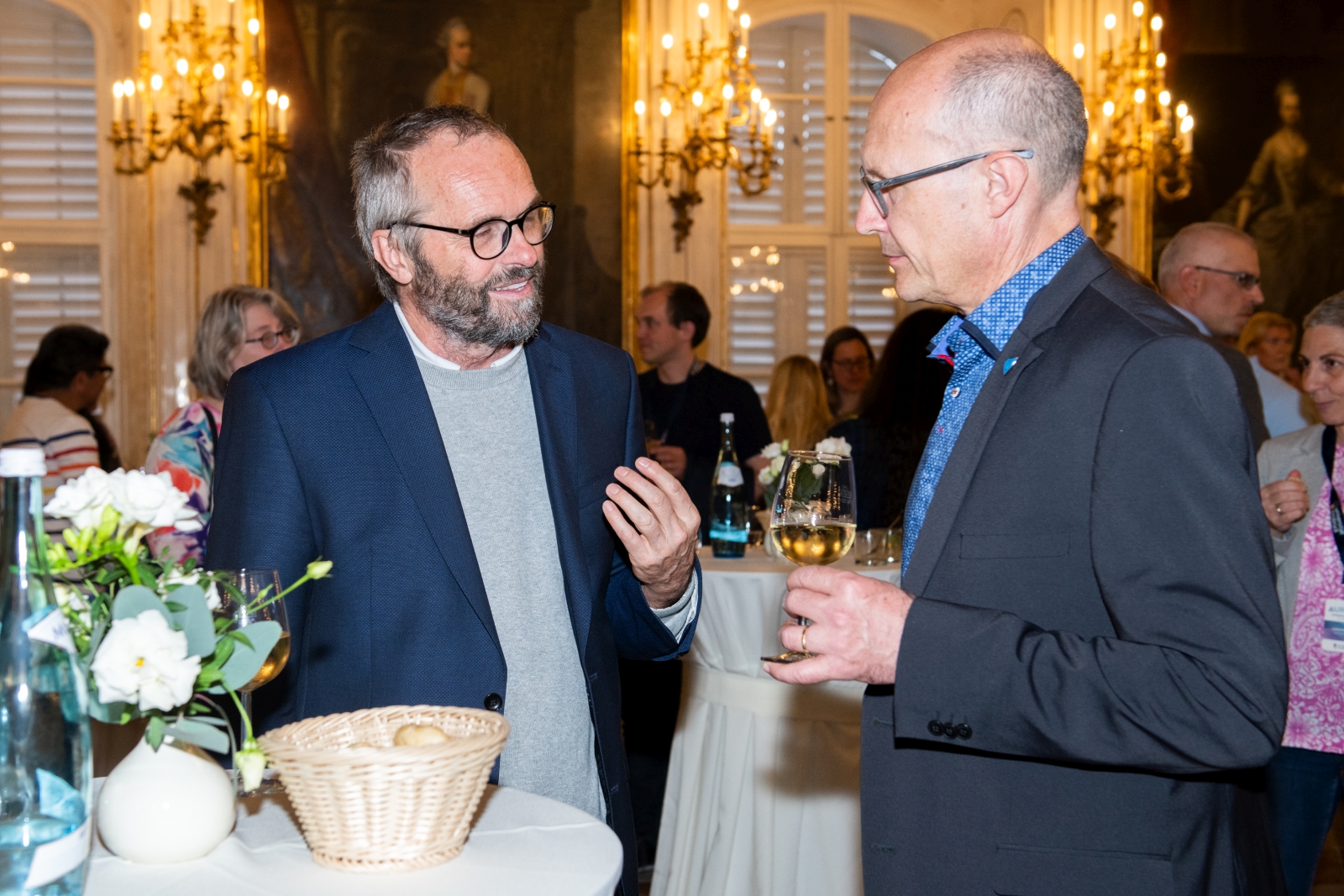
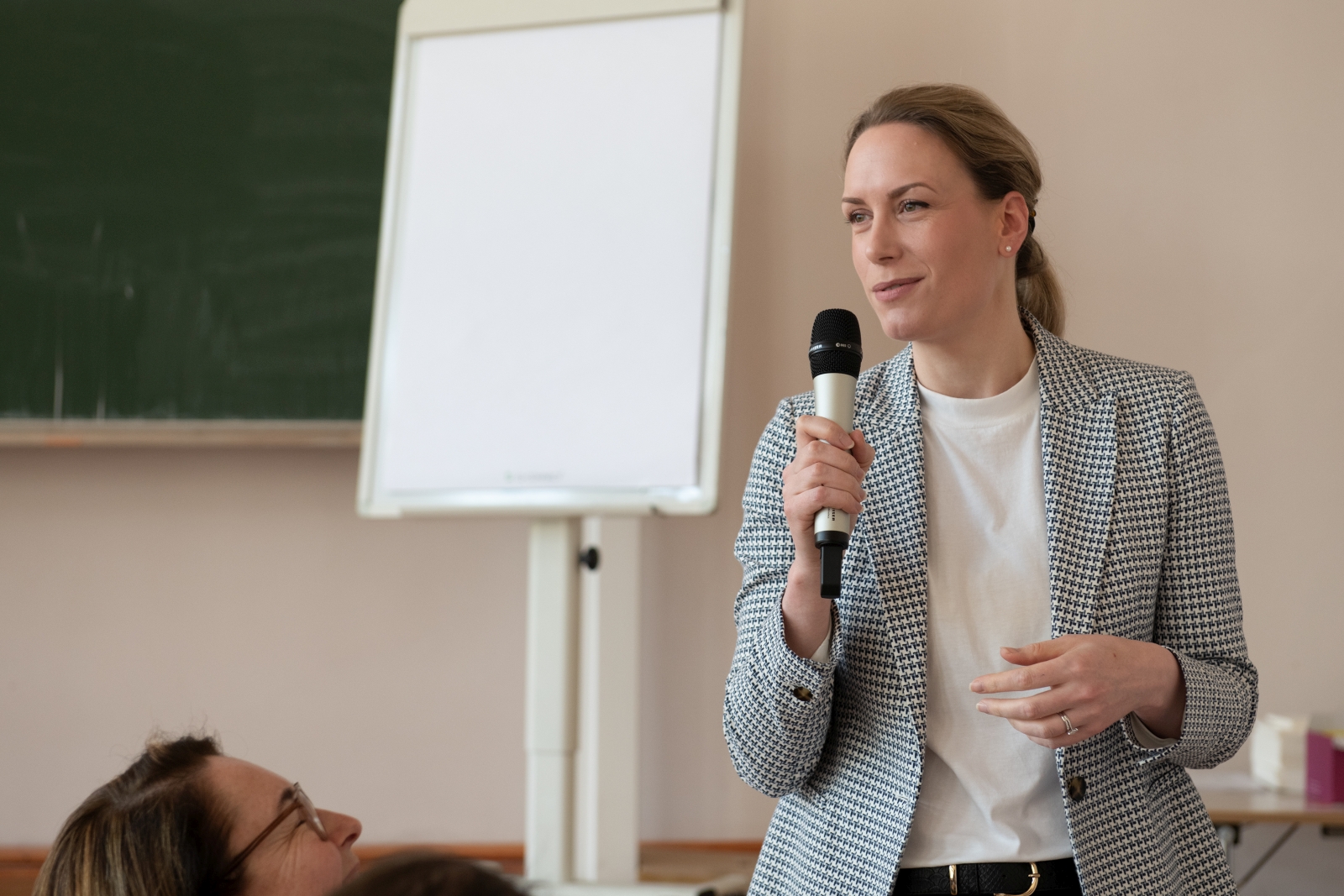
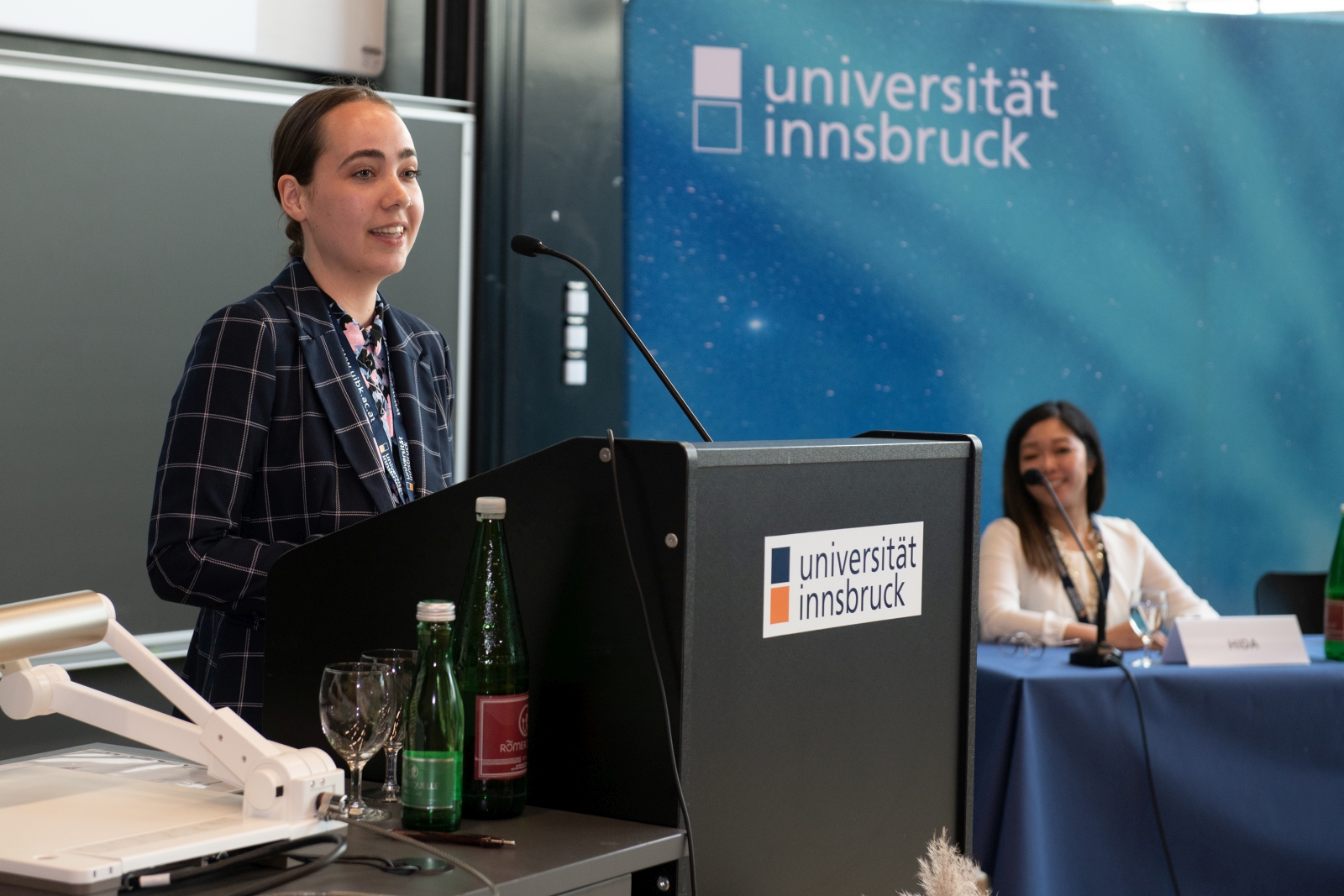
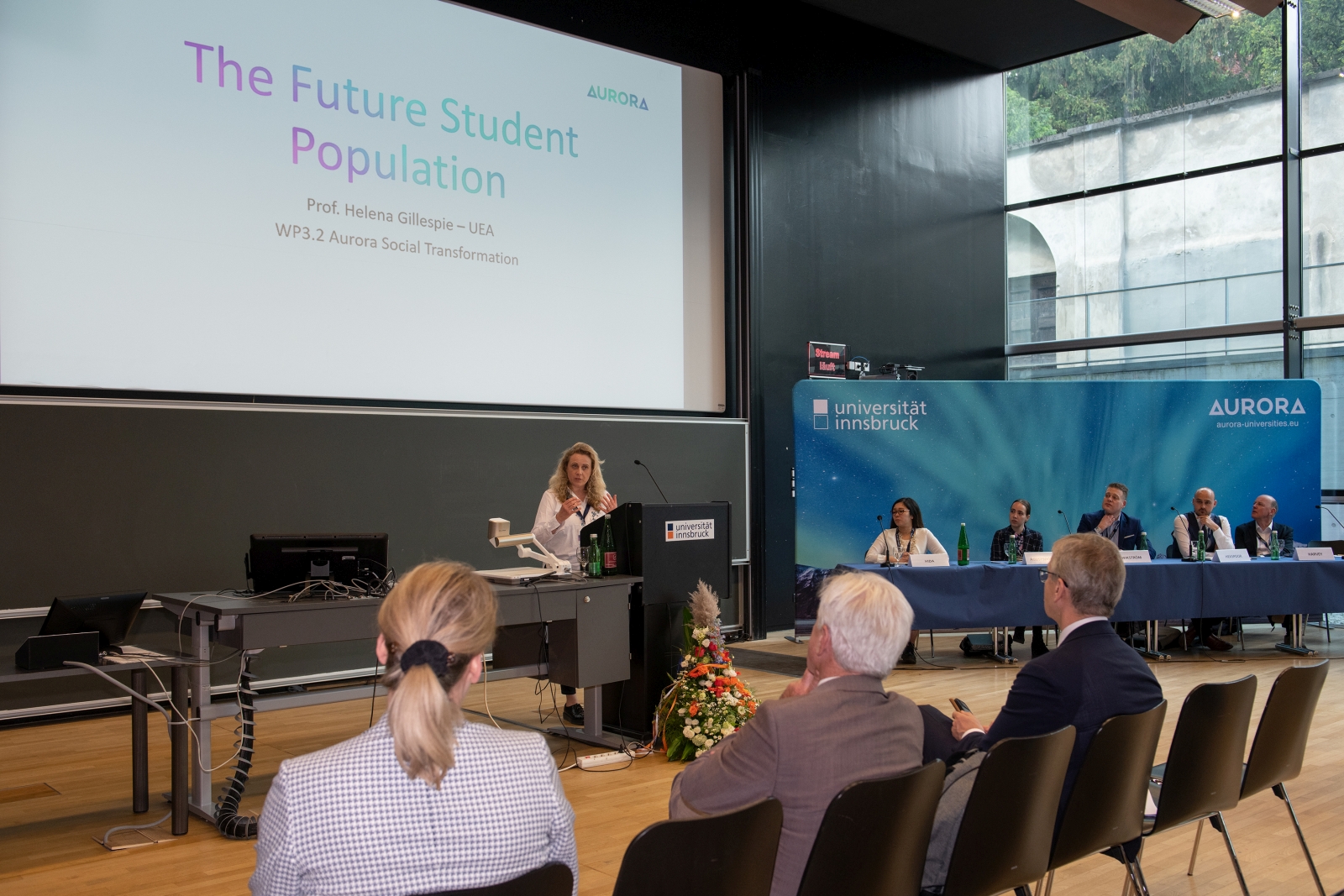
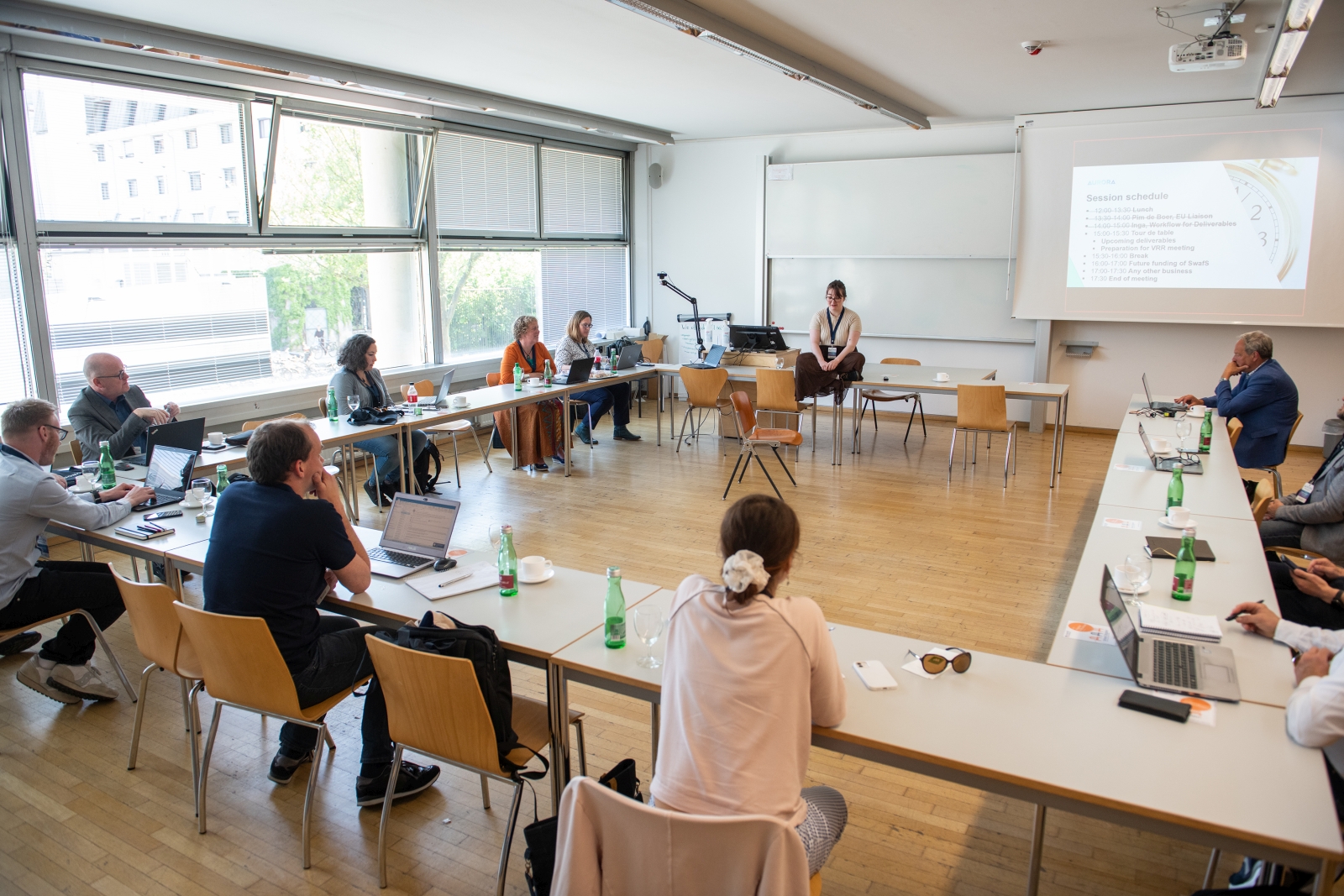
For an impression of the conference, you can find more photographs below.

Copyright: © Birgit Pichler

Aurora Universities’ support for partner university in Ukraine

At the Aurora 2022 Spring Biannual in Innsbruck, Aurora President Jón Atli Benediktsson and Rector of the University of Innsbruck, Tilmann Märk, presented a cheque of €51,000 to Rector Tetyana Kaganovska of the National V.N. Karazin University Kharkiv, an Aurora Alliance associate member, in support of her university during these difficult times, to help fund the purchase of equipment that will allow university staff to continue teaching remotely, as means to show resistance during this war. Rector Tetyana Kaganovska gave a moving speech on how her university and city are navigating this new reality and focused on what is needed to continue education remotely in Ukraine.

The University of Kharkiv is an Associate Partner of the Aurora European University as part of the Aurora Capacity Development Support Programme, which drives cooperation between the Aurora members and Central and Eastern European universities. From the start of the war in Ukraine, Aurora universities have been offering its assistance, both directly to staff and students, as well as through financial support.

Many university buildings of Karazin Kharkiv University have been bombed and destroyed by the Russian military. Ukrainian professors and students are continuing their education in basements and bunkers under dire circumstances. In her statement, Rector Kaganovska shared:

At the moment, we are living through the most difficult moments since Ukrainian independence. I come as a witness to the war, the killings and the displacement of my co-workers and students. In moments like these, I feel especially honoured to be able to personally represent our Kharkiv Karazin University community from eastern Ukraine.”

The workaround for the acute aid for Karazin Kharkiv University is led by Palacký University Olomouc and supported by the Aurora Central Office in Amsterdam. People from Kharkiv who have fled Ukraine are now able to work in Olomouc.

In her press statement, Rector Kaganovska shared that.

“Our University is a consolidated team of 28,000 employees and students, proud of their educational institution’s 217-year history. According to the QS rating, we are the best Ukrainian university, the country’s powerhouse of educational and scientific resources. The University is the heart of Kharkiv, and it remains in Kharkiv, despite the city’s being shelled and numerous attempts of siege lasting for 77 days. We were able to shelter the University’s staff and students as best we could and launched the educational process remotely on the 33rd day of the war.”

If you are interested in supporting Karazin Kharkiv University, please check out the links below:

  • Donating funds to Karazin Kharkiv University is still possible and can be done here.
  • Support Programme and Aurora’s actions to aid Karazin Kharkiv National University.
  • Read the full press statement by Tetyana Kaganovska, President of V.N Karazin Kharkiv University, on the occasion of her participation in the Aurora Biannual Spring Meeting 2022 Innsbruck.

Exciting Hybrid Workshop about Generation Z and Co-engaging your Student Communities

Would you like to learn more about Gen Z while addressing them with different information at your institutions?

Generation Z, also known as Gen Z, refers to the youngest generation born between 1996 and 2010. After finishing their studies, they will enter the workforce and become a leading and influential part of society. Together with Strateggo, a Prague-based Strategic Marketing Agency, Palacký University conducted an extensive survey in November 2021 and shared the findings that can be relevant to all Aurora universities, working on the co-engagement of their young student communities.

The workshop on Generation Z with Mr Císař from Strateggo was held on May 12 from 10:00-12:00 in a hybrid form at Palacký University Olomouc.

More about the event here

Capacity Development Support (CDS) Awareness Raising and Training event at University of Tetova, North Macedonia

The event was organized in collaboration with the Aurora CDS Task Team at Palacky University (UP) and Vrije Universiteit Amsterdam (VU). The event’s central theme was: “Transforming Higher Education with a focus on Social entrepreneurship & Diversity and inclusion”. The two-day training event was in a hybrid format: online via Zoom and face-to-face at UT campus in Tetova. The event was open to academic and non-academic staff of the Associate university partners and members of the broader CDS Network involved in teaching, students’ mobility, internationalisation of study programmes and university social engagement.

Training on social entrepreneurship was conducted online by Prof. Kai Hockerts (Copenhagen Business School) and Dr. Ondřej Kročil and Prof. Jaroslava Kubátová (Palacky University Olomouc). Diversity and inclusion was presented in person by Prof. Ruard Ganzevoort (Vrije Universiteit Amsterdam).

The training sessions were video-recorded and made available together with all training materials through the AURORA-CDS virtual catalogue: https://drive.google.com/drive/folders/1lUMjCSIOUHjvfdhDrl8EWG37ciRvhEV-?usp=sharing.


Aurora and OpenAIRE join forces on Open Science and SDGs

We proudly announce the joining of forces between Aurora and OpenAIRE. This collaboration will make Open Science more accessible for Aurora scientists and demonstrate the societal impact of research with Sustainable Development Goals (SDGs).

The OpenAIRE-Nexus consortium and  Aurora have recently signed a Memorandum of Understanding. Both will collaborate to map research output to the SDGs and provide new functionalities like SDG-oriented discovery and statistics on Open Science and learn from each other.

In this collaboration, Aurora will offer the  Aurora SDG text classification service that enables everyone to map academic texts in multiple European languages to the SDGs. A website (concept) where you can insert the abstract of your research paper, and it returns the predicted values of how much this abstract is related to the 17 SDGs, based on a multilingual AI. Additionally, it generates an SDG doughnut with the relative SDG predictions, and it can be used as a badge along with a research paper.

OpenAIRE will offer a CONNECT Gateway, a portal for Aurora Universities, as a single entry-point to all academic publications, data sets, research projects, software and other research outputs of the Aurora universities. In addition, the OpenAIRE MONITOR Dashboard will offer insight into the uptake of Open Science practices and the SDG related research.

OpenAIRE and Aurora will enhance their training material and courses: Aurora will include OpenAIRE services like Amnesia for data anonymisation, Argos for data management, Zenodo for data deposition, and EpiScience for setting up Open Access journals in its training courses on Open Science practices; OpenAIRE will exploit the program and outputs of the Aurora Open Science project to improve the documentation and training on the services of the Nexus portfolio.

“I’m delighted that Aurora has joined forces with OpenAire. Collaborating with OpenAire will help increase the visibility of our contribution towards the sustainable development goals and societal impact of our universities.”

Jón Atli Benediktsson – Aurora President, Rector University of Iceland

“Our collaboration with Aurora opens up new paths for OpenAIRE to work hand in hand with universities that integrate open science in their daily workflows while matching their world-class academic excellence and societal engagement goals.”

Natalia Manola – CEO OpenAIRE

About Aurora: Aurora is a partnership of like-minded and closely collaborating research-intensive European universities that use their academic excellence to drive societal change and contribute to the Sustainable Development Goals.

About OpenAIRE-Nexus: The Horizon 2020 OpenAIRE-Nexus project, a consortium of 11 partners, brings to Europe, EOSC and the world a set of services to implement and accelerate Open Science and tools to embed in researchers’ workflows, making it easier for them to accept and uptake Open Science practices of openness and FAIRness.