Author: Aniza Pourtauborde

Shared Journey Across Borders: Reflections from the Aurora Student Conference 2026

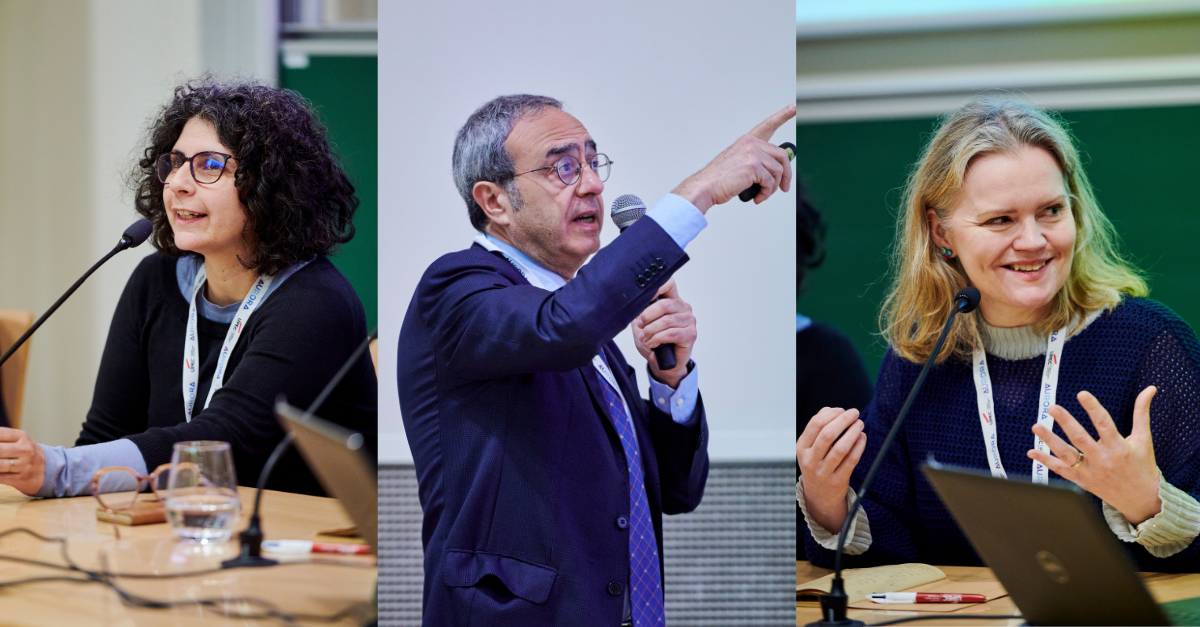
The Aurora Student Conference is an annual event for students to exchange ideas and collaborate on improving student experiences across Aurora universities. Together, the Aurora Student Council and Aurora Student Ambassador programme support student engagement by increasing awareness, sharing opportunities and fostering connection within the alliance. Andy Li, student from the first cohort of European Joint Master Degree DIGISOC, shares his experience during the Aurora Student Conference hosted by University of Iceland.

Aurora, viewed from the sky. Photo credit: Klaudie Simeckova (fellow Aurora Student Ambassador)

As our plane drifted toward Reykjavík, a pale movement outside the window caught the corner of my eye. At first, it looked like the sky was breathing. A moment later, lights unfolded beyond the glass. Aurora had greeted us midair.

I first heard about Aurora through my study program DIGISOC. It is a joint master program made possible by Aurora, carrying Aurora values of innovation, inclusion, and societal impact. Enthusiasm led me to explore further and applied for an Aurora Student Ambassador role. What began as a simple interest turned into a meaningful journey, taking me beyond the classroom to a wider community built on openness, trust, and shared purpose.

Learning to Unlearn: From the Classroom toward a Living, Collaborative Space

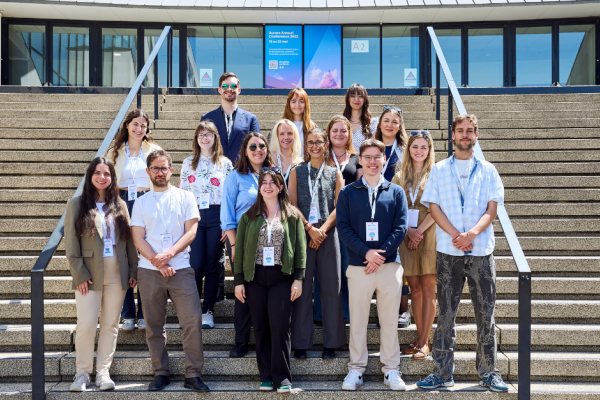
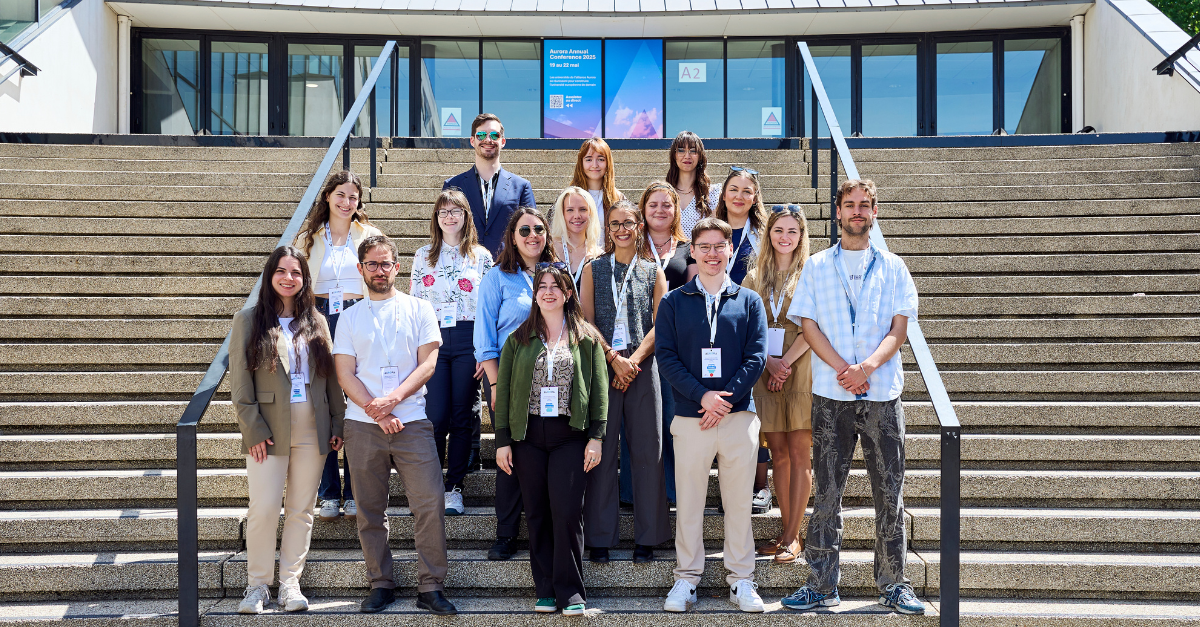
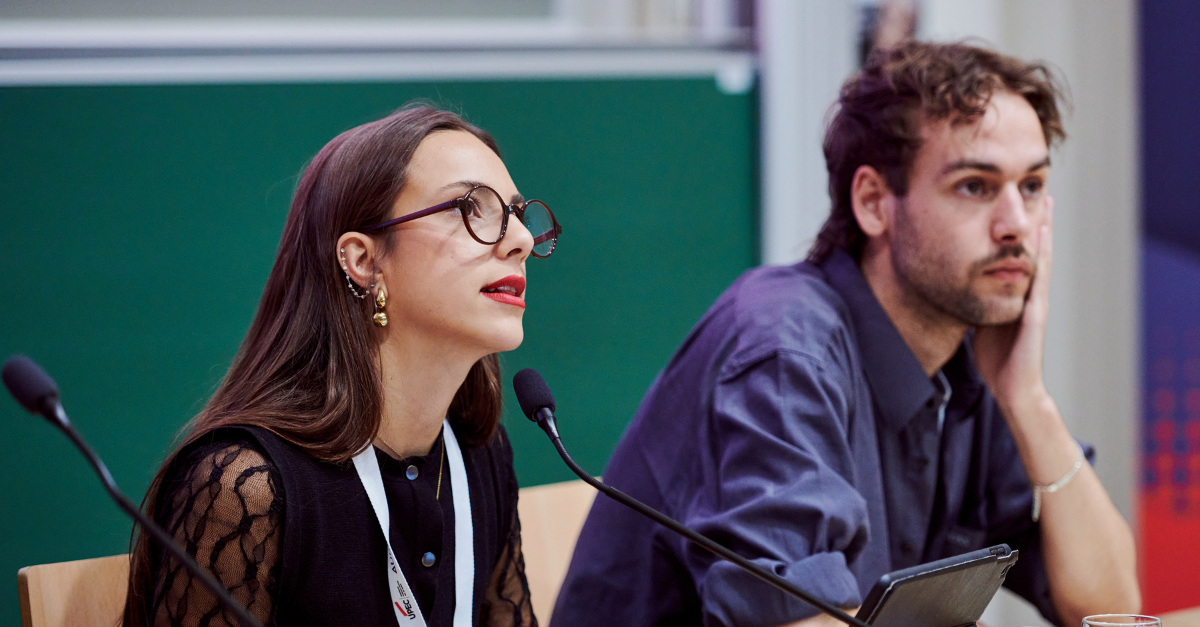
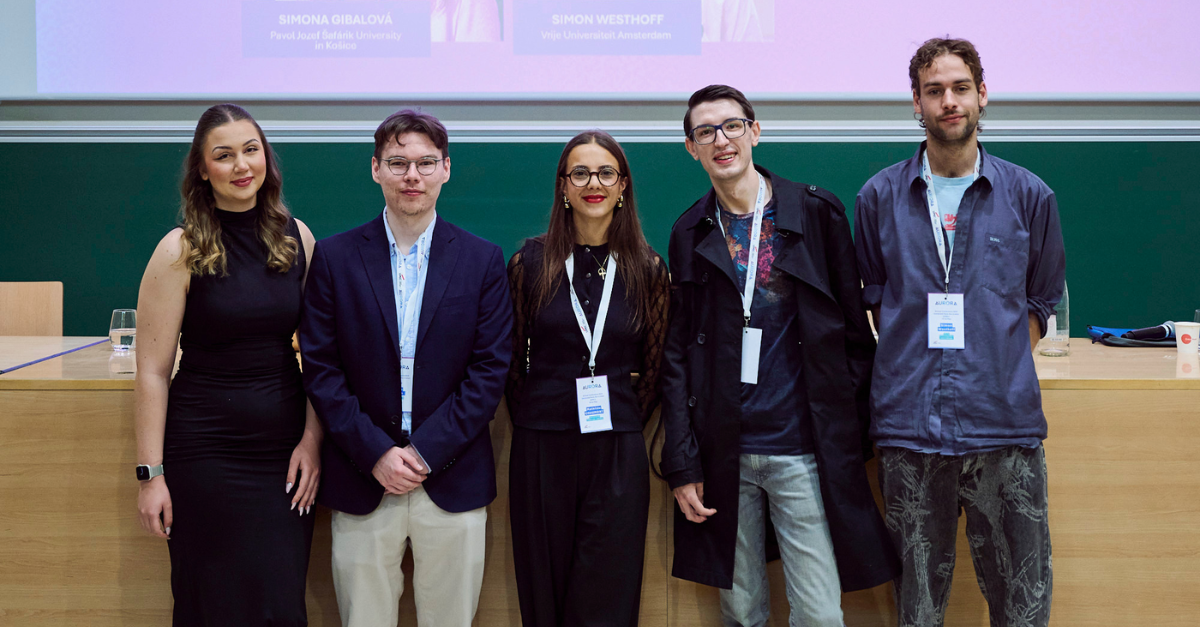
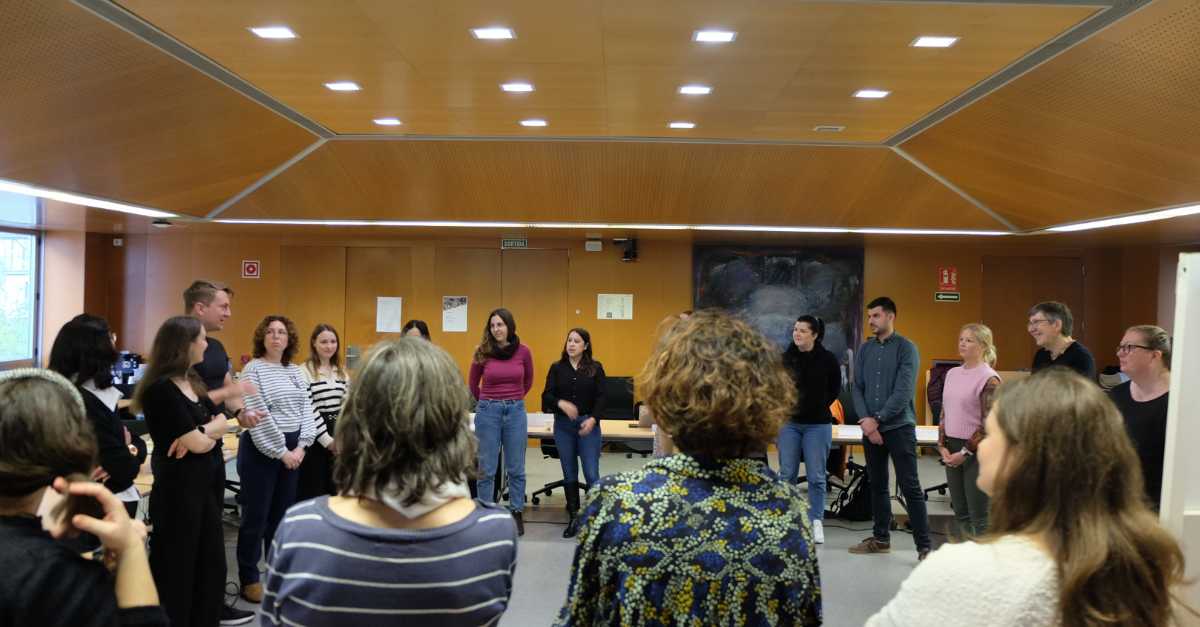
At the Aurora Student Conference, the idea of learning to unlearn became reality. Students from across Aurora universities came together to represent their peers, share concerns, and support each other. Despite our different backgrounds, there was a shared enthusiasm and more importantly, a shared respect. What stood out was not just the diversity of voices, but the way each one was genuinely heard. At my first Aurora event, I realized that this was more than an international gathering, it was a space for stories, perspectives, and genuine listening.

Through discussions, intercultural workshops, and social activities, I learned to step back from my carried perspective and engage to listen openly, as every moment offers a chance to see the world through someone else’s eyes. There was no pressure to be the loudest voice or to give the best answer, only a space to pause, listen, reflect and collaborate. Beyond the conference, Aurora has evolved into a living, collaborative space shaped by the people within it.

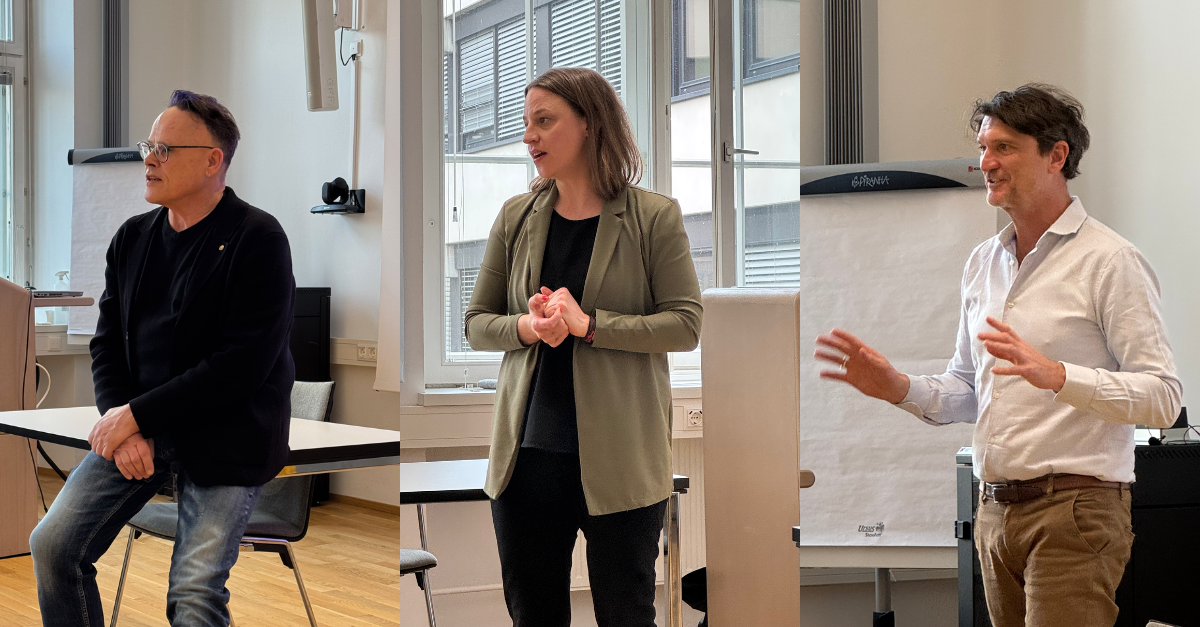
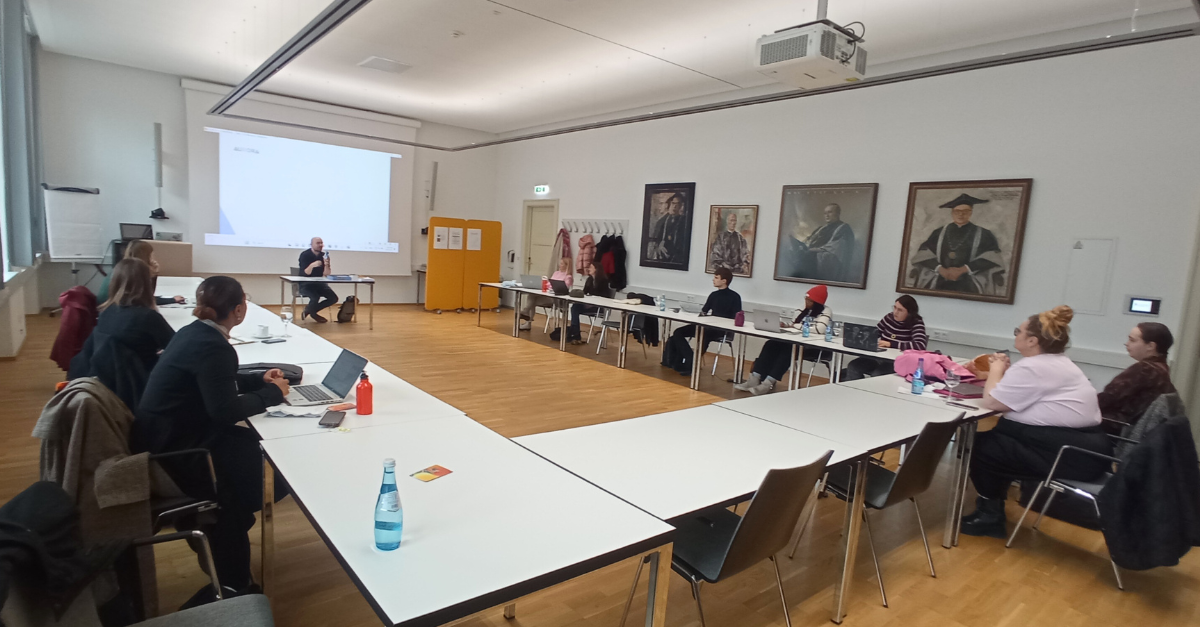
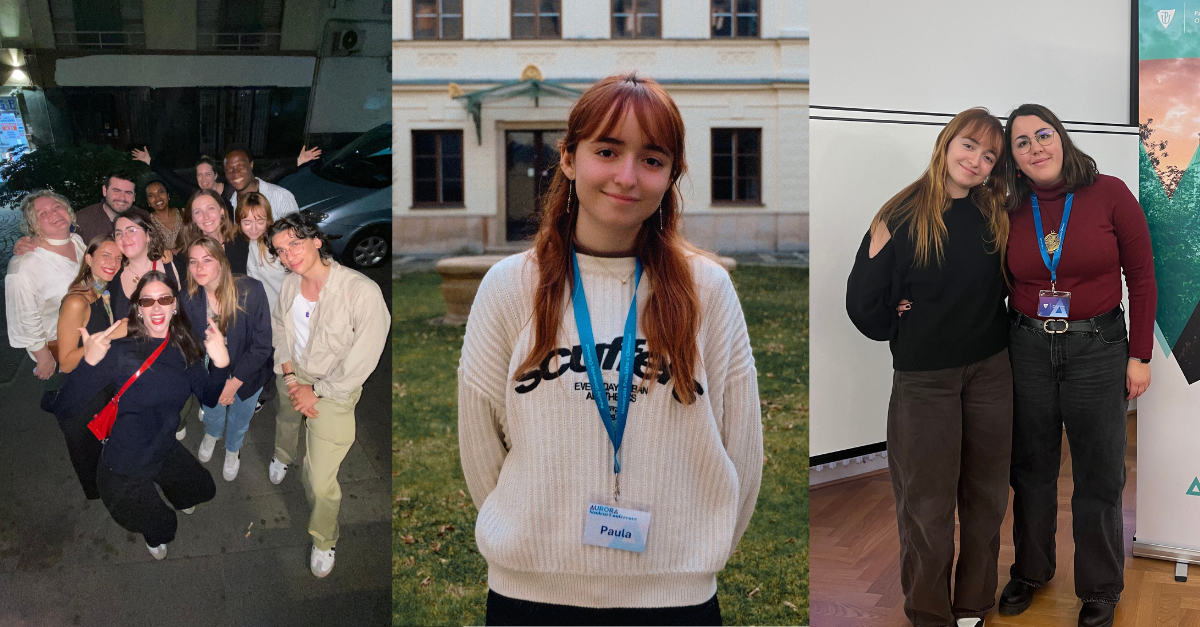
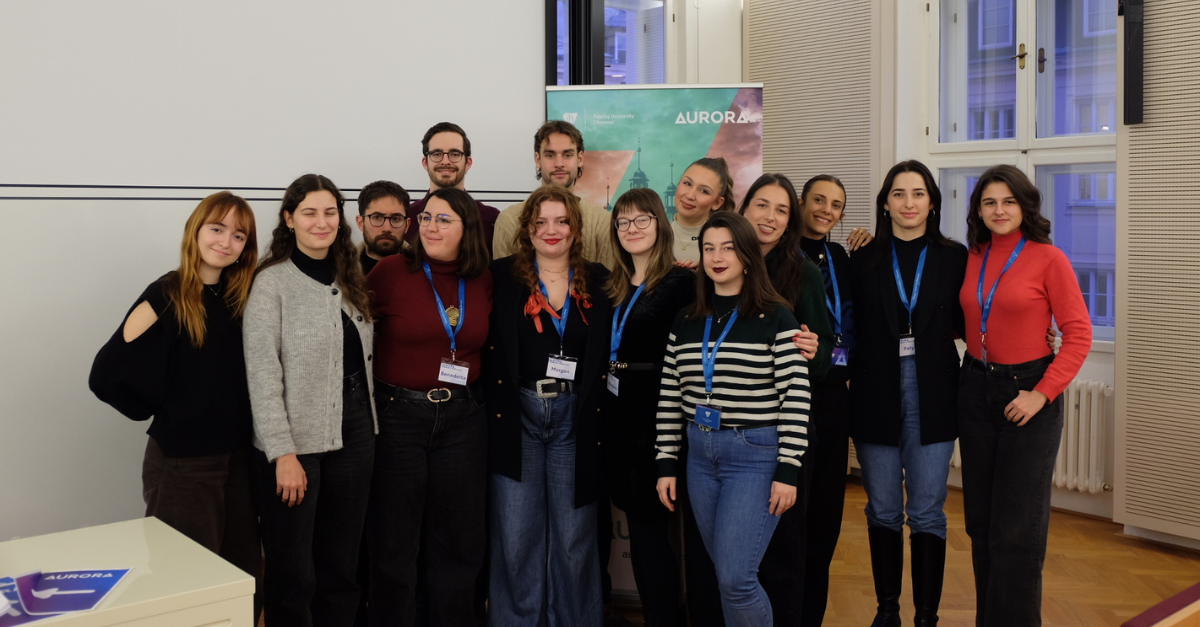
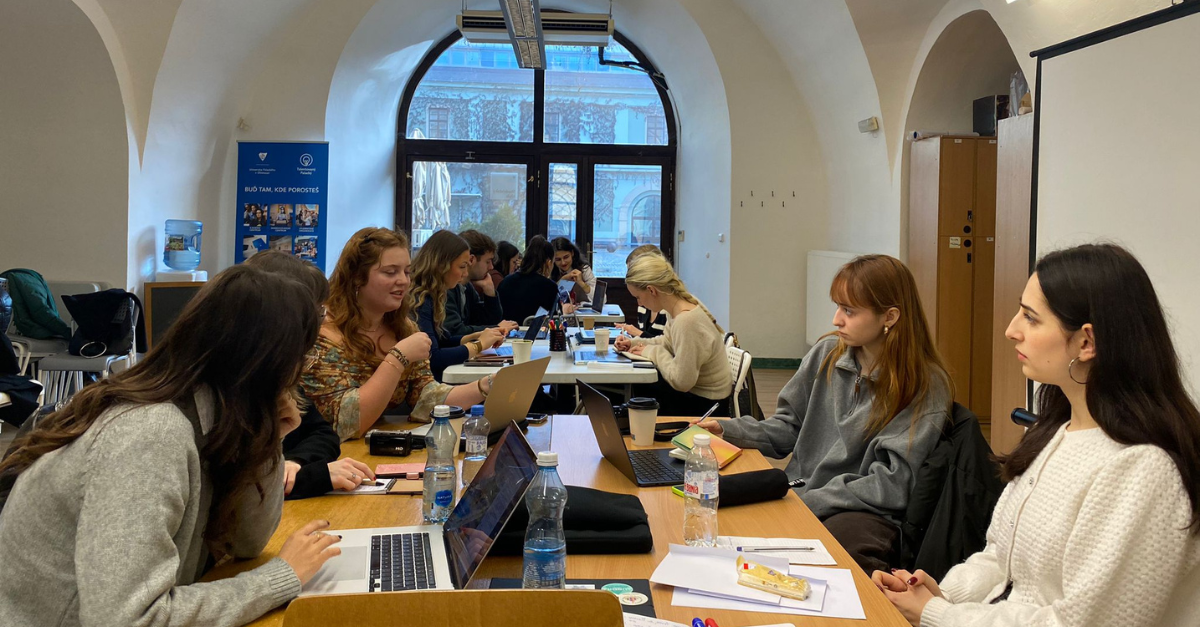
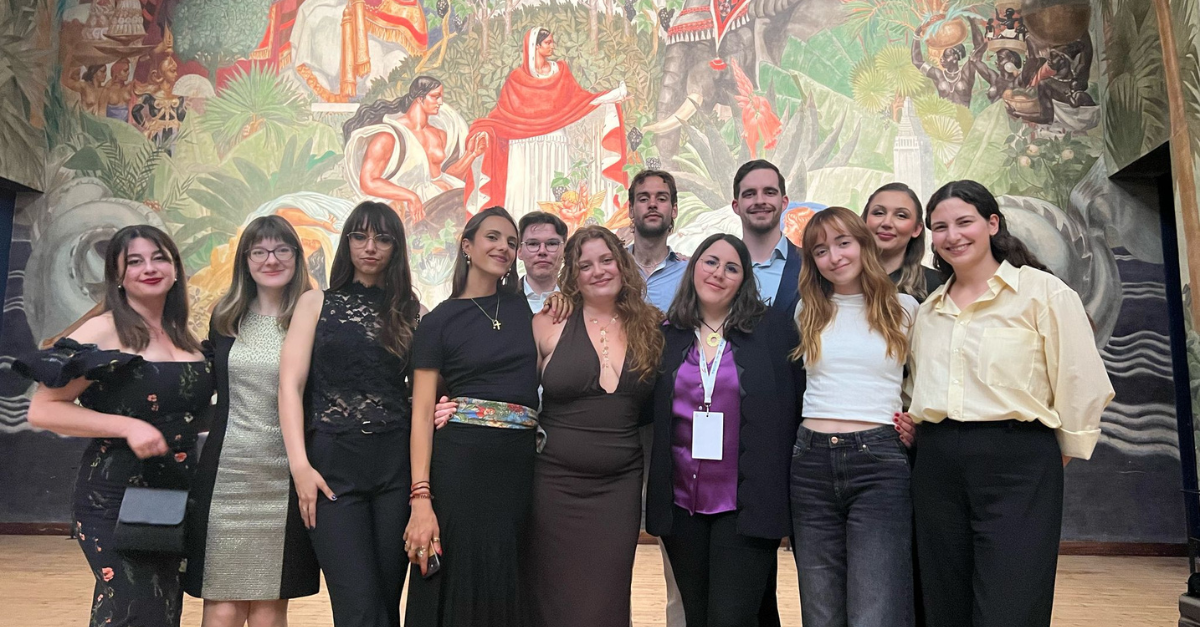
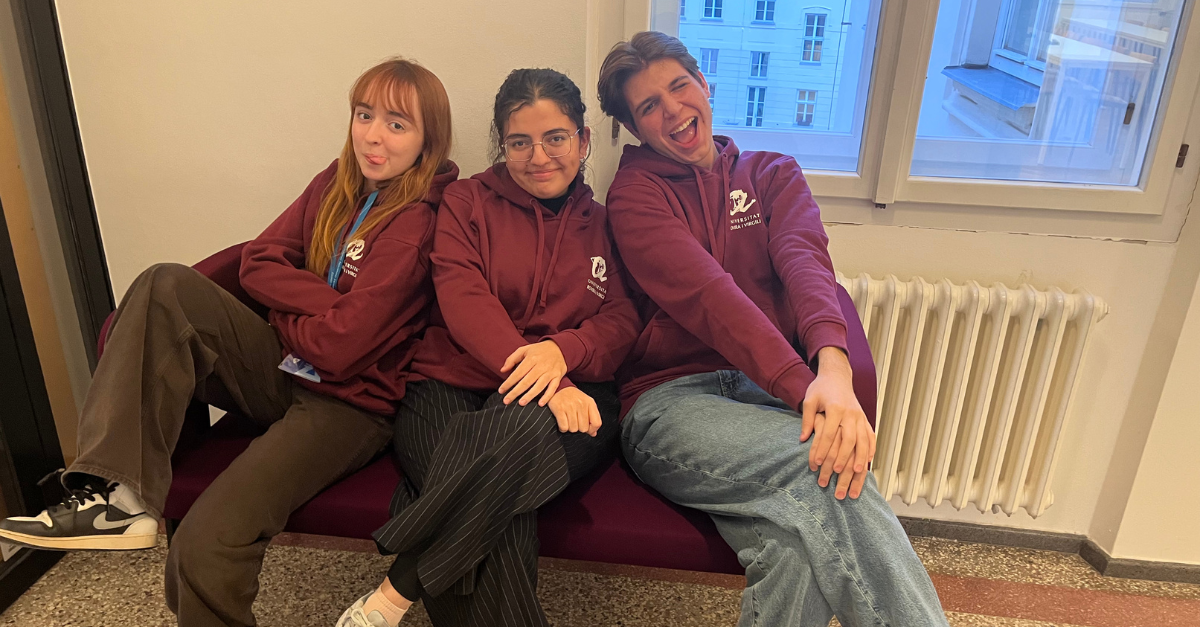
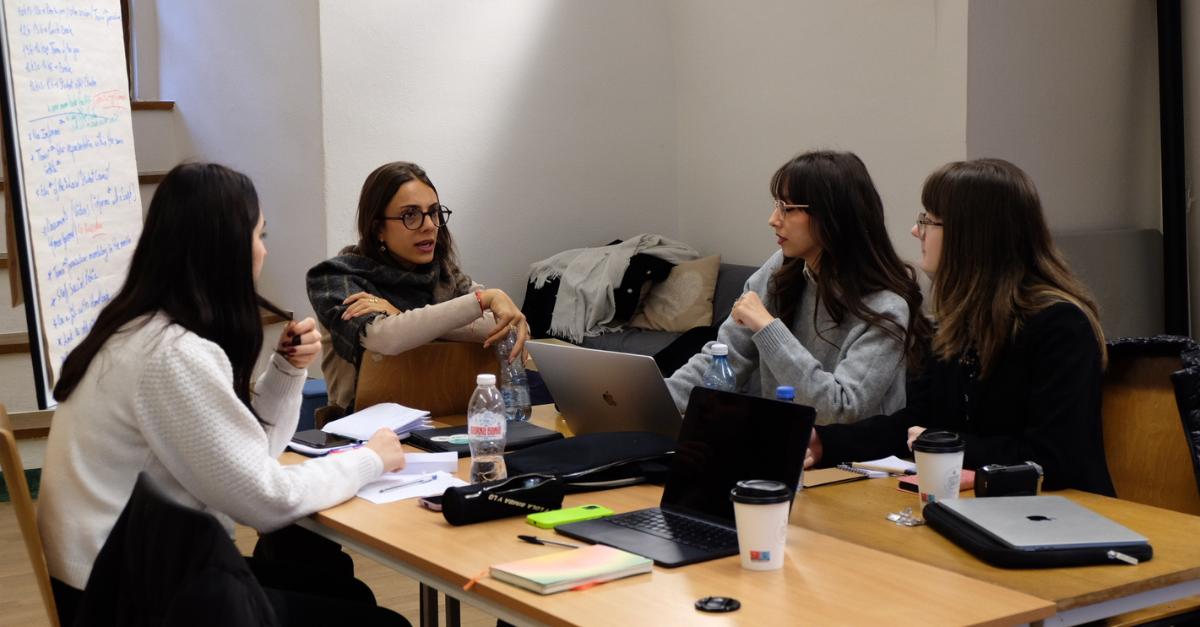
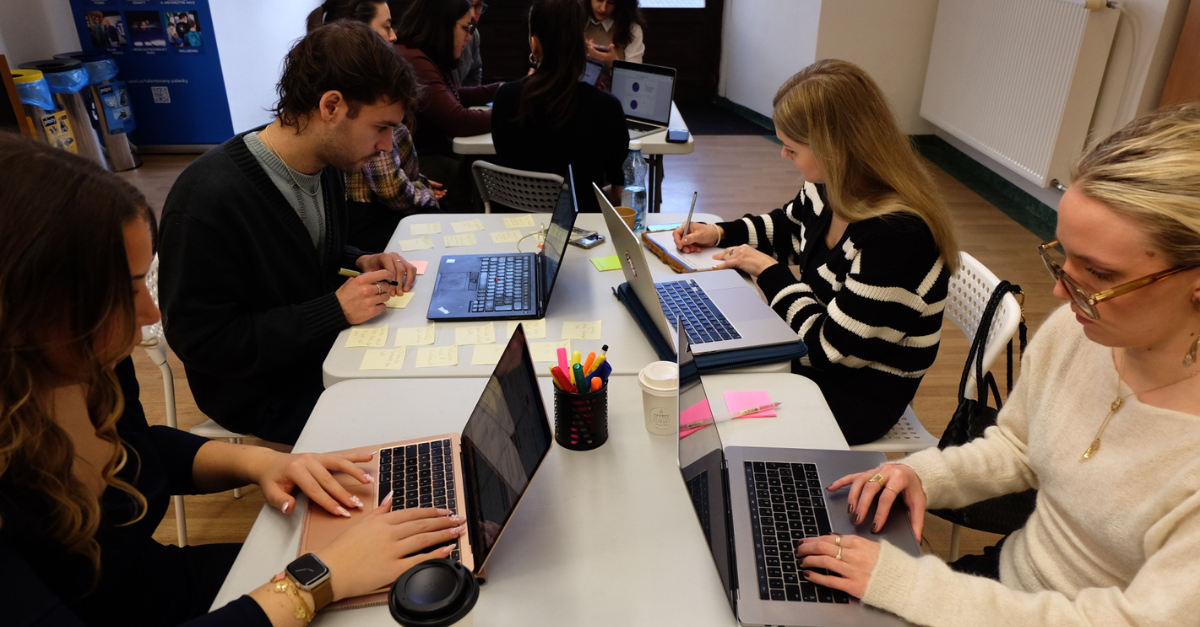
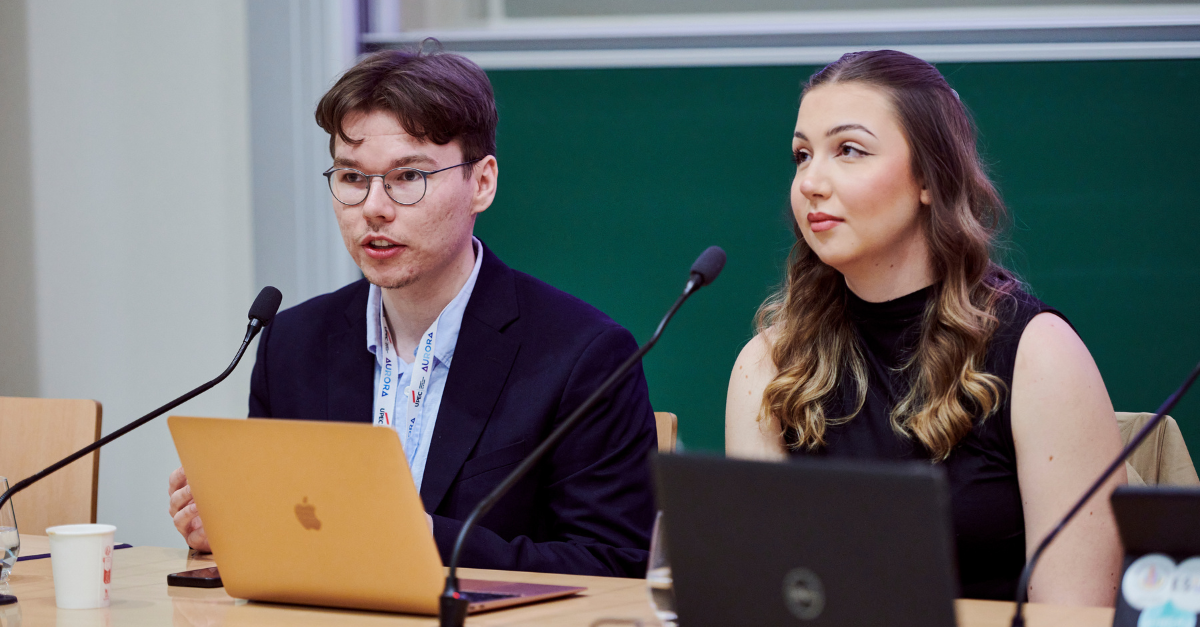
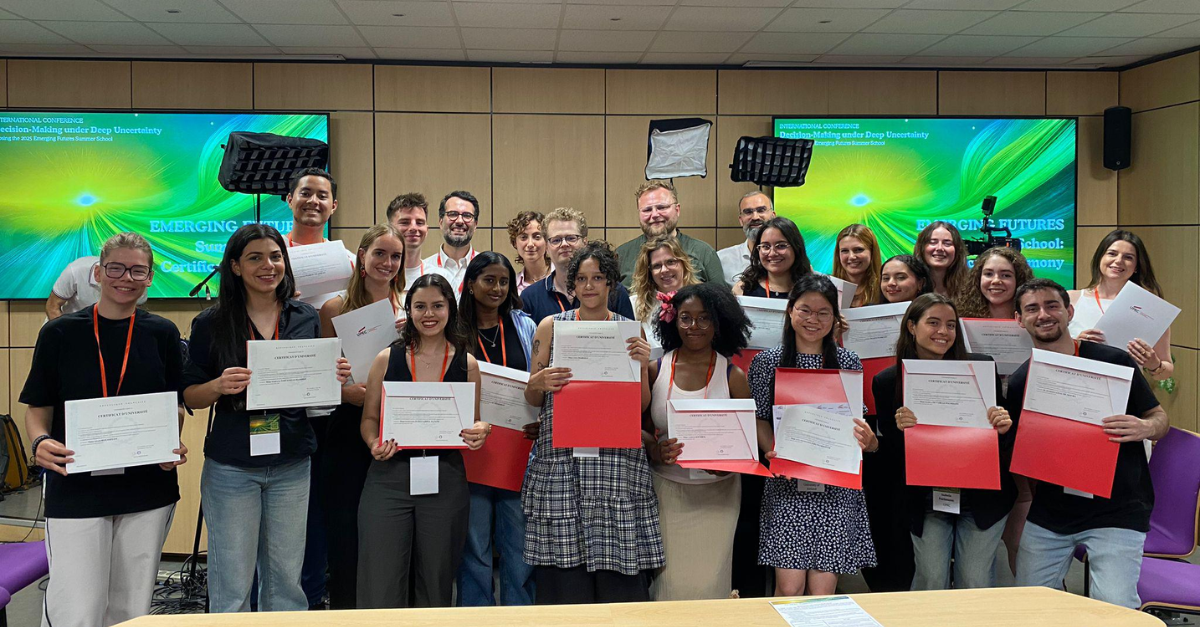
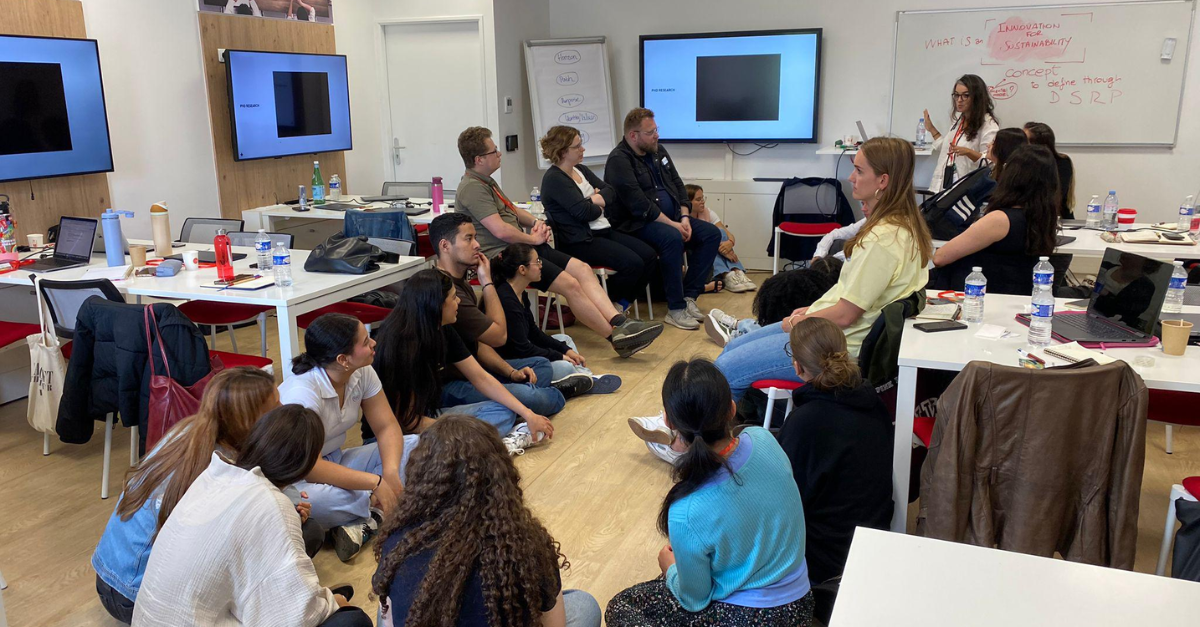
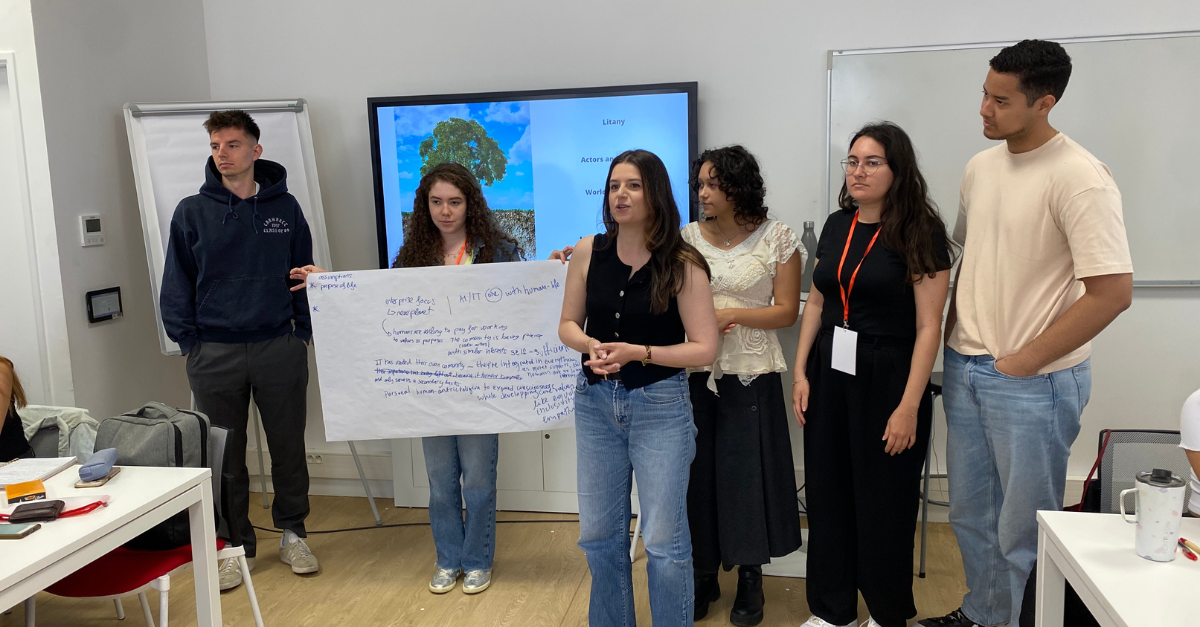
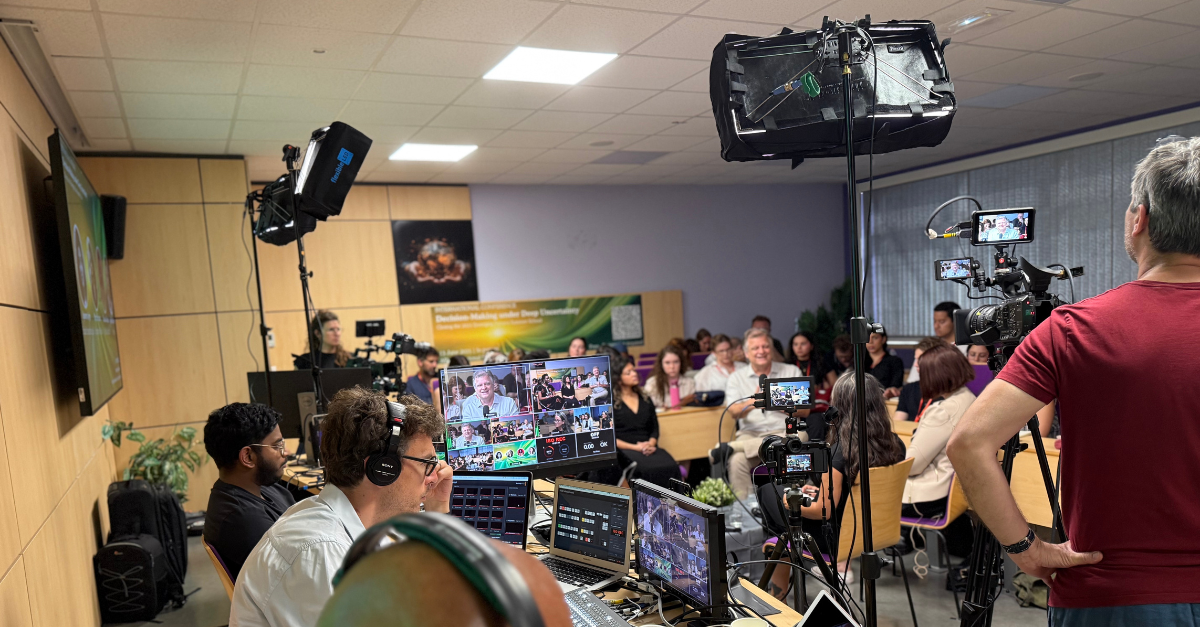
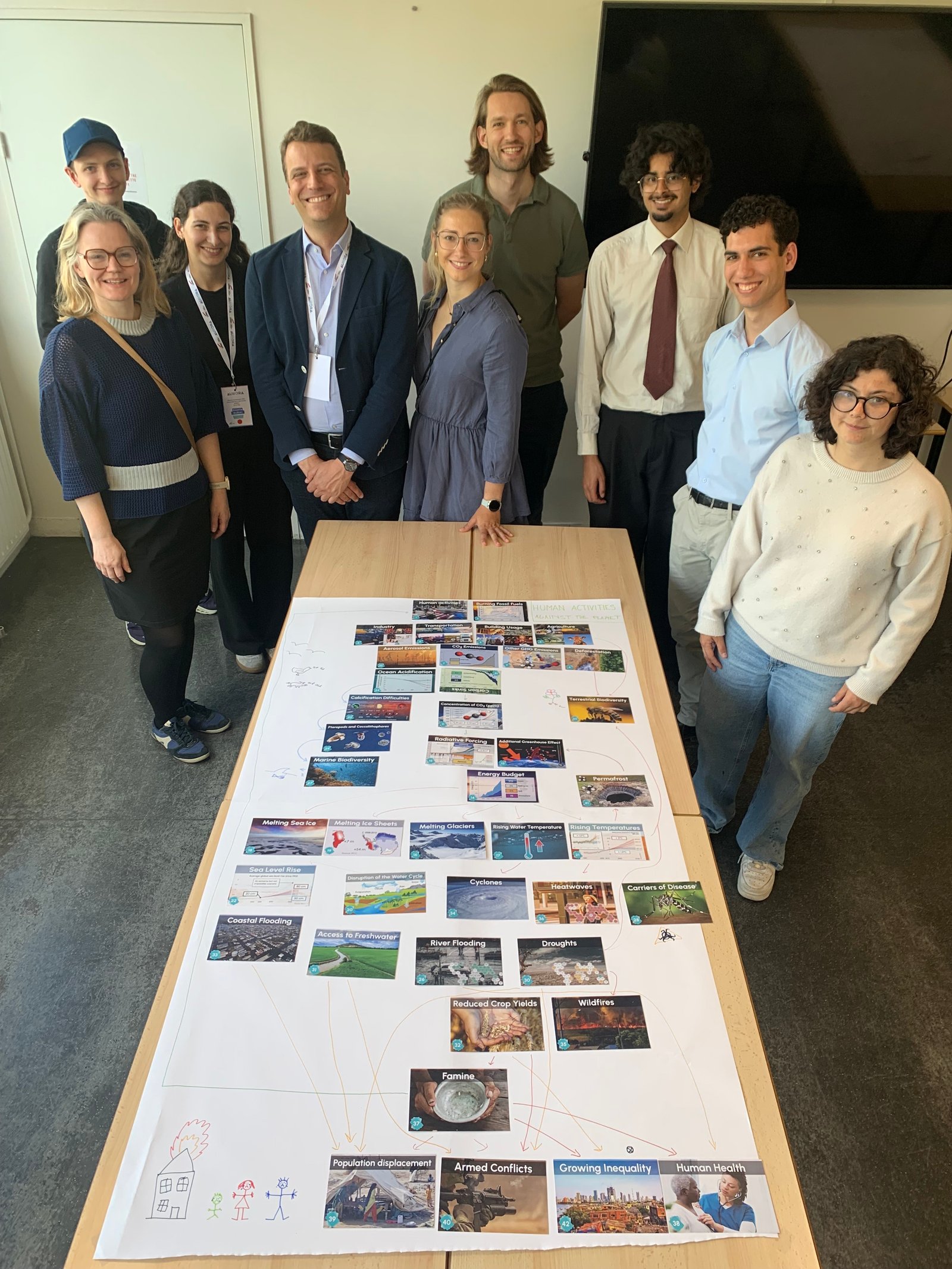
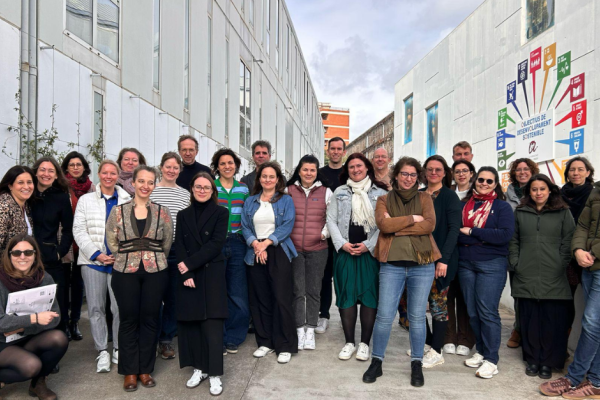
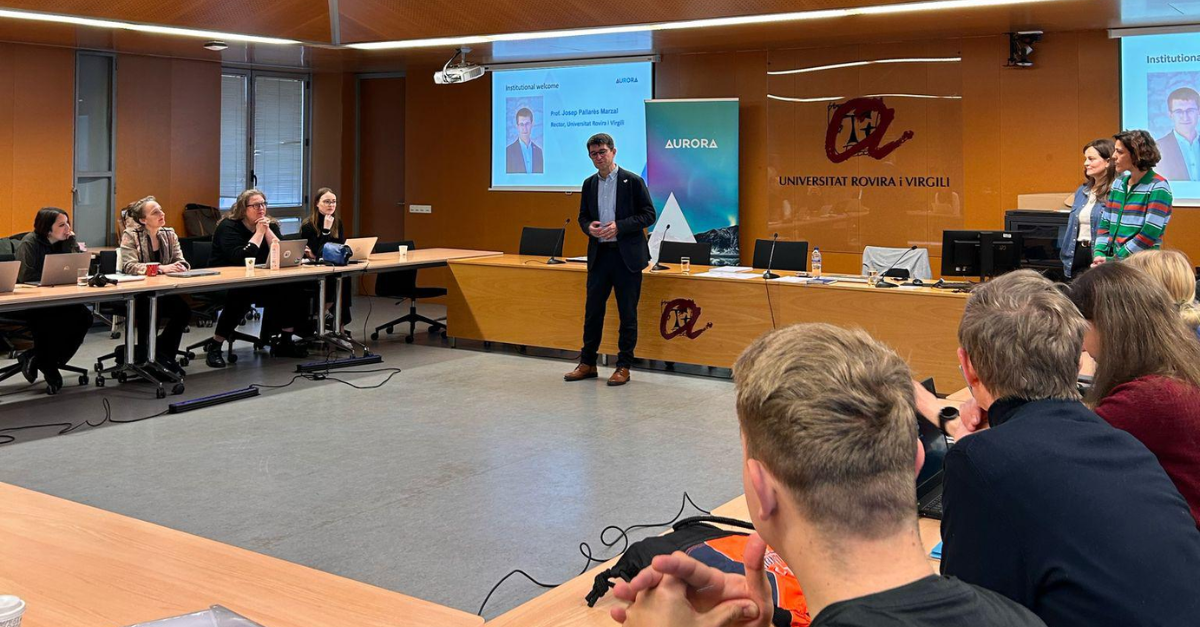
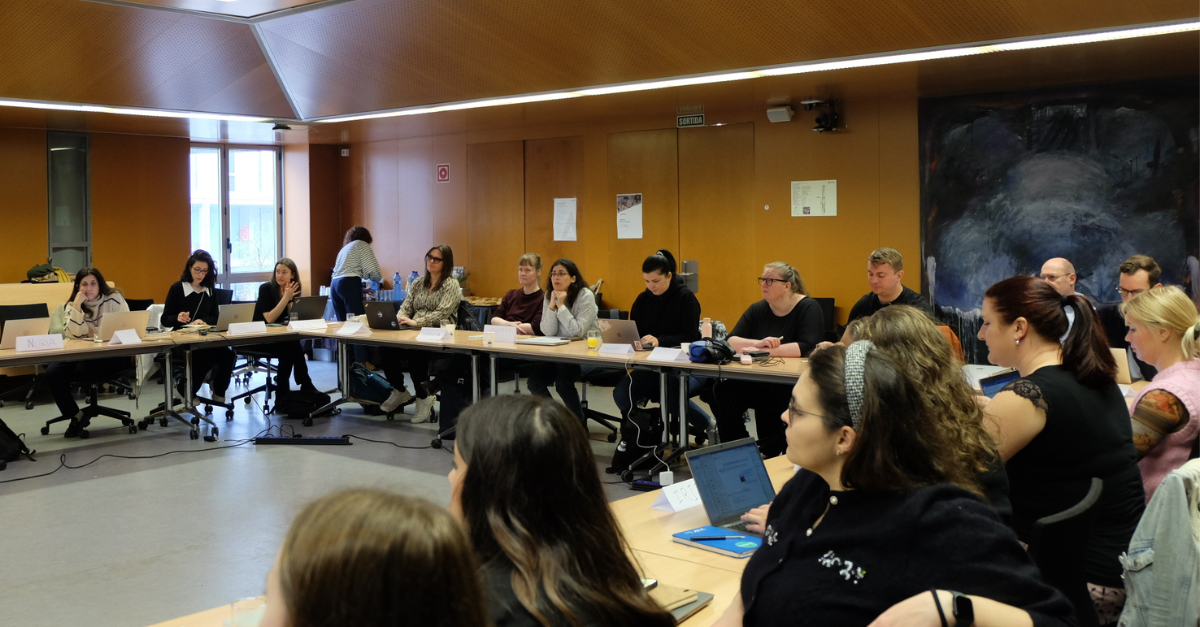
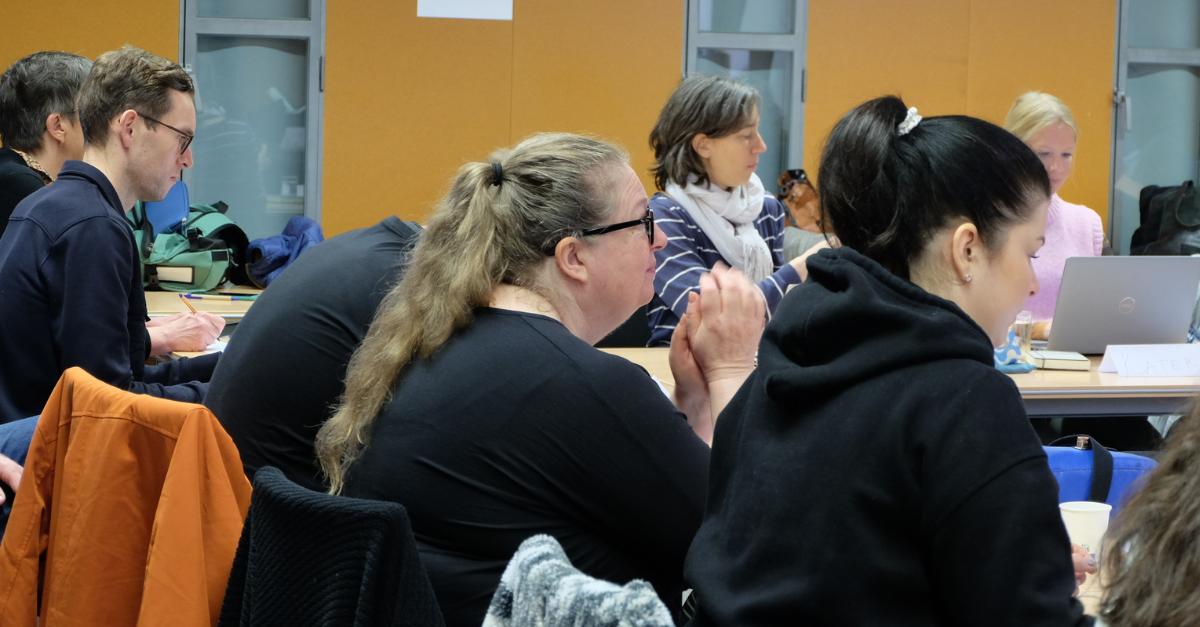
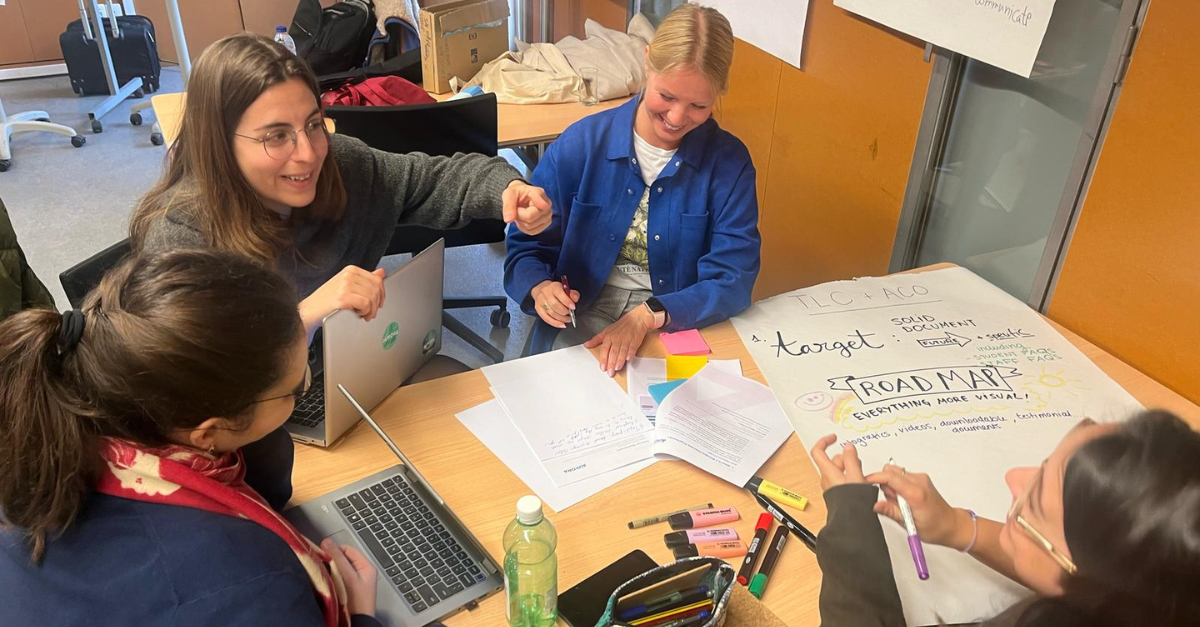
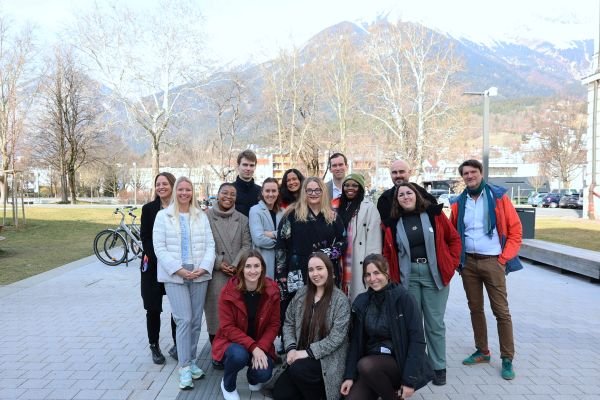
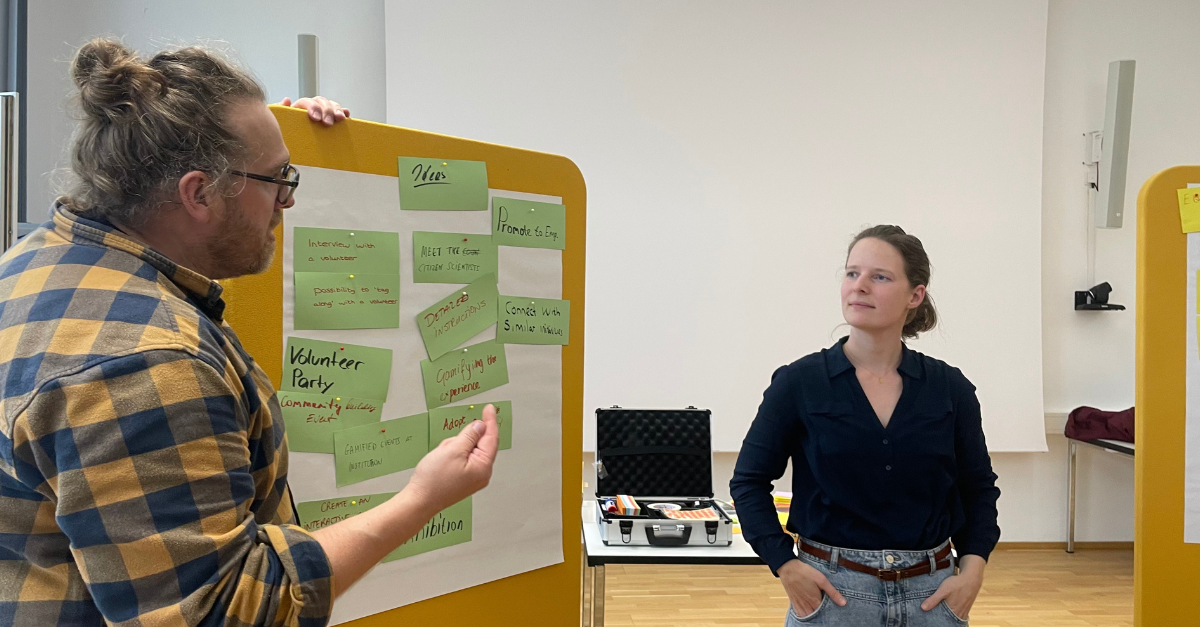
Moments from the DIGISOC class and Aurora Student Conference

A Community Beyond Borders

What makes Aurora special is its strong sense of community, bringing together the unique perspectives and strengths of university alliance members.

Being an Aurora Student Ambassador gave me the chance not only to increase awareness about Aurora initiatives to more students, but also to listen to what students were looking for in their learning experience. What mattered most was not just sharing information, but initiating conversations. It is the conversations that made Aurora feel approachable and open to everyone. During intercultural activities, each student brings something unique: a way of thinking, a cultural value, or a personal story which together enrich the community. Within and beyond classroom activities, stories shared during conferences find their way into conversations, and connections made during the event continue to grow at home.

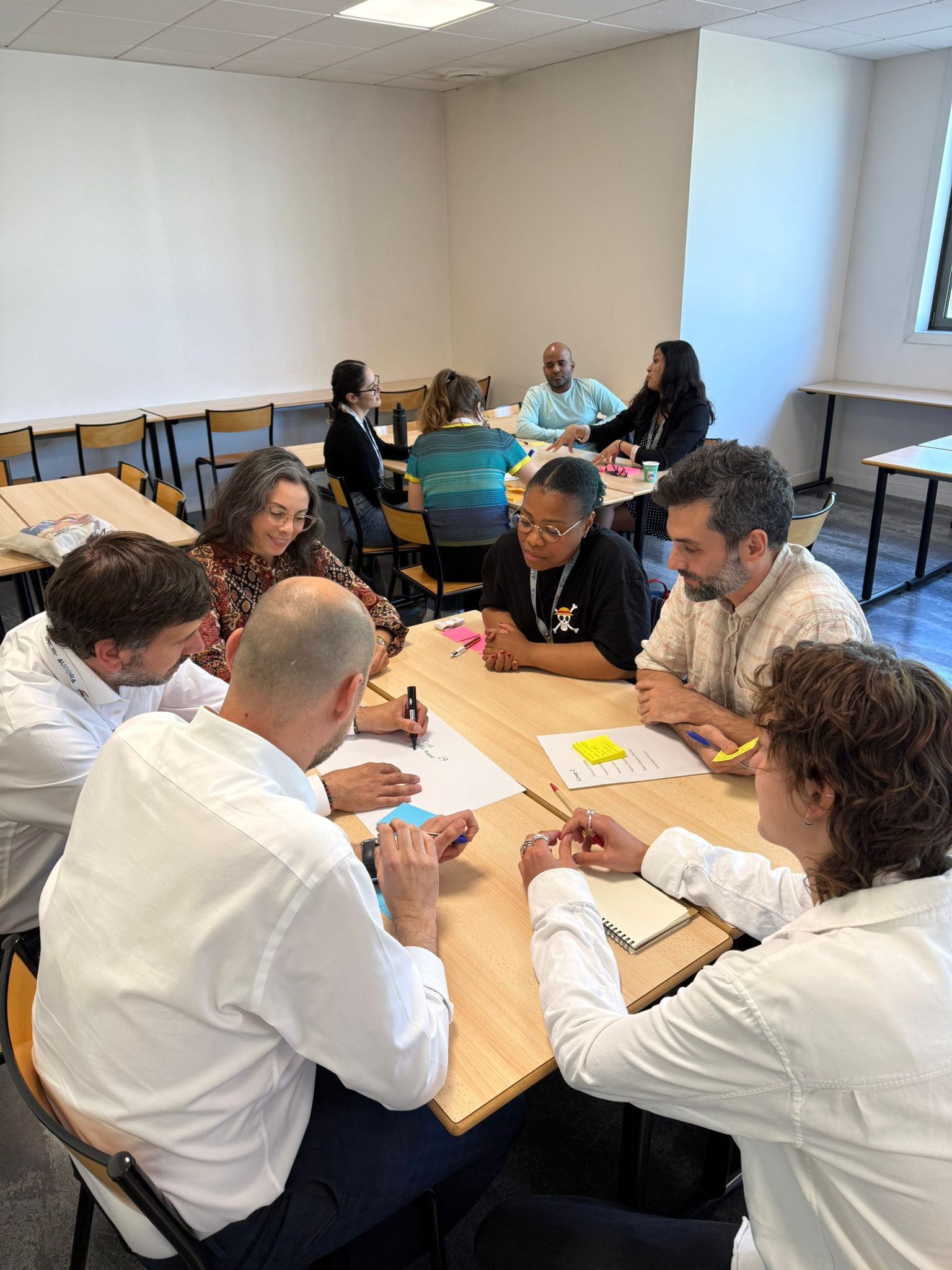
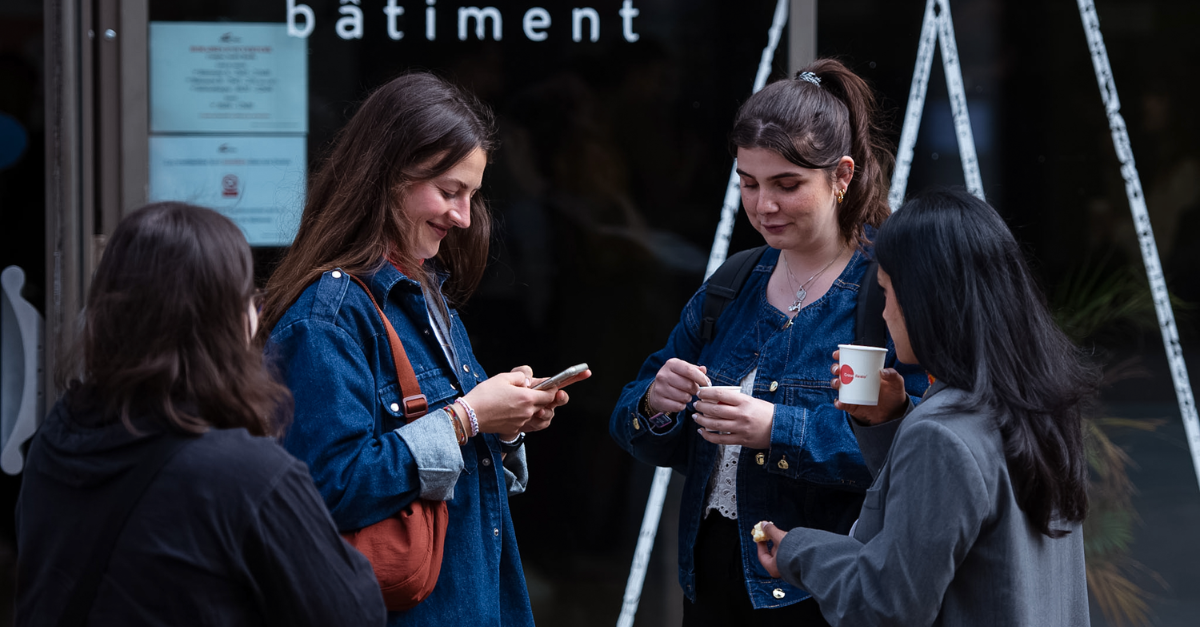
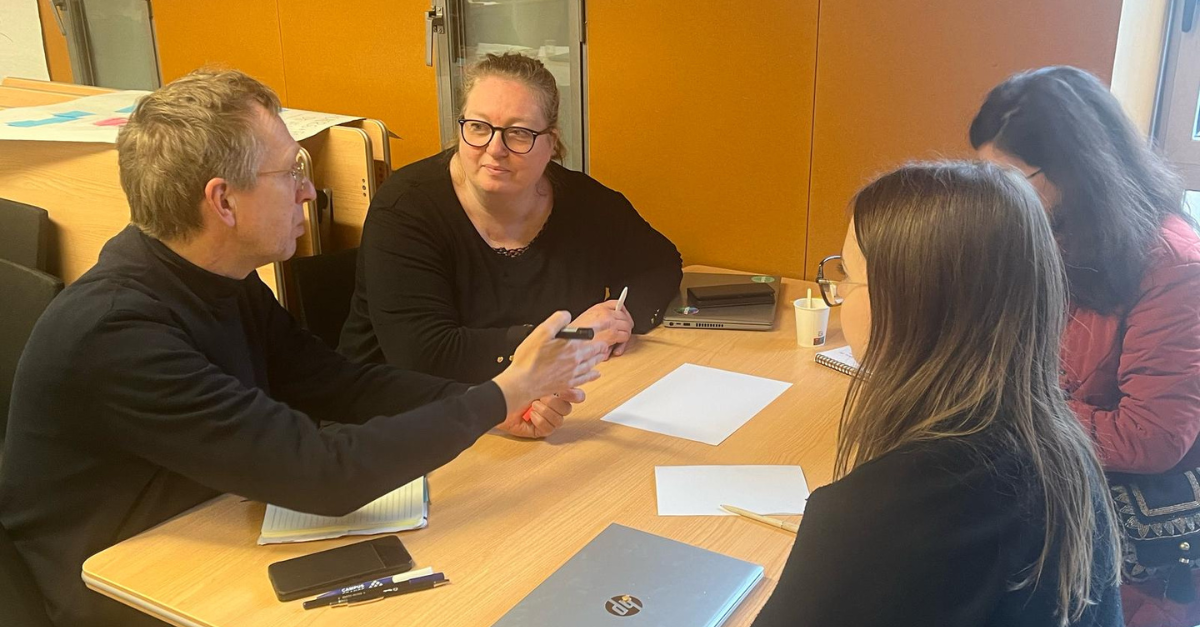
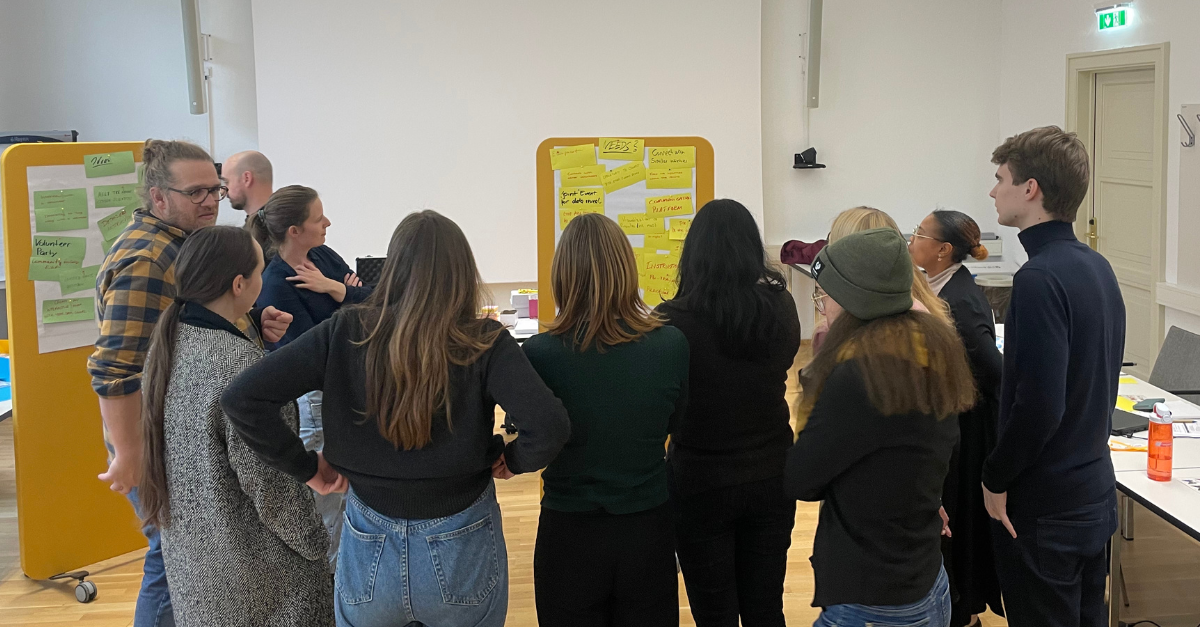
In-class and beyond-class conversations that bring us together

Looking Ahead Together: Cross-University Collaboration

Looking forward, I imagine Aurora as a space where these connections that were formed continue to grow. Peer learning and joint projects build understanding across differences and strengthen a sense of belonging within the alliance. Through initiatives like Blended Intensive Programmes and hybrid classes, students remain connected across universities while pursuing their own paths. Borders may still exist, but they no longer divide. What remains is a shared journey, shaped by dialogue, respect, and the willingness to listen.

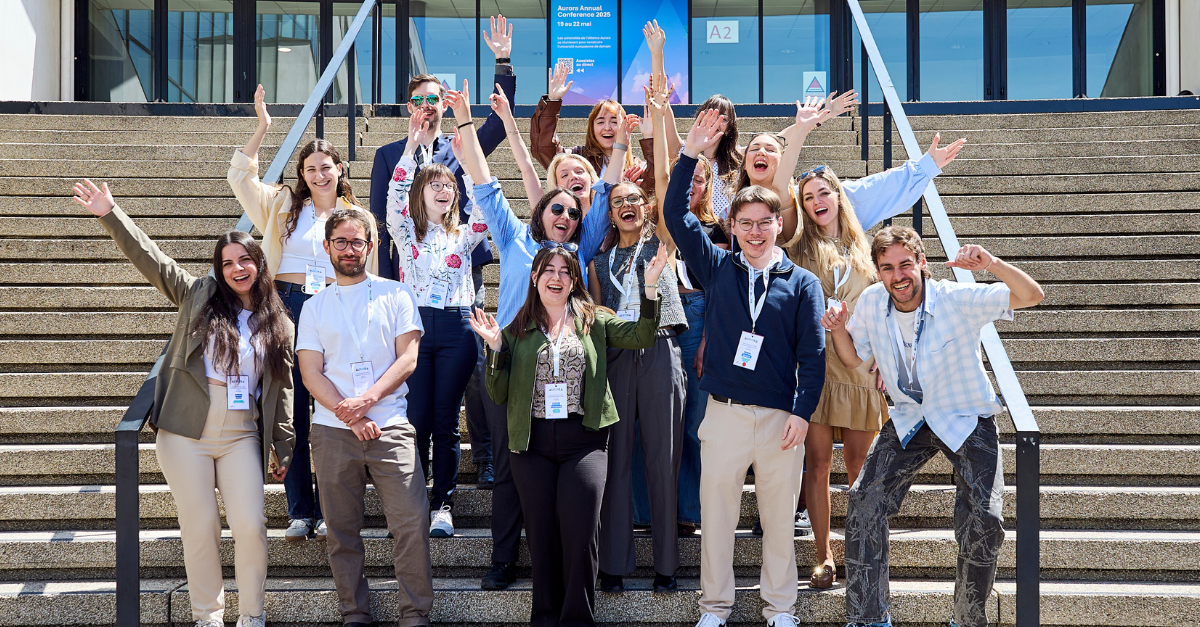
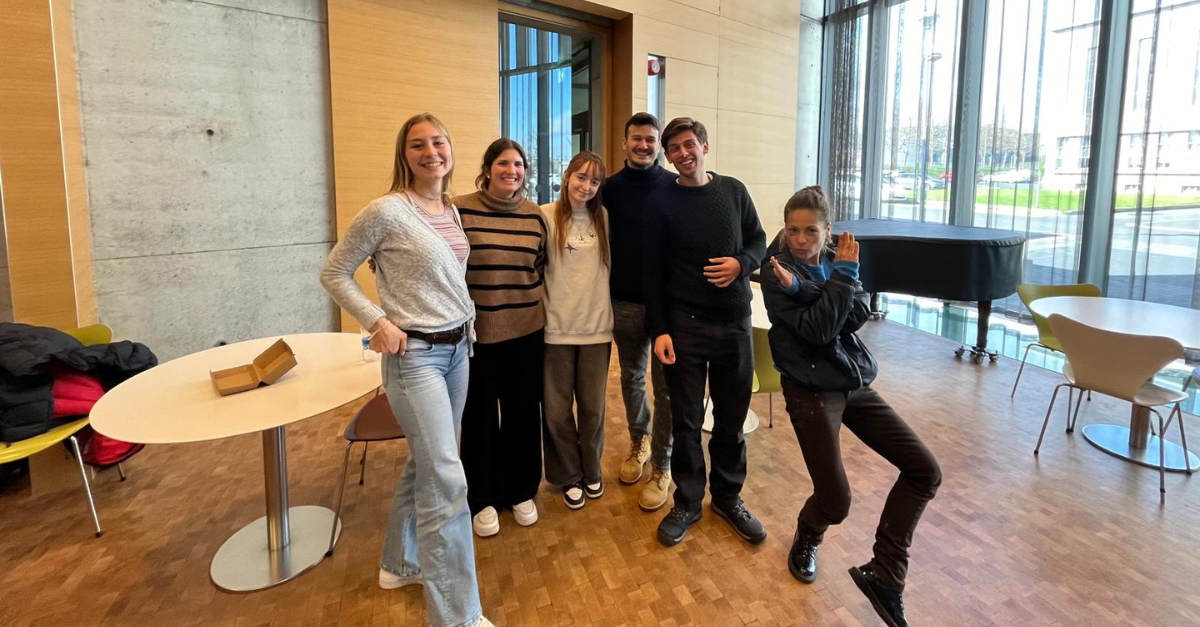
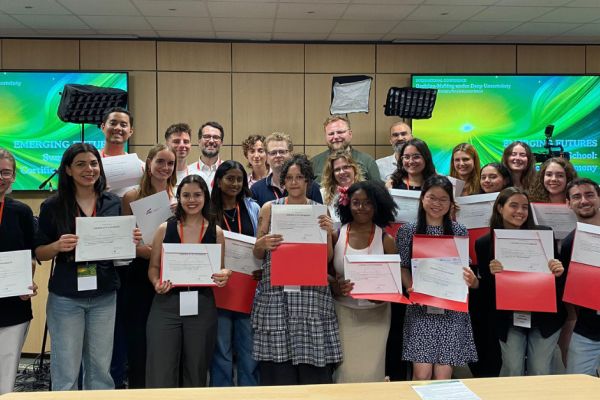
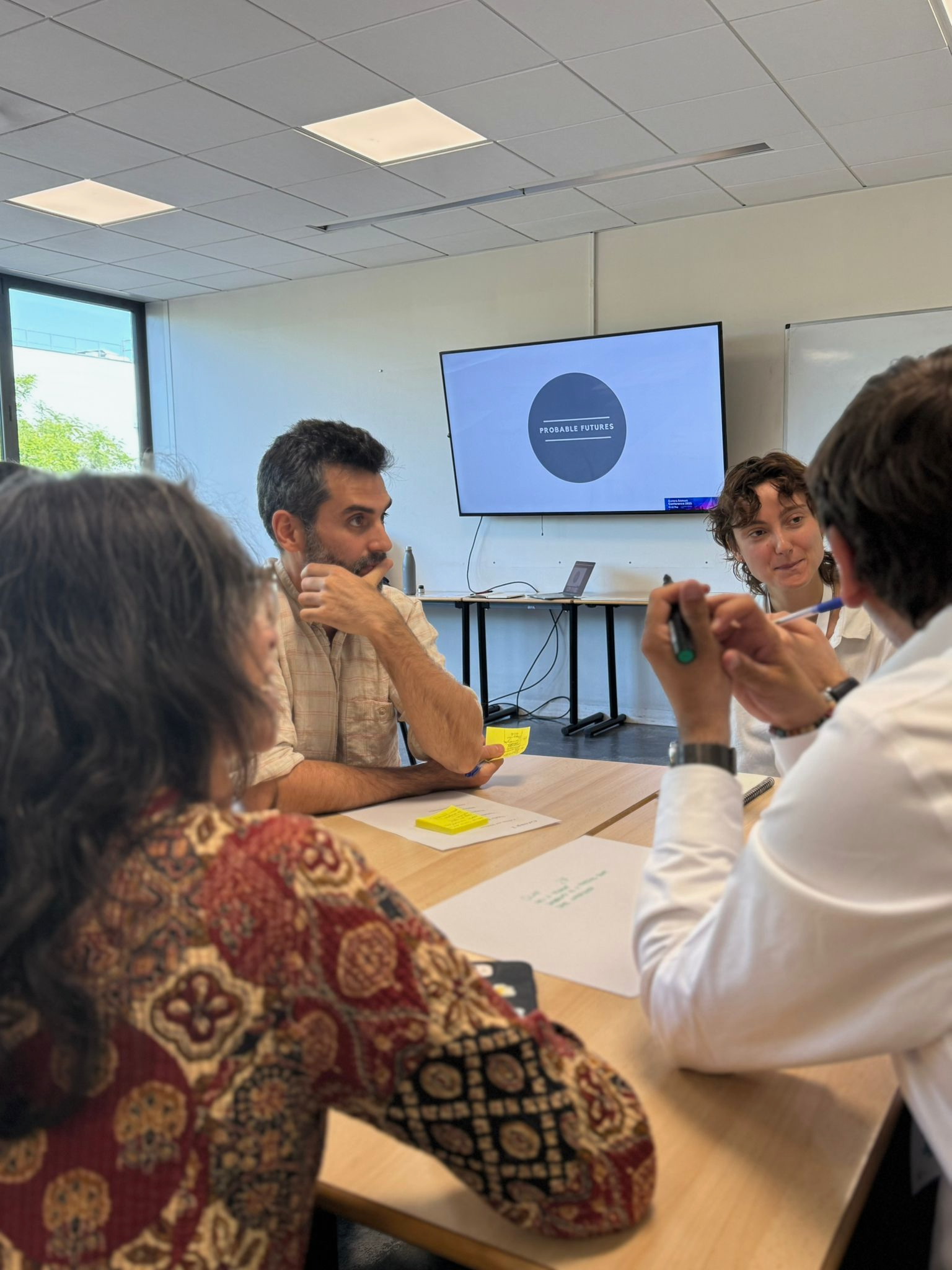
A snapshot of collaboration today, with more to come in the future

I am ready to move forward with gratitude for the people I met, the conversations we shared, and the reminder that Aurora is not just a network of universities, but a shared journey built on connection, respect, and the courage to navigate across border, together.

Aurora Winter School in VU Amsterdam: Use of Generative AI in Academia

The Winter School ‘Generative AI in Academia’ is an Aurora winter course within the Digital Society and Global Citizenship hub at Vrije Universiteit Amsterdam. Open to students and faculty across all disciplines and nationalities, it focuses on integrating generative AI into academic work and research.

Hosted at the Vrije Universiteit Amsterdam, the programme teaches participants how to use models like GPT and Llama for tasks such as data analysis, hypothesis generation, and literature summarisation. The curriculum is divided into a lecture-heavy first week followed by a collaborative second week where teams design a formal scientific study. Beyond technical skills, the course emphasises ethical responsibility, addressing concerns like bias, fairness, and the transparency of AI-generated results. Students are ultimately evaluated through a project pitch and a written proposal, ensuring they can apply these transformative tools to their specific fields of study.

Bridging the Gap in the Use of Generative AI

This insightful video documents the experiences of both the participants and the teacher. This course, a collaborative effort within the Aurora network, was born out of a necessity to bridge the gap between researchers using Generative AI tools and understanding how to use them properly, systematically, and considerably.

Course coordinator Dr. Ivano Malavolta, Associate Professor in Software Engineering and Director of the Network Institute, is joined by two PhD students from the University of Iceland, and a PhD student from VU Amsterdam to discuss the transformative nature of the programme.

Key highlights of the discussion include:

  • The Power of Interdisciplinary Collaboration: Xin Chen (a sociologist) and Ahmed Hamdi Abdrabou Moghazi (a geologist) moved beyond their individual “bubbles” to co-design a project exploring the link between past climate change and human migration. In addition, Niels van der Heijden expresses the value of interdisciplinary composition of the participants.
  • Moving Beyond the Basics: The participants reflect on how the course shifted their perspective from randomly writing prompts to a systematic A-Z approach for gathering information, verifying data, and structuring research proposals.
  • Learning by Doing: Dr. Malavolta explains the deliberate design decision to combine theoretical lectures with intensive hands-on labs. This approach allowed researchers—even those without technical backgrounds—to use AI for coding, statistical analysis, and creating complex data visualisations.
  • Ethical and Technical Depth: The group discusses the intense first week of lectures, which covered everything from the technical machinery of Large Language Models (LLMs) to critical debates on the ethics and perceived risks of AI in society.

Aurora Micro-credential Coordination Committee (Aurora-MCC) Moves from Framework to Implementation

The Aurora Micro-Credential Coordination Committee (Aurora-MCC) formally constituted itself in November 2025, marking an important step in translating the Aurora Guidelines for Setting Up Micro-Credentials into coordinated practice across Aurora.

Participants at the second Aurora-MCC meeting. Photo credit: Aurora-MCC, Raab 

The constitutive meeting chaired by Christina Raab from Universität Innsbruck, confirmed the committee’s mandate, composition, and operational arrangements. With this, the Aurora-MCC was established as a permanent, cross-institutional coordination body focused on facilitation, peer learning, and ecosystem-building rather than quality control.

Moving from Framework to Implementation

The committee’s work builds directly on the Aurora Guidelines for Setting Up Micro-credentials, published in 2025 as a living document aligned with the European Council Recommendation on a European approach to micro-credentials. These Aurora guidelines provide a shared European framework for the quality-assured design, implementation, recognition, and visibility of Aurora micro-credentials, while fully respecting institutional autonomy and national regulatory contexts. The Aurora-MCC ensures continuity between this strategic framework and its operational interpretation across Aurora.

At its second meeting in January 2026, conducted online, the Aurora-MCC discussed a proof of concept for the implementation of jointly offered Aurora micro-credentials. The discussion addressed overarching principles and workflows, including coordinated academic collaboration, issuing arrangements and digital and administrative processes. The proof-of-concept discussion served as a structured test case to explore how the Aurora guidelines can be applied in practice and how joint Aurora micro-credentials could be implemented in a scalable and interoperable manner.

The Aurora-MCC currently works predominantly in an online format, enabling regular monthly meetings and continuous exchange. Through its ongoing activities, the Aurora-MCC is actively advancing the implementation phase of the Aurora guidelines, contributing to the development of a trusted, interoperable, and future-oriented micro-credential ecosystem within the Aurora.

For questions related to the work of the Aurora-MCC, the committee can be contacted via aurora-courses@uibk.ac.at

Aurora in 2026: New Year Message from Aurora Secretary General Ramon Puras

Ramon Puras, Aurora Secretary General, meets 2026 with a message focused on major achievements in Aurora, future developments and gratitude to the Aurora community. 

Looking back on 2025, Aurora continues to be a shared space to experiment, learn, and rethink how higher education institutions serve society.

Some of our key achievements as a community:

As we move into 2026, we aim to build on this momentum to:

  • Further develop our Aurora 2030 alliance projects
  • Sharpen our educational roadmap
  • Expand collaboration with like-minded networks, such as the City Science Initiative
  • Deepen our work with the University of Sussex, made even stronger by the renewed academic collaboration between the UK and the European Union.

Most of all, we would like to express gratitude to the Aurora community.

To our universities’ visionary Presidents and Vice-Rectors.
To our fantastic Institutional Coordinators.
To our Aurora Student Council, who keeps us abreast of our students’ needs.
To our Aurora Central Office team, the motor of Aurora.
To all academics, staff and students involved in Aurora.

Their commitment and energy make Aurora what it is.

Our 10 years together in Aurora is coming up! We will be marking this moment during the Aurora Annual Conference 2026 at the University of Duisburg-Essen from 19 to 22 May.

Ramon Puras
Aurora Secretary General

With our universities: Vrije Universiteit Amsterdam (VU Amsterdam), University of Iceland, University of Duisburg-Essen, Universitat Rovira i Virgili, Universität Innsbruck, Università Federico II of Naples, Palacký University Olomouc, Université Paris-Est Créteil, Copenhagen Business School, Simon Fraser University, V. N. Karazin Kharkiv National University, South-West University “Neofit Rilski”, Pavol Jozef Šafárik University in Košice and University of Tetova.

Throwback to the Spark Social Programme Experience With Four Students From Universitat Rovira i Virgili

Last spring, four students from Universitat Rovira i Virgili (URV) travelled to Reykjavik, Iceland, to co-create solutions to global challenges related to educational innovation and digital sustainability. 

From left to right: Natalia Rodríguez, Laia Daura, Mireia Mei and Ruth Prats, during their visit to Reykjavík, Iceland

Promoting Transdisciplinarity Within The Spark Social Programme

Every year, the University of Iceland organises Spark Social, an Erasmus+ Blended Intensive Programme (BIP), offered to students from Aurora universities across Europe. The objective of this blended programme is to gather Masters to third-year Bachelor students under one roof, to co-create social entrepreneurship projects that respond to the United Nations Sustainable Development Goals (SDGs). Four students were selected from URV to be part of the programme:

  • Mireia Mei, student in the Interuniversity Master’s Degree in Health Data Science
  • Ruth Prats, student of the Bachelor’s Degree in Advertising and Public Relations
  • Laia Daura, student of the Bachelor’s Degree in Psychology
  • Natalia Rodríguez, student of the Bachelor’s Degree in Audiovisual Communication and Bachelor’s Degree in Advertising and Public Relations.

A Blended Programme Fostering Creative Solutions

After several virtual sessions between January and April 2025, the programme culminated in a five-day stay in Reykjavik, Iceland, where the teams worked to define and test solutions to real challenges. The methodology used was a combination of transitional thinking and design thinking, which fosters creative solutions to complex societal problems, social innovation through empathy, collaboration and prototyping, and in this case, international and interdisciplinary teamwork.  

GEN NEXT: Education for a new generation of active citizenship 

Natalia Rodríguez and Ruth Prats were part of the team that created GEN NEXT, an educational project focused on motivating adolescents between the ages of 12 and 15 through critical thinking to become active in the local community. Using a card game called A Can of Worms, young people explore different issues such as the environment, health and urban culture, and propose actions to improve their city. The project is completed with field research, urban observation and participation in municipal budgets, all fostering a culture of responsibility and real civic engagement. 

aqua.ai: Making visible the invisible impact of AI 

For their part, Mireia Mei and Laia Daura worked on the aqua.ai project, a proposal that addresses the environmental impact of technology. Focusing on the hidden water consumption of artificial intelligence systems, the project aims to develop an environmental awareness-raising package for governments, schools and institutions. This includes a browser extension that quantifies the water impact of digital queries, as well as educational materials on the subject. The objective of the project is to inform citizens and encourage change in the design of sustainable digital public policies to ensure that technological innovation does not work against the planet. 

Annual Hackathon Trains Students To Rethink Food Systems In The Anthropocene

The annual hackathon “Rethinking Food Systems in the Anthropocene” is one of the most established activities for social entrepreneurship and innovation within Aurora. The fifth edition of the hackathon took place in October 2025 at the Università Federico II of Naples (UNINA), hosting 47 international students coming from eight European universities involved in the Aurora network.


Group gathering at the 5th edition of the seizmic Hackathon hosted by Università Federico II of Naples (UNINA)

Sustainable and Regenerative Food Systems

The hackathon kicked off with opening remarks by Aurora Institutional Coordinators at UNINA, Alessandro Arienzo and Bruno Catalanotti, followed by an introduction from Ramon Rispoli, Associate Professor of Design at the Department of Architecture at UNINA. Adam Arvidsson, professor at UNINA’s Department of Social Sciences, delivered his lecture “Anthropocene/Capitalocene”, exploring critical perspectives of societal transformation due to human activities, and capitalism. One of the main sessions of the day focused on creative cultural processes, via an insightful talk by Ottavia Semerari, co-founder of Variabile K, a social enterprise based in Ercolano, nearby Naples. Guest speaker Yaiza Agata Bocos Mirabella of Universidad de La Laguna, also gave a lecture on the “Aesthetics of Complexity: Between Art and Life”.

Following a morning of thought-provoking sessions, the afternoon continued with the Design Brief. During this briefing, participants were introduced to the central challenge of rethinking food systems in the Anthropocene. UNINA doctoral candidate Nunzia Ambrosino delivered a lecture on “How to Transform Cities in Regenerative Environments”. Her lecture was followed by an engaging talk with Giulia Sodano, one of the founders of N’SeaYet, and further opened a discussion led by Rosanna Laudanno from Parco Viviani, Comunità del Parco. This discussion emphasised the social and ecological value of community gardens in Naples.

Academics and guest speakers deliver lectures on urban agriculture, circular economy, civic responsibility, and the seizmic tool

After a full day of lectures and a preview of the hackathon challenge ahead, participants had the opportunity to experience the knowledge they had acquired during a field trip to Parco Viviani the next day. Representatives from Aurora universities Isabel Froes of Copenhagen Business School (CBS), and Begoña Alonso-Fernández and Léa Chambaudet from Université Paris-Est Créteil (UPEC), offered insights into ecological regeneration through a talk on permaculture. From the talk to the table, students enjoyed local vegetarian dishes especially made by the amazing cooks of Tavuliata, a female empowerment project by Variabile K.

Day two continued with a lecture on “Seeds of Liberation” by Valentina Gómez Alcade from the seizmic MSCA Doctoral Network. The lecture zoomed in on transition design and the politics of traditional food. Following this talk, UNINA doctoral candidate Benedetta Toledo facilitated an interactive workshop called “Build your toolbox to co-design food systems”, where students worked in groups to learn to recognise the key values for sustainable and social innovative food systems.

Circular Economy and the Role of Society

As the first two days concentrated on introducing students to sustainable and regenerative food systems, day three started with an exposure to themes related to society and societal impact. Martina Bosone from UNINA’s Department of Architecture, gave a talk entitled “The Circular Economy as a Regenerative Model to Reshape Production and Consumption Processes in Cities”. This talk was followed by Vincenzo Capasso, President of Let’s Do It Italy, who presented “Citizen Science: The Role of Civic Responsibility to Regenerate Agricultural Lands”.

Then, UNINA doctoral candidate Edoardo Amoroso delivered “Feeding the City: Rethinking Food Infrastructures for the Smart Land”. The day concluded with a field trip to the Florist Bar and a conversation on urban food production and permaculture with Stefania Salvetti, owner of the bar and gardener.

Field trips for hackathon participants to experience urban food production, permaculture, and sustainable food systems

Transdisciplinary Hackathon to Rethink Food Systems in the Anthropocene

The final two days of the week-long in-person hackathon was fully dedicated to teamwork and the development of final deliverables in response to the Design Brief provided. Through collaboration and practical discussions, participants applied frameworks from the previous lectures and used the seizmic app to refine their design concepts. Mentors guided the process, encouraging each team to integrate ecological, social, and technological perspectives into their solutions.

Since students come from different educational backgrounds, such as Design, Business, Social Sciences and more, the hackathon fostered innovation, cooperation, and transdisciplinary dialogue throughout the entire week. During the submission of the final deliverables, participants presented their projects, showcasing their diverse approaches to rethinking food systems in the Anthropocene. The event concluded with final remarks and acknowledgments, celebrating an inspiring week of cross-disciplinary and international collaboration and creative engagement across cities, communities, and nature.

This hackathon is part of the seizmic courses undertaken within the framework of the Aurora 2030 Work Package 3 “Social Entrepreneurship and Innovation”. Discover more about seizmic, its different activities, and its learning impact for students engaging in social entrepreneurship.

Aurora Marked Active Presence at EAIE 2025

Aurora joined more than 35 European Universities Alliances to exhibit at the EAIE 2025, the 35th annual conference and exhibition organised by the European Association for International Education (EAIE). Held in Gothenburg, Sweden, from 9 to 12 September, representatives from Aurora universities took part in the conference sessions, and welcomed more than 50 visitors at the Aurora booth.


Representatives from Aurora universities gathered at the Aurora booth at the EAIE 2025

European Universities Unite for Collaboration and Innovation

Under the theme “Go-Create”, the EAIE 2025 showcased how collaboration and innovation between higher education institutions are redefining the landscape of higher education across Europe.

This was especially evident during the World Café session entitled “European Universities Alliances & FOREU4ALL: Creating Value for the Wider Higher Education Sector”. Organised by FOREU4ALL and the European Commission, the session facilitated exchanges about sharing knowledge, expertise and tools developed by the Alliances. Participants also talked about emerging developments like new models of partnerships, joint degrees and micro-credentials, among others.

Through open dialogue between higher education institutions and their stakeholders, this session offered practical pathways for universities, policy makers and quality assurance bodies to tap into a broader ecosystem of cross-institutional innovation and collaboration.


Representatives from European Universities Alliances in the FOREU4ALL World Café session at EAIE 2025

Leadership and Governance in European Universities

One of the key highlight sessions included a roundtable discussion featuring speakers from three European Universities Alliances: Anna Stina Sinisalo from Una Europa, Sabine Sainte-Rose from ENGAGE-EU, and Martin Schwell from Aurora.

Entitled “Who is Driving Your EUI Alliance? Perspectives on Co-creating Shared Leadership”, the discussion explored the complexities of shared governance and leadership structures within European universities. Speakers emphasised the need for co-creation and sustainable collaboration to mitigate the risk of dependency on single individuals or institutions.

Robust shared governance models must have built-in clarity on the roles and responsibilities of each alliance member university, to ensure that decision-making is well-distributed, transparent and inclusive. Such governance models also consider sustainable processes and practices that can sustain the test of time and turnover in personnel or institutional priorities.

Leadership in European Universities Alliances is an evolving ecosystem, in which member universities play a critical part in steering the vision, navigating through challenges, and adjusting the course whenever necessary.


From left to right: Anna Stina Sinisalo (Una Europa), Martin Schwell (Aurora), and Sabine Sainte-Rose (ENGAGE-EU)

Digital Mobility and the European Student Card Initiative (ESCI)

Enabling European mobility opportunities for students is one of the advantages of the European Universities Initiative (EUI) launched by the European Commission in 2019. This topic engaged an insightful panel session “Shaping the future of the European Student Card Initiative” with speakers Victor Aguilar Mendez of the DG EAC at the European Commission, Robert Willems from KU Leuven, and Aurora representative Nanna Teitsdóttir from the University of Iceland.

During the panel, speakers discussed next steps for the European Student Card Initiative (ESCI), zooming in on its digital infrastructure, complementary Erasmus Without Paper (EWP), and real-world experiences of universities – such as the University of Iceland – that have begun implementing these tools.

Continuity of infrastructure and the consolidation of processes between higher education institutions will help move the cursor toward digital transformation in student mobility and transnational collaboration.


Nanna Teitsdóttir (University of Iceland) shares the implementation of the digital infrastructure to support student mobility

Showcasing Aurora Developments

Further to the conference sessions, Aurora marked an active presence at the EAIE 2025 exhibition hall, welcoming more than 50 visitors to its booth. Visitors were able to learn more about the initiatives within Aurora, such as the use of seizmic for social entrepreneurship and innovation, implementation of Collaborative Online International Learning (COIL), success of the Aurora Call Incentive Research Collaboration, as well as the growth of the Aurora Student Ambassador programme.

The booth was also a space for Aurora member universities to gather and meet with their institutional partners beyond the Aurora network. Over warm cups of coffee and national sweet treats brought in by Aurora representatives, the meet-ups were valuable in-person networking moments to foster tangible relationships for future cooperation.

Reflecting on the event, global collaboration, co-created innovation, and inclusive practices are key to addressing the rising challenges in higher education. As European Universities Alliances look ahead to EAIE 2026 in Glasgow, Scotland, they reaffirmed a shared vision: building a stronger, more connected future for European and international education.

Aurora Science and Society Team Launches Cycle of Workshops, Trainings and Open Seminars

Aurora Science and Society team launches a cycle of workshops, training events and open seminars from November 2025 to May 2026. This cycle of events are designed to foster awareness, skills, and discussion on the practical implementation of Open Science and Citizen Science across Aurora universities.

As part of Aurora 2030 Work Package 10 Impact and Dissemination, this series is organised by Task 10.2 Science and Society, and blends structured learning, hands-on training, and thematic debates. Designed for doctoral candidates, Master students, early-career researchers, and academic staff, these events run for seven months during the academic year 2025-2026. The workshops, trainings and seminars aim to empower attendees with the knowledge, competencies, and ethical awareness needed to integrate Open and Citizen Science practices in research and teaching.

Addressing Key Topics in Open Science and Citizen Science

Co-organised by Università Federico II of Naples and Université Paris-Est Créteil (UPEC), this cycle of events is composed of three types of delivery:

  • Workshop: Offers a comprehensive overview of best practices in Open and Citizen Science, highlighting exemplary projects, innovative community engagement strategies, and the interplay between Open Science, AI, and research innovation.
  • Training: Practical sessions on operational and methodological aspects of Open and Citizen Science.
  • Open seminars: Discussion-based events on broader cultural, ethical, and institutional dimensions.

The events provide attendees exposure to critical topics and skills in FAIR (Findable, Accessible, Interoperable, and Reusable) data, open-source workflows, ethical and legal aspects, open publishing and peer review, and the role of AI and innovation in Citizen Science.

Save the Dates!

Organised once a month beginning November 2025, the Aurora Science and Society team invites attendees to explore best practices, hands-on tools, and discussion with experts across the Aurora network on the following dates:

Workshop – Best Practices in Open Science and Citizen Science: From Principles to Practice
Date: 4 November 2025 at 09:00 – 11:00 CET
Mode: Hybrid

Trainings (from December 2025 to March 2026)

  • Training 1: Managing and Sharing Research Data; FAIRness; Ethics in Citizen Science.
    Date: 18 December 2025 | Mode: Online
  • Training 2: Open-source software and workflows; open licencing; tools for collaborative Citizen Science; open peer review simulation; OA platforms; integrating CS in academic publications.
    Date: January 2026 | Mode: Online
  • Training 3: Open Access publishing; Open Peer Review; Citizen Science communication and public engagement.
    Date: March 2026 | Mode: Hybrid

Open Seminars (from February to March 2026)

  • Seminar 1: Open Data and Open Access in teaching; Citizen Science in higher education.
    Date: February 2026 | Mode: Hybrid
  • Seminar 2: Legal and ethical challenges; data protection; open licensing for community-driven research.
    Date: April 2026 | Mode: Online
  • Seminar 3: The role of Open and Citizen Science in AI and innovation; practical examples of AI in CS projects.
    Date: May 2026 | Mode: In-person during the Aurora Annual Conference at the University of Duisburg-Essen.

Registration is mandatory for all sessions.


The Aurora Science and Society cycle of events is an initiative to build an active, interconnected community of practice within Aurora, strengthening collaboration, mutual learning, and our shared commitment to transparency, inclusiveness, and societal relevance in research.

A Conversation With Larissa Jenewein and Ramon Rispoli: Continuous Learning and Internationalisation in a Changing World

Today, internationalisation in higher education extends far beyond the classical models of mobility. In this Aurora conversation, Marina Vives Cabré speaks with Larissa Jenewein and Ramon Rispoli about how blended opportunities, transdisciplinarity, and co-creation are shaping the future of continuous learning in Europe’s universities.

This discussion was led by Marina Vives Cabré, Internationalisation Projects Officer at the Universitat Rovira i Virgili and Lead for the Aurora 2030 Work Package 8 Enabling Mobility and Exchange. She interviewed Larissa Jenewein, Institutional Erasmus+ Coordinator at Universität Innsbruck, and Ramon Rispoli, Associate Professor of Design, Università Federico II of Naples.

Moving Beyond Traditional Models – Beyond the Classical Perspective

For many years, internationalisation in the European context meant long-term Erasmus exchanges, the use of English and English-language training, and physical mobility. But as Vives notes, internationalisation today must be understood as an institutional intentional and ongoing strategy, one that responds to society’s evolving challenges and students’ and professionals’ requests.

This shift is most evident in the rise of Blended Intensive Programmes (BIPs), short-term mobilities, and virtual exchanges.

Larissa: It gives us so much more space to include target groups who were excluded before in the Erasmus Programme. They were not really (represented) in their scheme, so I think that was actually the original idea of the European Commission to have some alternatives for the people who are not able to do a long-term mobility – like a typical classical semester mobility as we all know – because of so many reasons: health issues, a disability, because of caretaking duties, because they have to work. But now we are at the point where it goes even beyond addressing underrepresented target groups. Now it’s really central for the strategic perspective of institutions.

Inclusivity and Flexibility

For Rispoli, these innovations provide vital flexibility for both students and faculty members. In his own teaching, Rispoli has designed blended courses combining online theory with in-person workshops. His students—often already internationally mobile—benefit from these compact, impactful opportunities. At the same time, he and fellow academics gain the chance to collaborate across institutions without committing to months abroad.

Ramon: It’s especially good for Master students. With a short-term mobility like a Blended Intensive Programme (BIP), they avoid spending one semester out of four abroad, which would be a big deal.

Transdisciplinarity and Co-Creation

A recurring theme in the discussion is transdisciplinarity, and highlights the crucial distinction from interdisciplinarity. As Rispoli explains, BIPs open up new ways of designing courses.

Ramon: It’s almost impossible to build real transdisciplinarity within a traditional curriculum, while an intensive week of a BIP plus the online part really gives you the possibility of overcoming traditional disciplinary boundaries.

In interdisciplinarity, you put your expertise on the table. In transdisciplinarity, you build new knowledge by learning from others and questioning your own assumptions. BIPs make this possible by bringing together students from diverse fields—design, engineering, social sciences, medicine, and more.

Larissa: Co-creation enriches the experience even further. When we’re thinking about the BIPS for instance, it’s not only about the exchange of students or professors, but also about the co-creation process of the event, lecture or the seminar itself. So, you also gain intercultural skills, for example.

Transforming Institutions and Looking Ahead

Vives links this to the broader concept of comprehensive internationalisation, where governance, staff, academics, and students all play vital roles in creating more connected, flexible universities. For internationalisation to continue evolving, keywords like flexibility, boundary crossing, co-creation, and openness remain essential.


This conversation is part of a series called “A Conversation With…” undertaken within the framework of the Aurora 2030 programme supported by the European Commission. It is an interview format that focuses on a specific topic and is meant to inspire its readers to reflect on and catalyse positive impact. The exchange is available in its original format on the Aurora YouTube channel.

Nine Innovative Projects Selected After Second Aurora Call for Incentive and Collaborative Research Projects

Launched in December 2024, Aurora’s second Call for Incentive and Collaborative Research Projects received 29 high-quality applications from Aurora universities , gathering the expertise of at least 129 researchers from diverse disciplines. Nine projects were selected to receive funding over the next two years.

The 2025 Call for Incentive and Collaborative Research Projects was undertaken within the framework of  Aurora 2030 Task 5.2 on Academic Collaboration and Community Building.  The objective of this annual call is to further grow research cooperation within Aurora universities, for both young and established academics.

Research proposals were evaluated  based on a challenging list of criteria, which includes  scientific quality, originality and feasibility. In addition, projects must reflect  their added value in their potential to build  scientific communities, and, if relevant for their topic, to contribute to the Aurora Research-driven Educational Hubs.

Innovative Projects Take Center Stage

Following a thorough evaluation process, the Aurora Research Council (ARC) selected nine innovative research projects for a total available funding of €125,000, counting an average of €14,000 per project. Results of the ARC’s evaluation were then confirmed by the Vice-rectors for Research from Aurora universities.

Funded projects will begin in autumn 2025 and run for the next two years. Below is the list of successful projects. Detailed information for each project will be made available soon on this page.

Reinforcing Future Collaboration in Research and Innovation

The results for the Call for Incentive and Collaborative Research Projects 2025 demonstrate the continuous effort to foster tangible, robust and durable scientific and academic collaboration in Aurora universities. Success of these projects and the value of researchers’ scientific work, will enrich the Aurora community, contribute to progress within the Aurora hubs, while also sparking positive impact in response to societal challenges.

Following the success of the two calls, Aurora hopes to secure more funding for this action in the future. The Board of Rectors, with strategic input from the Vice-Rectors for Research and the Vice-Rectors for Education, is actively exploring options for continued institutional support, including the potential allocation of university resources to finance future calls.

Furthermore, strengthening the integration of research and education has been identified as a priority in line with Aurora’s mission. To this end, the next call, planned for 2026, will be more closely aligned with the Aurora Research-Driven Educational Hubs, reinforcing Aurora’s commitment to research-informed teaching and sustainable institutional transformation.

Contact the office of the Aurora Research Council