FOR-EU4All: European Universities Alliances Unite to Create Joint Community of Practice
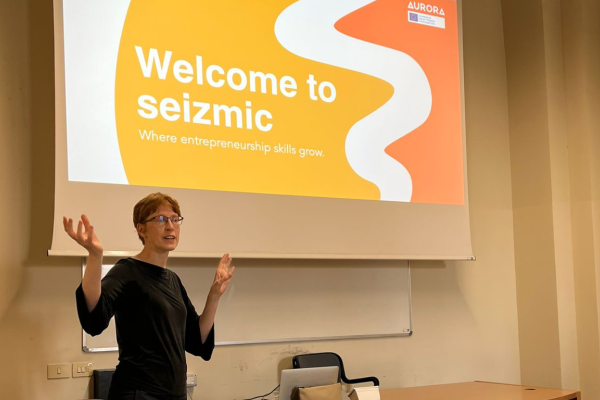
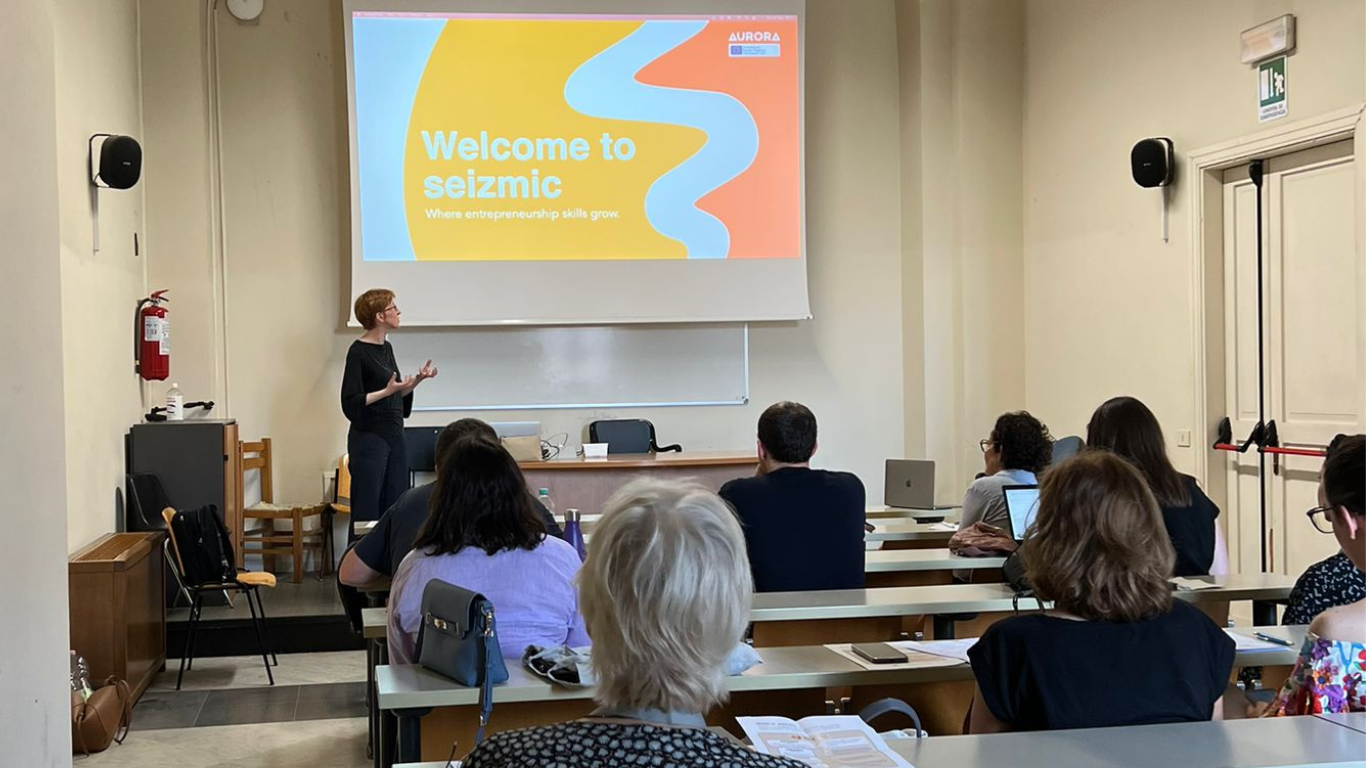
During the Aurora Spring Biannual 2024 in Naples, the Aurora team for Social Entrepreneurship and Innovation unveiled seizmic, its freshly rebranded online platform.
Launched during the first phase of the Aurora European university alliance, this platform was previously known as SEISMIC (Social Entrepreneurship and Innovation Scales to Measure Impact Competence). SEISMIC referred only to the survey tool that provides quantitative measures for the twelve competencies needed to achieve societal impact.
Following the rebranding, the social entrepreneurship online platform today goes by the name seizmic. It consolidates diverse tools and elements that equip students with the competencies required to drive impactful societal change.
Led by Professor Kai Hockerts and Aurora Institutional Coordinator Anne-Karen Hüske of Copenhagen Business School (CBS), the development of teaching and learning activities related to social entrepreneurship and innovation has grown in strength within Aurora universities. Further boosted by the Aurora 2030 project, there is continuous effort to unify all such activities under one seizmic identity:
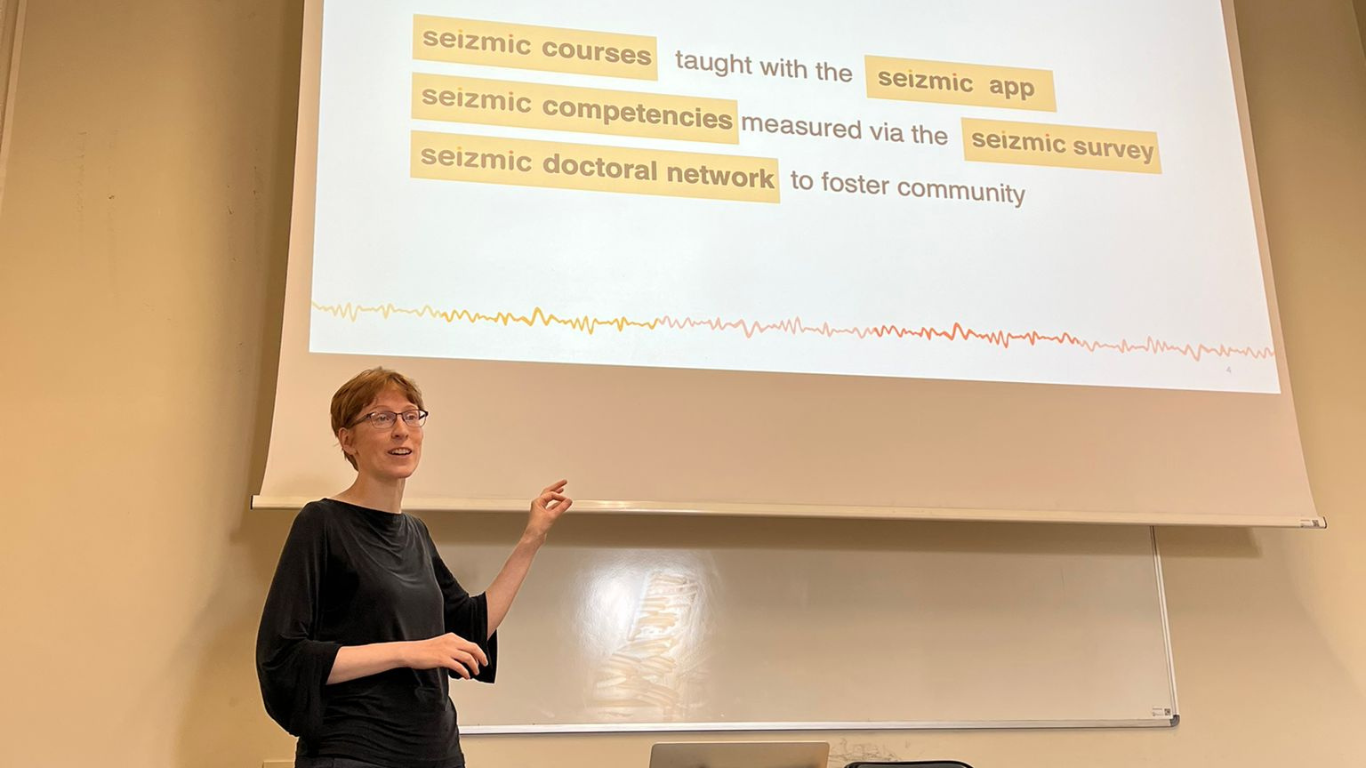
seizmic enables Aurora students to engage in social entrepreneurship and innovation in multiple ways. They learn through seizmic Courses and use the seizmic APP to build business models. In addition, they participate in seizmic Awards and further assess their competencies with the seizmic Survey.
With the recent addition of the MSCA-funded seizmic Doctoral Network, seizmic offers new doctoral positions across Aurora partner universities in Europe. The Doctoral Network aims to develop an interdisciplinary theoretical framework for studying the replication and imitation of social entrepreneurship ideas. It will also set new benchmarks for doctoral training.
As part of the work undertaken in Aurora, seizmic aspires to cultivate a community of educators dedicated to advancing the discussion and research around social entrepreneurship and innovation.
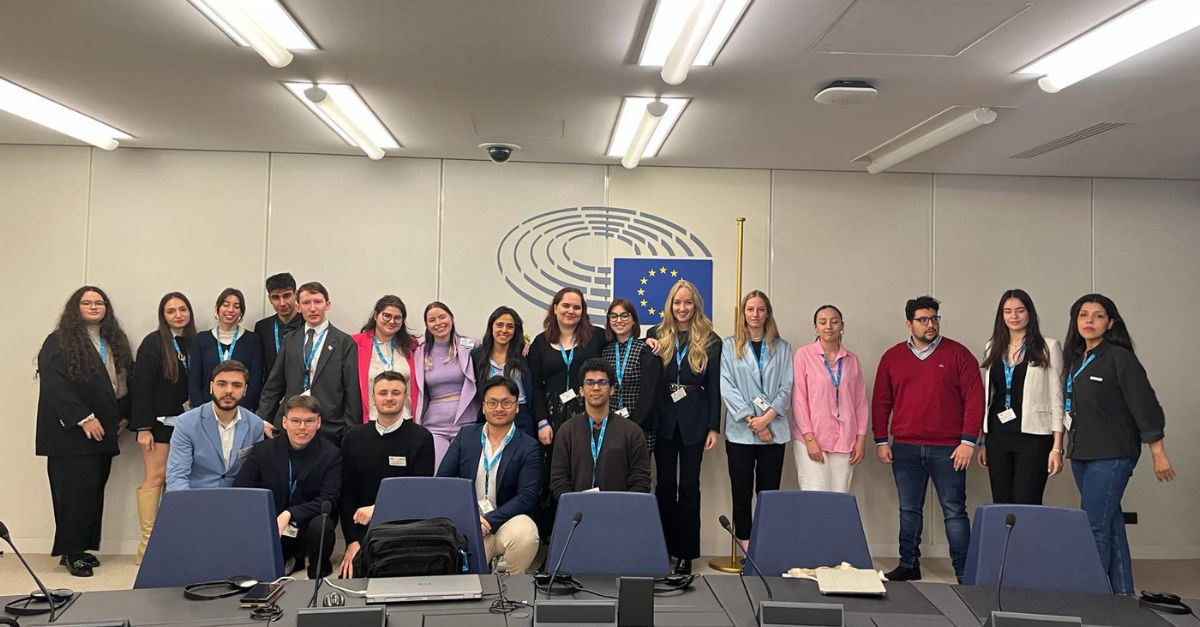
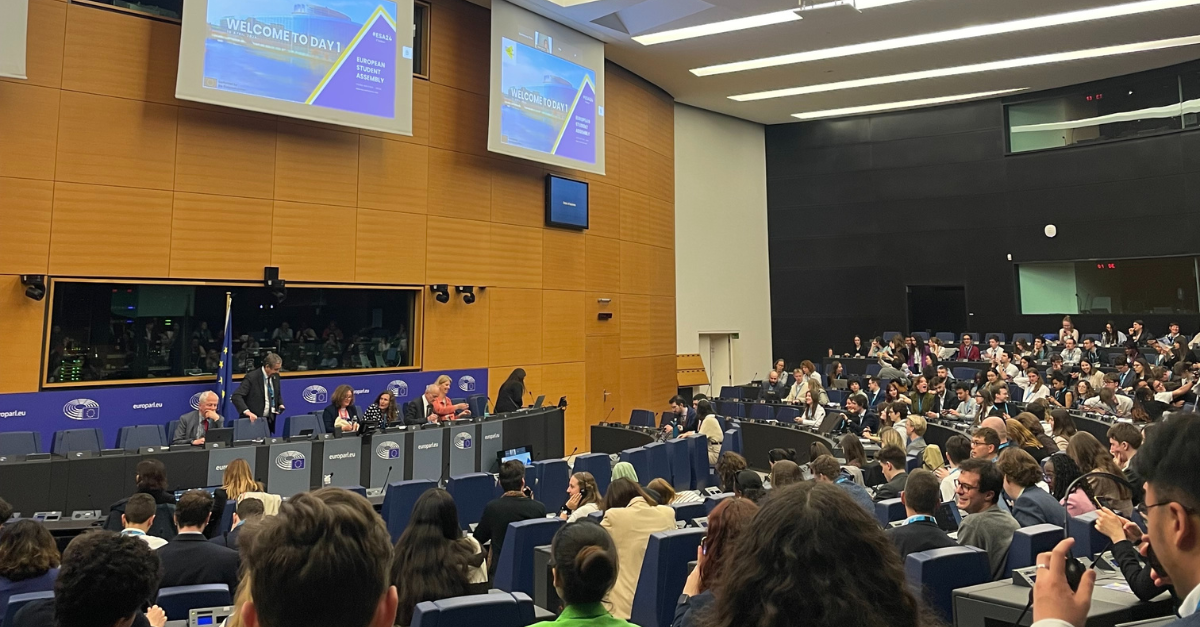
Aurora Student Council (ASC) members and students Sören Daehn from Copenhagen Business School and Suvarn Nagan from Vrije Universiteit Amsterdam represented Aurora universities’ student voice at the 3rd edition of the European Student Assembly- ESA 24, hosted by the European Parliament in Strasbourg.
Over three days, Sören and Suvarn gathered with 250 students from 59 nationalities, 41 European university alliances and 170 universities. They discussed, debated, collaborated and voted on a collection of over 80 policy recommendations on 11 political topics. The European Student Assembly generally aims to:
During the ESA 24, 11 panels drafted several recommendations on different political issues. These included the Green Transformation, AI guidelines, public health, Euroscepticism, higher education or cultural heritage. Combined, the panels produced over 80 policy recommendations. Over 90% were then – with a majority vote – adopted by the whole assembly of 250 participants.
Alongside his panel, Sören worked on recommendations regarding reforms and changes to the current EU-Enlargement process. They highlighted that the current accession guidelines have not undergone critical reforms in many years. They further suggested that the EU-Enlargement process should not simply bring in candidate countries quickly. It should do so while protecting EU institutions and its current member states by setting realistic standards.
The panel developed eight meaningful and crucial recommendations, which were democratically adopted by the whole assembly. Part of their recommendations included:
The ESA 24 was a great example of the importance of student involvement in European politics. Specific outcomes of the Assembly, including political recommendations, will be disseminated among relevant stakeholders, policymakers, and educational institutions.
The European Student Assembly continues to be an invaluable experience for Aurora universities students to get to know other engaged and politically interested students from all over Europe. They also learn more on how policy making in the European Union works. Most importantly, the ESA 24 provided a platform to formulate an opinion and raise the voice for European students on the most pressing current political matters.
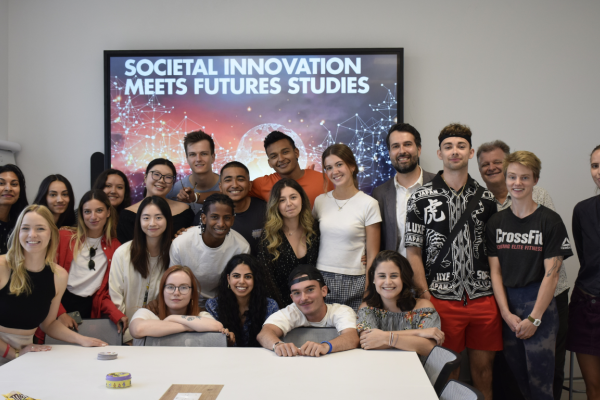
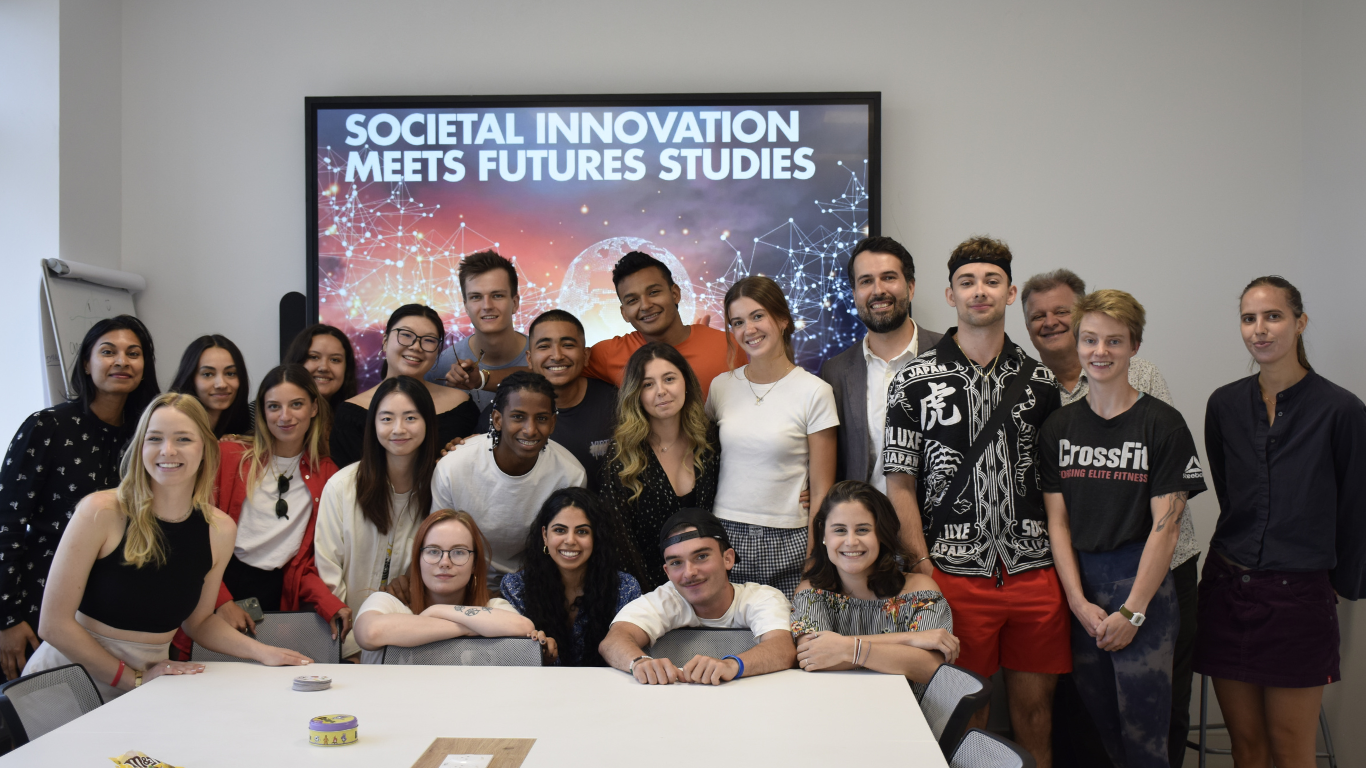
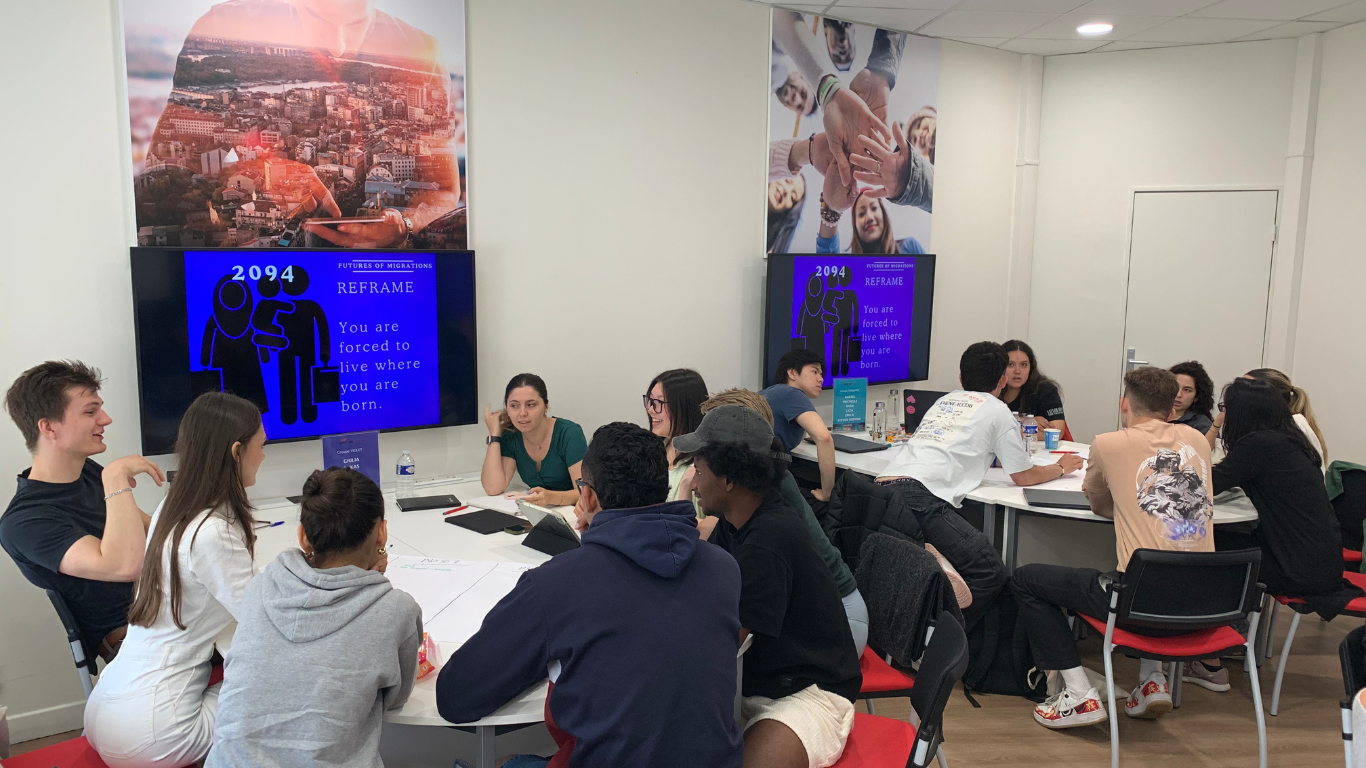
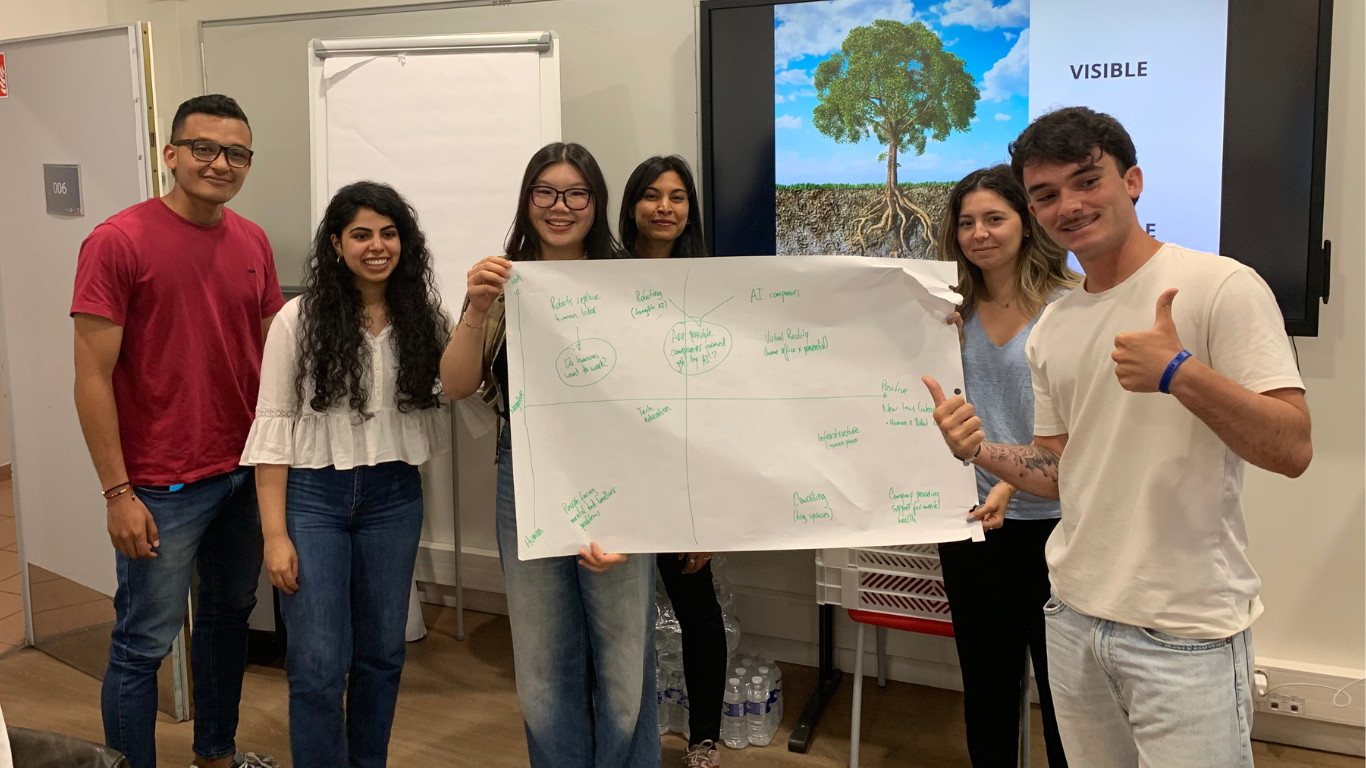
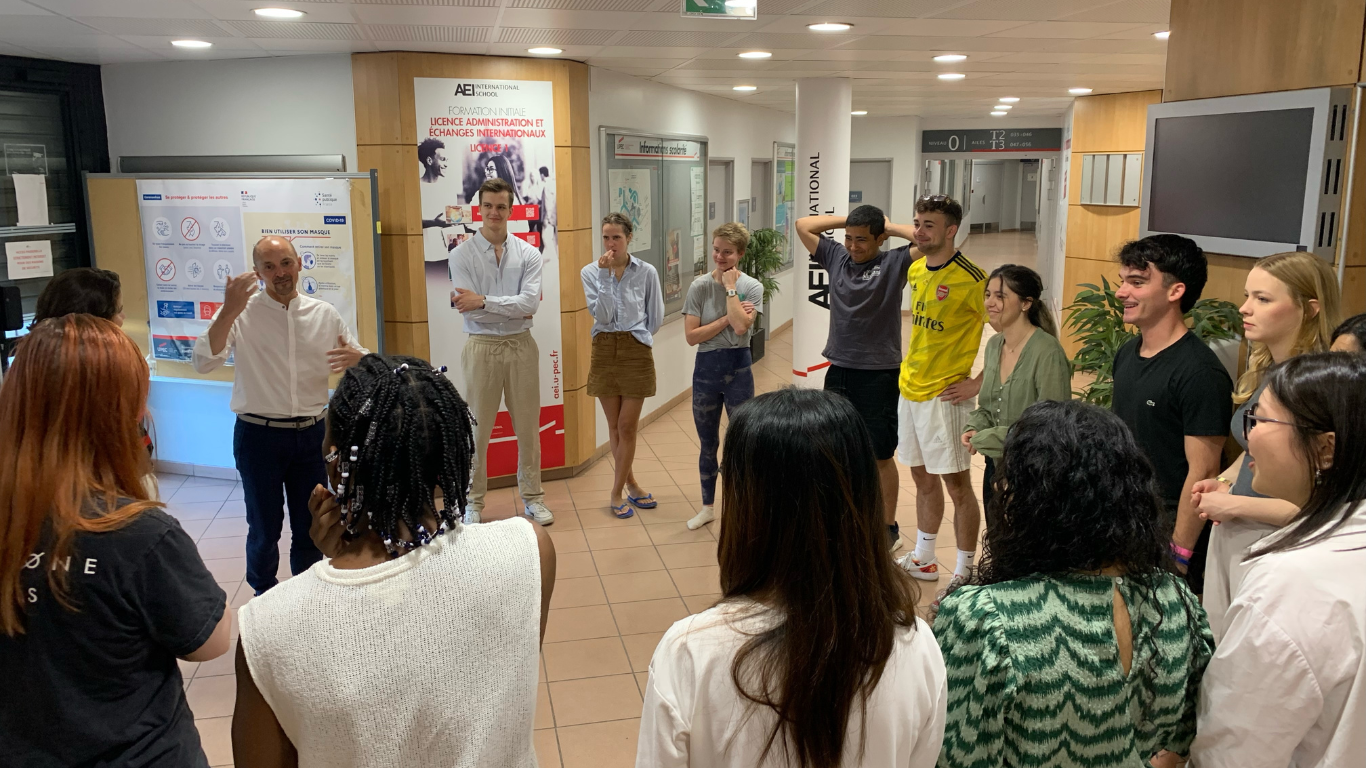
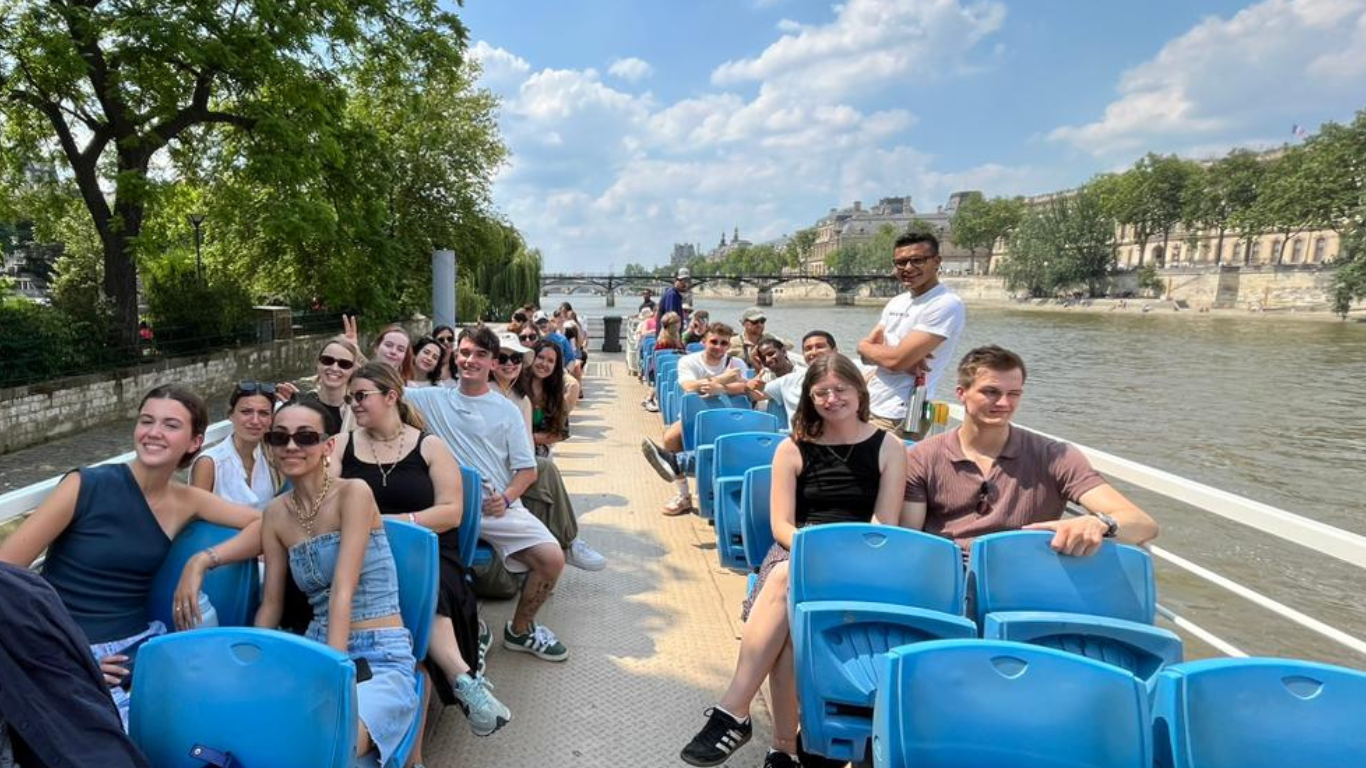
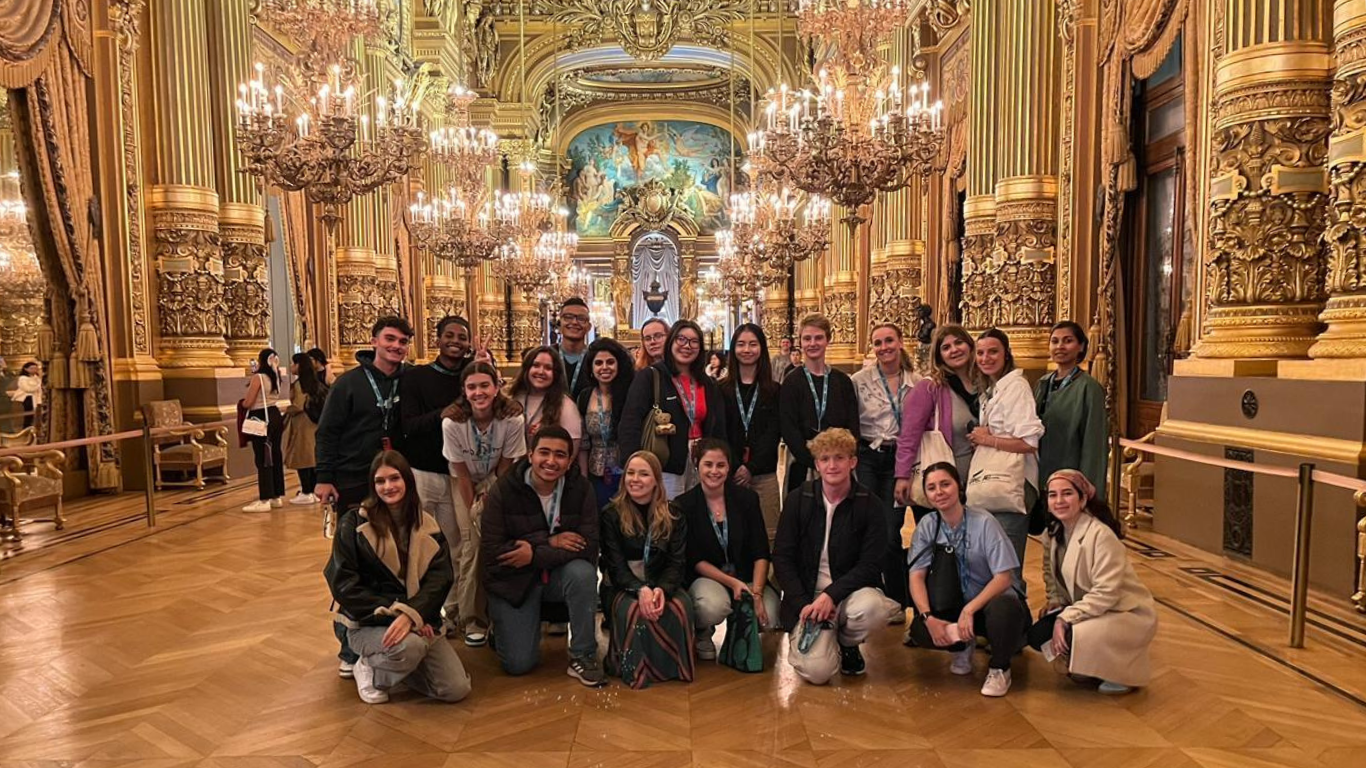
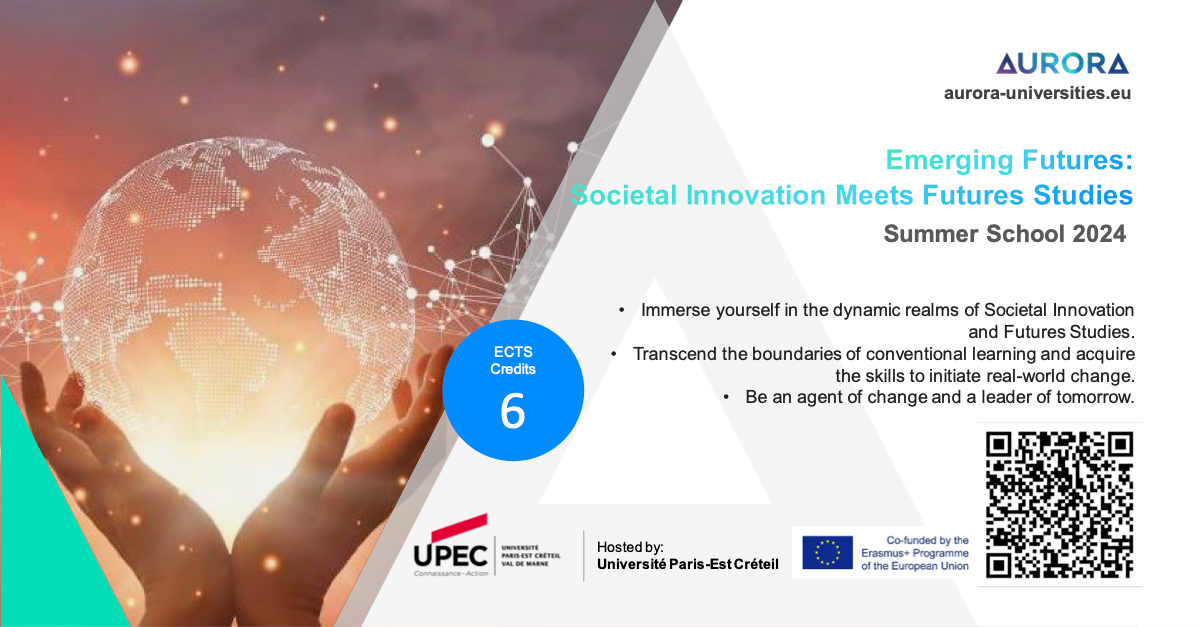
In June 2024, one month before the Summer 2024 Olympics in Paris, Université Paris-Est Créteil (UPEC) will be hosting students from Aurora universities’ member institutions for its first-ever Aurora Summer School on Emerging Futures: Societal Innovation Meets Futures Studies
On the heels of its integration into Aurora and the Aurora 2030 European university initiative, UPEC will be introducing its first Aurora Summer School during the summer of 2024. Targeted to Bachelor students, this intensive two-week course aims to train the next generation of leaders intending to make a tangible and sustainable impact on the world.
Aligned with the Aurora Competence Framework, the course provides a world view of global challenges. It further gives students the opportunity to leverage their knowledge and work to respond to the United Nations Sustainable Development Goals (SDGs), and hence meets one of Aurora’s key objectives in the Aurora 2030 project.
“The future is not a place in some later-than-now timeframe, it is a tool that helps us to change the way we look at the present: knowing how the anticipation process takes place, helps us make use of different futures in the now,” says Felipe Koch, Vice-Dean of AEI International School at UPEC. “It makes us more confortable with the uncertainty and more prone to innovative ideas.”

At the heart of this summer school is the very real notion of addressing a VUCA (Volatility, Uncertainty, Complexity, Ambiguity) environment and its potential consequences on our future. With two focus areas in Futures Literacy and Social Foresight, this course empowers students to both understand possible future scenarios and anticipate eventual changes that can impact societies and communities in the longer term.
The ability to comprehend future possibilities and the social dimensions of change allows students to adopt a forward-looking mindset. It sets the stage for more informed decision making in the present, in order to better adapt to evolving uncertainties in the future.
During the course, students will learn about anticipation mechanisms, strategic foresight and systemic thinking. They will be taught to distinguish between concrete and abstract futures, to identify and analyse emerging trends, opportunities and risks, and to prepare key stakeholders in developing better strategies and action plans.
This summer school takes place over two weeks, during which students will receive comprehensive instruction and practical experience through the Futures Literacy Lab at the AEI International School at UPEC. They will be exposed to the study of theoretical foundations and facilitation techniques to craft and lead change.
In addition, over 30 hours of autonomous class preparation, lectures, teamwork, online videos and podcasts, aim to challenge students’ perspectives and enable them to shape the future of Social Entrepreneurship and Innovation.
This Aurora Summer School on Emerging Futures: Societal Innovation Meets Futures Studies goes beyond gaining knowledge; it transforms students by giving them the tools to catalyse real-world change.
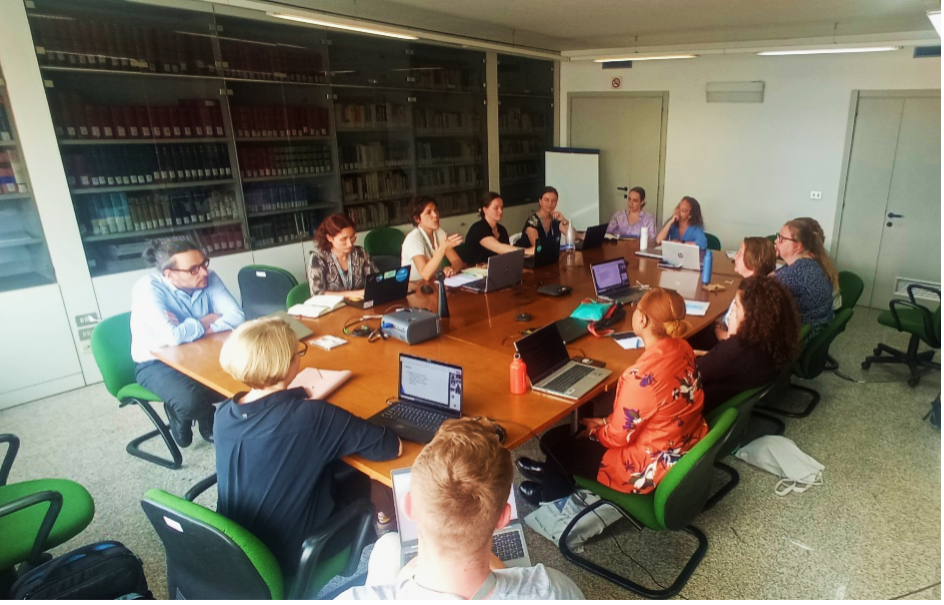
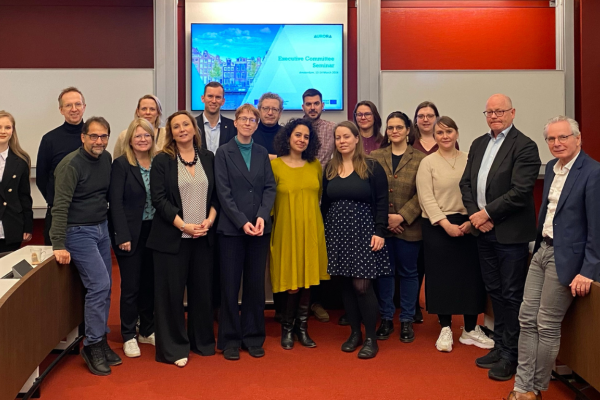
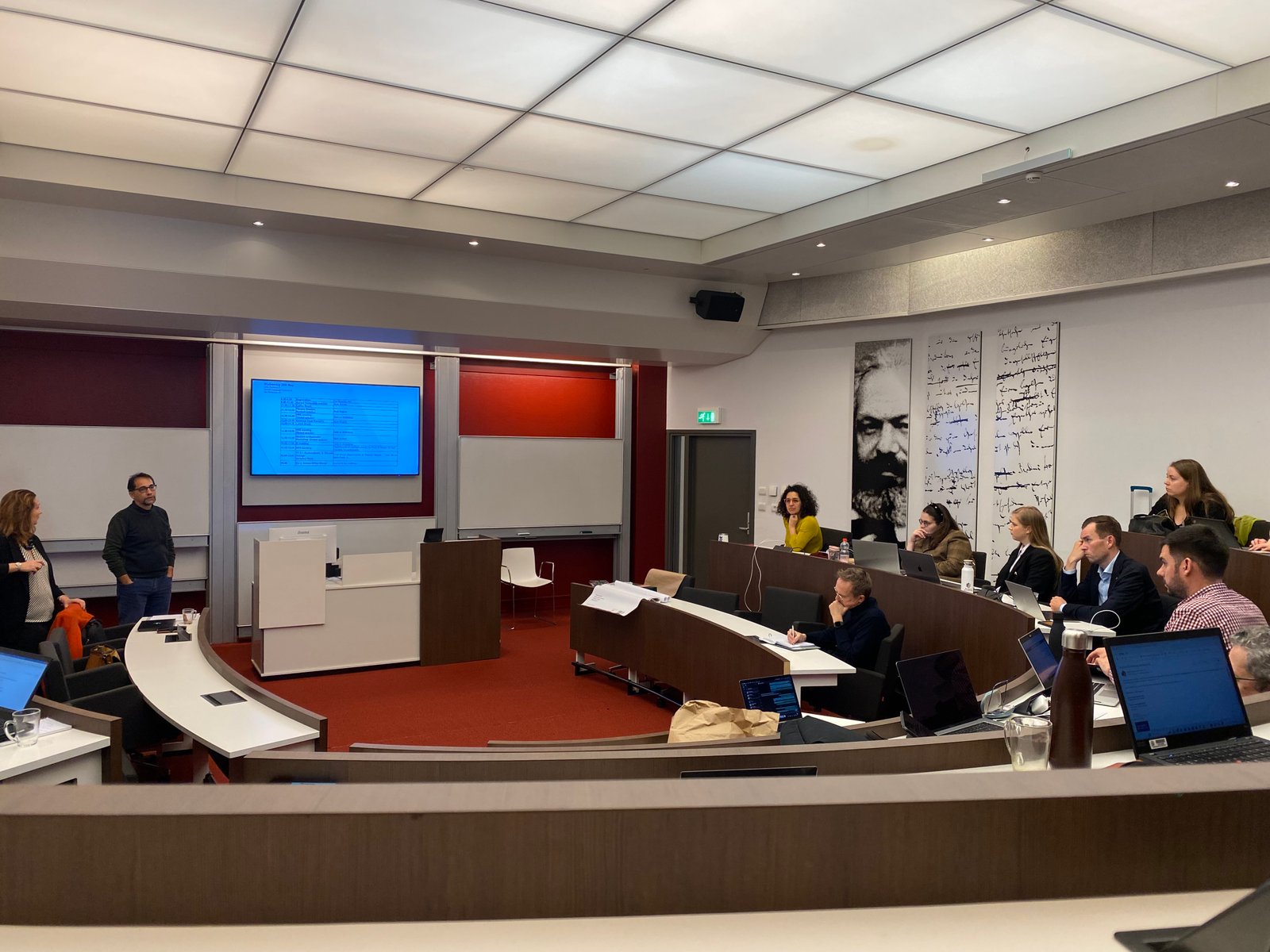
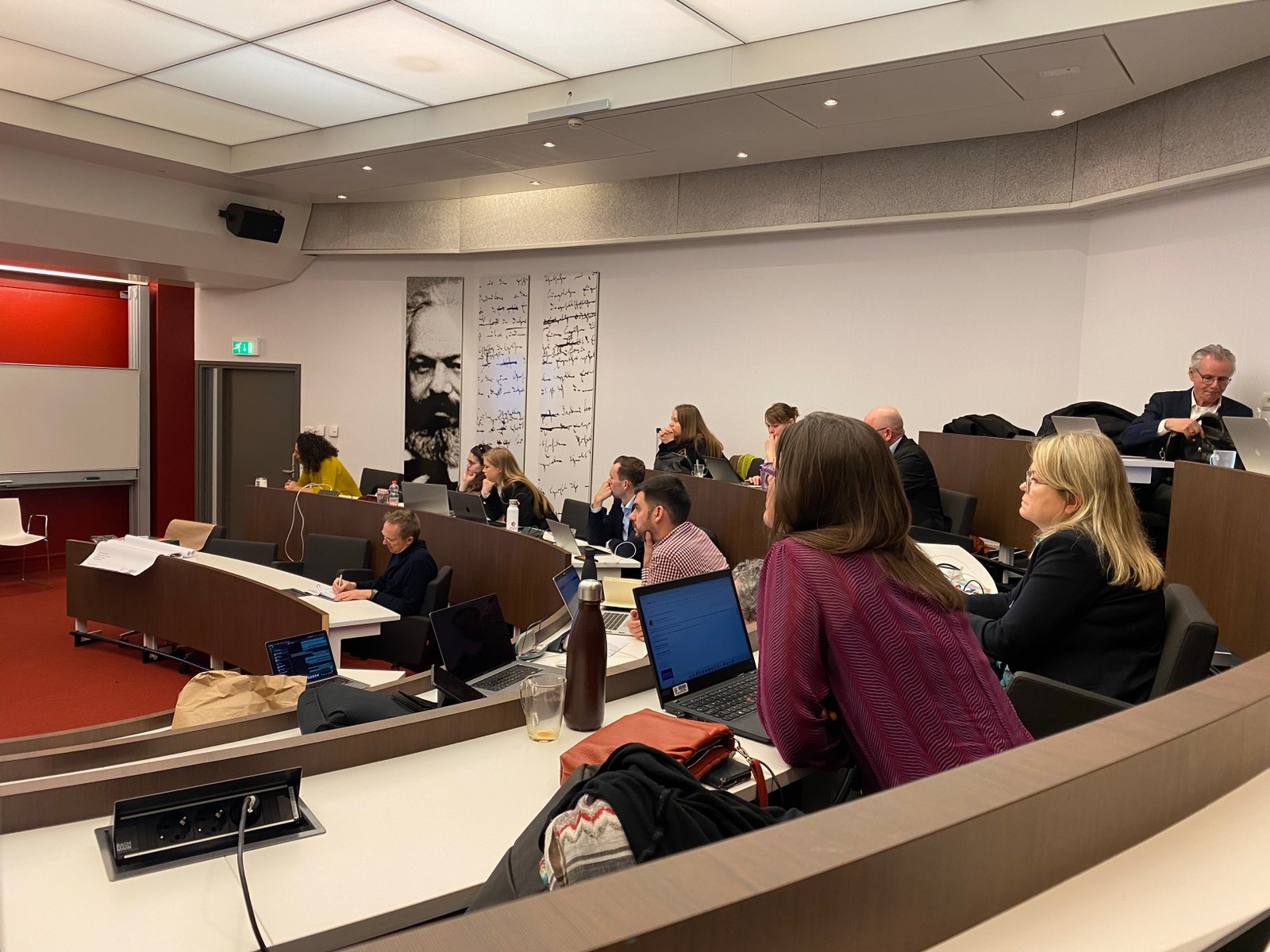
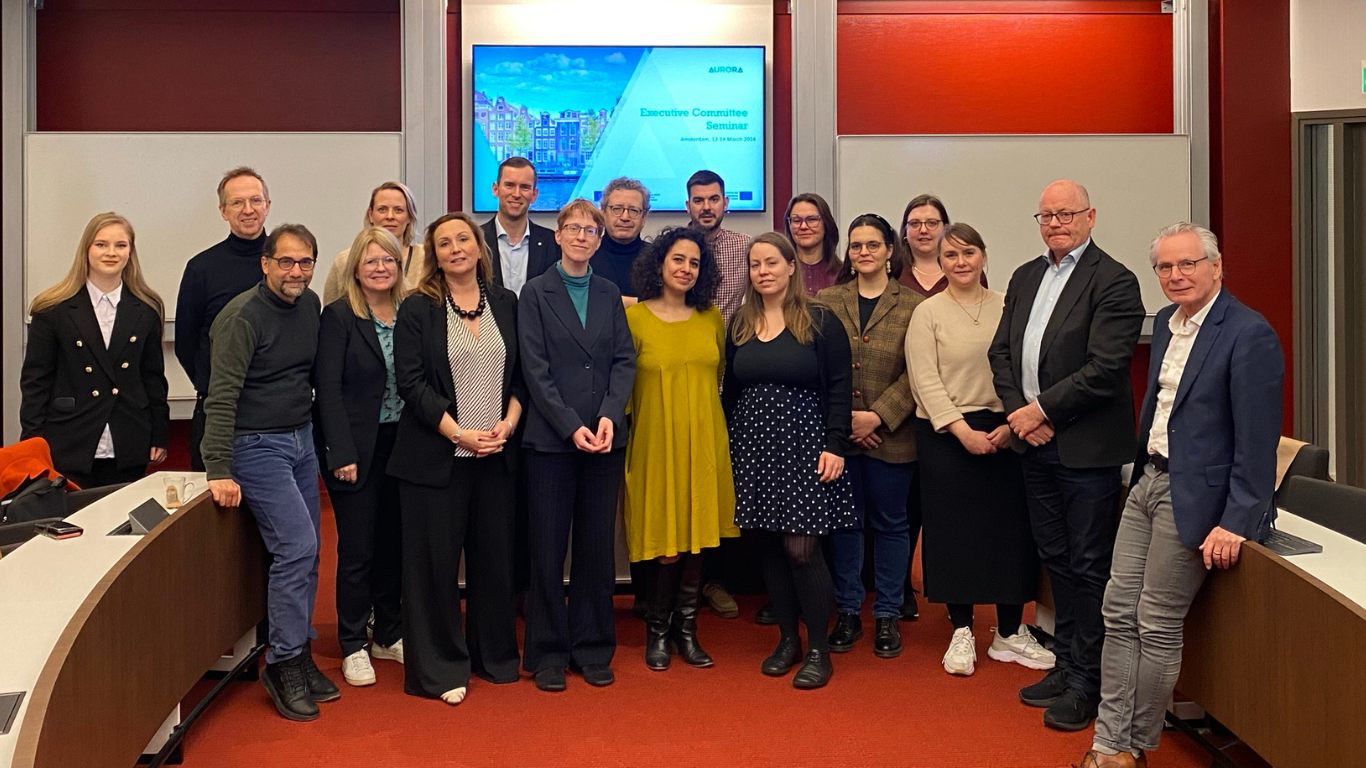
The Aurora Executive Committee convened recently at the Vrije Universiteit Amsterdam to discuss the strategy and critical actions moving forward in Aurora 2030, the second phase of the Aurora European university alliance.
Following the European Universities Coordinators’ Meeting in February this year, the Aurora central office organised a three-day seminar for its Executive Committee. The seminar gathered Institutional Coordinators and experts from nine Aurora member universities, as well as representatives from the central office leadership team. On the agenda were important topics marking the way forward for Aurora universities.
Sabine Sainte-Rose, Aurora Programme Director, shared key recommendations from the DG EAC. These include a focus on the evolution of a blueprint for a European Degree and the conclusions following six experimentation projects with 90 higher education institutions. She also highlighted the Council’s recommendation on the development of a quality assurance and recognition system for European university alliances that can be adapted to countries with a more institutional approach in this matter. The Executive Committee further exchanged on the Council’s advice to develop incentives for higher education institutions. Among these incentives is to create transnational initiatives to promote attractive and sustainable careers within this sector.
The expectations from the EACEA was one of the major takeaways from the European Coordinators’ Meeting in Brussels. Impact measurement is a key denominator of success for European university alliances. The methodology used and the metrics required to measure impact are non-negligible. Both must take into consideration the actual impact of alliances’ activities on the lives of students, staff and academics, beyond just mobility statistics. Markers of success integrate best practices for educational offers and the European inter-university campus experiences that demonstrate embeddedness, seamless mobility and recognition, all of which highlight the European values of inclusion and plurilingualism.
In addition, Sabine highlighted the rich and thought-provoking exchanges shared with colleagues from other European university alliances in the following areas:
Clémentine Perdriau from the Aurora central office, delivered her findings from the study that she had carried out on the governance models in European universities. She underlined that there was no “one size fits all” model: each European university alliance has specificities that result in a diverse set of governance models.
Following this presentation, the Executive Committee discussed possible scenarios that could be developed as the governance structure for Aurora in this second phase between the years 2023 to 2027. They further established an initial base for a more long-term structure to ensure the sustainability of Aurora universities beyond the year 2027.
The Executive Committee seminar continued with updates in the development of the following Aurora 2030 work packages (WP) and task teams (TT):
Building a solid foundation is part of TT10.1 strategy for communication and dissemination in the Aurora 2030 project. Two fundamental elements supporting this objective are the development of the official Aurora Brand and Design Guidelines and the Institutional Trusted Local Communicator (TLC) role standardisation for communication representatives of each institution within Aurora. These were presented by Aniza Pourtauborde, Aurora Communications Manager and Anna Klas, Aurora Communications Officer, both of whom are part of the TT10.1 leadership team.
Ilyas Kenadid, Head of Strategic Projects at Université Paris-Est Créteil (UPEC) and TT10.3 Lead, reported on the different methodologies in managing, monitoring and measuring the impact of Aurora within the nine member institutions, their immediate stakeholders and the wider ecosystem.
Thomas Baumgartner, Institutional Coordinator for Universität Innsbruck, spoke about the progress of the Aurora Virtual Campus, led by his university under Work Package 6 for Green and Digital Campus. He focused in particular on the Course Catalogue as a one-stop shop for all opportunities for students from Aurora universities. Topics covered consisted of the definition of an Aurora course, the digitalisation of credentials and the creation of a committee of transversal expertise in education, mobility and communications.
Joan-Miquel Canals, Institutional Coordinator for Universität Rovira i Virgili (URV), shared initiatives encouraging international learning experiences among students, staff and academics. Through increased joint mobility opportunities between Aurora member institutions, demand is high for short-term courses.
Martin Schwell, Institutional Coordinator for UPEC, outlined recent advances following the Call for Incentive Research Collaboration launched in mid-February this year. He spoke on developments in the creation of the Aurora Research Council (ARC) comprised of cross-institutional and cross-disciplinary representatives from all Aurora member universities.
Building on the foundation created during the first phase of Aurora, and leveraging on this experience, have enabled the Executive Committee and the Aurora central office to offer a holistic and visionary approach to the Aurora 2030 project.
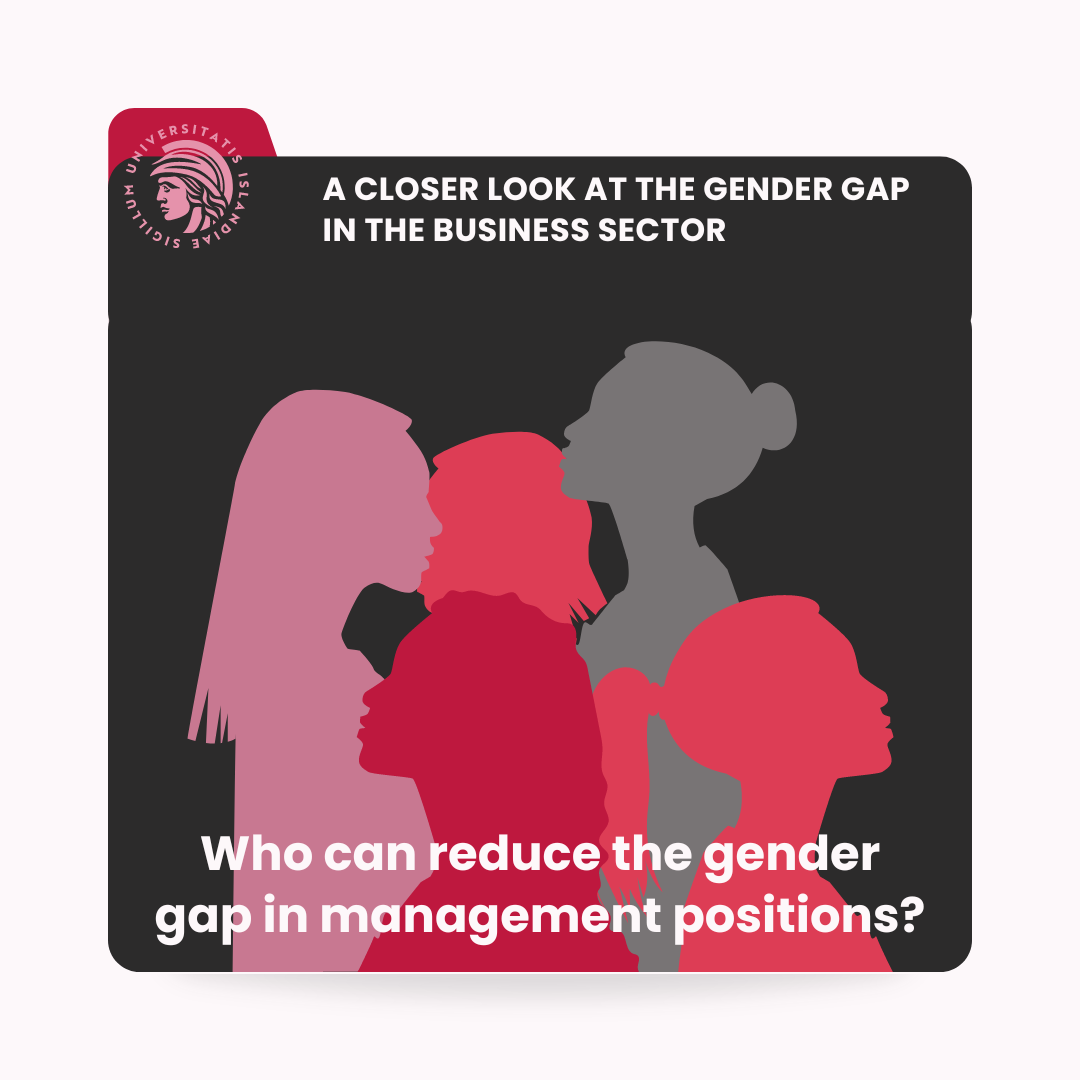
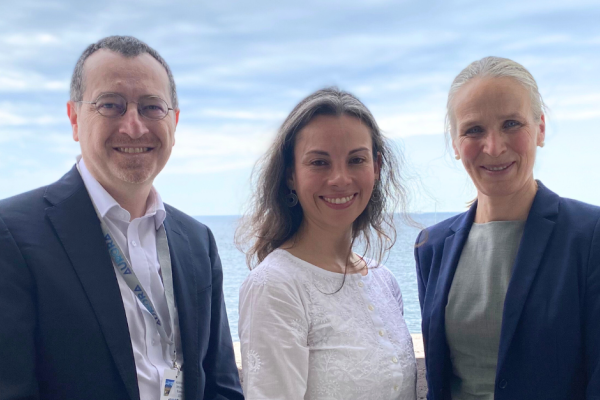
As part of a larger conference called “Science and Society”, the University of Iceland (UI) organised an event on the gender gap that remains an issue within the business sector, and especially for women in top management positions. Notable people from the university, business, and also the Parliament, including Iceland‘s Prime Minister, Katrín Jakobsdóttir, gathered to discuss how the government could help reduce this gender gap.
Read more about the event (in Icelandic): Hverjir geta dregið úr kynjabilinu í stjórnendastöðum í atvinnulífinu.
Vrije Universiteit Amsterdam
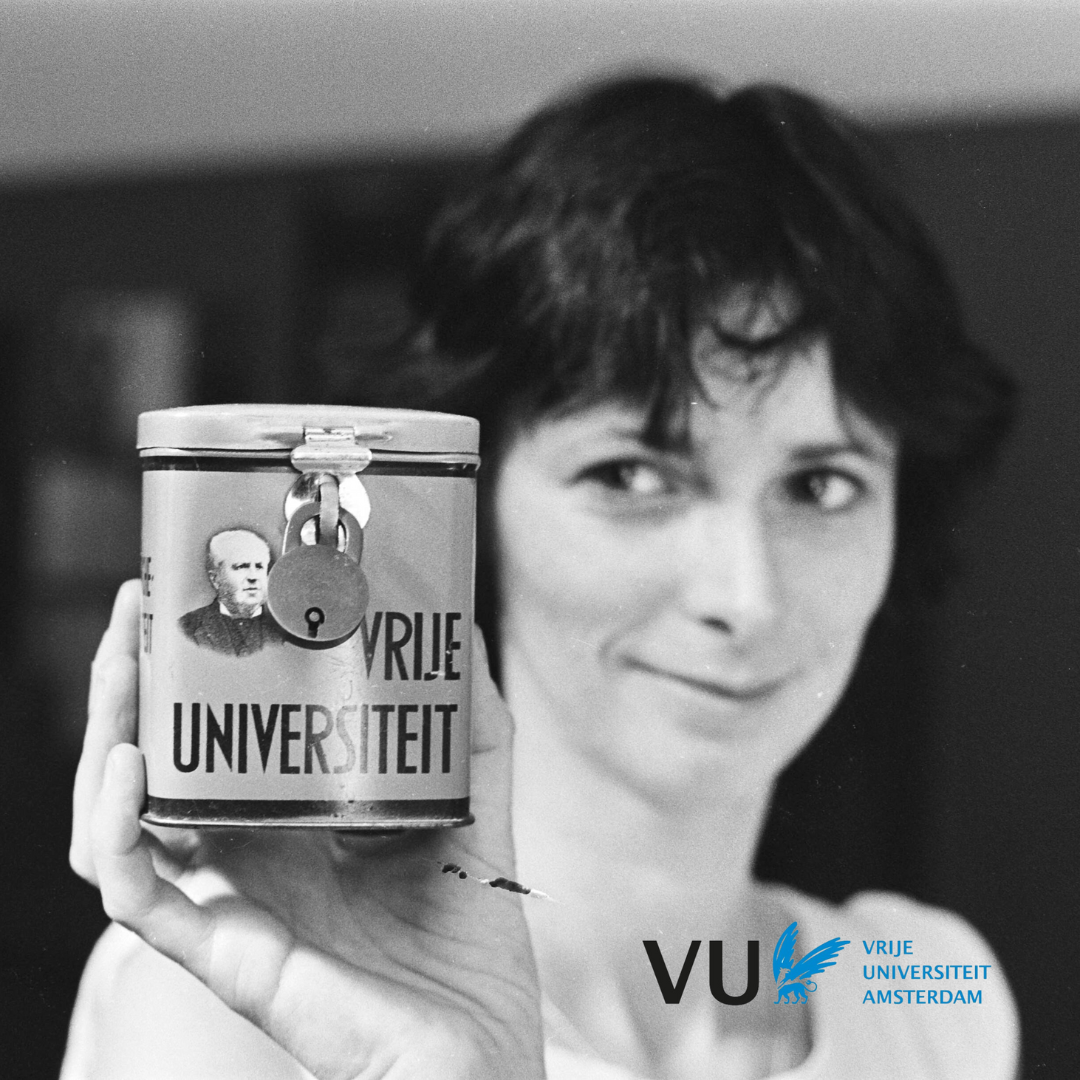
Did you know that women are the reason that Vrije Universiteit Amsterdam (VU Amsterdam) exists today? On this International Women’s Day, VU Amsterdam commemorates the fundraising initiative launched and organised by women since 1932. The objective of this collective effort was to build a medical faculty, physics and chemistry laboratories, and also to improve hospital accessibility and development aid abroad. Today, this country-wide initiative has come under the name of “Women VU Aid”.
Read the story in detail: Women are the reason VU exists.
University of Duisburg-Essen
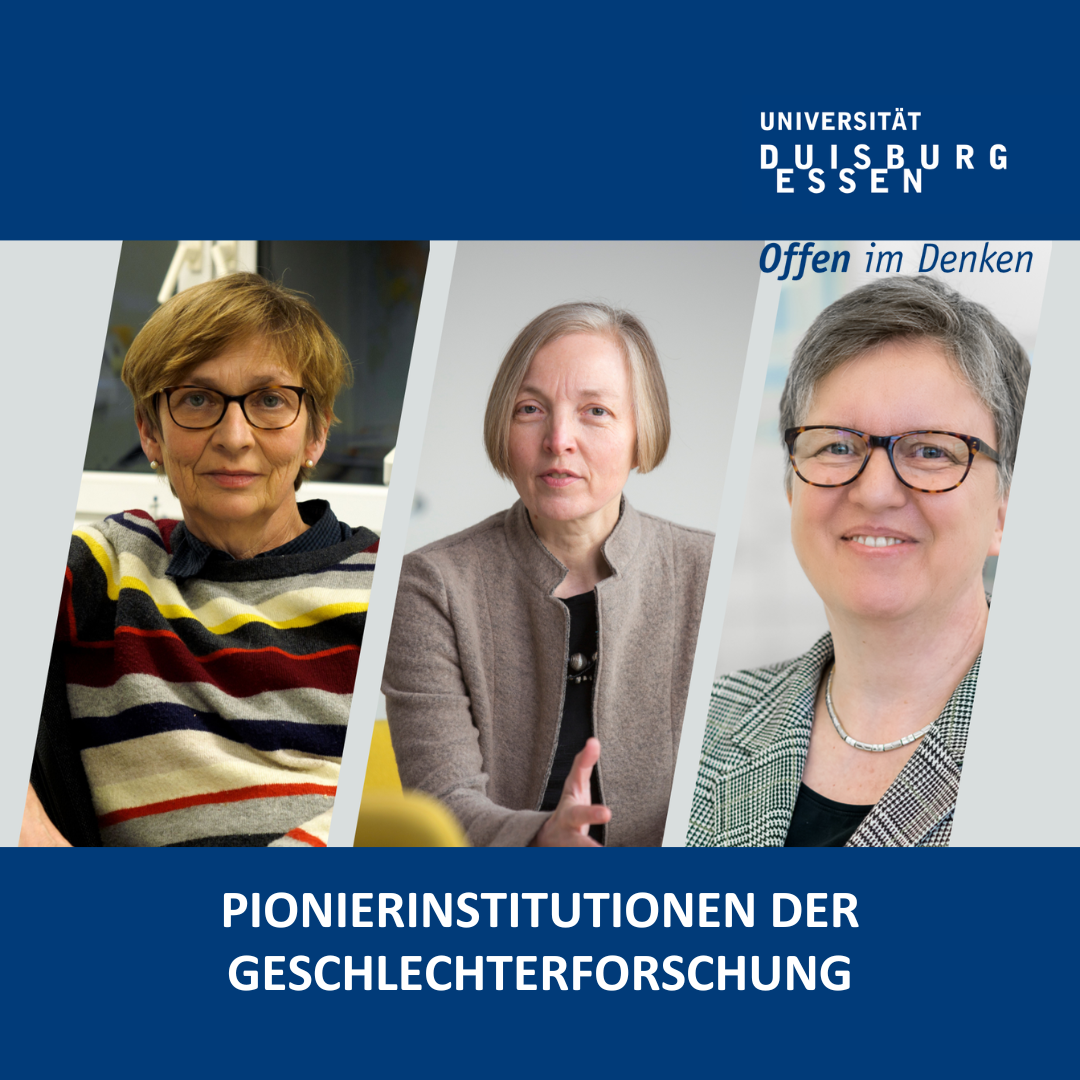
Gender studies have a long track record at the University of Duisburg-Essen (UDE). During the International Women’s Day 2024, UDE celebrated the 25th anniversary of its Essen Center for Gender Studies. The university also kicked off its new Institute for Gender-Sensitive Medicine, to strengthen gender research even further. These special occasions called for an interview with Dr. Maren A. Jochimsen, Professor Dr. Anke Hinney and lecturer Dr. Andrea Kindler-Röhrborn.
Read the interviews (in German): Pionierinstitutionen der Geschlechterforschung.
Universität Innsbruck
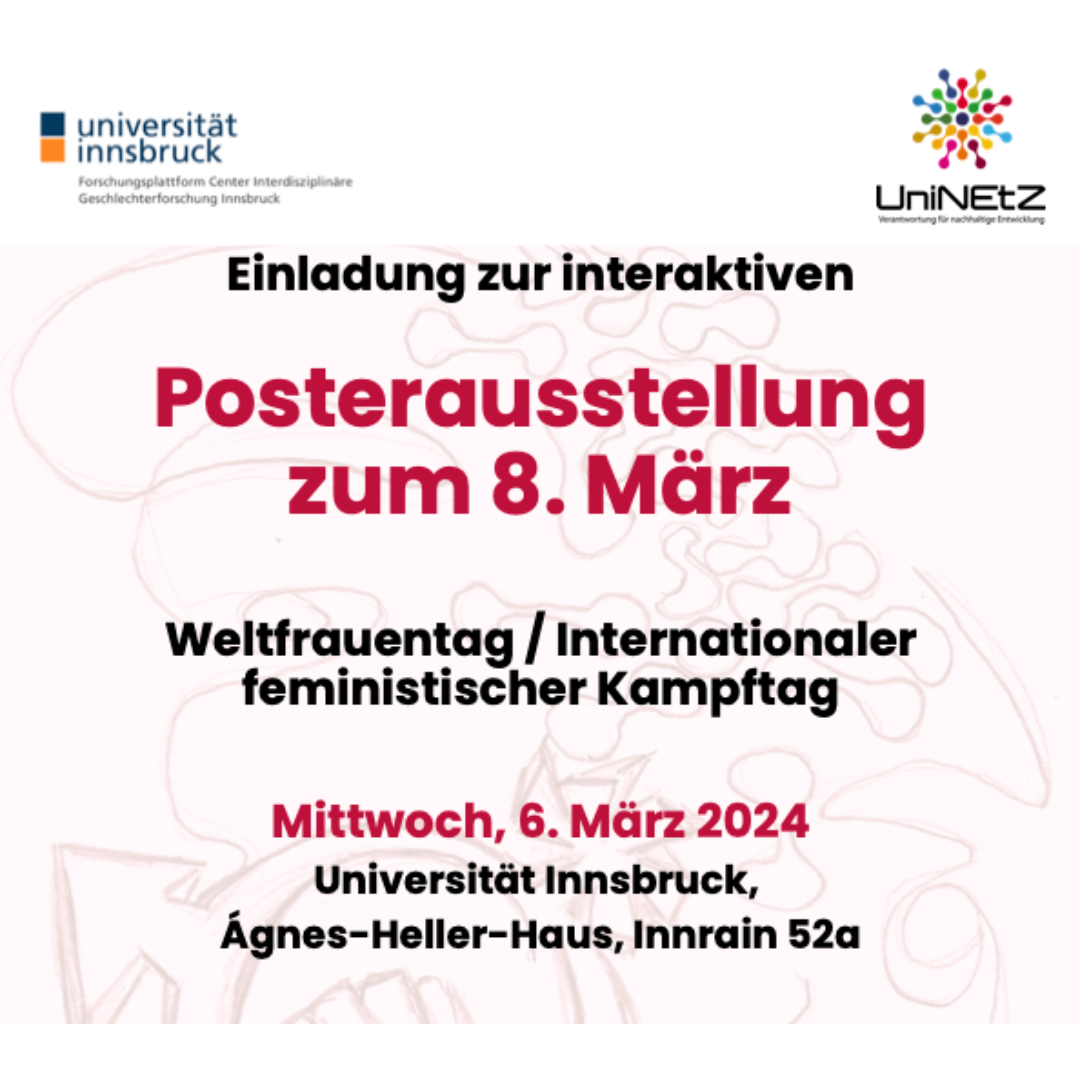
For this special occasion, Universität Innsbruck organised an interactive poster (re)design exhibition to raise awareness on gender equality as the fifth Sustainable Development Goal (SDG) of the United Nations. The exhibition was created by communication designer Elisabeth Kopf and is part of the UniNEtZ project to support Austria in the implementation of the SDGs by providing specialist know how: Universities make their social and natural science, technical and artistic expertise available and in this way take responsibility for a sustainable transformation – in an ecological, economic and social sense.
Watch the video of the interactive exhibition.
Copenhagen Business School
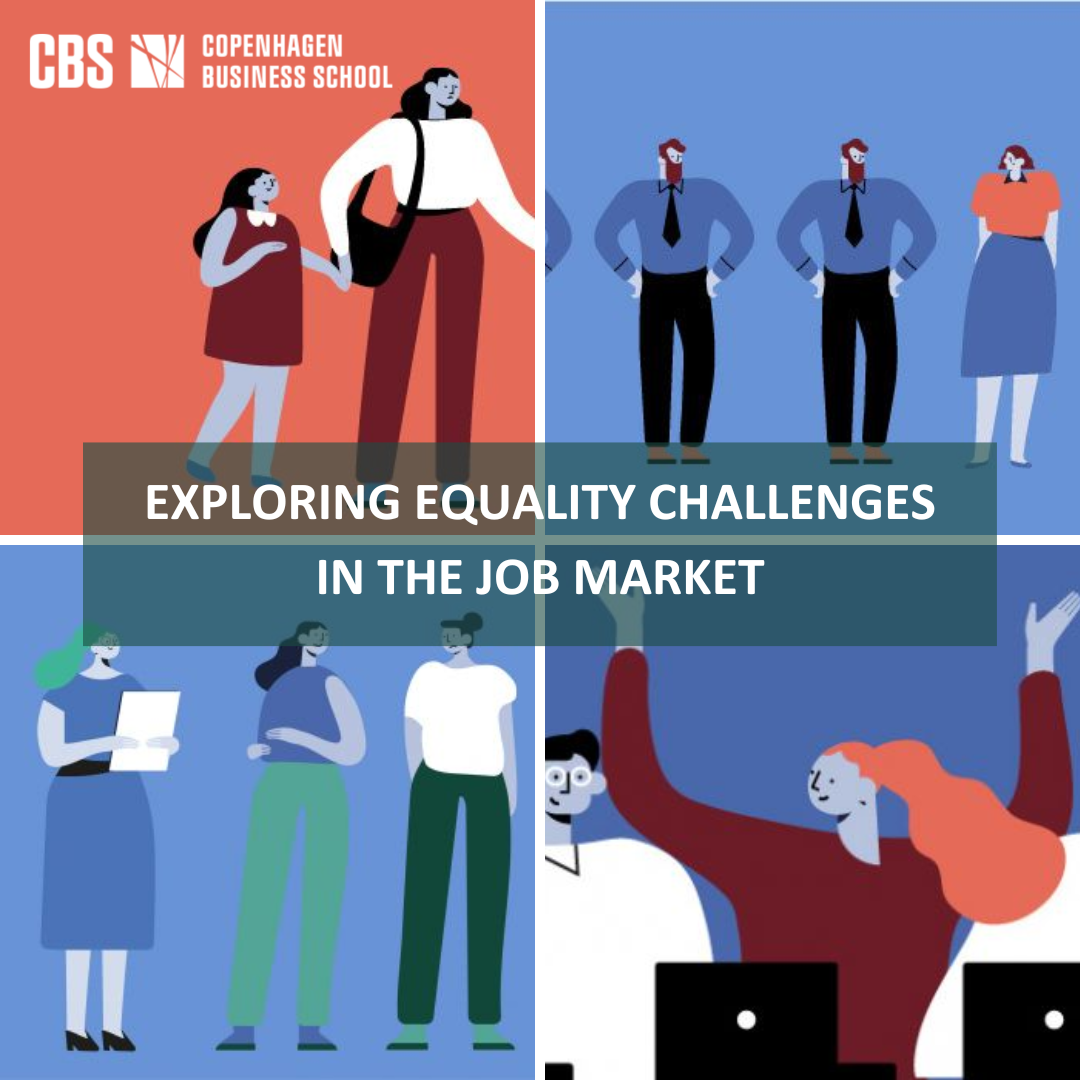
Is gender equality in the labour market still an issue today? Research from Copenhagen Business School (CBS) highlights the challenges that women face at different levels in their professional development. From job loss to women in top management to bias against women entrepreneurs, these studies explore in depth, the reasons behind enduring inequality, its consequences, and the actions taken to move towards a more equal future for women.
Delve into the research: Exploring Equality Challenges in the Job Market.
University of Naples Federico II
In one of its initiatives to celebrate International Women’s Day, University of Naples Federico II (UNINA) brought to light the discrimination and prejudice against women working in the marine sector. In collaboration with Oceanitalians, UNINA organised an exchange with three female professionals working in oceanographic research, Professor Flegra Bentivegna, Dr. Angela Landolfi, Dr. Sara Biancardi, and psychologist-psychotherapist Anna Pisterzi.
Watch the replay of this discussion (in Italian): Donna Nella Scienza 2024.
Palacký University Olomouc
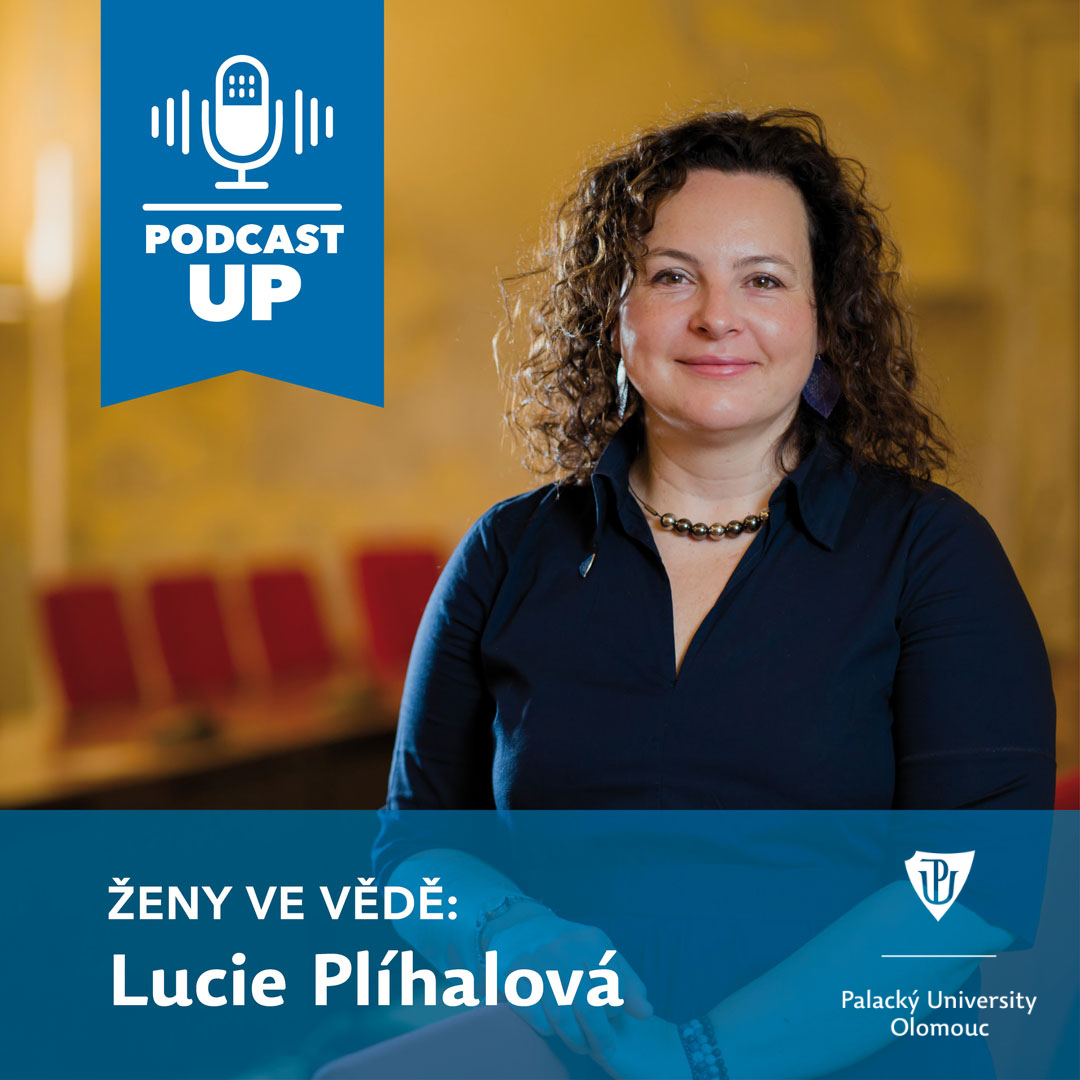
In line with its long-term vision, Palacký University Olomouc (UP) has committed to equal opportunities through initiatives such as its “Gender Equality Plan”. In addition, the university has also recently featured several female scientists in a series of podcasts. These interviews aim to break down barriers for women in scientific fields, and to inspire other women to consider career possibilities in scientific fields.
Listen to the podcast (in Czech): Žena ve vědě.
Universitat Rovira i Virgili
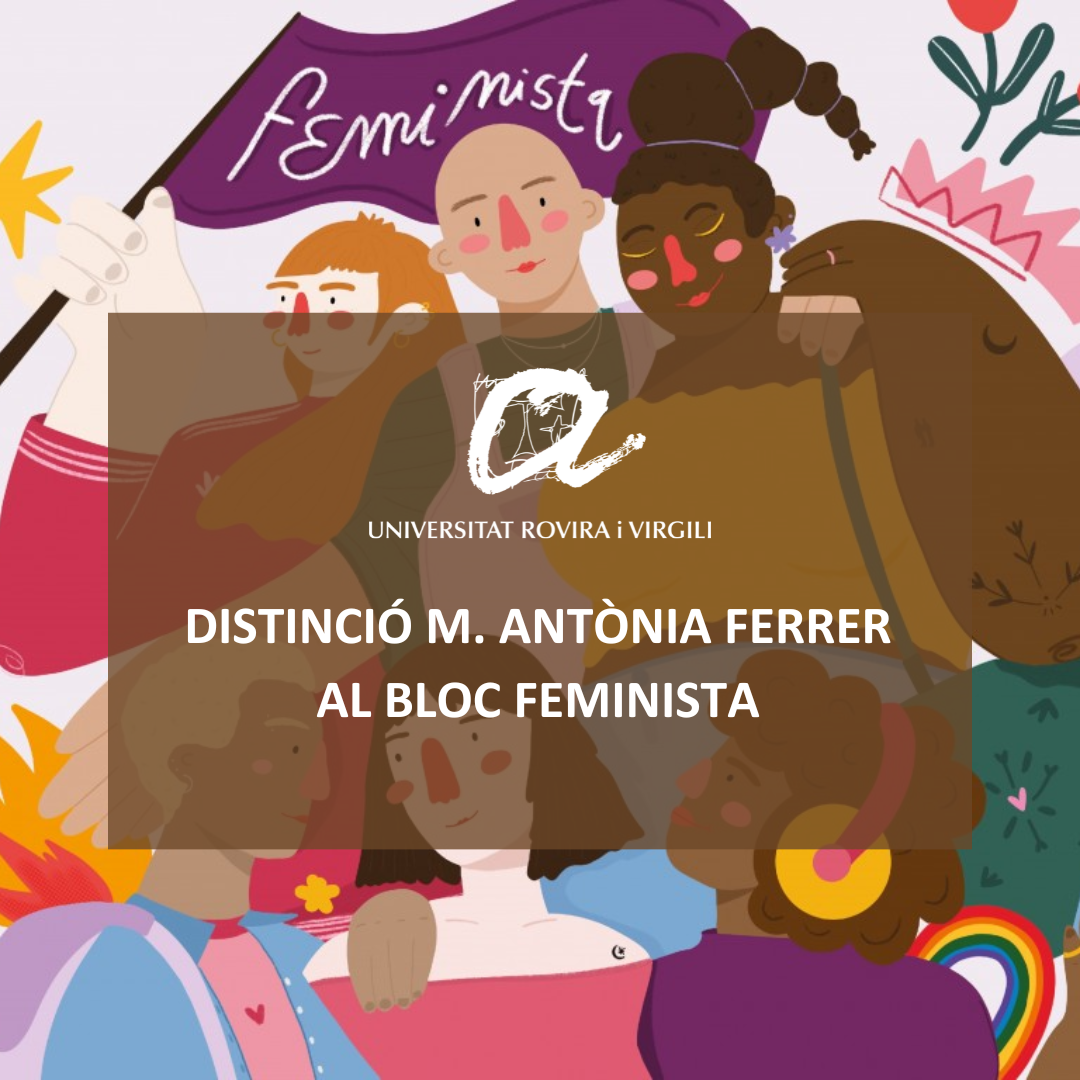
Every year for International Women’s Day, the Universitat Rovira i Virgili (URV) coordinates a number of activities through its Unitat d’Igualtat (Equality Unit) and in collaboration with other URV Departments and Services. One of the highlight events this year was the ceremony awarding the founders and pioneers of the Bloc Feminista de Tarragona established in the 1970s, with the Maria Antònia Ferrer i Bosch Distinction. They led the way in organising the fight against the lack of rights for women in Tarragona. Thanks to these visionary leaders, today they are able to have open discussions on labour discrimination, gender equality in education and employment.
Find out more (in Catalan): La URV commemora el 8M amb activitats que posen en relació la discriminació de les dones amb altres desigualtats.
Université Paris-Est Créteil
This year at Université Paris-Est Créteil (UPEC), the whole month of March is dedicated to diversity, equity and inclusivity. All month long, UPEC organises conferences, workshops, thematic stands and exhibitions tackling issues such as gender equality, sexual discrimination, prejudice against the disabled, and violence against women, to name a few. Spotlight on a conference by female scientist Fahimeh Robiolle, who shared her trials and tribulations as a female Iranian living in Teheran under the rule of Mohammad Reza Chah Pahlavi. During the conference, she shared her story of emancipation and how she became one of the first women to study nuclear physics in Iran.
Discover other activities at UPEC during this special month (in French): Mois de Mars, Mois de L’égalité et de L’Inclusion à l’UPEC.