
News
From 16 to 20 February 2026, the European Students’ Union (ESU) organised the study session “SLIDE, Student Leadership Initiatives for Democratic Engagement” at the European Youth Centre in Strasbourg, France. The initiative brought together student representatives from across Council of Europe member states, creating a dynamic space for collaboration, learning, and strategic reflection on the future of higher education in Europe. Insights and key learnings from this event by Alexandra Mihaela Valsan, Human Resources Officer and student representative of the Universitat Rovira i Virgili (URV) within the Aurora Student Council.
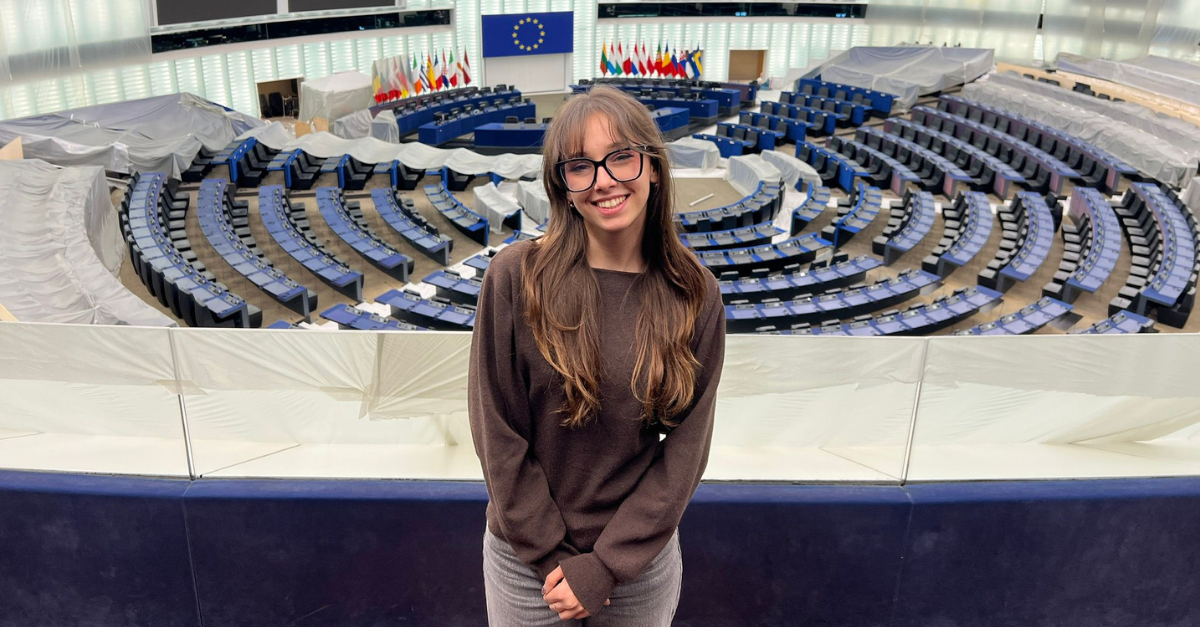 Alexandra Mihaela Valsan, Aurora Student Council Human Resources Officer and student representative of Universität Rovira i Virgili
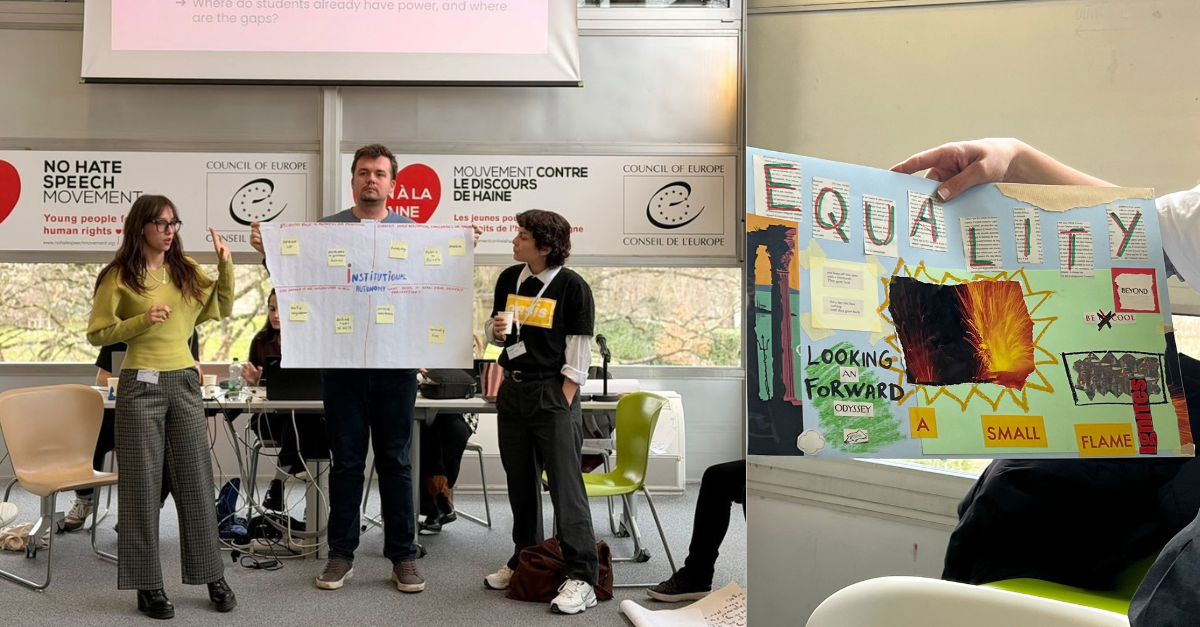 European Students Union SLIDE Study Session workshop on European values
Alexandra Mihaela Valsan, Aurora Student Council Human Resources Officer and student representative of Universität Rovira i Virgili
SLIDE Study Session, Unpacked
The SLIDE study session aimed to strengthen the capacity of student representatives and national unions to defend academic freedom, promote democratic participation, and safeguard student rights. Through an intensive five-day programme, participants engaged with key themes shaping the European Higher Education Area, combining theoretical input with practical skill-building in advocacy, leadership, and project management. A central component of the session focused on reinforcing participants’ understanding of fundamental values such as academic freedom, institutional autonomy, and the right to education. These principles were explored not only from a conceptual perspective but also in relation to current political and social challenges affecting students across Europe. A masterclass delivered by an international human rights lawyer provided particularly valuable insight into the legal frameworks protecting these rights and the risks they currently face.The Role of Youth in the European Higher Education Area
The programme also offered in-depth exploration of the Bologna Process and the broader European Higher Education Area, equipping participants with the tools to critically engage with ongoing reforms and to hold institutions accountable. Discussions extended to the origins and internal functioning of the European Students’ Union, as well as to the historical and contemporary role of student movements in driving change within higher education systems. Throughout the session, particular attention was given to the role of youth in times of economic and political uncertainty. Participants reflected on how crises and global conflicts shape student engagement, potentially both limiting and motivating collective action. These discussions underscored the need for resilient, inclusive, and forward-looking student organisations. Beyond the academic content, the experience was enriched by institutional visits to the European Parliament and the European Court of Human Rights. These visits provided a tangible connection between student advocacy and the broader European democratic framework, highlighting the importance of active citizenship and participation.
European Students Union SLIDE Study Session workshop on European values