Open Seminar 3: The role of OS and CS in AI and innovation – Open Science and Citizen Science
Within the framework of Aurora 2030 – Work Package 10 “Open Science and Citizen Science”, Task Team 10.2 is organising the third Open Seminar addressing the strategic role of Open Science in building AI-ready research ecosystems and the transformative potential of environmental DNA through Citizen Science.
The event, entitled “The role of OS and CS in AI and innovation”, will take place on 21 May 2026, from 9:00 to 11:00 (CET) in an blended format, representing a key milestone in the seminar series aimed at strengthening awareness and competencies in Open Science practices.
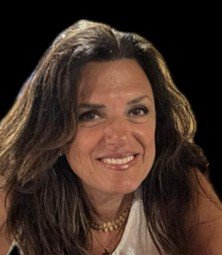 Maria Luisa Chiusano is a Professor of Molecular Biology who has spent years leading bioinformatics and data management services at the University of Naples Federico II. With an extensive background in omics sciences and over 100 peer-reviewed publications, she has coordinated numerous international consortia and developed essential biological databases. Now, as an expert involved in major European infrastructures like ELIXIR and the EOSC ecosystem, she supports the scientific community by promoting FAIR data engagement and managing complex data across health and environmental domains. She has been collaborating with Aurora since 2025, bringing her passion as a “data lover” scientist and educator to the network.
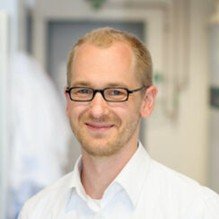
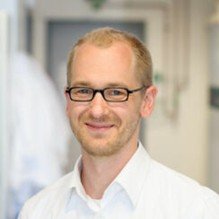 Florian Leese is a Professor of Aquatic Ecosystem Research who leads a specialist group in biodiversity monitoring at the University of Duisburg-Essen. For several years, he has coordinated DNAqua-Net, building one of Europe’s largest networks of scientists and practitioners to advance DNA-based bioassessment. Now, by leading international standardization efforts within ISO and CEN, he supports regulators and the scientific community in translating genomic research into official environmental protocols. He is a key contributor to European initiatives like DNAquaIMG and is dedicated to making science accessible through citizen science and public engagement.
Chair: Roberto Delle Donne (UNINA)
Florian Leese is a Professor of Aquatic Ecosystem Research who leads a specialist group in biodiversity monitoring at the University of Duisburg-Essen. For several years, he has coordinated DNAqua-Net, building one of Europe’s largest networks of scientists and practitioners to advance DNA-based bioassessment. Now, by leading international standardization efforts within ISO and CEN, he supports regulators and the scientific community in translating genomic research into official environmental protocols. He is a key contributor to European initiatives like DNAquaIMG and is dedicated to making science accessible through citizen science and public engagement.
Chair: Roberto Delle Donne (UNINA)
Date
21 May 2026 (09:00–11:00 CET) during the Aurora Annual Conference 2026 hosted by UDE.Mode
HybridShort Description
This last open seminar of the series examines the strategic role of Open Science in building AI-ready research ecosystems and the transformative potential of environmental DNA through Citizen Science, while adhering to FAIR principles. The session explores how bridging the gap between molecular biology and broader environmental monitoring can democratize scientific tools and foster a more sustainable future. The speakers will showcase practical strategies for navigating the challenges of data interoperability and participatory research, from high-level bioinformatics and “One Health” frameworks to local biodiversity assessment in schools.Objectives and Key Topics
- AI-Ready Research Ecosystems: Discover how Open Science and FAIR principles drive the cultural and scientific shift toward high-quality, interoperable data, the essential foundation for trustworthy AI in life sciences and biotechnology.
- Democratizing Biodiversity Science: Learn how molecular tools like eDNA metabarcoding are being moved from high-level labs into schools and local communities, empowering the next generation of citizen scientists to monitor overlooked ecosystems.
- From Molecules to Systems: Explore the methodologies needed to bridge the gap between molecular biology and complex biological systems, fostering a holistic perspective linking ecosystem health with agriculture and sustainability.
Location
LK 052 (ground floor), Lotharstraße 65 (UDE Campus, Duisburg)Speakers
Maria Luisa Chiusano is a Professor of Molecular Biology who has spent years leading bioinformatics and data management services at the University of Naples Federico II. With an extensive background in omics sciences and over 100 peer-reviewed publications, she has coordinated numerous international consortia and developed essential biological databases. Now, as an expert involved in major European infrastructures like ELIXIR and the EOSC ecosystem, she supports the scientific community by promoting FAIR data engagement and managing complex data across health and environmental domains. She has been collaborating with Aurora since 2025, bringing her passion as a “data lover” scientist and educator to the network.
Florian Leese is a Professor of Aquatic Ecosystem Research who leads a specialist group in biodiversity monitoring at the University of Duisburg-Essen. For several years, he has coordinated DNAqua-Net, building one of Europe’s largest networks of scientists and practitioners to advance DNA-based bioassessment. Now, by leading international standardization efforts within ISO and CEN, he supports regulators and the scientific community in translating genomic research into official environmental protocols. He is a key contributor to European initiatives like DNAquaIMG and is dedicated to making science accessible through citizen science and public engagement.
Chair: Roberto Delle Donne (UNINA)
A structured learning pathway
This event is part of a broader series of workshops, training sessions, and seminars running from November 2025 to May 2026, designed to equip doctoral and Master students, early-career researchers, and academic staff with essential skills in Open Science and Citizen Science. By combining theoretical insights, practical applications, and interdisciplinary dialogue, the programme aims to foster a more inclusive, transparent, and responsible research ecosystem, contributing to the development of open and collaborative scholarly communities. Download the poster and flyer. REGISTER TO JOIN.