BIP: Heavy Metal Sustainability
On the rocky road to a circular economy
Tracing the life cycle of metals from past to future
How sustainable is our use of metals really? This interdisciplinary Blended Intensive Programme (BIP) explores the full life cycle of metals—from extraction in prehistory to modern recycling systems and future circular economy scenarios. The course addresses global sustainability challenges such as climate change, resource scarcity, and social responsibility across global supply chains.
Course Details
ECTS: 5
Language of instruction: English
On-site phase in Innsbruck: 05–09 October 2026
Online phase: 28.09. & 13.10.
Format: Blended Intensive Programme (BIP)
Coordination: University of Innsbruck
Application Period: 01.07.-19.07.26
Aims of the Programme
Participants sustainability will analyze challenges from multiple disciplinary perspectives, gaining the ability to understand and critically reflect on the interconnections between metal cycles, energy consumption, and CO₂ emissions. They will also develop future-oriented scenarios for sustainable resource management and strengthen their capacity to collaborate effectively in international and interdisciplinary teams.
Content & Methods
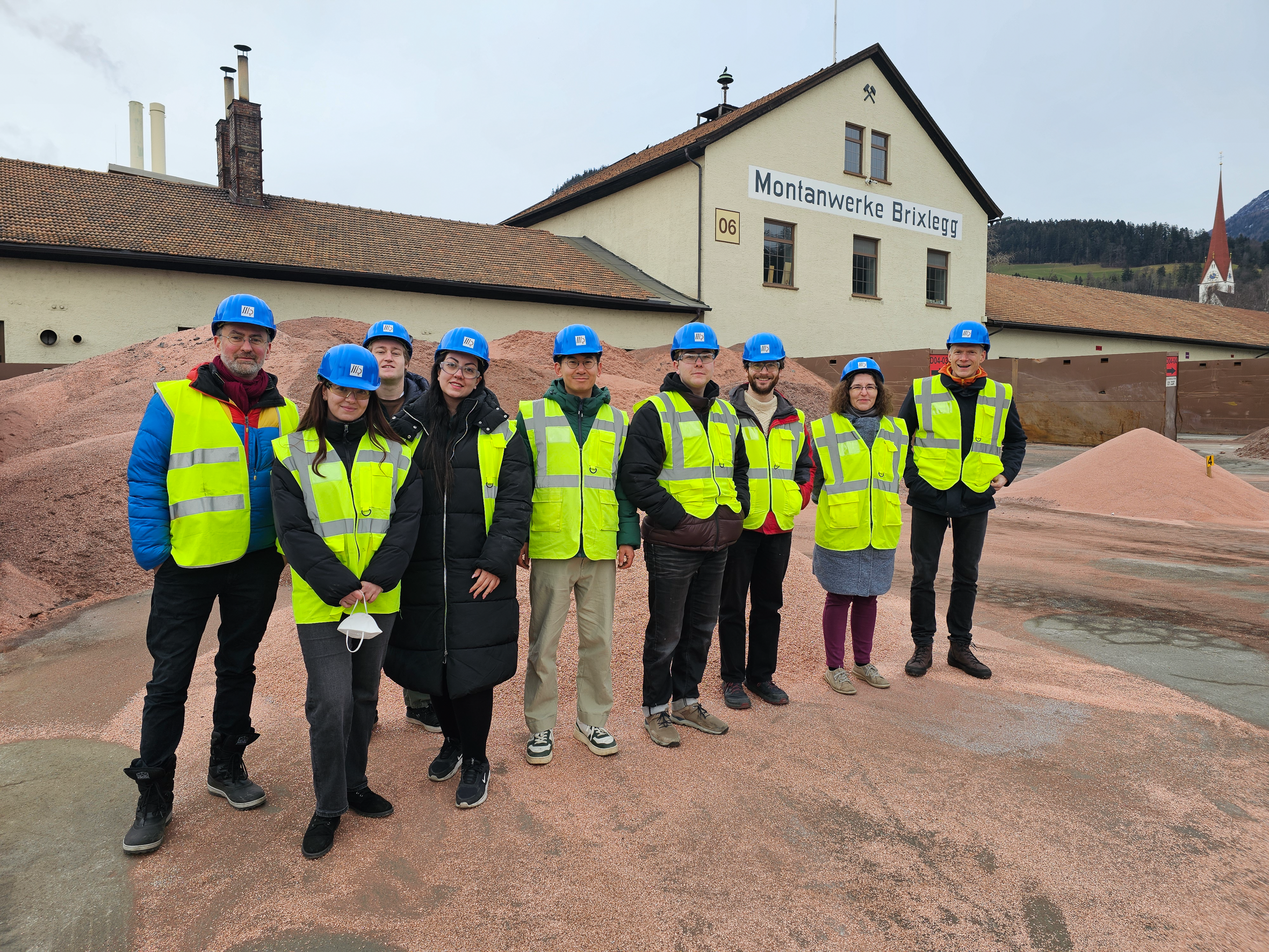
The course combines keynote lectures with interactive formats such as group work and World Café sessions, allowing students to actively engage with the topics and exchange perspectives. Field trips, including visits to industrial and historical sites such as Brixlegg and the Montanwerke, provide real-world insights into metal processing and its societal implications. In addition, hands-on experiments and material analyses deepen the understanding of physical and chemical properties of metals, while the use of the En ROADS climate simulator enables participants to explore potential climate futures. A key element of the programme is the collaborative development of future visions focusing on gold and iron, which encourage critical and creative thinking about sustainable transformation pathways.
Key Topics
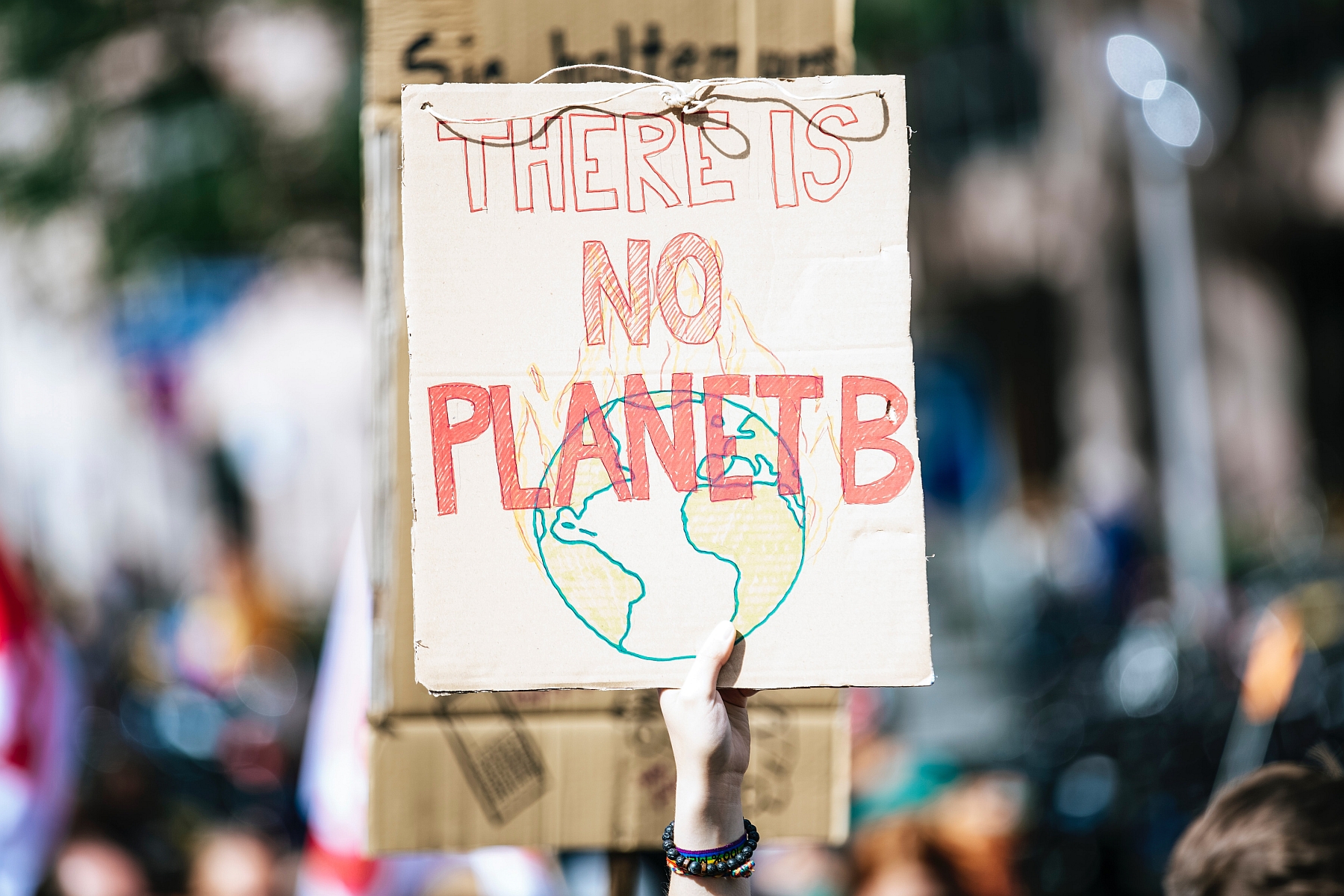
The programme addresses the entire spectrum of metal extraction, use, and recycling, always considering their environmental and social impacts. Particular attention is given to planetary boundaries and the ongoing climate crisis, as well as to the role of metals within global carbon and material cycles. These themes are closely linked to broader questions of industrial development, innovation, and sustainability transitions, reference to SDGs 8, 9, 12, 13, and 15.
Target Group
Complex Students from all disciplines (Master). No prior specialist knowledge is required; interdisciplinarity encouraged.
Why join? This programme combines natural sciences, humanities, and social sciences to demonstrate that sustainable solutions can only emerge through interdisciplinary and international collaboration.