Author: Chiara Cardigliano

Josep Pallarès Marzal Re-elected as Rector of Universitat Rovira i Virgili

Josep Pallarès has been re-elected as Rector of Universitat Rovira i Virgili for a new six-year term. Following the recent university elections, Pallarès will continue leading the institution and guiding its academic and strategic development in the years ahead.

As an active member of Aurora universities, Universitat Rovira i Virgili continues to contribute to Aurora’s mission of advancing socially impactful higher education and research across Europe and beyond. Aurora looks forward to continued collaboration with Rector Josep Pallarès and the wider URV community in strengthening shared initiatives and partnerships.

Students Make Their Voices Heard: Aurora At The European Student Assembly 2026

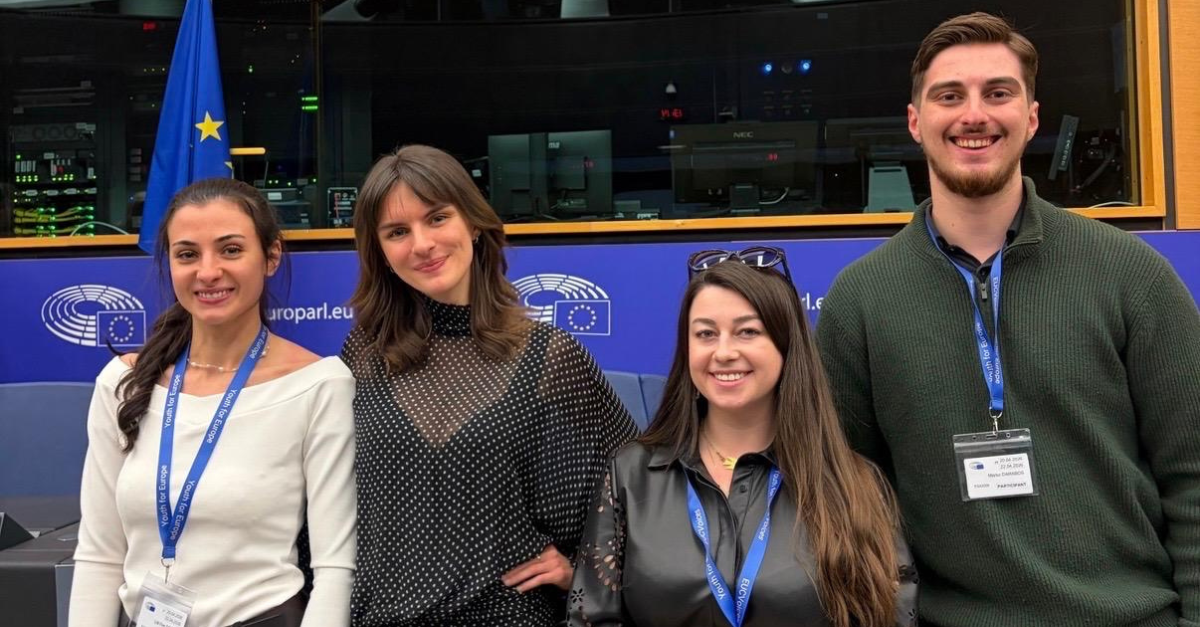
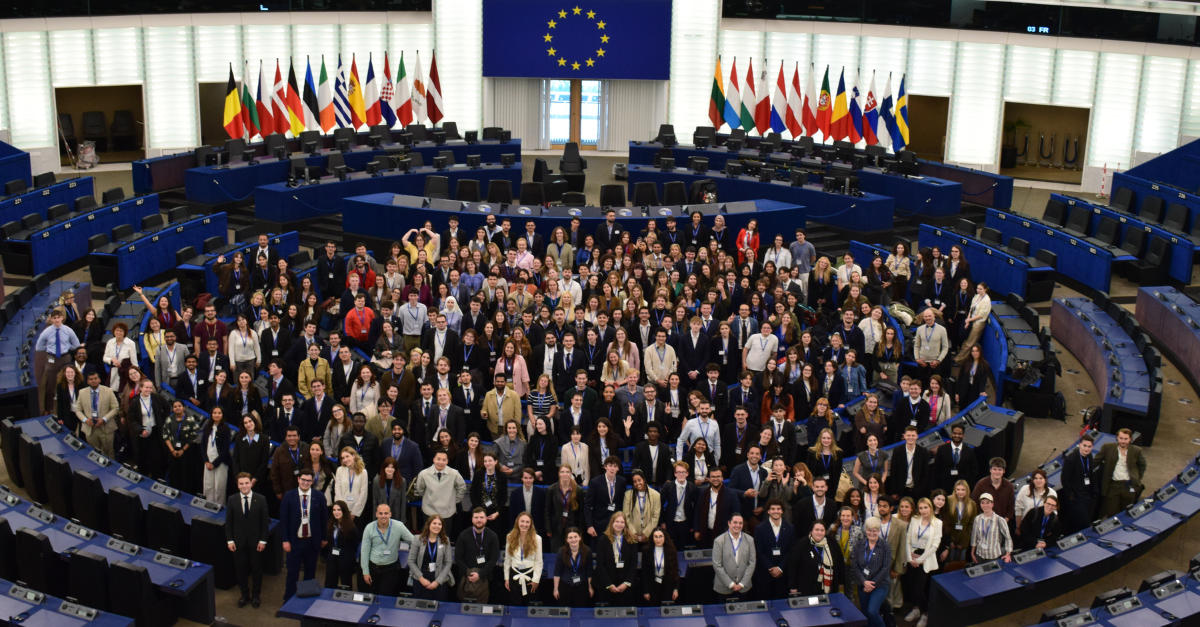
Leading up to the European Student Assembly 2026, students from all over the world worked together on recommendations addressing current European challenges. From 20 to 22 April, and after four months of digital collaboration and intensive discussions, participants gathered at the European Parliament in Strasbourg, France, to further develop and vote on their proposals during plenary sessions. From left to right: Lilli Fee Schulz, Lucie Badurová, Eliška Karasová and Marko Darabos.  The European Student Assembly 2026 (ESA 2026) provided students with a unique opportunity to contribute their perspectives, collaboratively develop ideas, and experience the importance of participation in shaping Europe. In addition to the substantive work, ESA 2026 also created plenty of space for exchange, new points of view, and networking with students and university alliances across Europe.
Reflections On The ESA 2026 Experience

Aurora was represented at ESA 2026 by four participants at different levels: Aurora Student Council (ASC) representatives Eliška Karasová and Marko Darabos, ASC alumna Lucie Badurová, and Aurora Student Ambassador Lilli Fee Schulz. They summarised their experience below: Eliška Karasová, ASC Vice-president and student at Palacký  University Olomouc As Vice-president of the ASC, I had the opportunity to represent our alliance at the 5th edition of the European Student Assembly together with a colleague from the ASC. As part of an international panel focused on defence and security, I collaborated with motivated students from different parts of the world while discussing some of the most pressing challenges facing European society. From months of collaboration to our final discussions in Strasbourg, the ESA provided valuable insight into both the topic and intercultural cooperation, which lie at the core of the project. I am grateful to have been part of such an inspiring initiative and to have met so many passionate young people committed to making a difference. European Student Assembly 2026. Photo © Guillermo Alba Buitrón Marko Darabos, ASC Member and student at Vrije Universiteit Amsterdam I had a great time at this year’s European Student Assembly, where I discussed many current European issues. I was particularly interested in discussions on EU project funding, especially how it could be used more effectively to create real impact, particularly in light of the current defence situation and possible implications for the new Multiannual Financial Framework. I also enjoyed talking to members from other alliances, learning how they work, how they engage students, and which methods seem most effective. Lucie Badurová, ASC Alumna and student at Università degli Studi di Padova I am a former Aurora Student Council Communications Officer at Palacký University Olomouc. My journey with the European Student Assembly started in 2023, when I represented Aurora as a Panel Coordinator focused on the EU’s approach to mental health. With my background in psychology and neuroscience, topics connected to the brain and mental health have always been close to me. The experience was incredibly meaningful, which is why I was happy to return in 2026 as an alumna speaker to discuss neurodegenerative diseases and their wider impact on Europe. ESA has given me a unique opportunity to speak about topics I truly care about while meeting students from across Europe who share the same passion for change. I am very grateful for the space ESA creates for young people to share their ideas on a European level, as well as for the welcoming community that makes the experience so special. Lilli Fee Schulz, Aurora Student Ambassador and student at Universität Innsbruck I am an Aurora Student Ambassador from Universität Innsbruck. The past months were intensive, but above all, incredibly educational. I learned how political measures and recommendations are developed and formulated, and how international collaboration can succeed in digital formats. It was especially valuable to engage deeply with topics shaping Europe today. ESA and Aurora allowed me to actively contribute to a process that can initiate change, and I am very grateful for this experience. The European Student Assembly clearly demonstrated that student voices can be heard and play an important role in discussions about Europe’s future, drive transformation, and catalyse positive societal impact.

Aurora Student Council Launches Inclusivity Events Across Aurora Universities

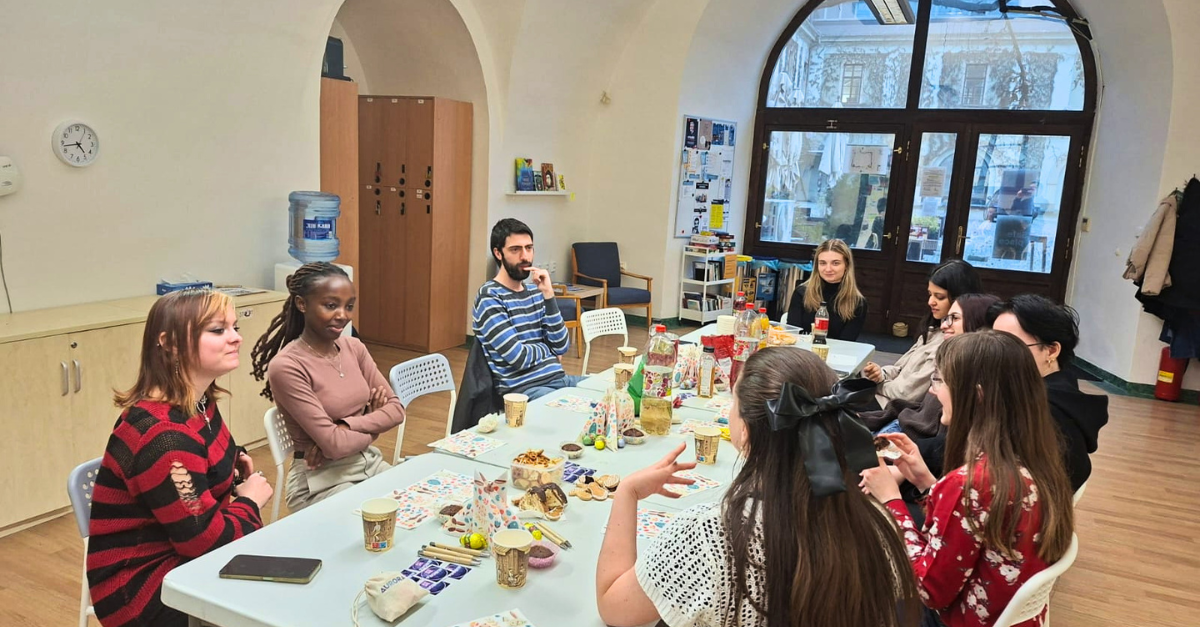
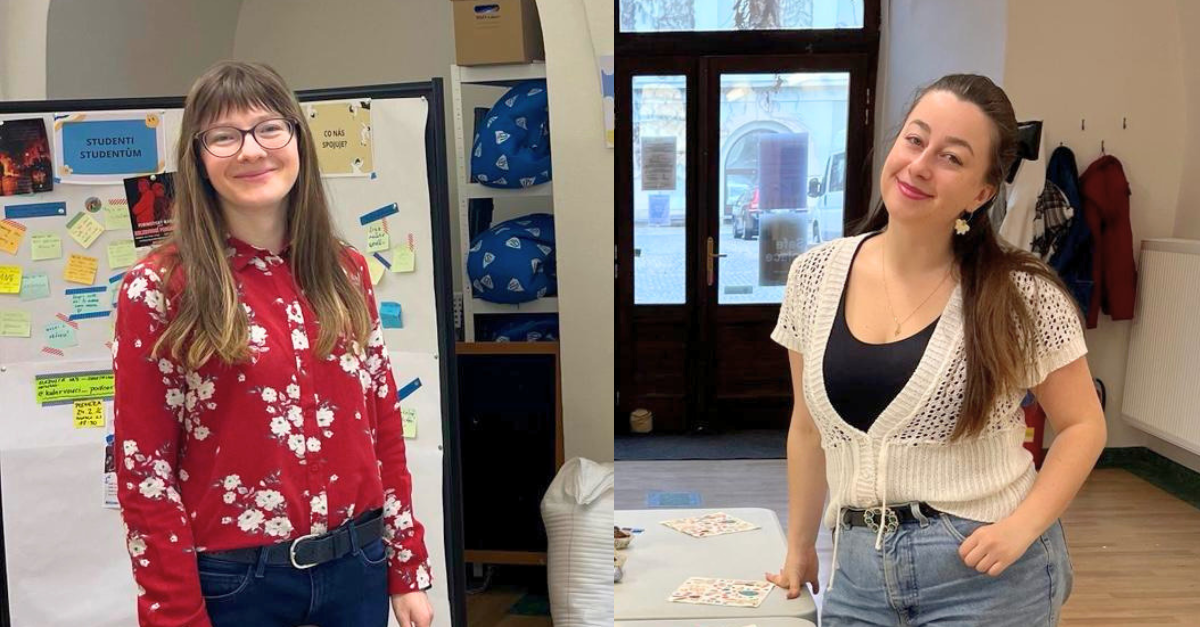
The Aurora Student Council (ASC) framed inclusivity as the key focus of their work in Aurora this year. During the semester, Simona Gibalová, ASC President and student of Pavol Jozef Šafárik University in Košice, introduced an initiative aimed at promoting inclusivity across Aurora universities. Left to right: Kristýna Raimerová and Eliška Karasová, ASC Board members and organisers of the inclusivity event at Palacký University Olomouc (UP)

Launch Of The First Inclusivity Event

To get this initiative off the ground, each ASC member was tasked with organising an event at their home university. These events aim to address inclusivity in a way that reflects local needs. The first event launching the initiative was held in March 2026 at the Student Club of Palacký University Olomouc (UP). Organised by ASC Vice-president Eliška Karasová and Secretary General Kristýna Raimerová, the event gathered UP students around a shared Easter dinner with homemade meals, traditional Easter sweets and cookies, and fun quizzes.  “It was my pleasure to bring such a great initiative to my home university and create an event that benefited our students while also starting a tradition for future ASC representatives,” said Eliška. “What I truly appreciate about this concept is that my colleague and I were able to take the initiative, add our own touches, and create something original and creative in a way that suited us. We truly enjoyed the event, and I feel fortunate to be part of such an inspiring alliance.” Introducing Aurora and Aurora Student Council representation to UP students The inclusivity event, and Aurora as a whole, received positive feedback from UP students. Many participants had the opportunity to learn more about Aurora, as well as gain an introduction to the world of student representation in the Aurora Student Council
Leverage Unique Strengths For Collective Power, Says Aurora President Veronika Sexl At THE Europe Universities Summit 2026

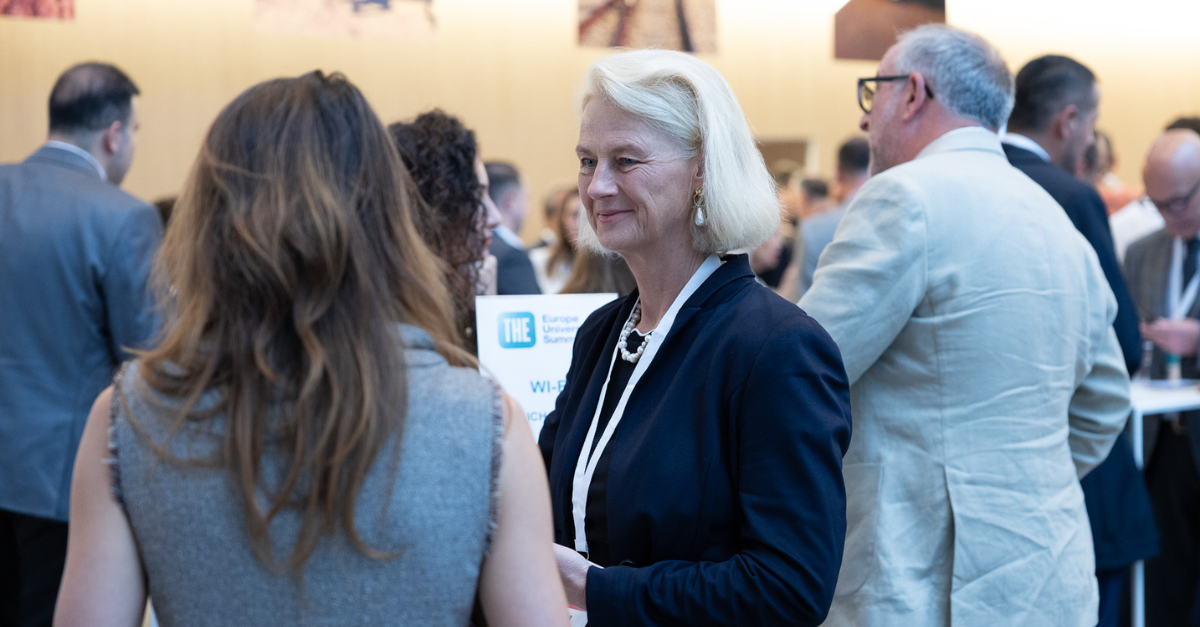
Veronika Sexl, Rector of Universität Innsbruck and Aurora President, represented Aurora at the Times Higher Education (THE) Europe Universities Summit in Milan, Italy, from 5 to 7 May 2026, contributing to key discussions on the future of European higher education. Rector Veronika Sexl at THE Europe Universities Summit 2026. © Times Higher Education Events The global higher education landscape is undergoing profound transformation. Universities today are no longer assessed solely on academic excellence and research output, but increasingly on their international visibility and ability to contribute to solving global challenges. Against this backdrop, the THE Europe Universities Summit 2026 in Milan brought together leading representatives from universities, research institutions and policymaking bodies across Europe to discuss the future of European higher education. The summit focused on key questions surrounding the strategic positioning of European universities, the growing importance of international collaboration and the evolving role of higher education institutions in an increasingly interconnected yet highly competitive global environment. Throughout the discussions, one central theme emerged clearly: universities must balance international visibility with regional responsibility while remaining true to their academic mission and public value. Aurora’s presence at the summit reflected this broader dialogue on collaboration as a driver of academic excellence and societal impact.
© Times Higher Education Events

Rethinking Reputation: Aurora In A Leadership Panel

As part of the wider programme of the summit, one of the panel discussions focused on unearthing institutional competitive edge and building global reputation. This session brought together senior university leaders from across Europe to discuss how institutions can define and strengthen their distinct position in an increasingly competitive global higher education landscape. It explored how institutional reputation is shaped through the interplay of identity, performance, and external perception, and how leadership can ensure that strategy and narrative are closely aligned. Among the panel participants was Veronika Sexl, Rector of the Universität Innsbruck and Aurora President, who contributed to the discussion on the role of European Universities Alliances (EUAs) in strengthening the global positioning of their member institutions. Within this context, the Rector’s contribution at the THE Europe Summit in Milan emphasises how EUAs like Aurora serve as a strategic multiplier for the global reputation of universities. She argues that these networks act as a central entry point for international partners, making collaboration opportunities more visible than individual institutional efforts could achieve alone. As she stated during the discussion: “We must dare to be different and lead with our unique strengths. Within Aurora, this individual uniqueness becomes a collective power: our collaboration acts as a global entry point that amplifies our distinct strengths for partners worldwide.” By leveraging the collective reputational capital of Aurora, individual members can amplify their unique institutional stories —showcasing their specific strengths and expertise — on a global stage while tackling shared challenges like climate change and digital transformation in a complementary manner.

From Ambition To Practice: Aurora At The EARMA Conference 2026

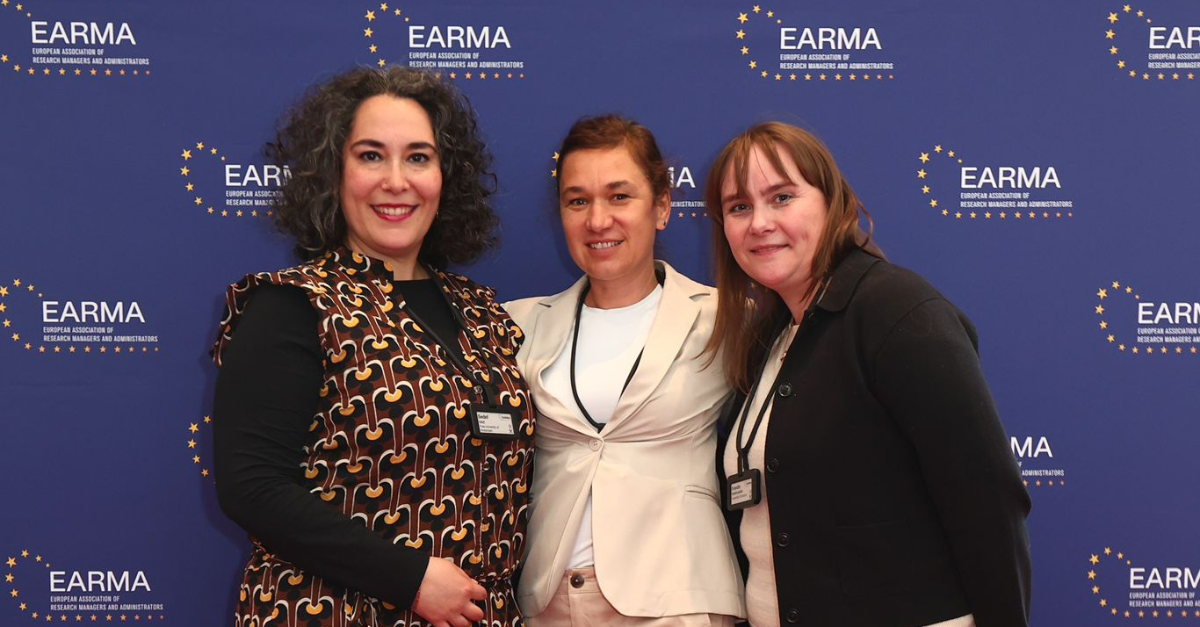
From 5 to 7 May 2026, Marie Jadrníčková, Aurora Research Officer at Palacký University Olomouc (UP), represented Aurora at the EARMA Conference 2026 in Utrecht, The Netherlands. Together with colleagues from the EDUC and SEA-EU European university alliances, she participated in a panel discussion on behalf of the EARMA Thematic Group on the European Universities Initiative. Aurora representatives at EARMA Conference 2026: Sedef Iskit (VU Amsterdam), Marie Jadrníčková (Palacký University Olomouc) and Svandis Halldórsdóttir (University of Iceland)

Bridging Ambition And Everyday Practice 

During the panel session, Marie delivered a presentation titled “From Ambition to Practice: How Alliances Shape Universities”. She raised the key question of how European university alliances can become an integral part of long-term institutional strategies and development. The discussion that followed focused on the challenge of translating European-level ambitions into meaningful institutional change. While governance structures and legal frameworks often dominate discussions on European university alliances, the session also explored how these initiatives are implemented in practice and how they influence the day-to-day functioning of universities. Research managers and professional staff play a crucial role in connecting policy and practice. They help translate alliance objectives into concrete processes, align stakeholders, and support the integration of new structures into institutional environments. The discussion also addressed challenges such as ensuring continuity beyond project-based funding, retaining skilled staff, and managing financial uncertainty.

Integrating Research And Innovation In Erasmus+ Projects 

In addition to the conference, Marie also contributed to a webinar hosted by the EARMA European Universities Initiative Thematic Group. The webinar, titled “Integrating the R&I Agenda in Erasmus+ Projects”, brought together more than 100 participants from across Europe to exchange perspectives on the research and innovation landscape within European university alliances and on the role of Erasmus+ funding in this context.   Moderated by Ladislav Cocek from EDUC, the webinar featured Marie alongside Nina Shiel from CHARM-EU. Together, they shared practical insights into how institutions can better connect research and education within Erasmus+ frameworks and make use of funding synergies to strengthen research capacity. The webinar highlighted the importance of more integrated approaches within European university alliances, particularly at the intersection of research and education. As European university alliances continue to evolve, the role of research managers remains central to embedding alliances within institutions and supporting their long-term implementation in practice. Aurora’s engagement in platforms such as EARMA contributes to the exchange of practical experience, supports discussions on how alliances function in everyday academic environments, and helps strengthen their long-term sustainability.

ASC Vice-president Shares Students’ Perspective on Aurora Educational Offers With Aurora Vice-rectors For Education

Through the Aurora Student Council (ASC), student representatives from Aurora universities are able to voice their vision of European higher education, its challenges, and the opportunities it offers them. In line with Aurora strategic priorities of inclusivity and student engagement, students therefore play a crucial role in helping to shape the educational offers in Aurora. Eliška Karasová, ASC Vice-president and student at Palacký University Olomouc (UP), writes about her experience during a meeting with Aurora Vice-rectors for Education.   I had the privilege of attending a meeting of the Aurora Vice-rectors for Education, where I shared the perspective of the Aurora Student Council (ASC) as its representative. We focused on the structure of educational opportunities as well as the content of the courses offered within Aurora. We are grateful for the wide range of mobility opportunities offered and see flexibility in student life as part of an inclusive approach that enables everyone to participate in international and intercultural exchange. However, we also emphasised that, alongside flexibility, it is essential to provide strong support and a solid coordination framework for students, regardless of the type of mobility they choose. Regarding the content of the courses offered, we expressed our interest in courses focused on Artificial Intelligence (AI) and its development and impact across different fields. Courses in European shared history also helps students understand historical events from a broader perspective. Furthermore, opportunities that train skills for future leaders and stakeholders, including general soft skills, will certainly benefit students in their future careers. We are aware that there are already multiple programmes covering parts of these areas. However, we would like to support making these opportunities accessible to a wider student base. In other words, our goal is to make these opportunities available to all students across the alliance, for example, by sharing best practices or developing joint programmes such as Blended Intensive Programmes. As a member of the ASC, I was particularly pleased with how our suggestions were received. It was a valuable meeting, and I am glad that we will continue to build on this cooperation to strengthen the connection between Vice-rectors for Education in Aurora universities and the Aurora Student Council.

European Universities Alliances Discuss Project Management And Impact At FOREU4ALL Workshop

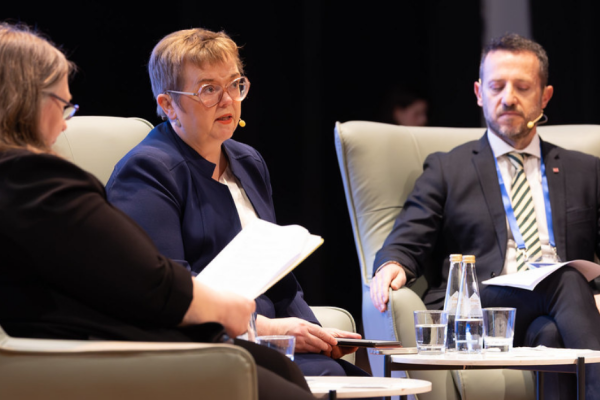
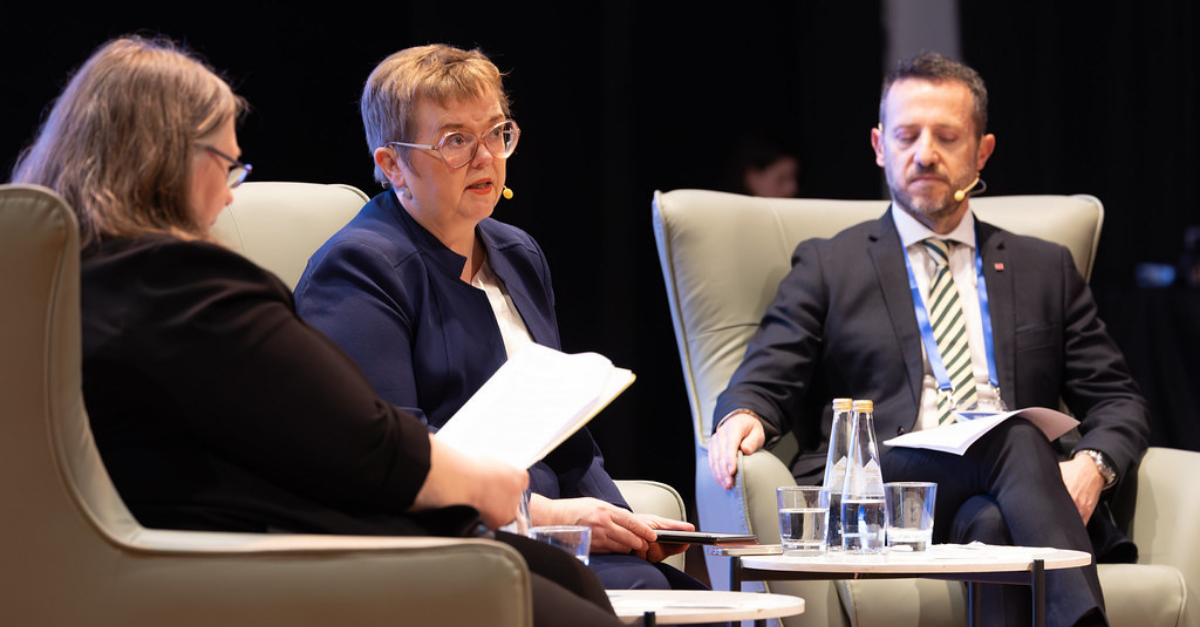
Two Aurora representatives from the Aurora Central Office and  Université Paris-Est Créteil (UPEC) attended  the FOREU4ALL Workshop  on “Aligning Project Management and Impact: A Practical and Strategic Dialogue for European University Alliances”. Held from 15 to 17 April 2026 at the Universidad de Granada within the Arqus Alliance, the event brought together more than 140 representatives from across Europe to exchange on the link between project management practices and impact measurement in the context of European cooperation. From left to right: Alexander Lindemans (Aurora Central Office) and Matthieu Danteny (Université Paris-Est Créteil)
Project Management And Impact Across European Universities Alliances

The first day of the workshop focused on key dimensions of project management and impact, including planning, data collection, communication, and strategic coordination. Through a World Café format, participants shared practices and reflected on common challenges across alliances. These exchanges highlighted the diversity of institutional approaches while also underlining the need for more coherent and aligned frameworks to support collaboration at scale. A recurring theme throughout the discussions was the growing importance of impact in European projects, alongside the continuing complexity of defining and assessing it across different institutional contexts. Matthieu Danteny, Deputy Head of the Strategy and Major Projects Unit at UPEC, highlighted this convergence of challenges across alliances: “Thanks to this World Café format, I was able to quickly discuss with people from other alliances and share my vision on the current state of impact assessment in Aurora. I never had the chance to exchange with counterparts about this topic, and I learned that the majority of them has the same issues, questions, and needs for clarification.”

Developing Operational Tools For Measuring And Structuring Impact

The second day of the workshop shifted towards more operational discussions, focusing on tools and methodologies for integrating impact into project management practices. In the session “Tools for Challenge 1 – Planning for Impact”, participants explored ways to anticipate, structure, and monitor impact across projects. Outcome of the discussions emphasised the need for flexible and adaptable tools capable of supporting both strategic planning and day-to-day implementation across different alliance settings. A poster session complemented the workshops, enabling participants to compare approaches and share tools already developed within their respective alliances, further strengthening peer learning and exchange of best practices.

Shared Reflections Across Aurora

From Aurora’s perspective, the workshop contributed to broader reflections on the challenge of ensuring coherent and meaningful approaches to impact across alliances, as well as on the need to combine quantitative indicators with qualitative understanding of project outcomes. Alexander Lindemans from the Aurora Central Office underlined that impact cannot be fully understood through quantitative indicators alone. He said, “At the same time, it became clear that impact is going to be a key element in final reporting, and not an easy one. Measuring it is complex, and there was a shared recognition that numbers alone don’t tell the full story. Qualitative insights are just as important in capturing what projects actually achieve.” He further stressed on the importance of aligning internal processes with external expectations, a difficulty shared across European university alliances as they continue to develop their cooperation frameworks, particularly in relation to reporting requirements and long-term coordination.
The workshop concluded with the development of a joint roadmap aimed at strengthening data management and improving impact reporting practices across alliances. Informal exchanges throughout the event also played a key role in fostering dialogue, trust, and peer learning among participants.

European Universities Alliances And Leadership In Focus At The EUA Annual Conference

On 17 April 2026, Aurora was represented at the European University Association (EUA) Annual Conference in Istanbul, where Rector Silja Bára R. Ómarsdóttir of the University of Iceland spoke in a plenary session on the future of international cooperation in higher education. The discussion brought together university leaders to reflect on how alliances contribute to longterm collaboration and institutional transformation. From left to right: Amanda Crowfoot (European University Association), Silja Bára R. Ómarsdóttir (University of Iceland), and Pedro Azeres (University of Minho)
Deepening International Cooperation Through Aurora

Rector Ómarsdóttir drew on the University of Iceland (UI)’s long-standing involvement in Aurora to show how the alliance has evolved over time. She highlighted the shift from Aurora’s beginnings as a high‑trust network in 2016 to its role as a European university alliance from 2020 onwards. This development has strengthened cooperation across partner universities and expanded opportunities for students and staff. “The value created by Aurora is moving beyond traditional student and staff exchange programmes toward deep, high‑trust internationalisation of education and research,” said Rector Ómarsdóttir. “Through our participation in Aurora, we prioritise institutional transformation that embeds internationalisation into our core structures rather than treating it as an add‑on.” She noted that Aurora has increased access to transdisciplinary courses, and supported staff development and research cooperation. For UI, this has translated into a multiplication of student interest and participation in short-term mobility, while providing staff with robust frameworks for pedagogical development and research collaboration. This approach positions Aurora as a space where universities can test new ideas, streamline processes, and work collectively towards a more connected European academic landscape.

Leadership and Institutional Alignment

A key theme of the session was the role of leadership in ensuring that alliance engagement is firmly embedded within universities. Rector Ómarsdóttir explained how her university integrates Aurora into its governance structures. As Rector, she sits on the Aurora Board and General Council, providing strategic direction along with other Aurora universities’ presidents and rectors. Furthermore, two Vice-rectors participate in the respective Vice-rector bodies for Education and Research, ensuring that alliance initiatives are directly integrated into UI’s core academic mission. A primary goal for UI is also to embed the Aurora mission more deeply into the university’s new institutional strategy. The university’s participation in Aurora is a central pillar of its identity and internationalisation priorities. She also addressed the challenges created by national regulatory and funding frameworks. In Iceland, universities involved in European alliances have joined forces to advocate for more supportive conditions for internationalisation. By collaborating on high-level discussions with the Ministry of Higher Education, they have successfully highlighted the friction between their international ambitions and the current financial model. This coordinated approach has contributed to constructive dialogue with national authorities.

Alliances as Platforms for FutureOriented Cooperation

The plenary explored whether alliances are becoming a central model for international cooperation or one tool among many. As a laboratory of change, Aurora’s experience shows how alliances can act as platforms for experimentation, balancing deep integration with wider global engagement. “I see great advantages in European degrees and access to micro-credentials that students can bring back into their study programmes at home,” said Rector Ómarsdóttir. “We cannot offer all the specialisations that we know our students want to get access to. Short term exchanges and international courses open the doors to more diverse study programmes and expand our students’ horizons, and those of our staff as well!” Rector Ómarsdóttir emphasised that sustaining this level of cooperation requires trust, shared purpose, and long‑term commitment — all essential for building resilient partnerships across Europe.

High Engagement In First Aurora Student Council Open Session

The Aurora Student Council (ASC) introduced its first Open Session, an initiative by ASC President, Simona Gibalová. The objective of this initiative is to provide current Aurora Student Ambassadors an insider perspective on Aurora student representation, and the role and responsibilities for these students in Aurora universities.  The first part of the online session began with a look into the Aurora Student Ambassador programme, then followed by a second part on a regular ASC work meeting. 

Engagement in Aurora through the Student Ambassador Programme

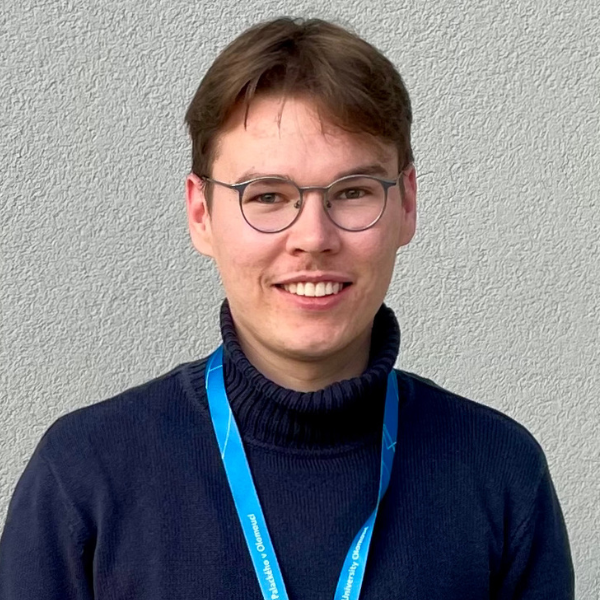
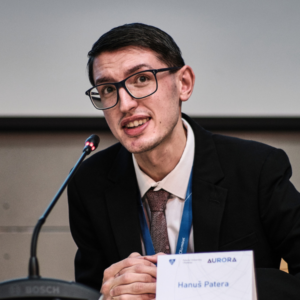
The Open Session kicked off with a warm welcome by Aurora Student Council (ASC) President Simona Gibalová. She outlined her vision of creating a space connecting alumni and potential future members of the Aurora student community. “In the Aurora Student Council, we value continuity and cooperation, and we care deeply about the entire project,” said Simona. “Since this year’s theme is inclusivity, there was no better way to approach it than by opening our online doors to former and future members, connecting them, and introducing them to the world of student representation.” Simona set the tone for the introduction to the Aurora Student Ambassador programme by Niels Hexspoor, Aurora Engagement and Impact Leader at Palacký University Olomouc (UP). He provided a thorough overview of this flagship initiative for the student community within Aurora, emphasising on the impressive year-on-year growth in membership, and engagement activities across Aurora universities. To illustrate the success of the programme, three former members of the Aurora Student Council shared their diverse experiences of student representation in Aurora. All three started as Student Ambassadors, before taking on bigger responsibilities on the ASC Board in the later years in Aurora:   Mathilde Chaumont, former ASC President of 2024/2025, reflected on her year as President, as an active advocate for students’ rights at the European Students Union, and her team’s work on the Aurora Student Rights Charter.     Sören Dahn, former ASC Vice-president of 2024/2025, spoke of his representation at the European Student Assembly and in the seizmic social entrepreneurship and social innovation project in the Aurora 2030 programme.     Hanuš Patera, former ASC President of 2023/2024, offered insights into his presidency and deep involvement in the work for Aurora at his home university UP, as well as upon graduation at Copenhagen Business School (CBS).    
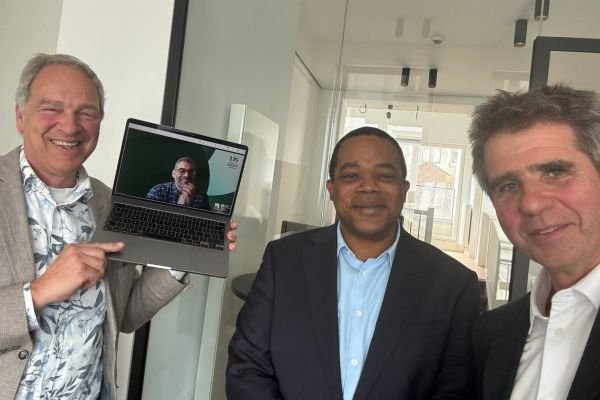
Inside the Workings of the Aurora Student Council

In the second part of the online open session, the ASC held its regular meeting with its members. Among the key topics on the agenda included updates on the Aurora Student Conference in June, hosted by the Pavol Jozef Šafárik University in Košice, the trainings organised by the European Students Union (ESU), the ESU Conference of the Alliances in Malta, updates from the FOREU4ALL topical group Student-led Community. Part of the conversation also turned to the Aurora Student Rights Charter, and local events at each of the Aurora universities. By being involved in the ASC meeting, Student Ambassadors were able to get a first-hand experience of what student representation looks like in Aurora, and the wider European student community. Participants also had the opportunity to learn more about student-led initiatives, work to be done, challenges addressed and achievements to celebrate.

Aurora Explores Pathways for UK–EU University Cooperation

Representatives from Aurora Universities and the University of Sussex convened in Brussels recently to discuss the strategic role of UK universities in European alliances, ahead of the UK–EU agreement on Erasmus+ participation reached on 16 April 2025.

The meeting brought together Paul Creary (Head of Research and Innovation, UK Mission to the European Union), Robin Banerjee (Pro-Vice-Chancellor Global and Civic Engagement, University of Sussex), Pim de Boer (EU Liaison and Policy Advisor, Aurora Universities) and Ramon Puras (Secretary General, Aurora Universities) to explore a forward-looking approach to UK–EU collaboration in higher education.

Discussions focused on longer-term models of cooperation. Several key priorities emerged from the exchange: ensuring coherence between UK and European strategic objectives, building evidence-based cases for the value of cross-border collaboration, and connecting ecosystems across education, research and innovation to bridge existing funding gaps. Participants also identified the need for more flexible and inclusive models of student and staff mobility, as well as sustained investment in long-term institutional infrastructure to support durable partnerships.

Looking ahead, the focus turns to implementation. Delivering on this momentum will require continued collaboration with key partners, including the British Council. Aurora Universities has indicated its commitment to continuing this work as part of broader efforts to strengthen UK–EU university cooperation.

Empowering Student Leadership for Democratic Engagement: Insights from the SLIDE Study Session in Strasbourg

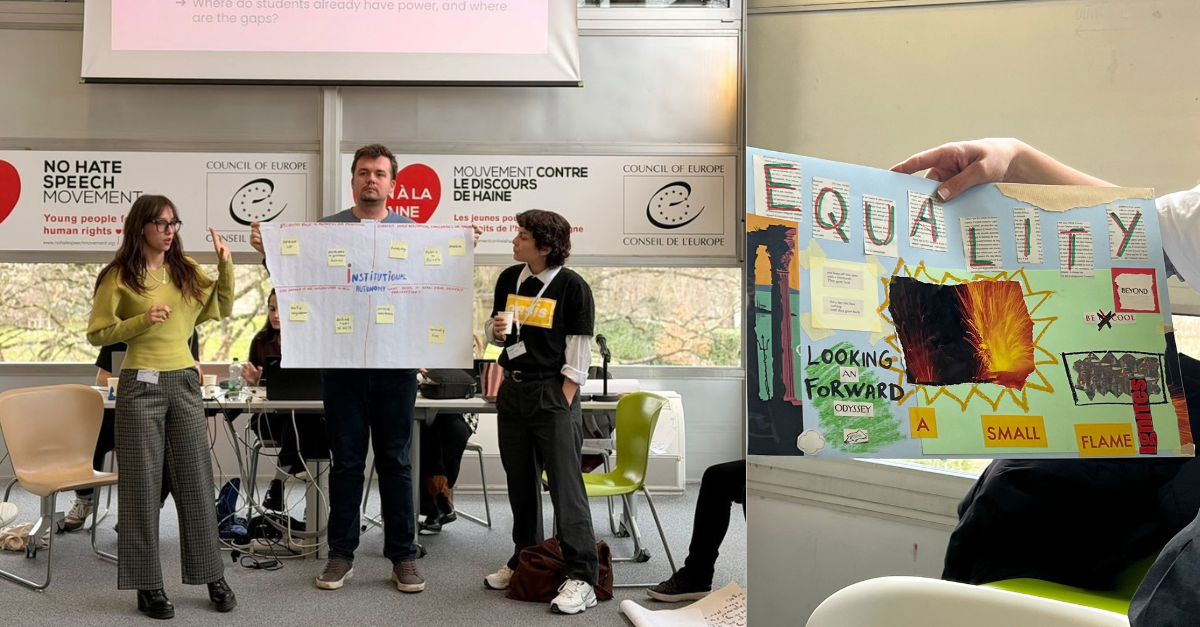
From 16 to 20 February 2026, the European Students’ Union (ESU) organised the study session “SLIDE, Student Leadership Initiatives for Democratic Engagement” at the European Youth Centre in Strasbourg, France. The initiative brought together student representatives from across Council of Europe member states, creating a dynamic space for collaboration, learning, and strategic reflection on the future of higher education in Europe. Insights and key learnings from this event by Alexandra Mihaela Valsan, Human Resources Officer and student representative of the Universitat Rovira i Virgili (URV) within the Aurora Student Council.  Alexandra Mihaela Valsan, Aurora Student Council Human Resources Officer and student representative of Universität Rovira i Virgili
SLIDE Study Session, Unpacked

The SLIDE study session aimed to strengthen the capacity of student representatives and national unions to defend academic freedom, promote democratic participation, and safeguard student rights. Through an intensive five-day programme, participants engaged with key themes shaping the European Higher Education Area, combining theoretical input with practical skill-building in advocacy, leadership, and project management. A central component of the session focused on reinforcing participants’ understanding of fundamental values such as academic freedom, institutional autonomy, and the right to education. These principles were explored not only from a conceptual perspective but also in relation to current political and social challenges affecting students across Europe. A masterclass delivered by an international human rights lawyer provided particularly valuable insight into the legal frameworks protecting these rights and the risks they currently face.

The Role of Youth in the European Higher Education Area

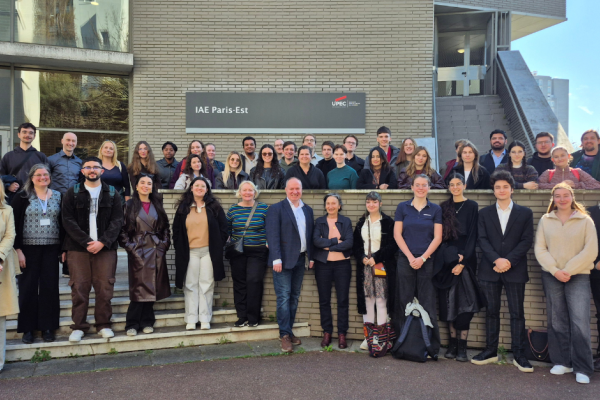
The programme also offered in-depth exploration of the Bologna Process and the broader European Higher Education Area, equipping participants with the tools to critically engage with ongoing reforms and to hold institutions accountable. Discussions extended to the origins and internal functioning of the European Students’ Union, as well as to the historical and contemporary role of student movements in driving change within higher education systems. Throughout the session, particular attention was given to the role of youth in times of economic and political uncertainty. Participants reflected on how crises and global conflicts shape student engagement, potentially both limiting and motivating collective action. These discussions underscored the need for resilient, inclusive, and forward-looking student organisations. Beyond the academic content, the experience was enriched by institutional visits to the European Parliament and the European Court of Human Rights. These visits provided a tangible connection between student advocacy and the broader European democratic framework, highlighting the importance of active citizenship and participation. European Students Union SLIDE Study Session workshop on European values
Key Learnings for Aurora

As a representative of the Aurora Student Council, this experience provided a valuable opportunity to present the current state of student participation within the alliance. While recognising areas for improvement, it became evident that Aurora operates within a comparatively supportive environment, where student voices are heard and integrated into institutional processes. This position entails both responsibility and opportunity: to remain critical, ambitious, and committed to continuous improvement. In line with this, a written contribution was developed and addressed to the Aurora Student Council, outlining concrete and achievable objectives aimed at strengthening its representativeness, efficiency, and overall impact. Overall, participation in the SLIDE study session has proven to be both transformative and strategically relevant. It has reinforced the importance of equipping student representatives with the knowledge, skills, and networks necessary to actively shape the future of higher education in Europe. The experience in Strasbourg stands as a clear example of how international collaboration can empower student leadership and foster meaningful democratic engagement.

Aurora Students Develop Managerial Skills Through Innovative Tabletop Role‑Playing Games

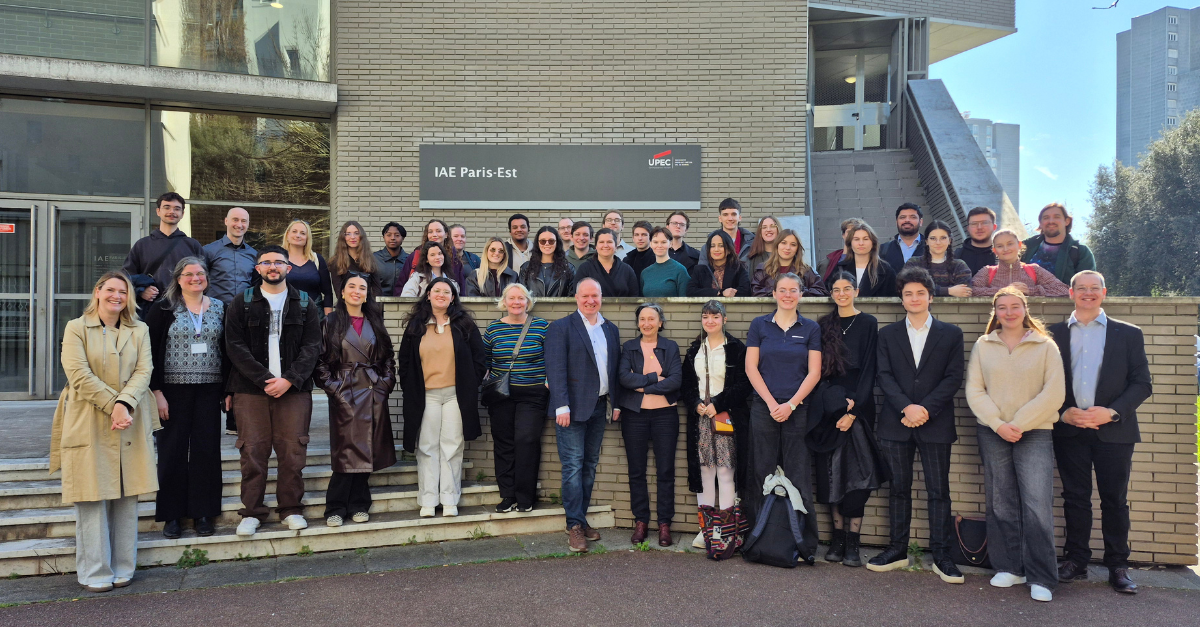
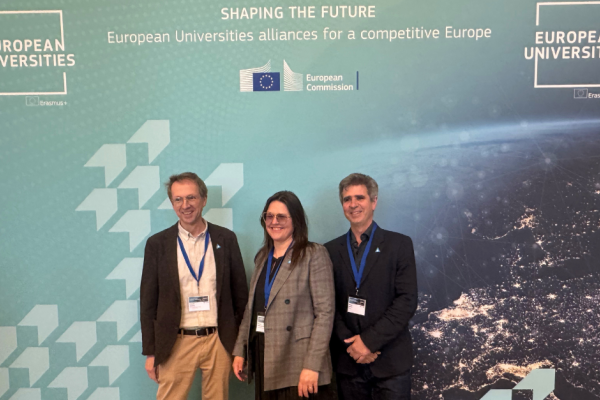
Hosted by the IAE Paris-Est at the Université Paris-Est Créteil (UPEC), a new Blended Intensive Programme (BIP) explored the use of tabletop roleplaying games as a tool for developing managerial and transversal skills in students. Supported by Aurora, this BIP reflects Aurora’s commitment to fostering innovative, inclusive, and challengebased learning across its member universities. Table-top role-playing games and managerial skills BIP participants at the IAE Paris-Est, UPEC
Advancing Aurora’s Educational Mission Through Ludopedagogy

Coordinated by UPEC with Aurora universities University of Iceland and Palacký University Olomouc, and other partner universities the University of Skövde and Valparaiso University in the United States for the Scenario Creation Contest, the BIP was  developed within the EdUTeam project at UPEC. Using  a ludopedagogical approach, the programme combined  physical and digital games as learning tools. Tabletop role‑playing games served as a creative framework for students to co‑construct narrative scenarios while strengthening key transversal skills such as creativity, collaboration, and decision‑making,  central to Aurora’s pedagogical vision. The programme brought together 35 students from 11 nationalities and 14 faculty members representing 8 countries across the Aurora network. Following an online preparatory phase, participants met in Créteil, France, for a week‑long immersive experience at the GamiXlab of IAE Paris‑Est. The initiative was coordinated by Associate Professors Patricia Noël and Philippe Lépinard, with strong support from International Offices  across the alliance. Throughout the week, students engaged in lectures and workshops led by European scholars from Aurora universities, exploring diverse approaches to integrating games into management education. This cross‑institutional collaboration illustrates Aurora’s ambition to build a shared European learning space grounded in pedagogical innovation.
Tight collaboration between French and international colleagues and students from Aurora universities and beyond

Learning Management With Game-based Scenarios

Working in international teams, students designed scenarios for the role‑playing game Dungeon Crawl Classics, in partnership with the American publisher Goodman Games. Beyond the creative dimension, the activity encouraged participants to reflect on how game‑based scenarios can be embedded into university‑level management courses. This approach supports the development of essential transversal skills and key competencies in communication, problem‑solving, and strategic thinking. “It is not the role‑playing games themselves that develop managerial skills, but the pedagogical framework built around them,” explains Philippe Lépinard. The programme also strengthened professional connections within the alliance. As Philippe Lépinard notes, “The BIP allowed us to collaborate closely with international teams and to meet new colleagues, both French and international.”
Hands-on experience in table-top and role-playing games at the GamiXlab The scenarios designed by the students will be evaluated by an international jury, with the winning project announced during the International Game Evolution conference on 13 May 2026. Students reported highly positive experiences, highlighting the value of intercultural collaboration and the opportunities created through Aurora mobility.

Aurora Contributes To Strategic Discussions At European Universities Coordinators Meeting In Brussels

Aurora Secretary General Ramon Puras, together with Institutional Coordinators Fanney Karlsdóttir (University of Iceland) and Martin Schwell (Université Paris-Est Créteil), represented Aurora at the European Universities Coordinators Meeting held in Brussels. The event brought together close to 200 representatives from European Universities Alliances (EUAs) for a full-day working retreat combining plenary exchanges, thematic breakout sessions and informal networking opportunities. From left to right: Martin Schwell, Fanney Karlsdóttir, and Ramon Puras

Future Erasmus+ Framework, Mobility And International Cooperation

During the day-long European Universities Coordinators Meeting, discussions focused on the evolving role of EUAs within the European Higher Education Area, with particular attention to research cooperation, education strategies and international mobility frameworks. The first working session explored the future Erasmus+ funding model in the context of the next programme period, with discussions addressing how to best support European Universities Alliances in the years ahead. Participants exchanged views on the conditions for student and staff mobility, as well as on the role of alliances in strengthening international cooperation both within Europe and with partner regions beyond the European Union. The exchanges highlighted the need for stable yet flexible frameworks that can sustain long-term collaboration  while responding to evolving institutional needs.

European Competitiveness, Role Of Alliances And Impact Monitoring

The second working session zoomed in on the contribution of European Universities Alliances to EU competitiveness and to the development of the European Research Area. Exchanges underlined the strategic role of alliances as drivers of cross-border collaboration in education, research and innovation, and as platforms supporting institutional transformation across higher education systems. The final session addressed performance monitoring and impact reporting. Participants debated how to better capture institutional change and streamline reporting processes, with a shared understanding that effective impact assessment requires combining quantitative indicators with qualitative evidence of transformation. For Aurora, these discussions also feed into ongoing internal reflections on how to further articulate and monitor the impact of its activities within the broader European framework.

Introducing the Doctoral Candidates of the seizmic Doctoral Network

The seizmic Doctoral Network, developed within Aurora Universities, engages 15 early-career researchers working on the theory and practice of scaling social entrepreneurship. Funded by the Marie Skłodowska-Curie Actions (MSCA), the network integrates expertise in impact investing, business model design, education, and AI-driven technology. The seizmic Doctoral Network is a project developed within Aurora Universities, involving several universities in Aurora and more than 15 non-academic partners. It aims to connect research across member institutions and reinforce Aurora’s commitment to social impact and sustainability. The network is structured into four interconnected research-based work packages and the 15 doctoral candidates are distributed across these work packages. To enhance research impact and strengthen doctoral training, the Doctoral Network is based on international mobility, requiring at least two secondments per doctoral candidate, including one academic and one non-academic placement. This cross-institutional collaboration supports the career development of doctoral candidates and fosters scientific exchange.

The seizmic Doctoral Network Candidates and their projects

Social Business Models Work Package 2, “Shifting Paradigms to Social Business Model Design,” examines how innovative and sustainable business models can enable social enterprises to grow while maintaining their social mission. This work package investigates design practices, foresight approaches, and collaborative frameworks that facilitate scaling in diverse contexts.
  • Frederik Hovmark Pedersen ESCP Business School, Germany — Supervisor: Florian Lüdeke Frederik studies business model design and cross-sector collaboration, classifying design patterns and collaborations to understand their effect on scaling social entrepreneurship.
  • Eugenia Santoro University of Iceland — Supervisor: Lára Jóhannsdóttir Eugenia uses qualitative, case-based methods to explore how transparency and impact measurement influence the design and scalability of social business models, and to understand their interplay in social entrepreneurship scaling.
  • Valentina Alcalde Gómez University of Naples Federico II, Italy — Supervisor: Ramon Rispoli Valentina researches alternative design practices that support healing and regeneration in communities undergoing socio-ecological transition, with a focus on the Global South.
  • Anika Keils Université Paris-Est Créteil, France — Supervisor: Felipe Koch Anika investigates social foresight methods supporting the design and scaling of social business models, using participatory, future-oriented approaches.
Impact Investing Work Package 3, “Impact Investing for Social Entrepreneurship Scaling,” explores financial mechanisms that sustain and accelerate the growth of social enterprises. It examines interactions between impact investors and social enterprises, the role of hybrid financing instruments, and the management of tensions between financial returns and mission fidelity throughout the investment cycle.
  • Lisa Pramann Copenhagen Business School, Denmark — Supervisor: Kai Hockerts Lisa examines how impact investors can drive systemic change and scale social entrepreneurship by analysing how financial actors serve as catalysts for societal transformation.
  • Elizaveta Petroskaja University of Iceland — Supervisor: Magnus Torfason Elizaveta investigates how social enterprises maintain mission throughout the investment lifecycle, focusing on the tension between scaling ambitions and social fidelity.
  • Zhihui Chen Universitat Rovira i Virgili, Spain — Supervisor: Xiaoni Li Zhihui examines the role of impact investment in social enterprise scaling, aiming to identify financing strategies that balance the needs of enterprises and investors.
  • Bao Toan Le University of Aalborg, Denmark — Supervisor: Svenja Damberg Bao Toan investigates financial instruments driving social enterprise growth, with a focus on the effectiveness of hybrid and impact finance mechanisms in scaling.
Education & Competencies Work Package 4, “Competencies and Education for SE Scaling,” looks at the human and educational dimensions of scaling. It studies the role of educators, mentoring structures, and competency frameworks in preparing social entrepreneurs to navigate complexity. Special attention is given to inclusive education practices and to the integration of emerging tools, such as AI tutors, into pedagogical settings.
  • Anne Schlieker Copenhagen Business School, Denmark — Supervisor: Kristian Roed Nielsen Anne researches social entrepreneurship education, integrating futures thinking and systems thinking to strengthen teaching practices that prepare students for complex entrepreneurial challenges.
  • Pelin Sürmeli Copenhagen Business School, Denmark — Supervisor: Florence Villesèche Pelin examines the macro-level impact of social entrepreneurship through Institutional Theory, focusing on FemTech and how social ventures drive systemic change in gender-specific sectors.
Digital Ecosystems & AI Work Package 5, “Digital Ecosystems and Artificial Intelligence Use,” investigates how digital platforms, ecosystems, and artificial intelligence tools foster the scaling of social enterprises. It addresses topics such as AI-driven mentoring systems and the role of digital ecosystems in marginalised or conflict-affected regions, aiming to develop technological solutions that are socially inclusive and mission-oriented.
  • Michail Skalistiris Pikis Copenhagen Business School, Denmark — Supervisor: Torkil Clemmensen Michail examines how GPT-based AI mentors can support creativity and learning among social entrepreneurs, helping them identify social issues and design innovative business models.
  • David Melubo Kisotu University of Naples Federico II, Italy — Supervisors: Vincenzo Rispoli David investigates digital ecosystems in marginalised contexts, focusing on how AI and social media platforms shape social enterprise innovation in Kenyan startups and contribute to innovation at the margins.
  • Sophie Schierle University of Innsbruck, Austria — Supervisor: Johann Füller Sophie explores how AI-driven tools can support social entrepreneurship and sustainable innovation, with applications in resource allocation, impact measurement, and stakeholder engagement.
  • Sarbinaz Nagyzkhan University of Innsbruck, Austria — Supervisor: Johann Füller Sarbinaz analyses how communities in conflict zones create digital ecosystems of self-organised networks and develops practical recommendations for municipalities supporting local resilience.
The seizmic Doctoral Network is funded by the European Union through Marie Skłodowska-Curie Actions, project number 101169098. The Principal Investigator of the seizmic Doctoral Network is Kai Hockerts (Copenhagen Business School). For further information, visit seizmic.eu and follow the project on LinkedIn. Direct inquiries may be addressed to the project manager, Ricky Celenta, at rc.msc@cbs.dk.  

Teaching for Societal Impact: Inside Aurora’s WP4

Teaching is one of the most visible things a university does. The work that shapes it, the frameworks, the partnerships, the decisions about what learning should actually prepare students for, tends to happen quietly, in working groups and planning documents that rarely make it into public view.
Within Aurora, Work Package 4: Teaching for Societal Impact focuses specifically on teaching and learning for societal impact, bringing together educators, curriculum developers, and institutional leads from across Aurora to think seriously about what teaching looks like when it is designed around real-world impact rather than disciplinary convention alone. In this interview, Marjolein Zweekhorst, lead of Work Package 4, shares what WP4 is working on, what it has already set in motion, and what it will take to move forward.
What is WP4 and its subgroups working towards, and which real-world challenges does it respond to?
Work Package 4 (WP4) focuses on transforming teaching and learning to achieve a clear societal impact. In practice, it works towards embedding service learning, challenge-based co-creation, and education aligned with the Sustainable Development Goals (SDGs) across Aurora universities. Its three subgroups each contribute to this goal in different ways: TT4.1 promotes the integration of service learning and joint, real-world problem solving within curricula; TT4.2 develops and applies the LOUIS competence framework to align learning outcomes with sustainability and personal development goals; and TT4.3 strengthens international cooperation, particularly through partnerships with universities in the Global South. Together, these efforts respond to real-world challenges such as SDGs, e.g., climate change, social inequality, and the disconnect between academic knowledge and societal needs, by making education more applied, inclusive, and globally connected.
Can you give one concrete example of something that WP4 has produced or set in motion this year?
One concrete example is the mapping of more than 100 service learning and SDG-oriented courses across Aurora partner universities. This initiative has created a shared overview of how societal engagement is already embedded in teaching and has made it easier for institutions to exchange practices, collaborate on course development, and identify gaps or opportunities for further innovation. It also lays the groundwork for integrating these courses into a common Aurora Course Catalogue, increasing their access and visibility.
What does working across Aurora universities actually make possible thematically that would not exist if each university worked alone?
Working across Aurora universities enables the development of shared thematic approaches to education that go beyond what individual institutions could achieve on their own. For example, it enables the alignment of curricula around common priorities, such as the SDGs and societal impact, while also supporting the creation of joint learning experiences, such as Blended Intensive Programmes and international learning labs. Importantly, it also facilitates cross-cultural and global collaboration, particularly through partnerships between European and African universities, hence enriching perspectives and strengthening mutual learning. Without this collaboration, universities would be limited to their own institutional frameworks and would lack the same level of coordination, exchange, and global reach.
What is the next step for WP4, and is there anything the broader Aurora community should know about what it takes to get there?
The next step for WP4 is to consolidate and integrate its outputs, including the course mapping, the digital Toolbox, and the planned Experts Centre, into Aurora’s shared digital infrastructure, especially the Course Catalogue. Achieving this will require continued coordination across universities, particularly regarding technical systems, data sharing, and agreement on formats and standards. Moreover, we will assess the impact of the activities conducted in WP 4. For the broader Aurora community, it is important to understand that this phase depends heavily on active participation: universities need to contribute data, engage with the tools being developed, and collaborate across work packages. In this sense, the success of WP4 moving forward relies not only on its own activities but on joint effort and alignment across the entire alliance.

The work discussed in this interview comes to life at the Aurora Symposium on Global Citizenship, taking place 27–29 May 2026 at Vrije Universiteit Amsterdam. Organised by WP4, the symposium brings together educators, researchers, students, and professionals from across Aurora Universities to exchange insights and ideas on fostering global citizenship in higher education.

Registration is free for Aurora alliance members. The deadline to register is 30 April 2026.