Author: Chiara Cardigliano
Aurora Joins Discussions On Community Engagement At FOREU4ALL Workshop In Strasbourg
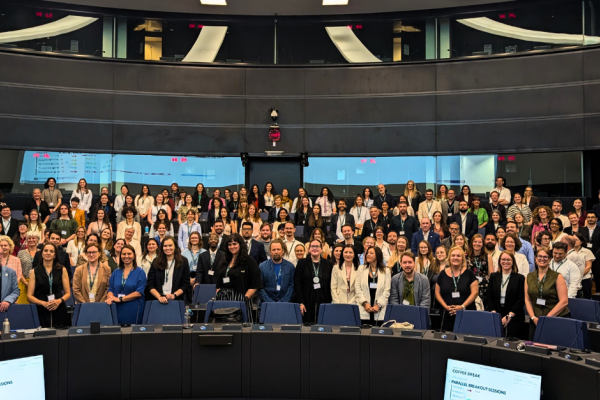
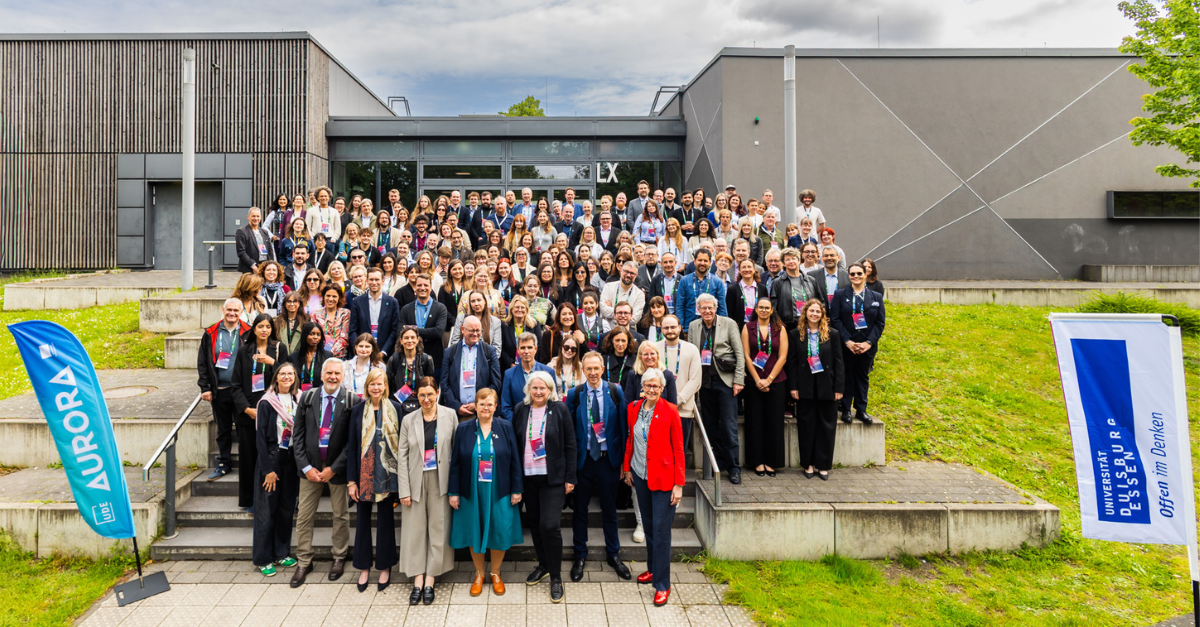
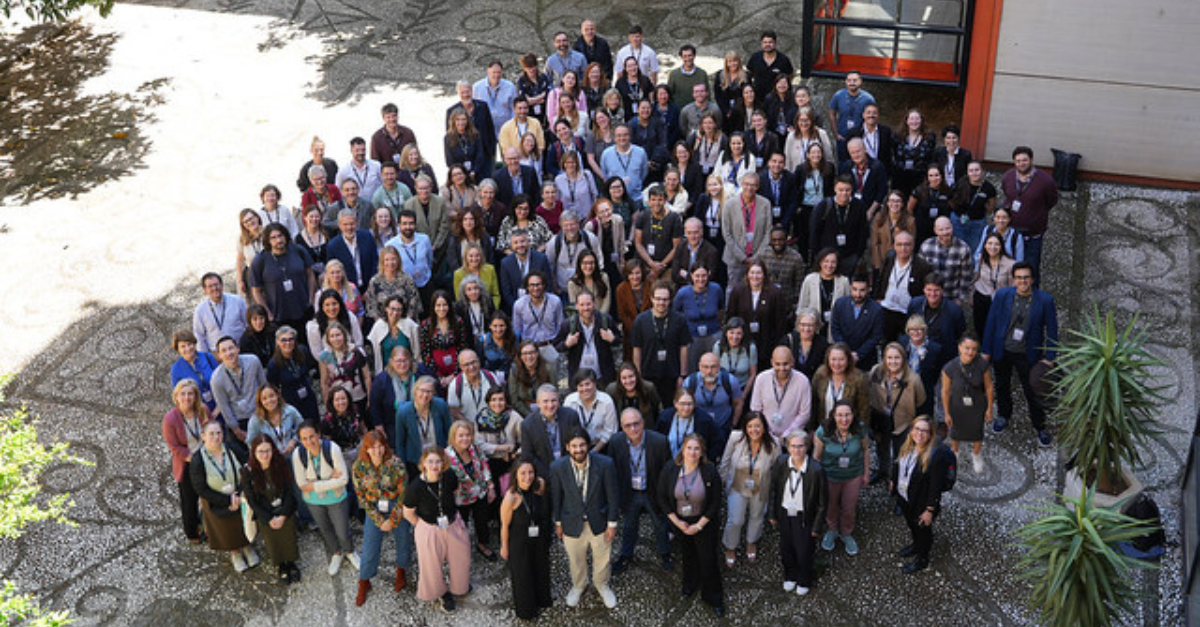
Participants of FOREU4ALL Workshop 3 “From Campus to Communities”
Building A Shared European University Community
Organised by the FOREU4ALL Community Engagement, and Communication and Dissemination Topical Groups, within which Aurora is actively represented, the event explored community engagement, inclusion, and the role of communication to further build a shared European Universities community and identity. Through keynote speeches, plenary sessions, poster presentations, and collaborative workshops, participants addressed one of the most important challenges faced by European Universities Alliances (EUAs): how to embed genuine connection and inculcate a sense of belonging for students, staff, academics and stakeholders involved within alliances as well as their institutions. Aurora representatives Aniza Pourtauborde and Anaïs Warda Kaci (Université Paris-Est Créteil), Alma Ágústsdóttir (University of Iceland), and Ulrike Jessner-Schmid (Universität Innsbruck), joined colleagues in discussions on building thriving communities that extend beyond individual campuses. During the poster session, Aniza and Alma presented the Aurora Student Ambassador programme, one of the cornerstones of student engagement in Aurora. As Head of Communications Strategic Programmes, Aniza stressed on the importance of working closely with the student community to raise visibility on the impact of the opportunities Aurora provides to students through its educational offers, international mobility, and involvement in Aurora governance structures. Former Aurora Student Council (ASC) President, Alma echoed this further by showing how student-led activities have strengthened the foundation of student engagement in Aurora. Through the ASC and the Student Ambassador programme, students from Aurora universities meet in-person twice a year to work on formal structures and practices that embed the student voice at every level in Aurora. During these meetings, students also exchange institutional best practices through peer-to-peer learning workshops.Engagement, Identity And Sense Of Belonging
A recurring theme throughout the workshop was that a sense of belonging cannot be created through communication campaigns alone. Attendees underlined shared values, and meaningful participation and opportunities, as criteria for personal connection. Discussions followed on moving alliances beyond administrative frameworks to create communities that inspire commitment, collaboration and a shared identity. Over the two days, participants brainstormed on the following themes during several parallel workshops:- Reinforcing the sense of belonging through values, interpersonal relations and Europe.
- Strengthening awareness, local visibility and understanding of European Universities Alliances.
- Overcoming mobility barriers, inclusion and diversity in EUAs.
- Improving motivation through formal recognition.
- Understanding the value of EUAs.
From Ideas to Action
One of the most productive elements of the workshops was the collaborative design process. Working groups developed practical prototypes aimed at strengthening engagement and community-building across EUAs. Proposed initiatives ranged from cultural and artistic projects, to innovative Blended Intensive Programmes, and shared research databases, networking activities and new approaches to communication and outreach. These proposals, along with other outcomes of the workshops, will be made available through the FOREU4ALL website. A critical point that emerged from this two-day event was the necessity for targeted and inclusive communication. Rather than relying solely on institutional messaging, alliances must engage professors, student representatives, alumni and local communities as ambassadors of the EUAs’ vision.Three Communities Of Practice Receive Inaugural Aurora Awards
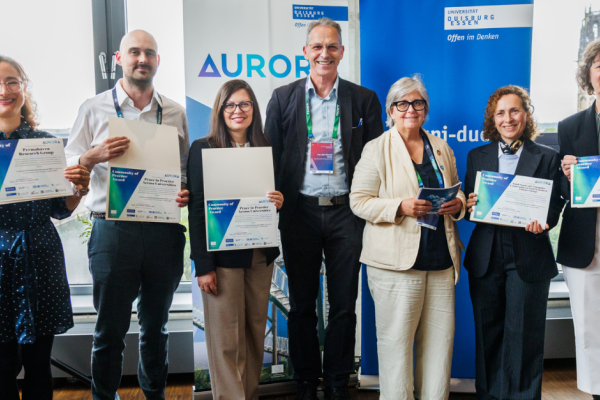
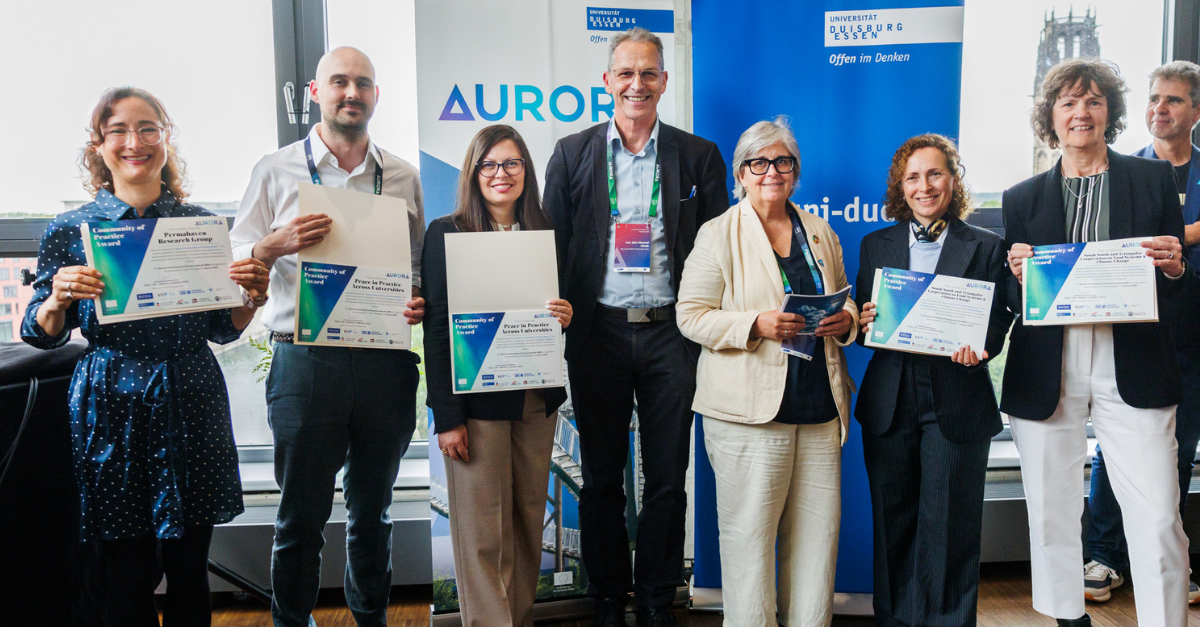
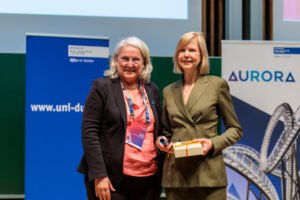
Laureates of the Aurora Communities of Practice Awards 2026. © Photo credit: eventfotograf.in
First-ever Aurora Communities of Practice Awards
Selected from ten recently registered communities of practice (CoPs), the winning teams were recognised for their strong alignment with Aurora’s core values and their demonstrated impact: Permahaven Research Group (PRG) Praised for its commitment to sustainability through deeply embedded collaboration between universities and their local communities, the PRG delivers tangible societal impact via regenerative, place-based learning environments. Through applied, experiential learning in permaculture-oriented urban gardens, these living laboratories connect students, staff, and community members, translating sustainability theory into collaborative practice. Word from the jury: “It is widely perceived as attractive and inspirational, engaging participants intellectually, socially, and emotionally.” Peace in Practice Across Universities This CoP stood out for its contribution to societal change-making, translating principles of peace, democratic participation, and global citizenship into collaborative educational initiatives and public engagement activities. Peace in Practice Across Universities gathers Aurora institutions to co-create research, teaching and engagement on peace and global citizenship. Its activities include policy dialogues, public seminars and challenge labs on conflict, democratic participation and intercultural understanding. Word from the jury: “It excels in collaboration and places peace and intercultural understanding at the center of inter-university collaboration in a time of heightened global polarisation and political divide.” South-South and Triangular Cooperation on Food Systems and Climate Change (SSTC-FSCC) SSTC-FSCC was recognised for its exemplary global collaboration model, fostering equitable partnerships between the Global South and North and addressing food systems and climate resilience through inclusive, participatory approaches. This CoP enables Aurora to act as a bridge for building sustainable partnerships, and promotes the use of innovating teaching and research methodologies, like Real-Life Learning Labs (RLLL) and Collaborative Online International Learning (COIL), thereby contributing to societal transformation, collaboration and sustainability. Word from the jury: “This CoP has a strong ethical positioning and real-world impact, is highly innovative in its approach to knowledge exchange, and reaches out to members beyond Aurora universities, and beyond Europe underlining the importance of a joint global approach to food security and climate change.”About the CoP Awards
The Aurora Communities of Practice Awards recognise outstanding achievements, innovative practices, and inspiring individuals or teams involved in Aurora’s CoPs. The awards aim to celebrate excellence, facilitate the exchange of best practices, and promote Aurora’s core values of collaboration, societal impact, and sustainability. Currently registered Communities of Practice include:- Permahaven Research Group (PRG)
- Peace in Practice Across Universities
- Supporting Doctoral Researchers and Supervisors
- The seizmic Community of Practice: Social Entrepreneurship Education, Impact Competencies, and Systemic Change
- Co-Creating Global Education: The Aurora Internationalisation of the Curriculum CoP
- INSIGHTS
- LOUIS: Learning Outcomes in University for Impact on Society
- Low-Dimensional Materials for Advanced (Bio)Sensing
- Aurora Research Managers
- South-South and Triangular Cooperation on Food Systems and Climate Change (SSTC-FSCC)
Students Contribute To Governance, Collaboration And Community Building in Aurora
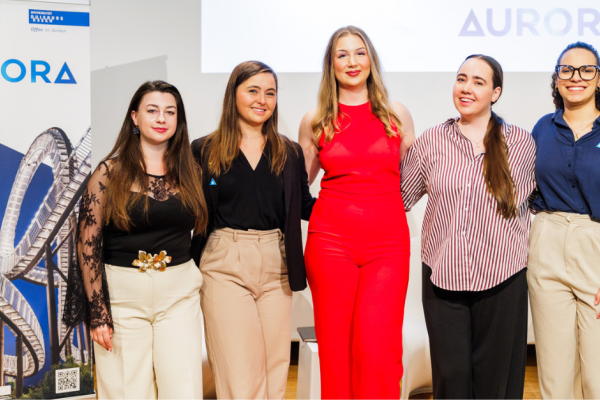
From left to right: Eliška Karasová, Emelie Schultz, Simona Gibalová, Alma Ágústsdóttir, and Erin Gourves. © Photo credit: eventfotograf.in
Student Voice In European Governance Frameworks
The plenary session at the Aurora Annual Conference 2026 brought together members of the Aurora Student Council (ASC), including ASC President Simona Gibalová (Pavol Jozef Šafárik University in Košice), ASC Vice-president Eliška Karasová (Palacký University Olomouc), ASC member Emelie Schultz (Copenhagen Business School), and former ASC President Alma Ágústsdóttir (University of Iceland). The session was moderated by ASC member Erin Gourves (Université Paris-Est Créteil). The panel highlighted developments in student governance within Aurora, including work on the Aurora Students’ Rights Charter as a shared framework across student cohorts, and the integration of Aurora student representation into broader European structures, particularly through the European Students’ Union (ESU). Speakers also discussed inter-alliance collaborations like FOREU4ALL, which brings together European university alliances to exchange on democratic student representation and the accessibility of student mobility. Panelists touched upon the European Student Assembly (ESA), a gathering of student representatives from various European alliances working on codes of conduct and governance frameworks to improve transparency.Peer Learning And Collaborative Exchange
Aurora Student Ambassadors and ASC members met on the final day of the conference to exchange practices across institutions, with a particular focus on onboarding processes and strengthening collaboration between universities within the alliance. Undertaken with the Aurora 2030 T7.2 Development of Aurora Student Community, the Peer-to-Peer Learning Workshop explored peer learning as a collaborative practice based on discussion, mentoring and reciprocal teaching. Students identified a range of effective tools and formats, including Menti, Kahoot, post-it exercises, Miro boards and structured feedback sessions, while noting that unmoderated breakout rooms tend to limit participation and reduce interaction.From Institutional Structures To Collaborative Student Communities
Both sessions converged on a shared observation: student engagement within Aurora is increasingly shifting from formal governance roles towards more co-creative and networked forms of participation and community building. Rather than being confined to institutional frameworks, students are actively contributing through peer learning, inter-university collaboration and informal exchanges that strengthen collective identity across the alliance. Strengthening support mechanisms, ensuring continuity and enabling sustained cooperation will therefore be essential in consolidating this ongoing development within Aurora.Dr. Margrethe Jonkman Elected As New Aurora President
The official Aurora Presidency handover took place during the 2026 Aurora Annual Conference, held in conjunction with the 10th anniversary of the Aurora network. The opening session marked this milestone by reflecting on and celebrating the longstanding collaboration among Aurora’s member universities. The conference was hosted by the University of Duisburg-Essen, Germany, and began on 18 May.
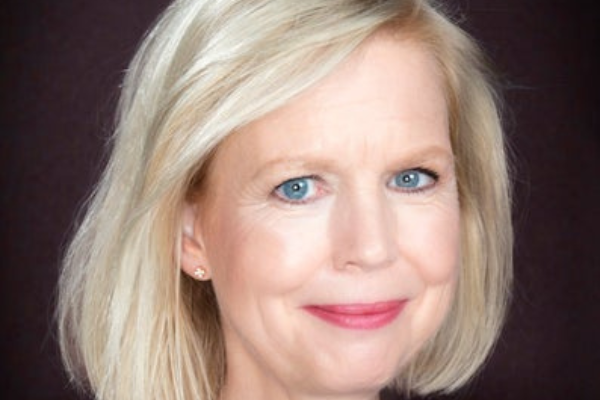
Margrethe Jonkman, Aurora President. © Photo credit: eventfotograf.in
During the conference, Margrethe highlighted the importance of sustaining strong inter-university collaboration in the context of rapidly evolving international and societal developments. Furthermore, the conference provided a platform for discussions regarding joint educational projects, knowledge exchange, and Aurora’s strategic direction leading up to the application for funding renewal in 2028.
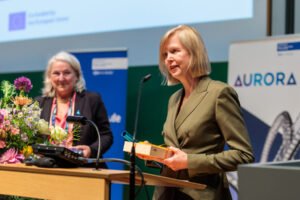
Left to right: Janette Walde, Vice Rector for Teaching and Students at Universität Innsbruck, and Margrethe Jonkman, Aurora President and President of the Executive Board of VU Amsterdam. © Photo credit: eventfotograf.in
Margrethe was kind enough to answer a few questions about her new appointment:
What are your main priorities as the new President of Aurora in the coming year?
I am grateful to my predecessors and all the work that has been done in the past ten years. My priorities for the coming year begin with securing the extension of Aurora’s flagship programme Aurora 2030, ensuring that its next phase continues to strengthen the values that unite our alliance. With our alliance we can further strengthen our university network, building on a resilient Europe. We see significant potential for our shared work on global citizenship—building on the energy generated by the symposium at VU in May—by drawing on the diverse innovative pedagogies that already distinguish Aurora. Take community service learning, Seizmic, LOUIS, and other collaborative educational initiatives across the alliance.In addition, I would like to explore opportunities to broaden Aurora’s international engagement, including the possibility of deepening connections with partners in the Global South, to reinforce and extend our European collaborations beyond Europe. Together, these priorities reflect my ambition to shape a network that is outward‑looking, socially engaged, and globally connected.
What challenges does Aurora face in delivering on its strategic priorities for diverse education, research innovation, and societal change?
Delivering on Aurora’s strategic priorities will, however, require navigating a number of significant challenges. Geopolitical tensions continue to affect academic cooperation and mobility, while budget cuts across universities place pressure on our capacity to innovate and sustain long‑term transformation. These realities make it even more important to maintain focus on our core mission: diverse, inclusive education; fostering innovation; and driving societal change. With Aurora we need to move forward with confidence and determination.
What is your favourite memory working in an international educational setting?
One of my favourite memories goes back to my student years, when I completed an internship in India. It was an eye-opening experience because it made me realise that the way I viewed challenges and opportunities was just one perspective among many. Working and learning in a different cultural context taught me to listen more carefully, question my assumptions, and appreciate different ways of thinking. That lesson continued throughout my later global role in a corporate environment. Collaborating with colleagues from diverse cultural backgrounds was not always easy, but it consistently broadened my perspective and helped me grow, both professionally and personally.
Read more about Dr. Margrethe Jonkman here.
Aurora backs stronger R&I budget in next EU framework
Aurora joined university networks from across Europe at a European Parliament event on 20 April 2026. Together with CESAER, Coimbra Group, The Guild, LERU, YERUN and other supporting organisations, Aurora discussed the future of EU research funding ahead of the next Multiannual Financial Framework (MFF) for 2028 to 2034.
Speakers called for an ambitious budget of 200 billion euros for FP10, the next Horizon Europe framework programme. The event made clear that Europe cannot afford to underinvest in research, innovation and talent.
Read the full event report to find out what was discussed and what the key takeaways were.
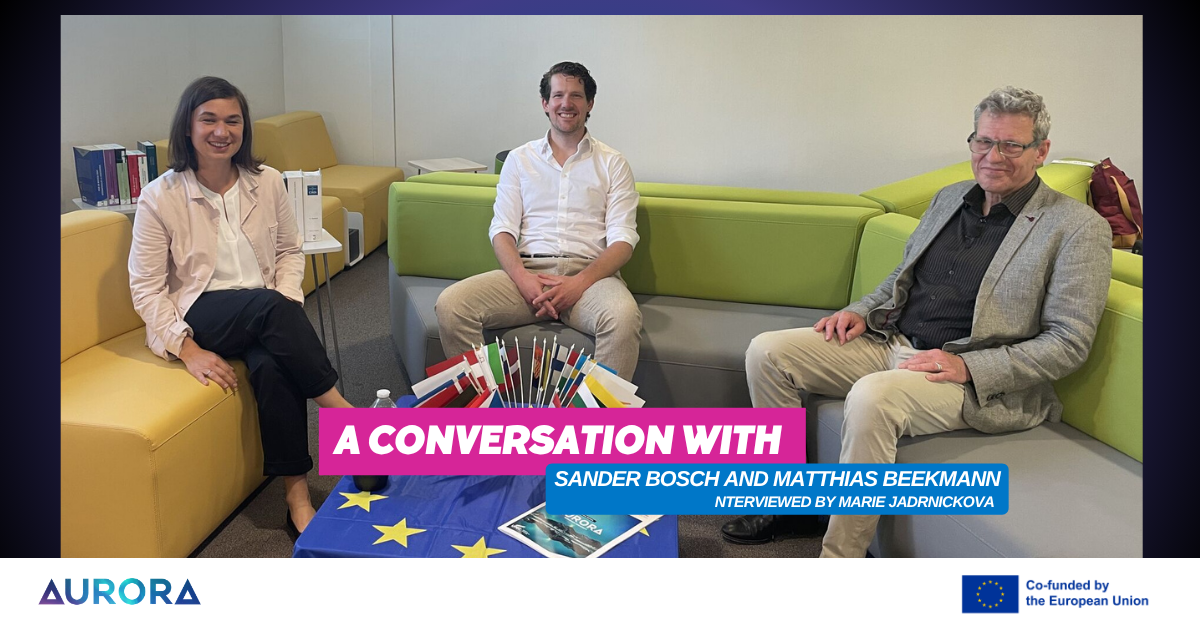
A Conversation With Matthias Beekmann and Sander Bosch: Research Communities, Open Science And Assessment Reform In Aurora
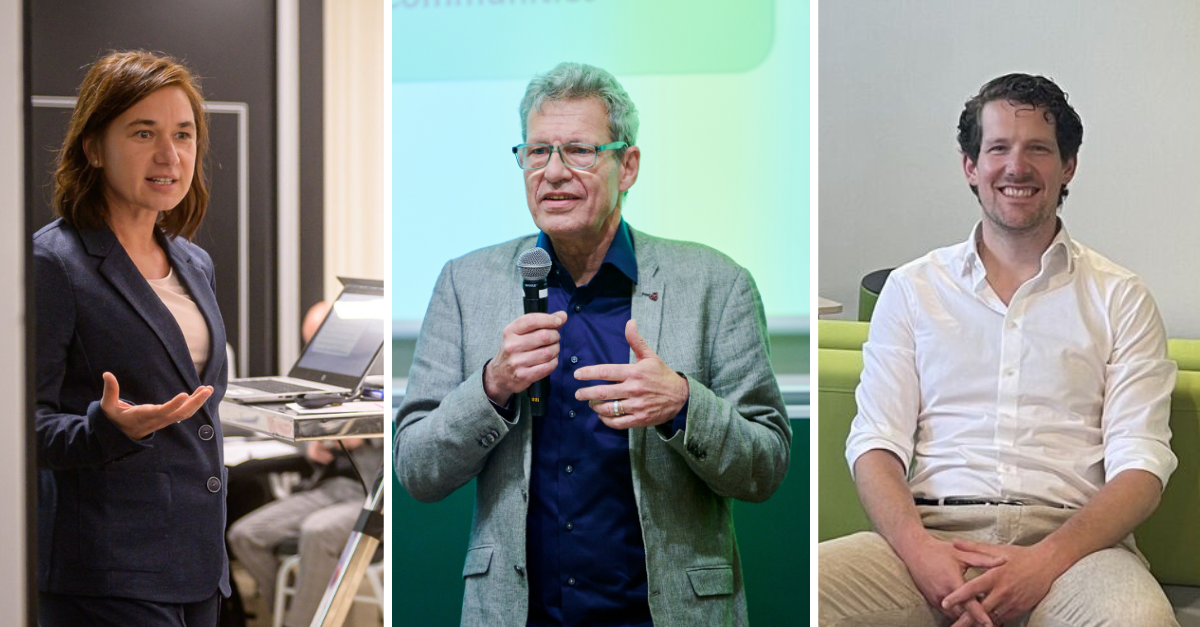
This conversation was led by Marie Jadrnickova, Aurora Research Officer at Palacký University Olomouc, combining learnings from the Horizon 2020 project – Aurora Research and Innovation for Societal Impact (Aurora R&I), and the European Universities Initiative – Aurora 2030. She speaks with Matthias Beekmann, President of the Aurora Research Council at Université Paris-Est Créteil (UPEC), and Sander Bosch, Open Science Coordinator at Vrije Universiteit Amsterdam.
Expanding The Scope And Culture Of Open Science
Over the past few years, initiatives undertaken within both projects have connected grant offices, HR teams, technology transfer units and experts in open and citizen science across Aurora. Marie: Aurora continues to build on its open science activities. Can you tell us what the starting point was and where we are now? Sander: Open science is a very broad concept and has been broadened over the past ten years from a focus on open access to publications to also sharing data and software. We are broadening the horizon of why we do this, also toward society, and that is where the open science agenda fits well with Aurora. Open science is a means to an end. We do not want transparency for transparency’s sake; we want it to connect better to society. Over the past few years, we have worked within Aurora to think about what needs to happen to make open science the norm and to connect it to society. We identified several areas of action: infrastructure to make it possible for researchers, students and staff to work transparently; support and training to give them the skills they need; and community building, as there are many enthusiastic people across our universities who want to learn from each other. Recognition and rewards, as well as policy, are also crucial. We cannot expect anyone to change their ways without recognising and rewarding the effort this requires. We have worked on a shared training platform, a monitor for assessment and the development of open science communities across Aurora universities.
Strengthening Research Collaboration Across the Alliance
Marie: Matthias, you are also creating a community. What kind of community are you trying to build? Matthias: In the first years of Aurora, we made good progress in creating communities at the governance level, at the research and administrative level and among students. Our new aim is to create a community of academic researchers and teachers and to make researchers work together. We launched a Call for Incentive Research Collaboration with the aim of making academics work together on small projects. We do not aim for finalised research but for small projects with new ideas that bring people together. We created the Aurora Research Council to evaluate these projects, with members from all nine universities. A question was how Aurora researchers could find colleagues in other universities. This now works well thanks to open science tools and the mapping of scientific infrastructures from the previous Aurora R&I project. These first steps turned out to be extremely helpful. Marie: You mentioned challenges related to mindset and institutional culture. Can you explain further? Sander: To work more transparently, you need to rethink what academia is and how you do research. This requires a transformational change at almost all levels of the university. Students need new skills, teachers must adapt, researchers must think about sharing their results throughout the research process, and administrative staff need specific expertise to support open metadata, open data and open software. Leadership also needs to support this and create policies to embed it. National context is crucial. If open science is not on the national agenda, it is difficult for single universities to change the system. This is a collective action problem: we need to move toward open science all or none. Within Aurora, we help each other by sharing what is already in place at different institutions.
Bridging Research, Teaching And New Approaches To Assessment
Marie: Limited funding often reinforces the separation between research and education. How difficult is it to connect educators and scientists, and how is Aurora addressing this? Matthias: Research and teaching need to go together. This is one of the foundations of the university because both can give positive impulses to each other. In Aurora, we have six thematic hubs meant to bring research and teaching together: Sustainability and Climate Change, Digital Society and Global Citizenship, Health and Well‑being, Culture: Identities and Diversities, Social Entrepreneurship and Innovation, and Peace Education. These thematic choices reflect Aurora’s values and focus on societal problems. We ask project leaders how they can integrate into these hubs, what they can bring and how their research can fertilise the hubs. In the future, we want to integrate a teaching component directly into the research call so that projects deal with both at the same time. Marie: How connected are the agendas of open science and open educational resources? Sander: Not enough. The principles underlying open science relate well to Aurora’s values of science as a collective benefit and science for equity, diversity and inclusion. But research and education are often governed in silos, even though most teachers are also researchers and most researchers also teach. Adding an educational component to the research call is a good way to connect them. Marie: Aurora is also paying attention to the reform on research assessment known as CoARA. How is it related to open science? Sander: There is general discontent with the way we assess research. People are often promoted based on research outputs and publications, while academic work is much more diverse. More than 450 institutions have signed the coalition for advancing research assessment. This is a collective action problem; we can only do this if we work together. One requirement for open science is changing research assessment and making it broader. Matthias: Within Aurora, we conducted interviews with university representatives to understand current practices and future plans for implementing CoARA. We focus on recruitment and evaluation of academic personnel. The aim is to move toward more qualitative criteria that take into account investment in open science, society‑related questions, science mediation and citizen science. These criteria need to be included in researchers’ evaluation. Qualitative evaluation requires peers, so one idea is to form a group of people within Aurora who could serve as external members of evaluation boards in partner universities. So that is a really concrete first step that we share practices within Aurora and then qet some internationalization also into this part of our university life. This conversation is part of a series called “A Conversation With…” undertaken within the framework of the Aurora 2030 programme supported by the European Commission. It is an interview format that focuses on a specific topic and is meant to inspire its readers to reflect on and catalyse positive impact. The exchange is available in its original format on the Aurora YouTube channel.Aurora At Majáles Olomouc 2026: Connecting Students, Ideas And Communities
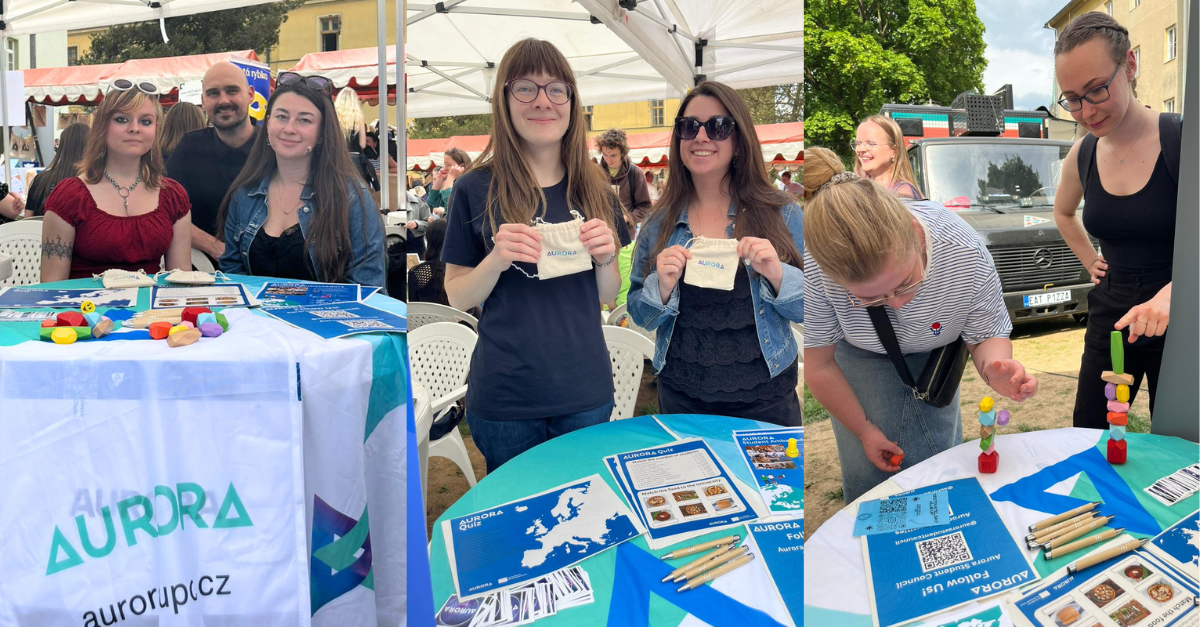
From left to right: Andrea Hupková, Niels Hexspoor, Eliška Karasová, and Kristýna Raimerová.
Majáles provided a unique opportunity for the Aurora office at the Palacký University Olomouc (UP) to present Aurora to students and the wider public, while also engaging with other local organisations and student initiatives. The festival atmosphere was full of energy, openness, and inspiration, making it the perfect space for networking, sharing ideas, and building new connections within the student community.
Aurora was represented at all levels by Niels Hexspoor, Aurora Sustainability and Impact Leader and Aurora 2030 Capacity Building and Community Engagement Lead, Eliška Karasová, Aurora Student Council (ASC) Vice-president, Kristýna Raimerová, ASC Secretary, and Andrea Hupková, Aurora Student Ambassador.
Thanks to the organisers of Majáles Olomouc, Aurora had the opportunity to participate in this meaningful event, exchange with many inspiring people, and experience the lively spirit of the May celebrations in Olomouc.
Aurora Annual Conference Highlights Path From Academic Research To Entrepreneurship
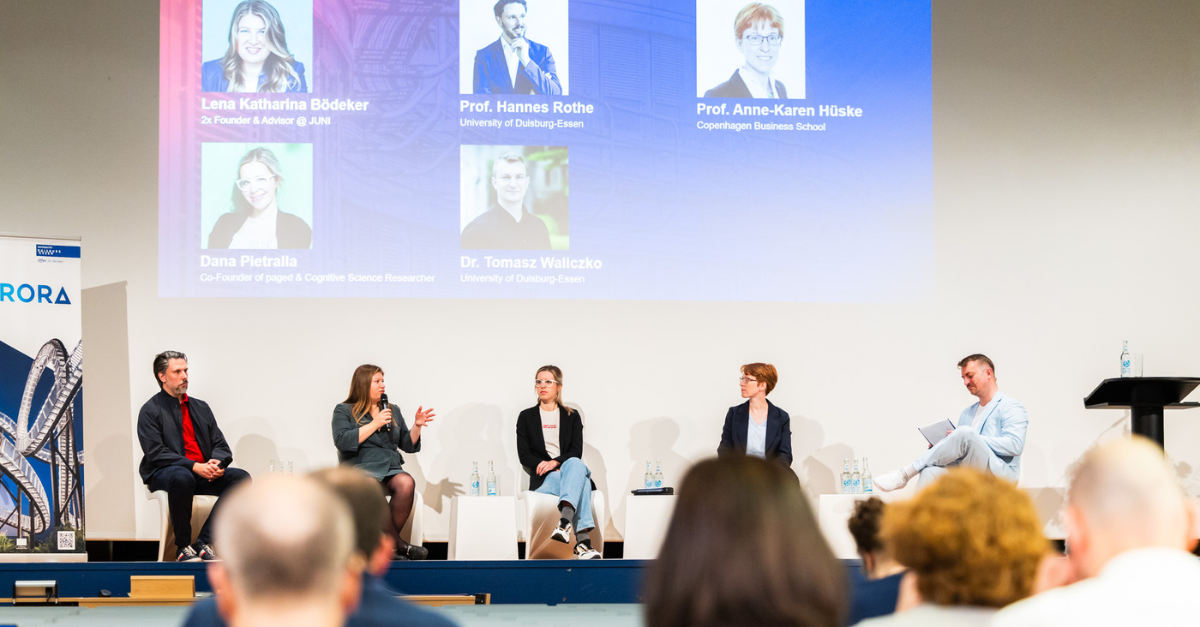
From left to right: Prof. Dr. Hannes Rothe, Lena Katharina Bödeker, Dana Pietralla, Prof. Anne-Karen Hüske, and Dr. Tomasz Waliczko. © Photo credit: eventfotograf.in
At the Aurora Annual Conference 2026, experts from academia, entrepreneurship, and innovation ecosystems, explored how researchers and students can be better supported in turning knowledge into societal and economic impact. The panel featured Prof. Dr. Hannes Rothe, Professor and Chair of Sustainability and Innovation in Digital Ecosystems at the University of Duisburg-Essen (UDE); Lena Katharina Bödeker, twice Founder and Advisor at JUNI; Dana Pietralla, Co-founder of paged and Cognitive Science Researcher; and Prof. Anne-Karen Hüske from Copenhagen Business School (CBS). The plenary session was moderated by Dr. Tomasz Waliczko of UDE.
At The Intersection Of Academia And Entrepreneurship
Prof. Dr. Hannes Rothe highlighted the importance of helping doctoral candidates and postdoctoral researchers translate scientific knowledge into entrepreneurial opportunities. While advocating for stronger entrepreneurial engagement, he also emphasised the continuing importance of curiosity-driven research, noting that today’s fundamental discoveries can become tomorrow’s breakthrough innovations. He further stressed the value of exposing students to entrepreneurship early in their academic journey and proposed more collaborative, interdisciplinary problem-solving initiatives that bring students together to address societal challenges. Drawing on experiences from Berkeley and New York University, Dana Pietralla discussed the mindset shift required to move from academia into business. She encouraged researchers and students to start by identifying a societal problem before developing solutions, ensuring that innovation serves a broader purpose. According to Pietralla, universities play a crucial role in bringing knowledge into the real world, enabling science and business to work together to address pressing societal challenges. She also highlighted the importance of learning to assess risk and having the courage to pursue entrepreneurial opportunities.Addressing Practical Challenges And Stakeholder Management
Lena Katharina Bödeker focused on the practical challenges academics face when becoming entrepreneurs. She noted that researchers often possess strong problem-solving capabilities but may lack the entrepreneurial skills needed to bring ideas to market. Successful innovation, she argued, requires balancing technical feasibility, market viability, and user desirability. Bödeker also emphasised the importance of support structures such as pitch training, mentorship, partnerships, and access to entrepreneurial networks. She further advocated for creating stronger role models and clearer entry points for students interested in entrepreneurship. Prof. Anne-Karen Hüske highlighted the critical role that stakeholder management plays in the entrepreneurial process. She stressed that founders must balance the interests and perspectives of customers, investors, partners, and society to build sustainable ventures. The discussion also addressed the need for cultural change within universities, encouraging entrepreneurship as a viable pathway alongside traditional academic careers.Universities For Entrepreneurial Ecosystems
The panel further explored how universities can strengthen entrepreneurial ecosystems by connecting students and researchers with incubators, startup factories, investors, public funding opportunities, NGOs, and industry partners. Speakers agreed that effective ecosystems require more than financial support; they also need to provide access to networks, expertise, prototyping facilities, infrastructure, guidance, and regulatory support. Another key topic was inclusivity in entrepreneurship. The discussion highlighted the challenges women and underrepresented groups often face in securing investment and the need for investors to embrace calculated risk-taking to support diverse founders and innovative ideas. The session concluded with a shared vision: universities have a unique opportunity to empower the next generation of innovators by helping transform research, ideas, and knowledge into solutions that create meaningful societal impact.Aurora Annual Conference 2026 Charts Future Of European Higher Education While Celebrating A Decade Of Collaboration
Participants from 15 Aurora universities across Europe and Canada. © Photo credit: eventfotograf.in
Over four days, academics, students, staff and stakeholders, engaged in plenary sessions, workshops, strategic meetings, and networking events designed to address some of the most pressing challenges facing higher education. Numerous exchanges focused on how universities can strengthen their societal impact, foster innovation, support student engagement, and build trust in science in an increasingly complex global environment.
Building A Future Of Trust
A central theme throughout the conference was the role of universities as trusted institutions. In the opening keynote, renowned science communicator and chemist Dr Mai Thi Nguyen-Kim addressed the challenge of communicating science in an era of information overload and declining public trust. Her presentation sparked discussions on how universities can engage more effectively with society, combat misinformation, and strengthen public confidence in research and evidence-based decision-making.Marking Milestone Moments And Achievements
One of the highlights of the Opening Ceremony at the Aurora Annual Conference 2026 was the handover of the Aurora Presidency to Dr Margrethe Jonkman, President of the Executive Board of Vrije Universiteit Amsterdam. In her first address as Aurora President, Jonkman highlighted the importance of strong collaboration among Aurora universities in a rapidly changing international landscape and emphasised the commitment to joint education, knowledge exchange, research cooperation, and societal impact. The opening also featured the seizmic Awards 2025, an initiative that rewards students’ engagement for societal impact through their social entrepreneurship and innovation projects. This year, Project SavEat took the grand prize and was lauded for its practical solution to food waste in Naples, Italy.Aurora Releases Its First Economic Impact Report
A Comprehensive View Of Aurora’s Economic Footprint
The Economic Impact Report was commissioned under the framework of the Aurora 2030 programme within the Holistic and Strategic Approach to Impact task team (TT10.3). The objective is to assess their aggregate contribution to Aurora and to demonstrate the added value of a European university alliance for its member universities. Based on extensive data collection across all nine institutions, the analysis highlights Aurora’s role in strengthening skills development, catalysing innovation, enabling student mobility, and engaging regional ecosystems. Learning represents the largest share of Aurora’s impact. The 59,880 graduates of 2024 are expected to generate €7.3 billion in lifetime productivity gains, underlining the alliance’s emphasis on research-driven education and professional learning. Internships organised throughout the network accounted for an additional €236 million in GVA, further strengthening employability and collaboration with external partners. Research valorisation also plays a significant role, contributing €1.1 billion in GVA through licensing, consultancy, commissioned research, and the creation of around 240 spin-outs and start-ups.. Science parks and incubators hosted by Aurora universities further reinforce regional innovation ecosystems and long-term societal impact. Students are another key driver of Aurora’s economic footprint. With 274,410 students enrolled across the alliance, their spending and part-time employment delivered €6.0 billion in GVA and supported tens of thousands of jobs across Europe. Volunteering activities add further social value, reinforcing the strong civic engagement of Aurora’s student communities. Aurora’s operational activities complete the picture. With 33,970 employees, a combined annual income of €3.8 billion, and €901 million spent on goods and services, member universities accounted for €6.2 billion in GVA through their core operations. Tourism linked to university events and visits provided additional economic benefits to regional economies. “Coordinating this analysis was a real challenge,” said Matthieu Danteny, Deputy Head of the Strategy and Major Projects Unit at UPEC. “Collecting such diverse data from the nine universities required strong collaboration, and we played a central role in supporting this work with BiGGAR Economics. Despite complex timelines, the alliance met its deadlines and the report was successfully delivered.”Strengthening Aurora’s Long-Term Contribution to Europe
Even though Aurora has been part of the European Universities Initiative for only six years, the report already highlights early signs of added value through shared structures, increased mobility, and collaborative research. These findings provide a foundation for future monitoring and further supports Aurora’s contribution to the European Education Area. Ilyas Kenadid, Head of the Strategy and Major Projects Unit at UPEC, said: “Members of task team 10.3 are proud to deliver the first-ever economic impact study conducted for a European university alliance. In partnership with BiGGAR Economics, we have spent the past two years designing a robust framework to capture both the economic contribution of Aurora universities and the added value generated by the alliance. While the added value stemming from the Aurora network is already showing initial benefits, this study represents only the first step towards a more holistic and longitudinal assessment of Aurora’s broader impact across all of our activities.” As the alliance continues to develop, its collective impact is expected to grow further, reinforcing cooperation across institutions and supporting more integrated approaches to education, research, and societal engagement.Looking back at the Aurora Symposium on Global Citizenship
Day 1: Opening Symposium and Keynotes

Day 2: High-level Panel 1 – How Universities Contribute to the Development of Global Citizenship and Community Engagement

Day 3: High Level Panel 2 – The Role of Universities in Peace and Justice
Aurora Joins Sector-Wide Call for Adequate Erasmus+ Funding
Aurora has joined sixteen other higher education organisations in responding to the European Parliament’s draft report on the 2028-2034 Erasmus+ programme.
The joint statement welcomes the CULT Committee’s ambition, particularly its call for a €47.39 billion budget, but flags a critical concern. The proposed budget share for education and training would represent a reduction of up to ten percentage points compared to the current programme. That would limit mobility opportunities and undermine targets that member states have already committed to.
Aurora supports the sector’s call on the European Parliament to restore the education and training budget share to its current level.
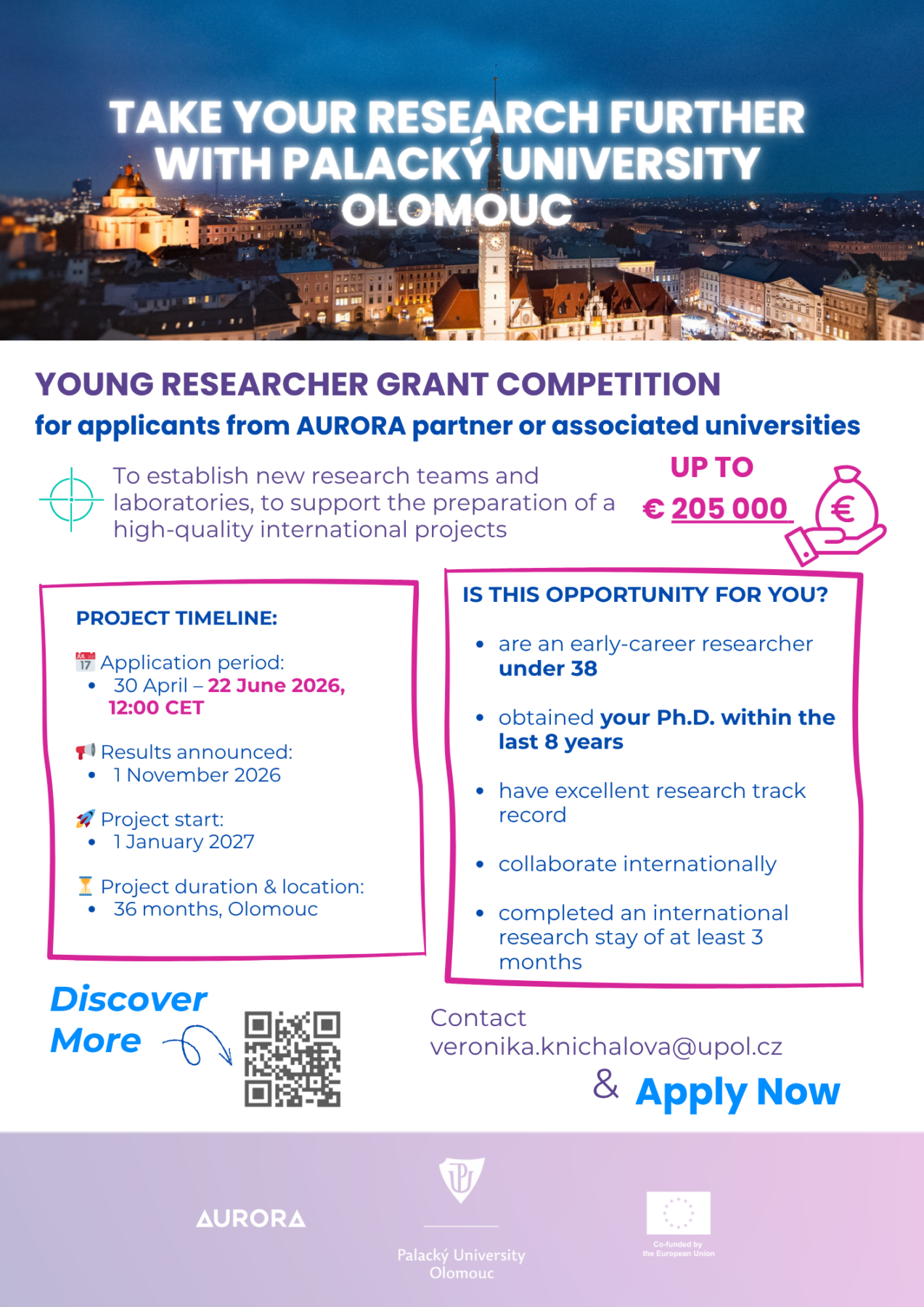
The signatories are:Palacký University Olomouc Opens Its Unique Long-standing Young Researcher Grant Scheme to Aurora Universities
About the UP Young Researcher Grant Competition
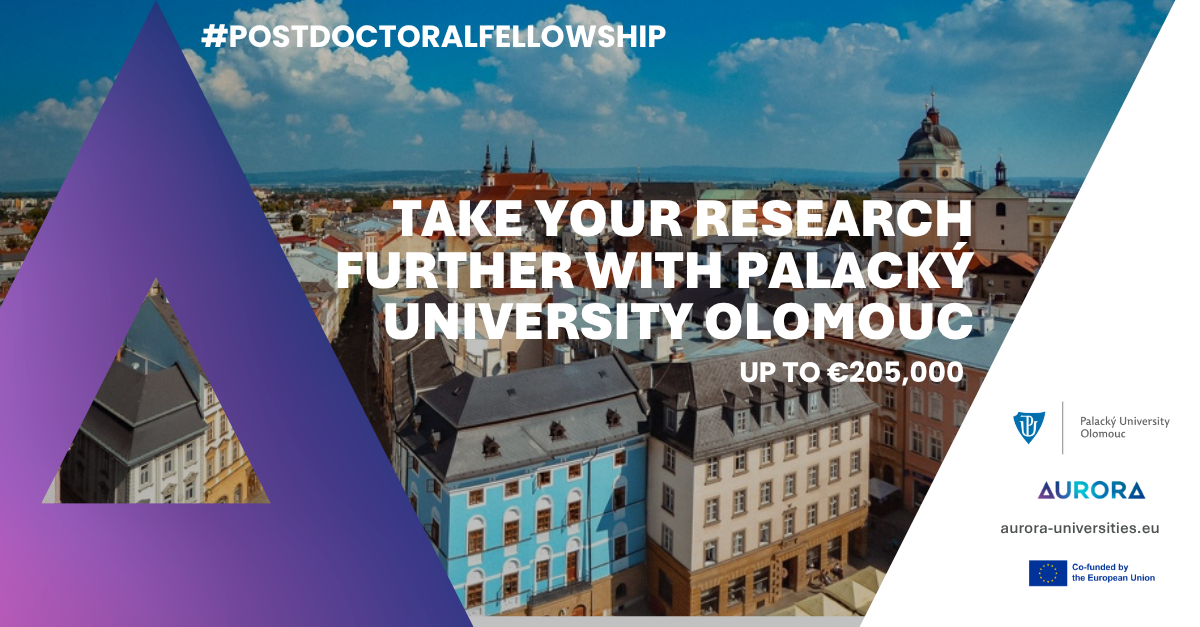
After five successful years of supporting outstanding young scientists at Palacký University Olomouc (UP), the Young Researcher Grant Competition is now opening its doors to researchers from Aurora universities. The funding scheme was created to help talented early-career researchers establish independent research careers, build new research teams and laboratories, and prepare ambitious international research projects. Over the past six years, the programme has become an important part of UP’s strategy for supporting scientific excellence and attracting promising researchers from around the world. The competition offers funding of up to €205,000 per project and is designed specifically for excellent young scientists with strong academic potential and international experience. Conditions for applicants:- Must be under 38 years of age
- Have obtained their Ph.D. within the last eight years
- Have completed an international research stay of at least three months.
Exploring Collaboration And Impact In European Universities Alliances With FOREU4ALL
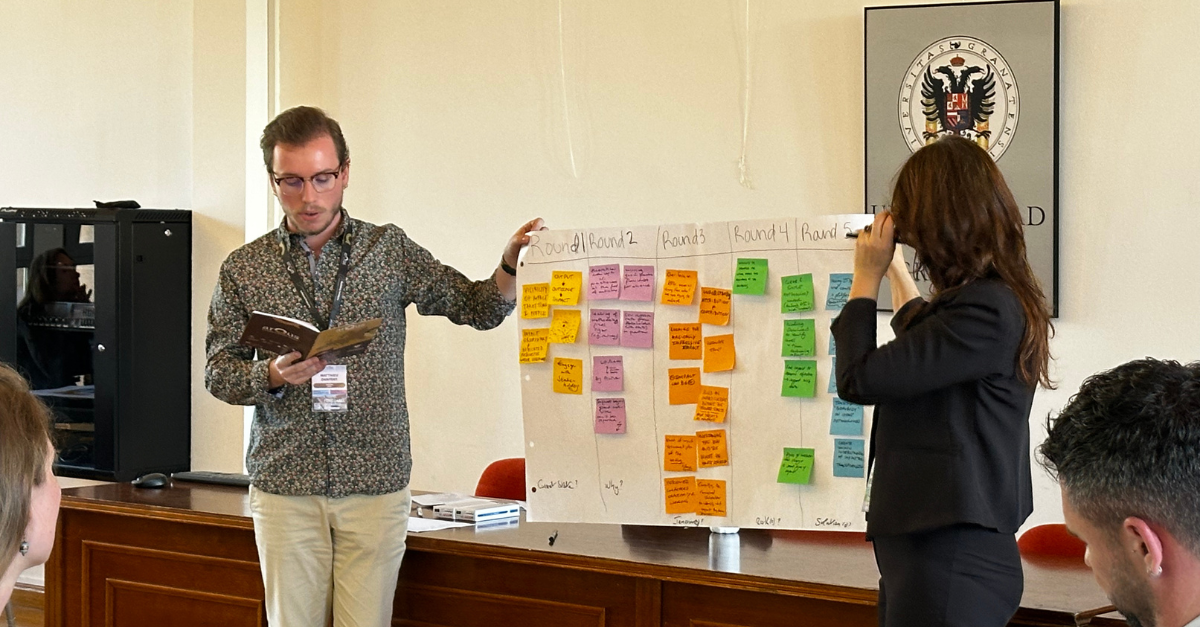
Restitution of a collaborative workshop on impact by Matthieu Danteny
Stepping Into A Shared European Space Of Exchange
This event was an opportunity to step outside the day-to-day project environment and engage directly with peers facing similar challenges across Europe. From the very beginning, what struck me was the openness of the discussions. The workshop created a space where participants from different alliances could speak freely about what works, what does not, and what remains difficult when it comes to linking project management with impact. Rather than formal presentations, many of the exchanges took shape through interactive formats, which made it easier to engage with others and compare approaches in a very direct way. It quickly became clear that, despite institutional differences, many of us are working with similar constraints and trying to answer the same questions.Learning From Others’ Approaches To Impact
One of the most valuable aspects of the workshop was the opportunity to observe how other alliances approach impact in very practical terms. Discussions on data collection, planning, and reporting revealed a wide variety of tools and methods, some of which offered interesting perspectives for our own work within Aurora. What stood out to me most was the idea that impact is not only something to be reported at the end of a project, but something that needs to be considered continuously throughout its implementation. This shift in perspective was reinforced through the exchanges with colleagues from other alliances.Turning Exchange Into Perspective
Beyond the technical discussions, what I took away most from this experience was the value of collective reflection. Being able to discuss openly with peers across Europe made it easier to step back from operational constraints and look at broader patterns in how alliances function. The workshop also highlighted the importance of combining different types of understanding when working on impact, not only quantitative indicators, but also shared interpretations and qualitative insights. Tools in impact assessment are also game changers That’s what I learned from various discussion with impact manager from other alliances, and from the poster they made. Thanks to the workshop about this topic, I left the event with new tools, and ideas to improve our own impact assessment.
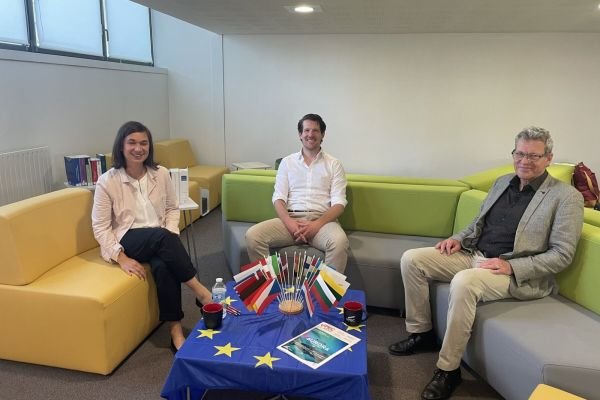
FOREU4ALL Workshop 2 participants at the Universidad de Granada