
Digital Society & Global Citizenship
Our interdisciplinary approach combines expertise in computer science, social sciences, law, ethics, and business. On the one hand to leverage digital technologies for business, societal impact and resilience; on the other hand to tackle critical challenges from algorithmic bias and digital divides to privacy concerns and the responsible development of artificial intelligence. We prepare graduates to become socio-digital innovators: leaders who can design technological solutions that are not only effective but also equitable and socially responsible.
In partnership with the Aurora pioneering DIGISOC European Joint Master programme, we are building the educational infrastructure for Europe’s digital future – one that empowers citizens to participate fully in democratic society and equips them with the critical thinking skills essential for navigating an increasingly connected world.

Featured

Educational Offers
‘News production and citizenship‘ is about the dynamics of public debate in which social issues are – often heatedly – debated.
Topics vary in terms of impact (e.g. war in Gaza or war in Ukraine versus the Eurovision Song Contest), scope (municipal elections in the Netherlands versus presidential elections in the US), tone, duration and so on. But the debate is always dynamic and often proceeds unpredictably.
This subject looks at different parties trying to influence public debate: journalists, politicians, other stakeholders or news sources, and the public. We analyse how these different actors shape the news and influence the dynamics in public debate. We try to get a grip on the dynamics, through theory and research. In our network society, interest groups, organisations, companies and political parties and journalists compete for attention, for what is true or false (think fake news), what is important or related to what.
This subject combines a theoretical elaboration of these themes with a study of journalistic practice. Students are challenged to apply theoretical concepts and insights to journalistic stories. In this way, students also contribute to shaping public debate themselves.

Opportunities
EURIDICE Project – European Inclusive Education for Digital Society
Funded by the EU Digital Europe programme of which a number of Aurora Universities are in the lead, brings together 25 partners including universities, research centres, and companies from 10 countries. The project enhances teaching competencies, develops professional training programmes, and creates pathways for lifelong learning in digital skills and global citizenship.

Research
Aurora Research Conference on Digital Society and Global Citizenship
An interdisciplinary research initiative bringing together scholars from computer science, social sciences, information sciences, law, anthropology, psychology, artificial intelligence, and ethics. The conference series shapes the research agenda for our joint educational programmes and fosters collaboration across Aurora universities.
News
Find out the latest news and events happening within our Digital Society & Global Citizenship educational hub.
Lead Team

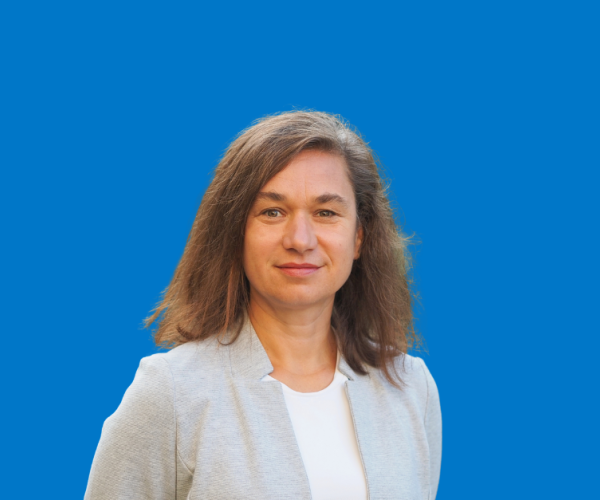
Dr. ir. Silvester Draaijer
Vrije Universiteit Amsterdam
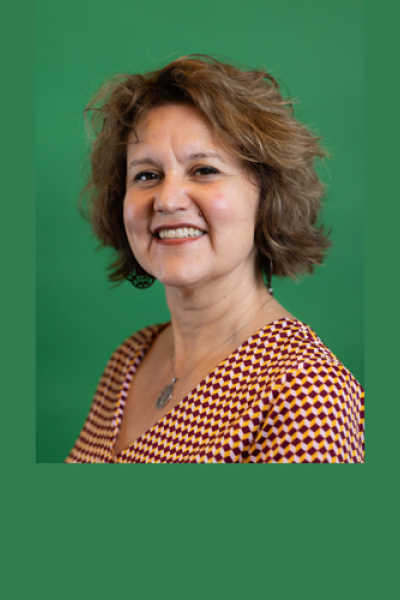
Maiza Campos Ponce
Vrije Universiteit Amsterdam