News
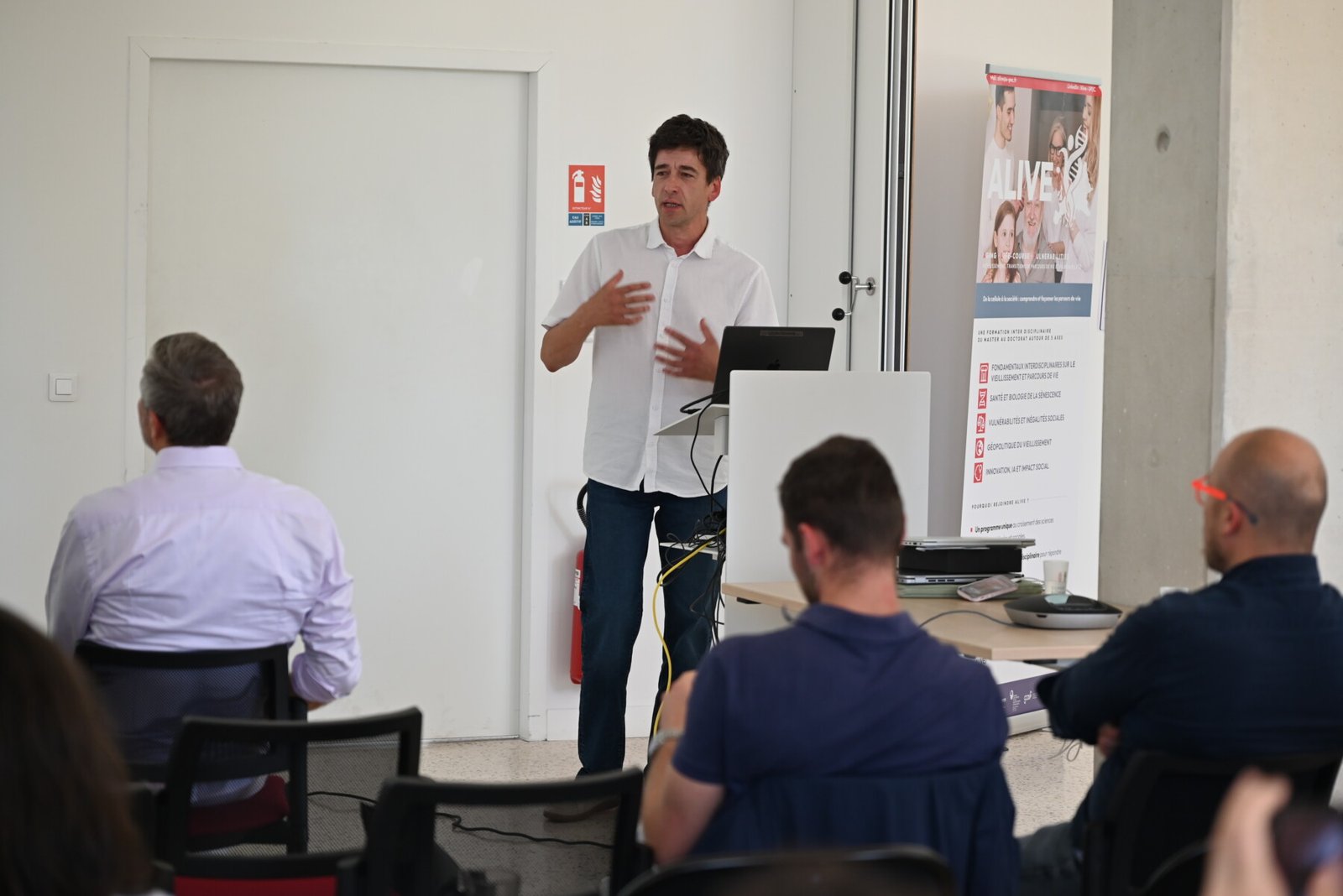
On 25 and 26 September 2026, Université Paris-Est Créteil (UPEC) held a Summer School with aging as the main topic. Two days to better understand the aging mechanism and provide further explanations.
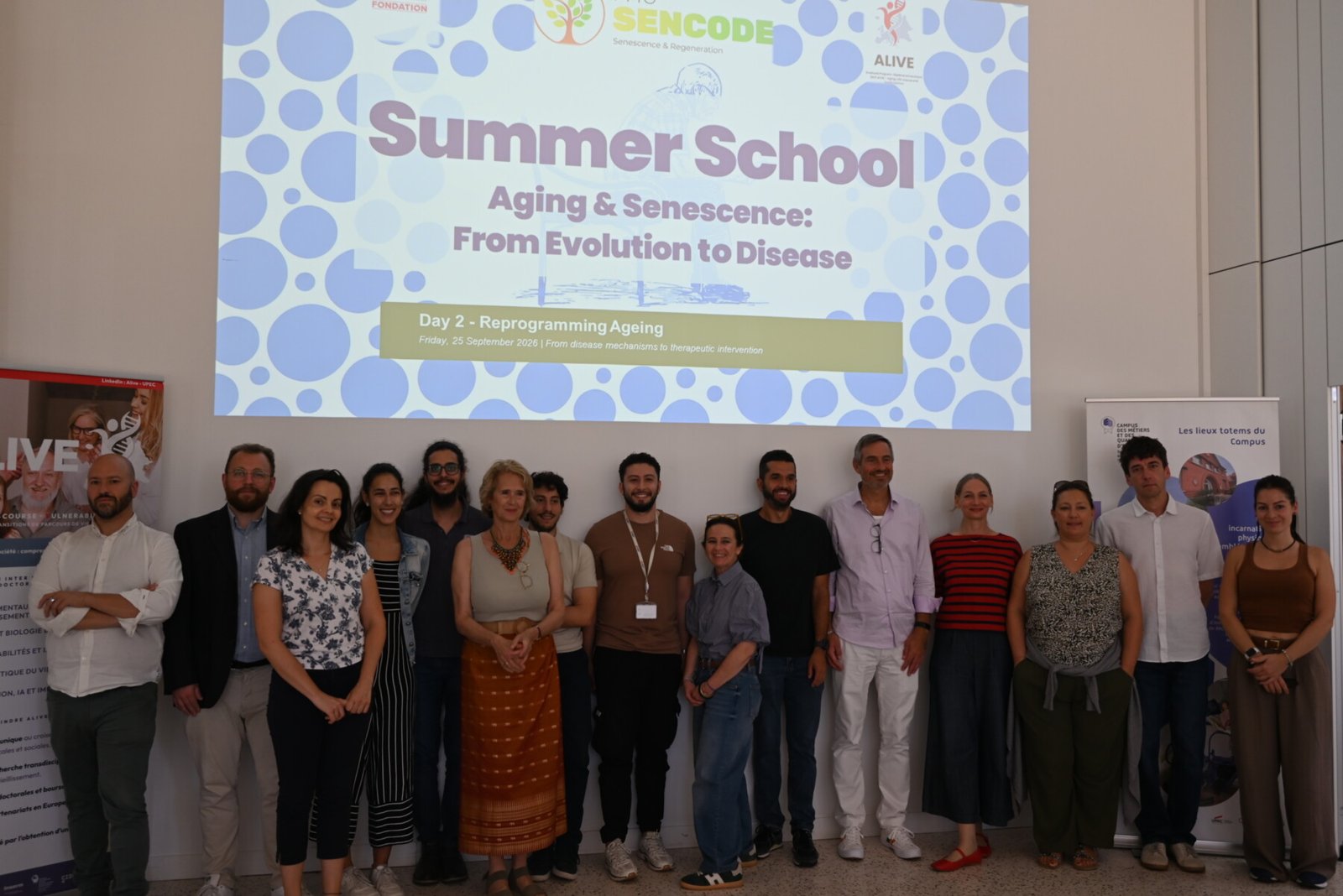
Population aging is one of the biggest scientific, medical, and societal challenges of our time. Despite significant progress in research, biological mechanisms that determine why and how we age are yet to be understood. Over two days on the UPEC campus in Créteil, France, researchers who are working vigorously on this topic highlighted essential discoveries and important medical advances in the field.
Scientific And International Event
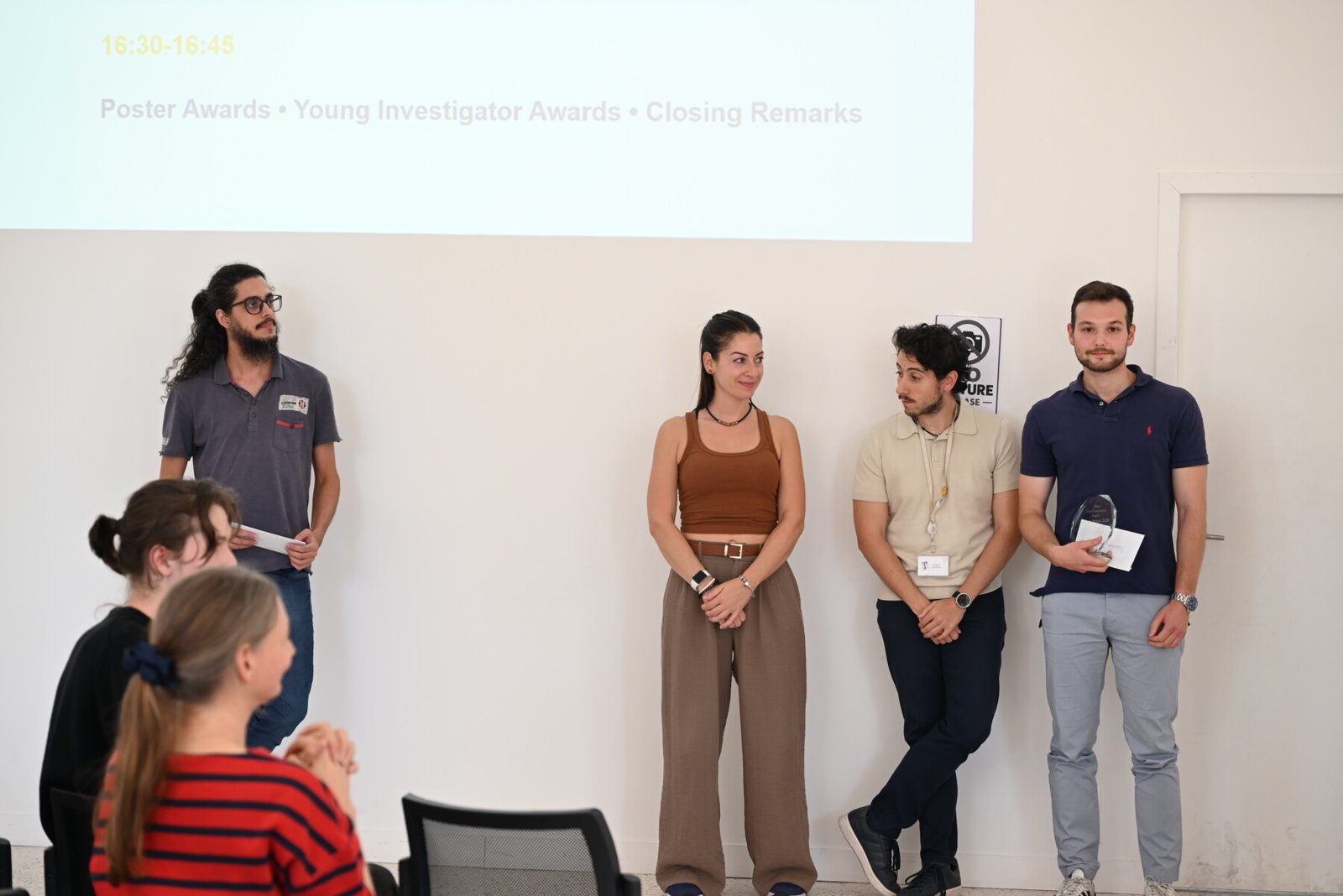
This fifth edition of the Summer School (created within the EUR LIVE project) was built within the Aurora Health and Well-being Hub, together with the support of the UPEC Foundation, FHU SENCODE and ALIVE programme / Chair in Life Trajectories. The event was outlined with scientific conferences, junior researcher presentations, poster presentations, collaborative discussions and more.
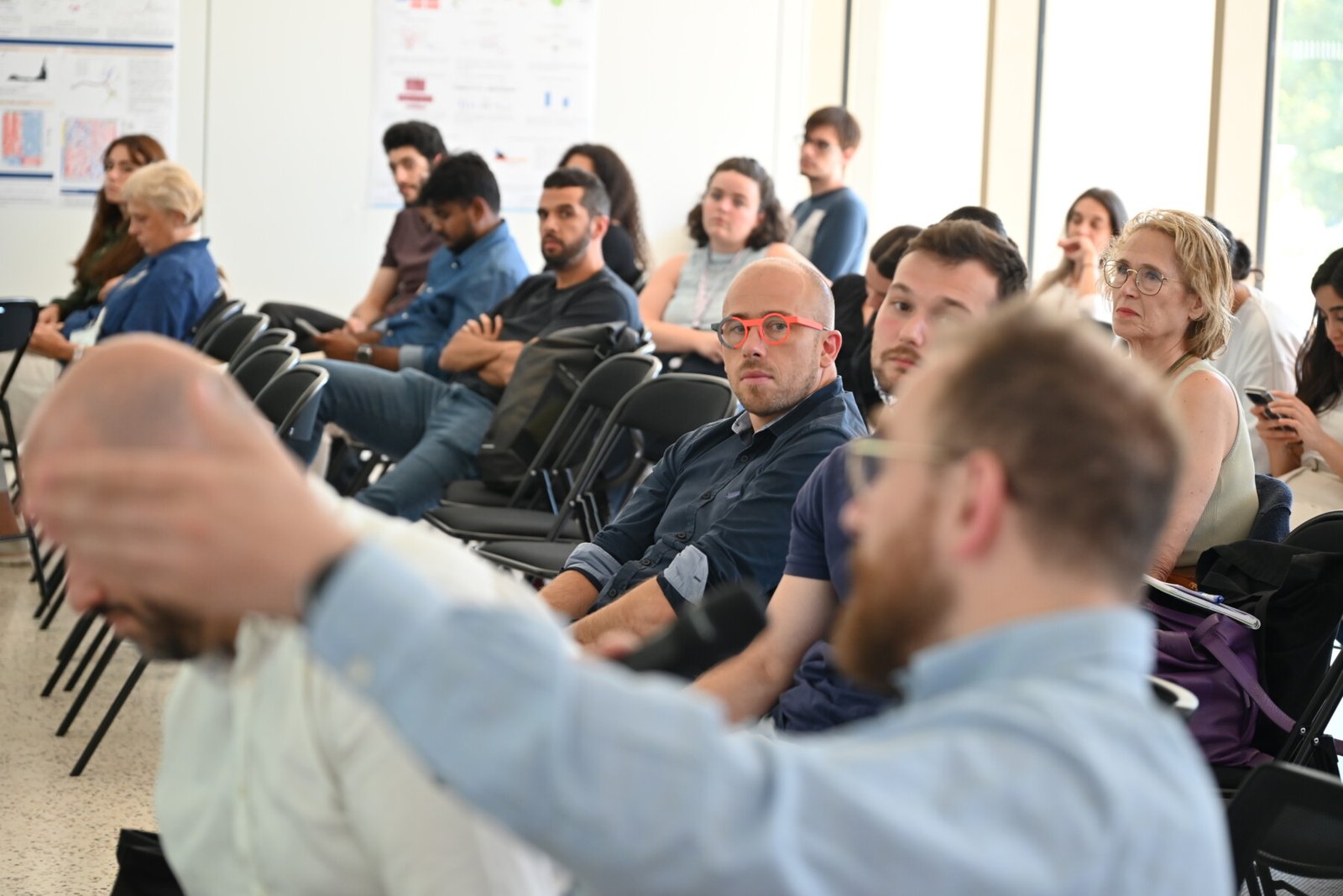
Day one was dedicated to the understanding of fundamental cellular aging mechanisms and their outcomes on human organs and diseases. Day two focused on therapeutical strategies, aging progression and good health lifespan perspectives. Roughly 150 participants attended this Summer School with 60 students, ranging from Master to PhD degrees. The international structure of the event was an important element, with speakers coming from several European countries and also from the USA and Israel.
Aurora Network At The Service Of Research
Scientific speakers from two Aurora universities contributed during the event. Professor Pasquale Maffia (Università Federico II of Naples – UNINA), University of Glasgow, presented his researche on premature cardiovascular aging in Africa, spotlighting the connection between infection and immune activation and cellular senescence. Professor Blanca Deusdad, Universität Rovira i Virgili (URV), brought an additional perspective on human and social aspect of aging, especially using robotic technologies when taking care of elders.
“These inputs show what the Aurora network brings: a multi-disciplinary exchange place between European universities, researchers that go in the same direction to work on the same societal challenges,” said Lina Penagos, PhD, lecturer and researcher at the AEI international School (UPEC), and Co-lead of the Aurora Health and Well-being Hub.
A “Winter School” Underway
- Biology of aging
- Social science and public policies
- Geopolitics of Health
- Innovation, AI and silver economy