News
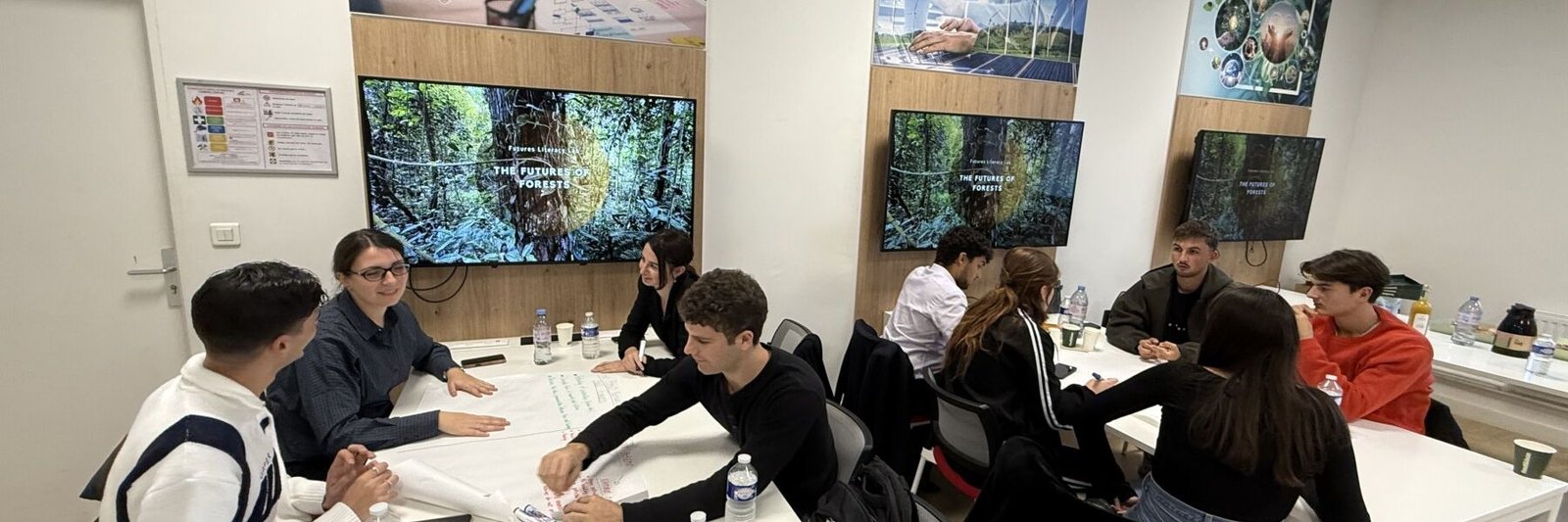
Students from five Aurora universities gathered at the AEI International School of Université Paris-Est Créteil (UPEC) in France, to participate in a one-week Blended Intensive Programme (BIP) on the bioeconomy of sociobiodiversity in the Amazon rainforest.
A year after COP30 in Belém, Brazil, the Amazon remains at the heart of ecological debates. Some of these questions are about how to use the rainforest without destroying it. Açaí, cacao, Brazilian nuts, oils and fibers come from the Amazon and are locally produced. Bioeconomy of sociodiversity refers to the economy arising from these products while respecting the rainforest and also leaving added value to people living there. The future remains open: the same fruit can supply a standardised exportation industry as well as a local economy.
Exploring Possible Futures
Students who participated in this BIP “Futures of Bioeconomy of Sociobiodiversity” worked on these possible futures. This programme is organised by the Futures of Education for Health and Living Well UNESCO Chair at AEI International School in UPEC within the Aurora European university alliance and is co-funded by Erasmus+.
Isabel Froes from Copenhagen Business School opened the BIP on 20 October 2026 with an online session on bioeconomy and sustainability. Then, the students completed the week-long in-person sessions at the UPEC campus.
The week kicked off with a Futures Literacy laboratory focused on the Futures of Nutrition and Bioeconomy. Developed by UNESCO, this method gives participants visibility on the hypotheses they make about the future. The week continued with a presentation by José Augusto Lacerda Fernandes from Universidade Federal do Pará (UFPA). He shared his social innovative experience in the Amazon, following the return from the immersive school on sociobioeconomy that UPEC had organised in partnership with UFPA and Universidade Federal do Oeste do Pará (UFOPA). In addition, Lívia Torres, researcher at Embrapa, Brazilian agronomical research institute, presented scenarios of bioeconomy she worked on.
Transforming Challenges Into Opportunities
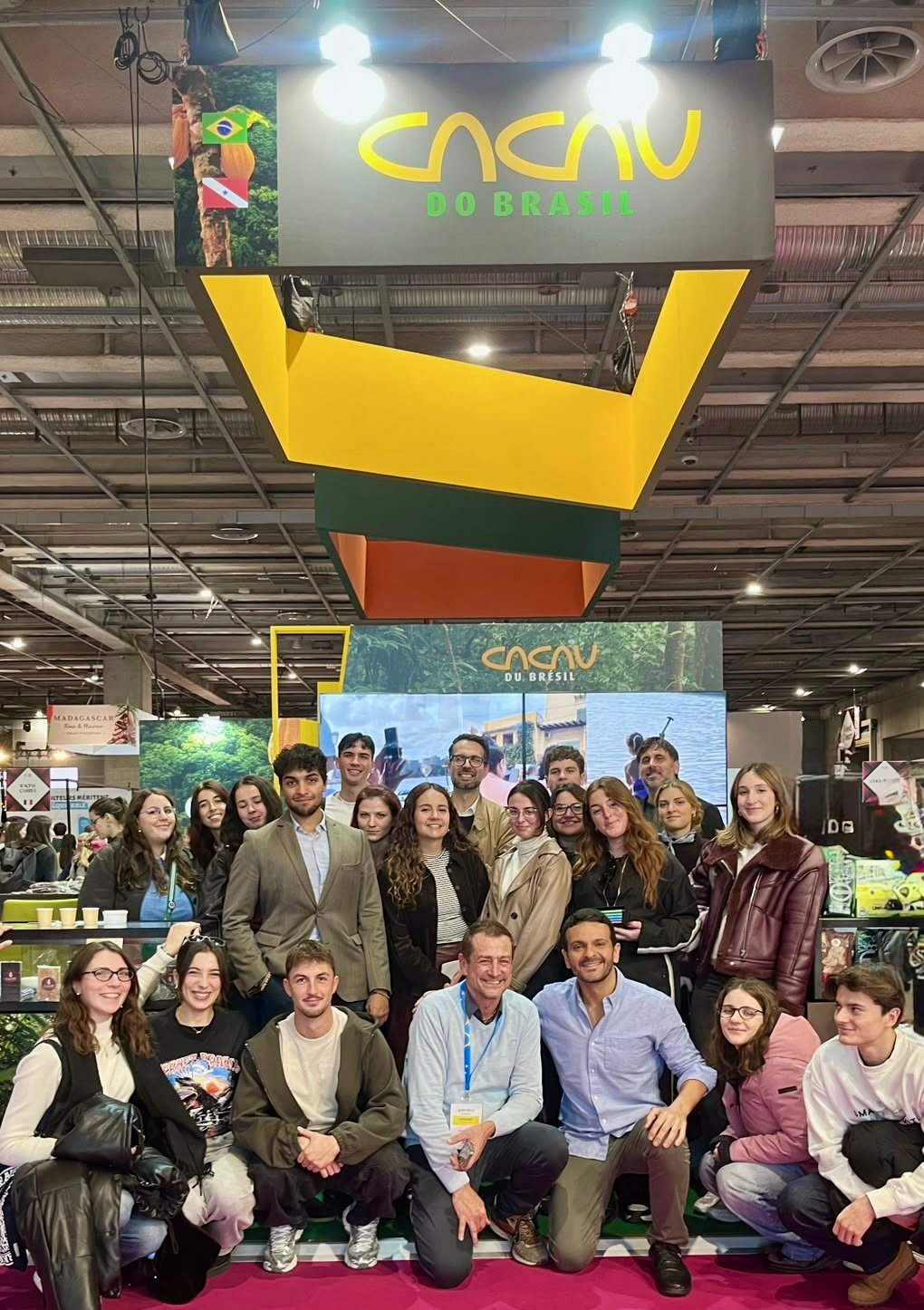
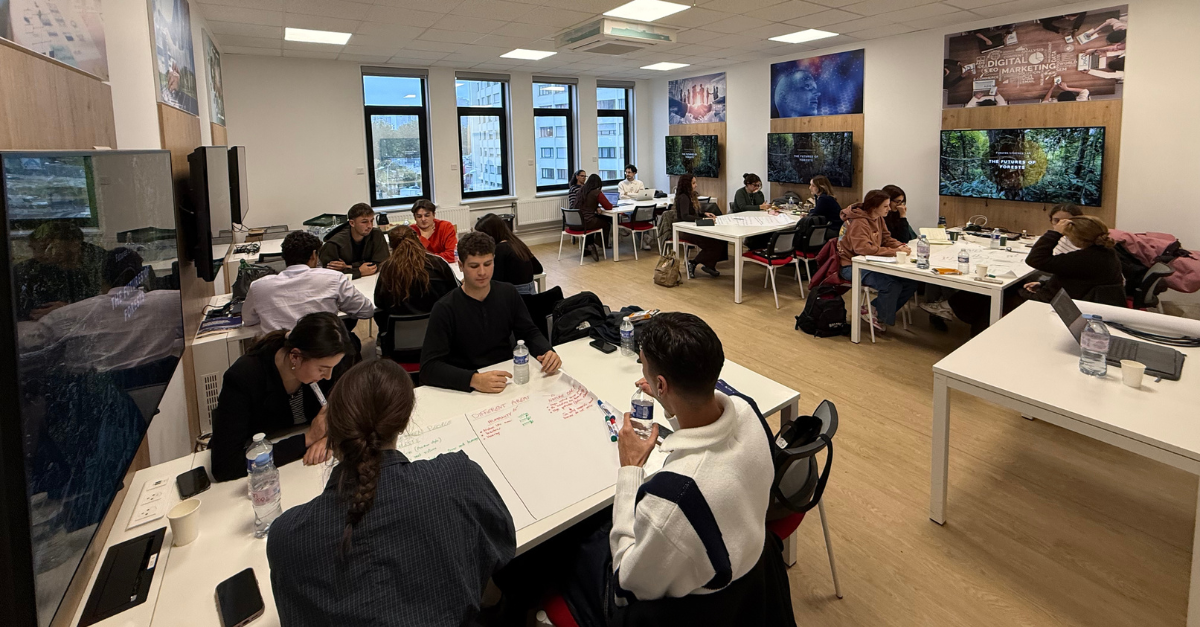
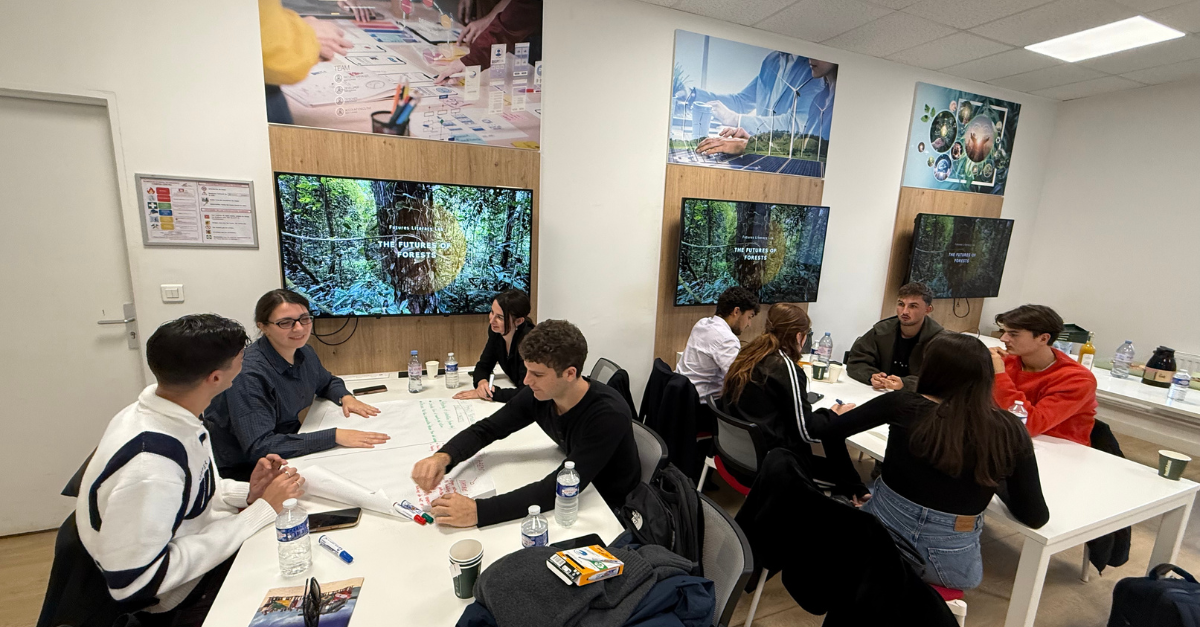
The second half of the week welcomed Ramon Rispoli and Benedetta Toledo from Università Federico II of Naples (UNINA). Together, they hosted a micro-hackathon whose main goal is to transform every challenge that students detected since the beginning of the week, into project ideas. Following the hackathon, students went on a field trip to the chocolate trade show in Paris. From producer to consumer, students saw the entire value chain of a rainforest product, from the cacao that comes from the Amazonian Bay to its production and sale by the chocolate industry.
After the initial sessions, students were then divided into groups to work on their project ideas. Each team presented a short video and a poster of its entrepreneurial project.
“Amazonian bioeconomy questions futures: who decides what the rainforest will become and with what assumptions?” said Felipe Koch, lecturer at AEI International School, UNESCO Chairholder and BIP coordinator. “We ask students to flag these hypotheses before they create their own projects.”
This programme is steering towards a long-time cooperation between UPEC and UFPA. For a week, UPEC has become a common working place between European students, researchers and Brazilian local communities. Read the full report.