News
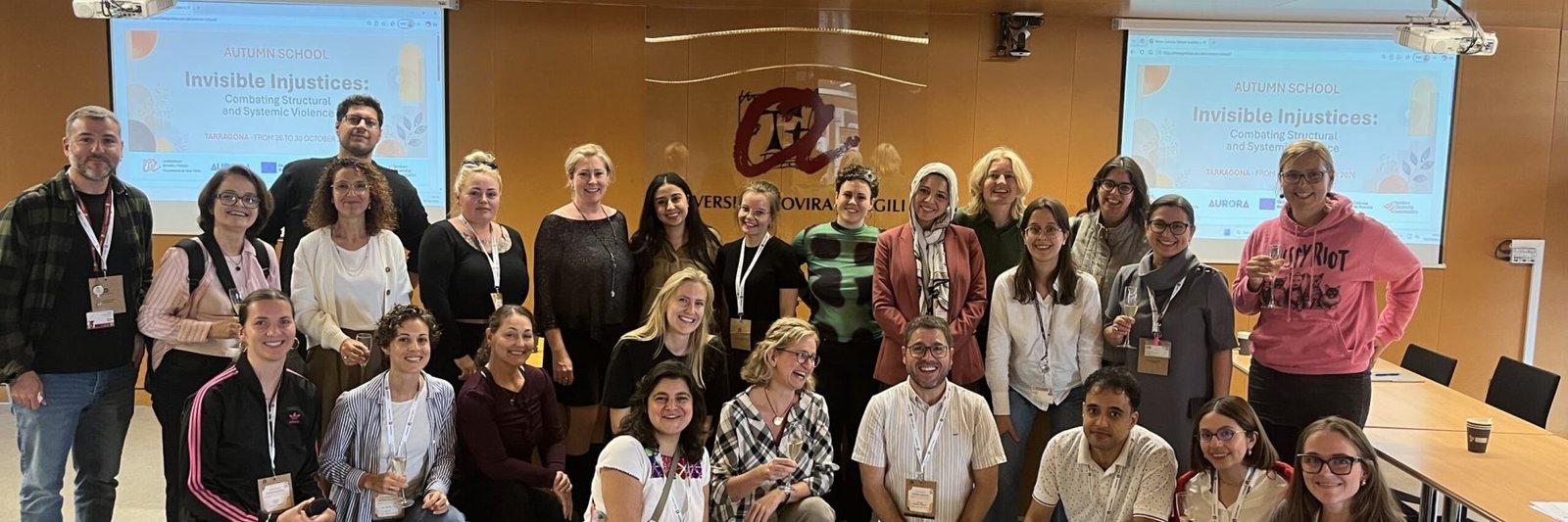
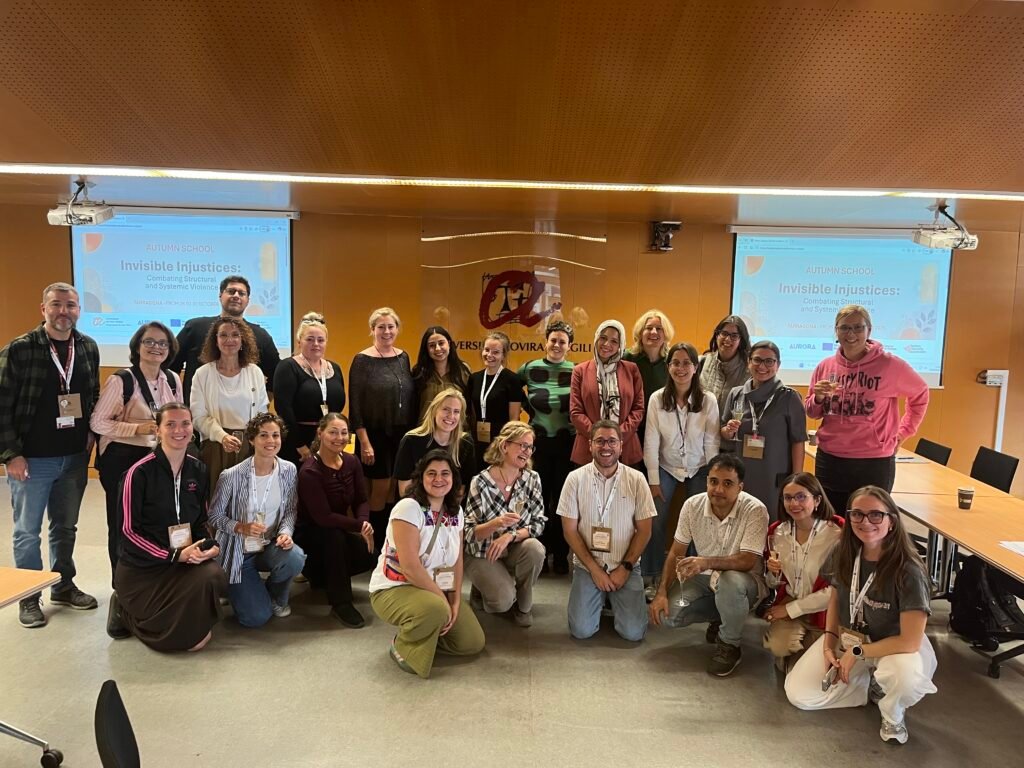
The Autumn School held at the Universitat Rovira i Virgili (URV) concluded with the International Research Seminar “Invisible Injustices: Interdisciplinary Dialogues through an Intersectional Lens”. Early-career researchers from across Europe gathered to share and discuss their work on structural and systemic violence from interdisciplinary and intersectional perspectives.
Setting The Stage Through Four Thematic Sessions
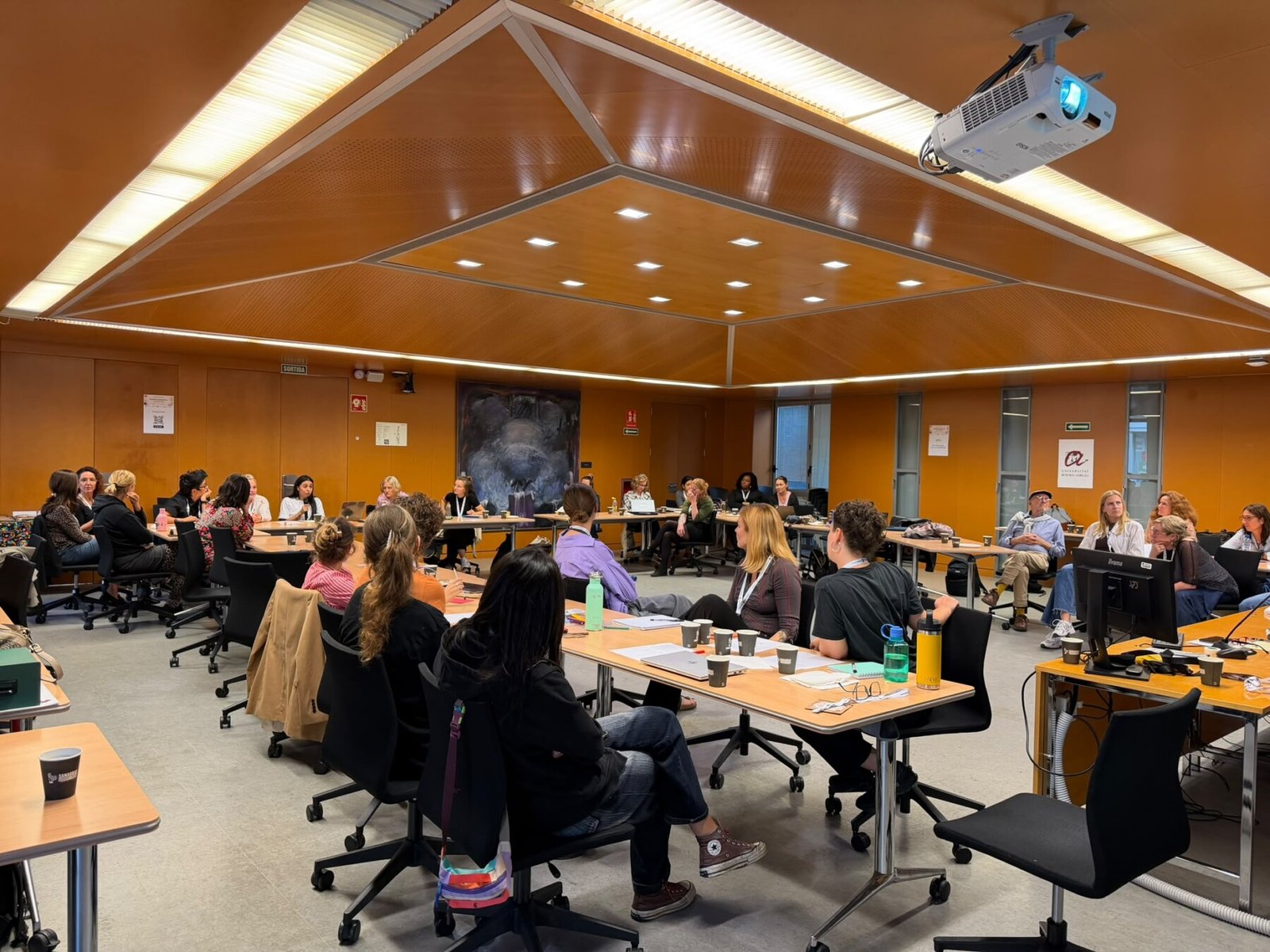
The international research seminar featured 21 presentations organised into four thematic sessions. It covered topics such as gender and sexual diversity, feminist political economy, gender-based and sexual violence, human rights, intersectionality, institutional discrimination and structural inequalities. Participants also explored issues including migration and the right to stay, labour exploitation, sexual and reproductive health and rights, mental health, stigma and social exclusion, epistemic injustice, access to justice, antigypsyism, and the institutional invisibility of marginalised communities.
In total, 49 participants took part in the Autumn School, including 44 attending in person and five participating online. The initiative brought together researchers, professionals and practitioners from six Aurora universities: Universitat Rovira i Virgili, Vrije Universiteit Amsterdam, University of Iceland, University of Duisburg-Essen, Université Paris-Est Créteil (IEP de Fontainebleau), and the Universität Innsbruck.
International Interdisciplinary Academic Environment
Beyond the academic programme, participants highlighted the value of the international and interdisciplinary learning environment created throughout the week.
“The Aurora Autumn School offered a remarkable balance of academic learning and cultural immersion,” said Mary Cassidy from Vrije Universiteit Amsterdam. “I enjoyed connecting with other professionals doing such impactful work in diverse fields while deepening my knowledge both in the classroom and out in the community, with the guided tours and wine-tasting events as highlights.”
Pilar Camacho, from Universitat Rovira i Virgili echoed this sentiment: “The Autumn School brought my perspective into dialogue with academic contributions, lived experiences and institutional perspectives in an international, interdisciplinary setting. This exchange helped me rethink how I recognize and address invisible forms of violence in my teaching and research work.”
Building Momentum Beyond The Seminar
The organisers also identified important reflections emerging from the experience. One notable aspect was the gender imbalance among participants, with fewer than 15% being men. According to the organising committee, this underlines the need to encourage broader engagement with issues of structural violence and inequality, emphasising that they are matters of shared responsibility requiring the active involvement of all genders.
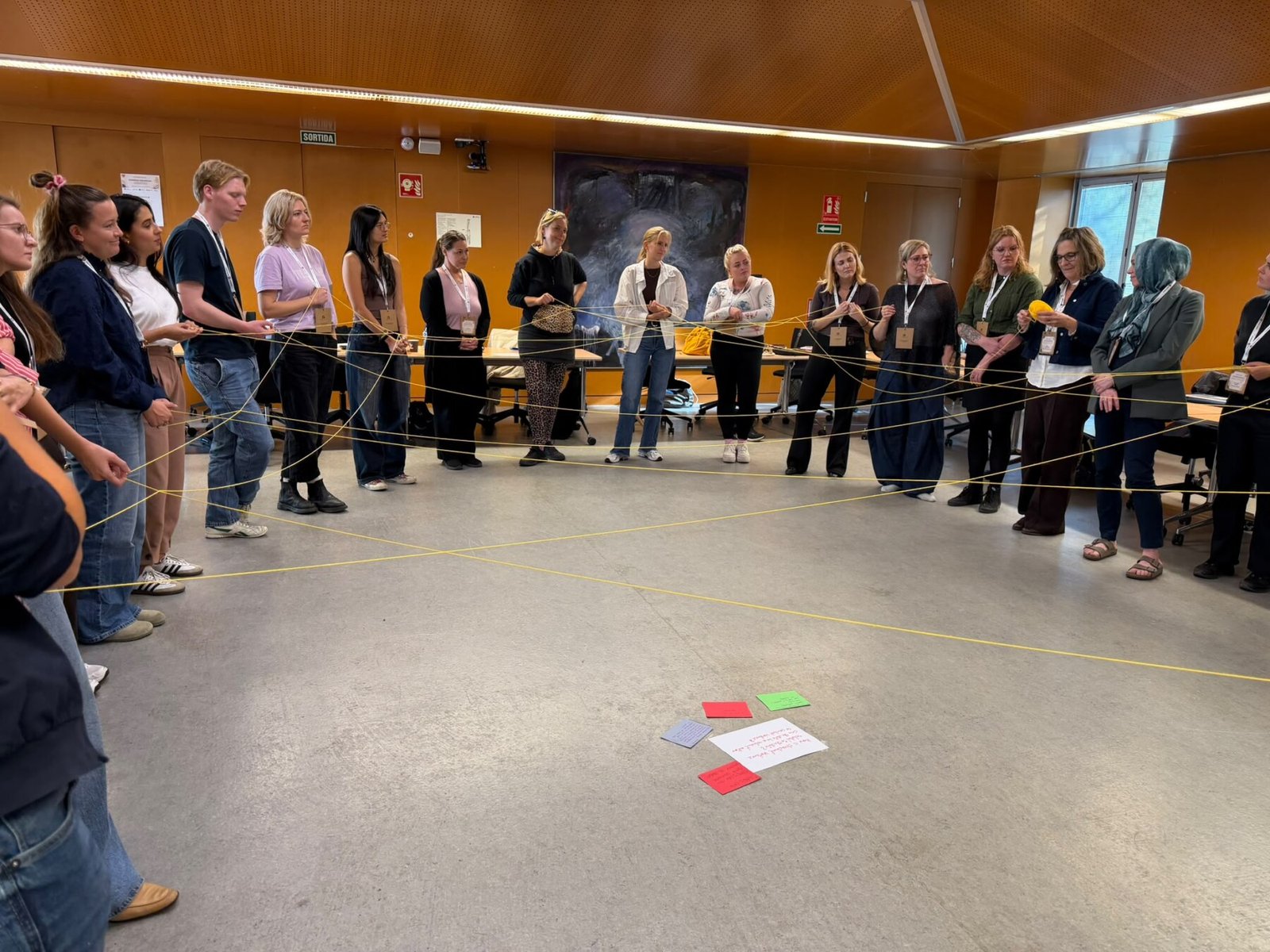
The enthusiasm shown by participants also pointed towards the future of the initiative. Several partner universities expressed interest in hosting future editions of the Autumn School, reinforcing the ambition to consolidate it as a recurring Aurora activity. Participants also agreed to establish an international networking group to remain connected, exchange research opportunities and foster future collaborations.
As a further outcome of the initiative, the abstract proceedings of the International Research Seminar will be published in the coming months, bringing together the 21 research contributions presented during the event and documenting the discussions generated throughout the seminar.