BIP – Circular Infrastructure for Regenerative Cities and Local Ecosystems — CIRCLE, 2nd edition
About the programme
Circular Infrastructure for Regenerative Cities and Local Ecosystems (CIRCLE), 2nd edition, is a Blended Intensive Programme coordinated by the Department of Architecture at the University of Naples Federico II, with the University of Innsbruck, the University of Iceland and Palacký University Olomouc.
The programme explores how circular economy approaches and social innovation can support the regeneration of abandoned or underused urban areas. Through an interdisciplinary, challenge-based approach, students will develop ideas for neighbourhood-scale circular hubs: places that support the redistribution, repair, reuse and redesign of products and materials.
Students will examine case studies, map urban areas using digital tools, engage with local stakeholders and work in international teams to develop a design concept. The programme connects urban regeneration with local networks and circular value chains, including the reuse, recycling and redesign of wood waste.
Programme
- Beginning of February 2027: online introductory seminars and collaborative activities, covering circular economy, sustainable regeneration, relevant frameworks and design tools.
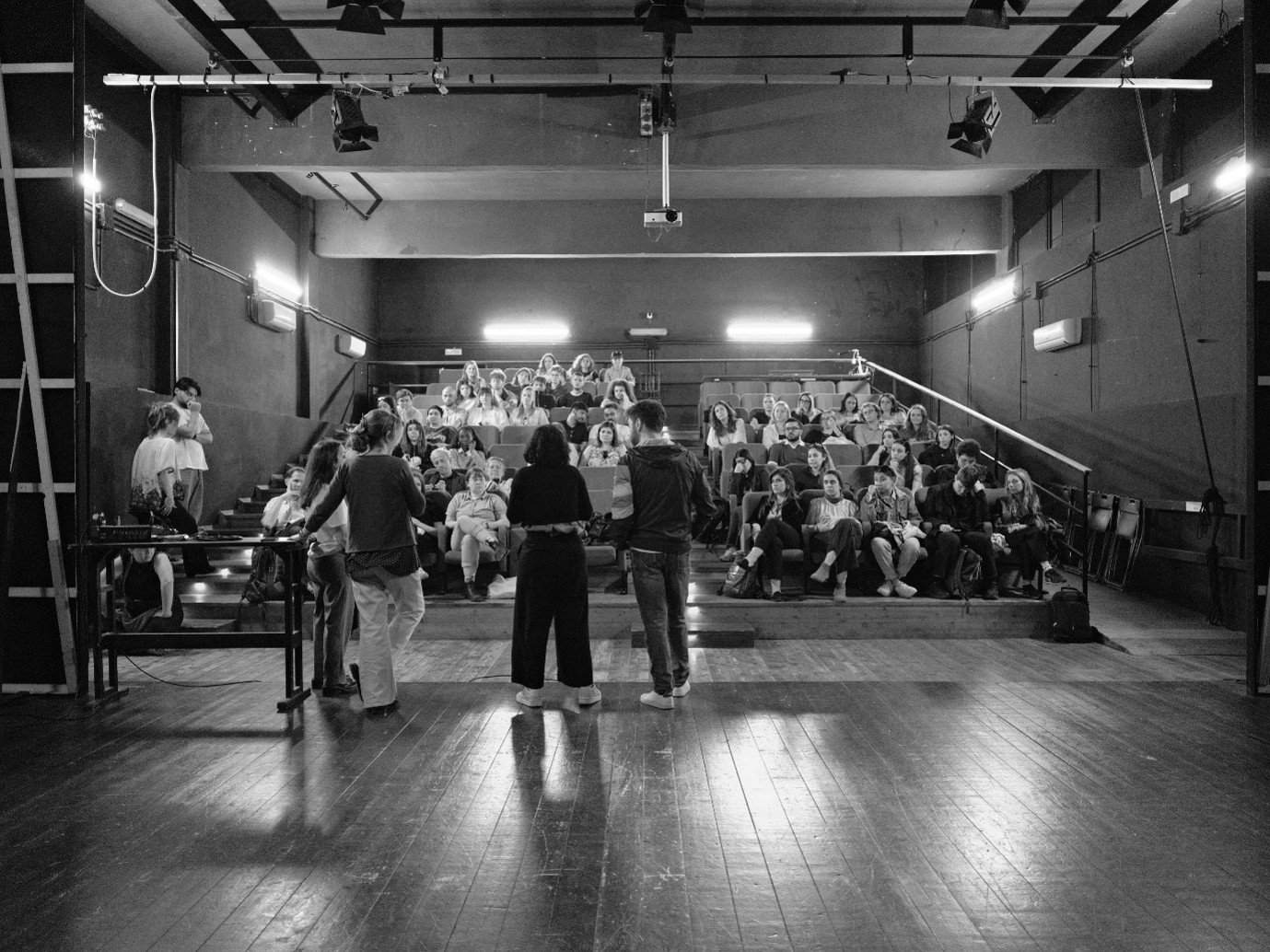
- 15-19 February 2027: in-person workshop at DiARC in Naples, combining fieldwork, thematic seminars, stakeholder engagement and group design work.
- April 2027: online project development and final presentations. The proposal does not state the year for this phase; 2027 is inferred from the other two phases.
Learning outcomes
Participants will develop knowledge of circular economy and sustainable urban regeneration; practise digital mapping and stakeholder engagement; and design a neighbourhood-scale circular hub. They will also strengthen teamwork, communication and presentation skills in an international, interdisciplinary setting.
Application procedure
Interested students must approach the Aurora offices at their universities for further information on the application procedure. Applications must include the following information:
- Name and surname
- Field of study
- Current academic year
- Institutional email address
- English level
- Short motivation letter
- Transcript of records for the current year.
Qualified students will be nominated by their universities, and their applications will be further reviewed by a selection jury. Selected students will receive an official letter of acceptance by email.