News
Over 12 days in September 2026, between Belém and Santarém, selected Université Paris-Est Créteil (UPEC) students worked with Amazonian communities and organisations to help address challenges faced by locals.
Addressing Real Communities And Challenges With Concrete Impact
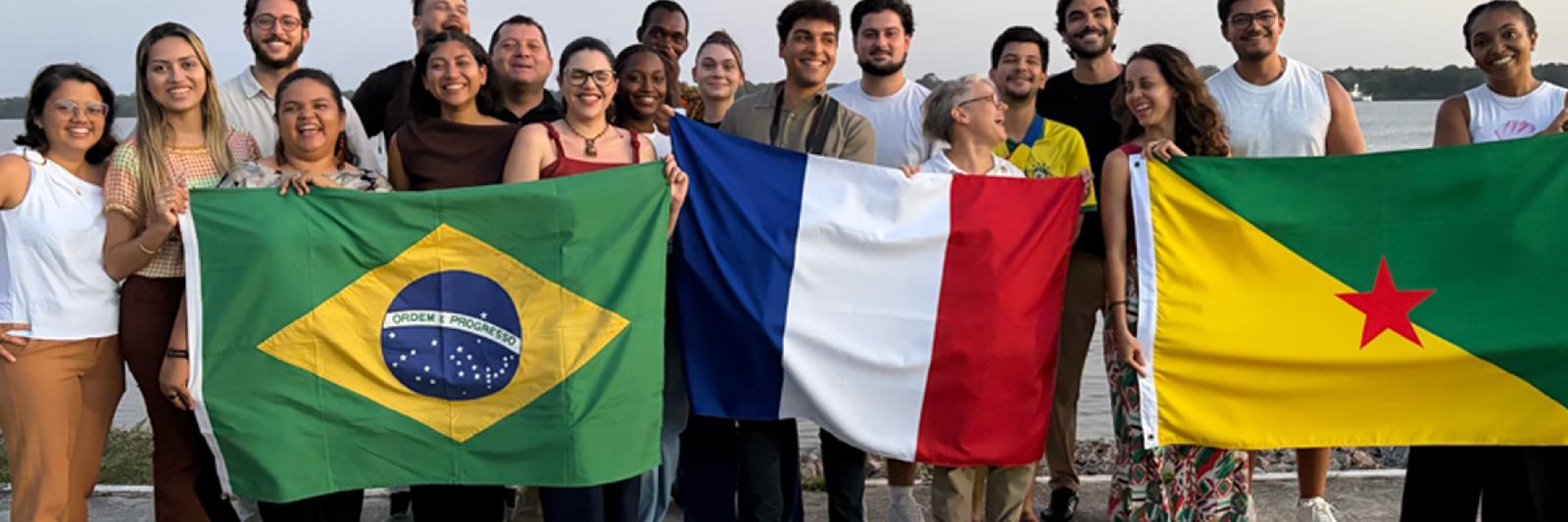
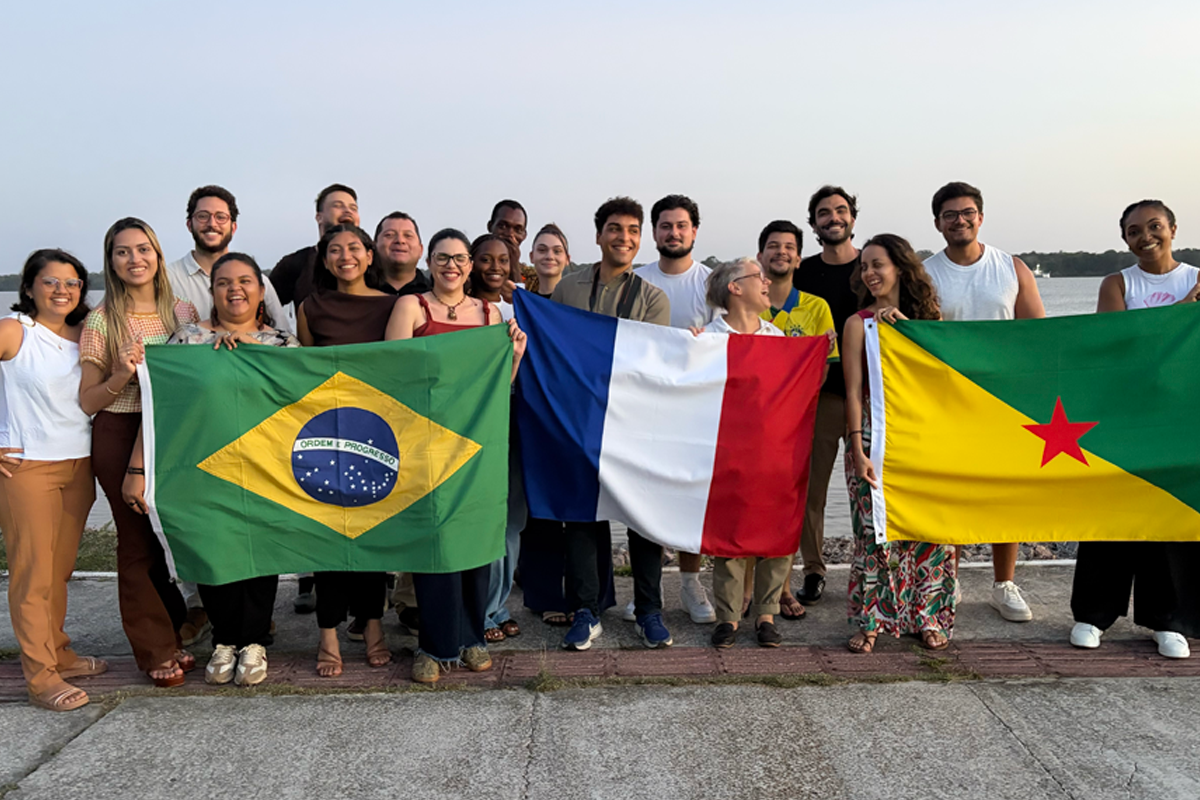
Six Master’s degree students and one PhD candidate flew to Brazil to attend the first-ever International Immersive School of Socio-bioeconomics launched by UPEC. Once there, they were joined by students from three other universities: Universidade Federal do Pará (UFPA), Universidade Federal do Oeste do Pará (UFOPA), and University of Guyana.
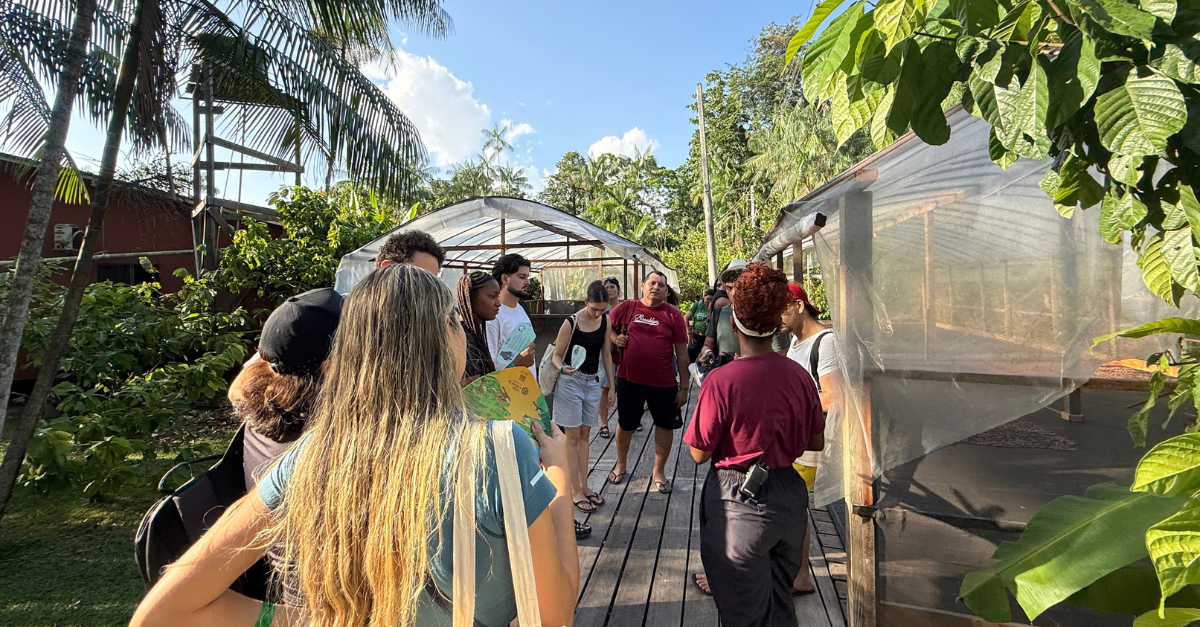
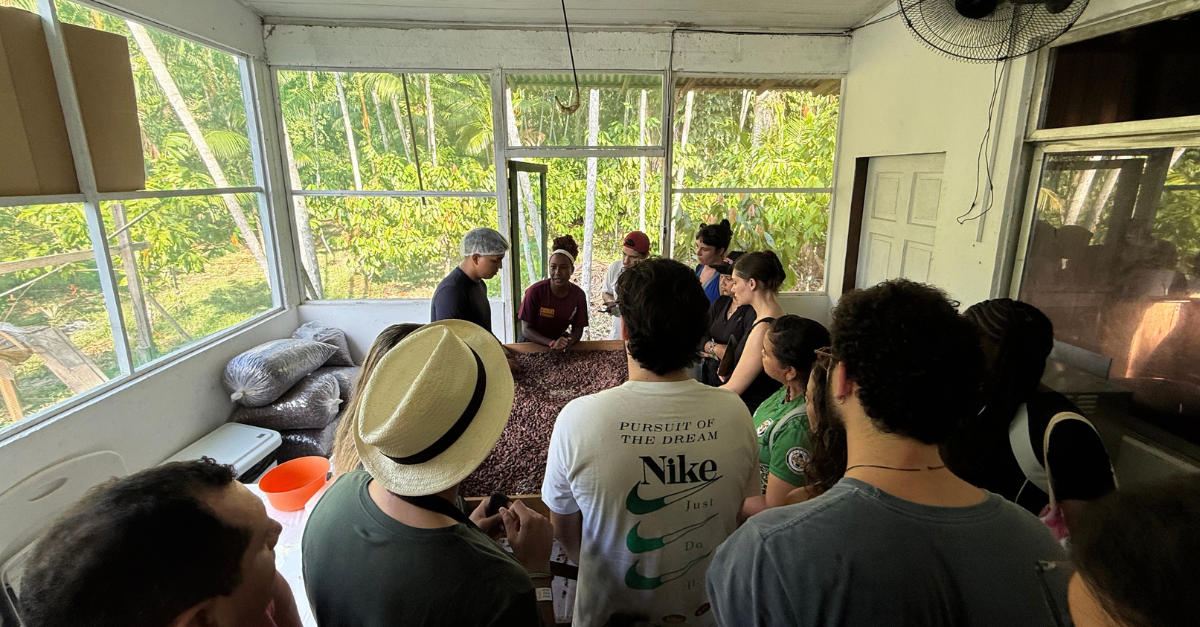
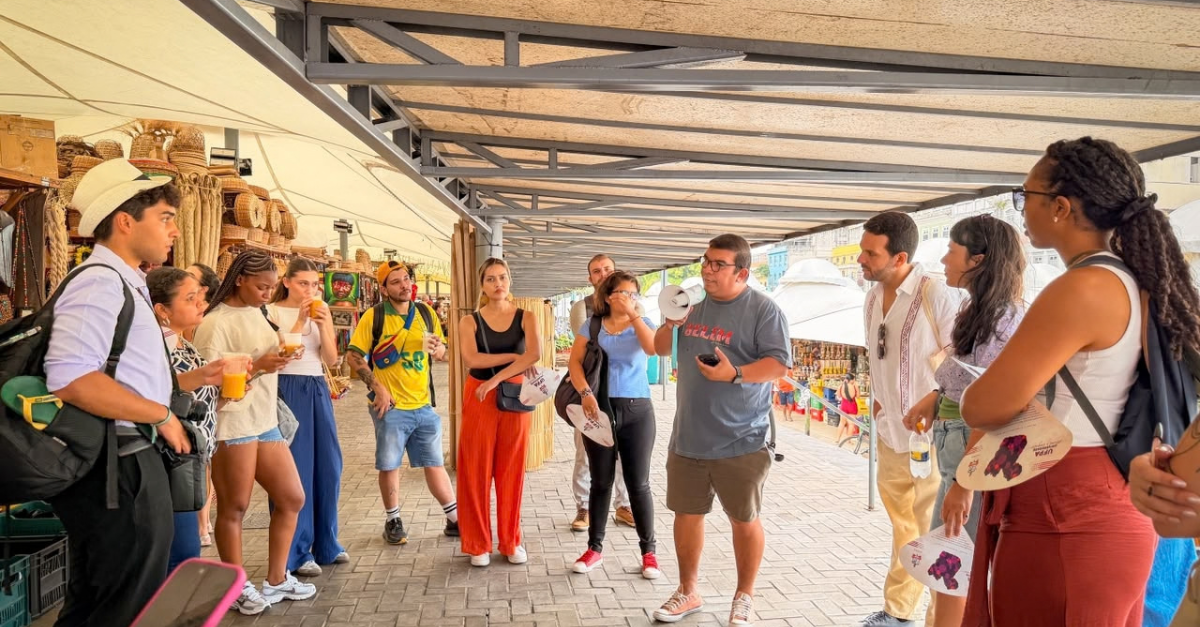
For nearly two weeks, students travelled from Belém to Santarém to meet and spend time with local communities and organisations to better understand socio-bioeconomic challenges in the Amazon. In Ipaupixuna on the rio Arapiuns and in the Tapajós national forrest, productive systems, territorial governance models and local tourism practices were the main educational content of this immersive school.
Teachers leading classroom and external activities come from local communities, cooperatives, and organisations. Through diverse teaching methods and frameworks, they guided students to work on addressing real questions expressed by local societies. Based on the teachers’ support and hands-on exercises, students provided an in-depth analysis of practical solutions to the overarching issues in these regions.
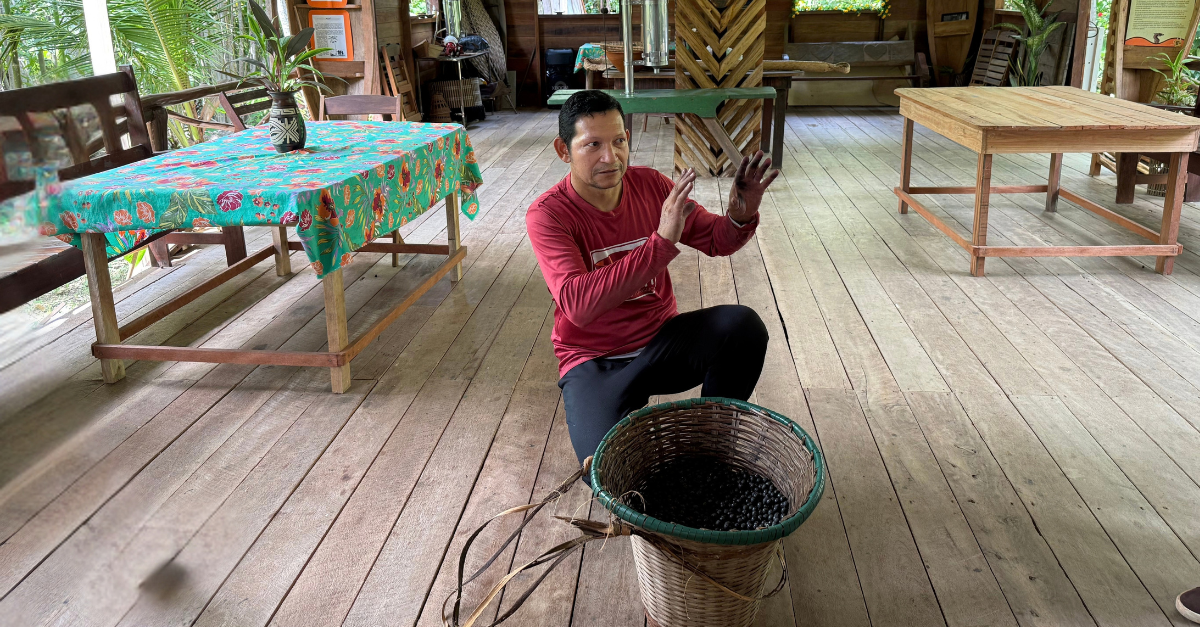
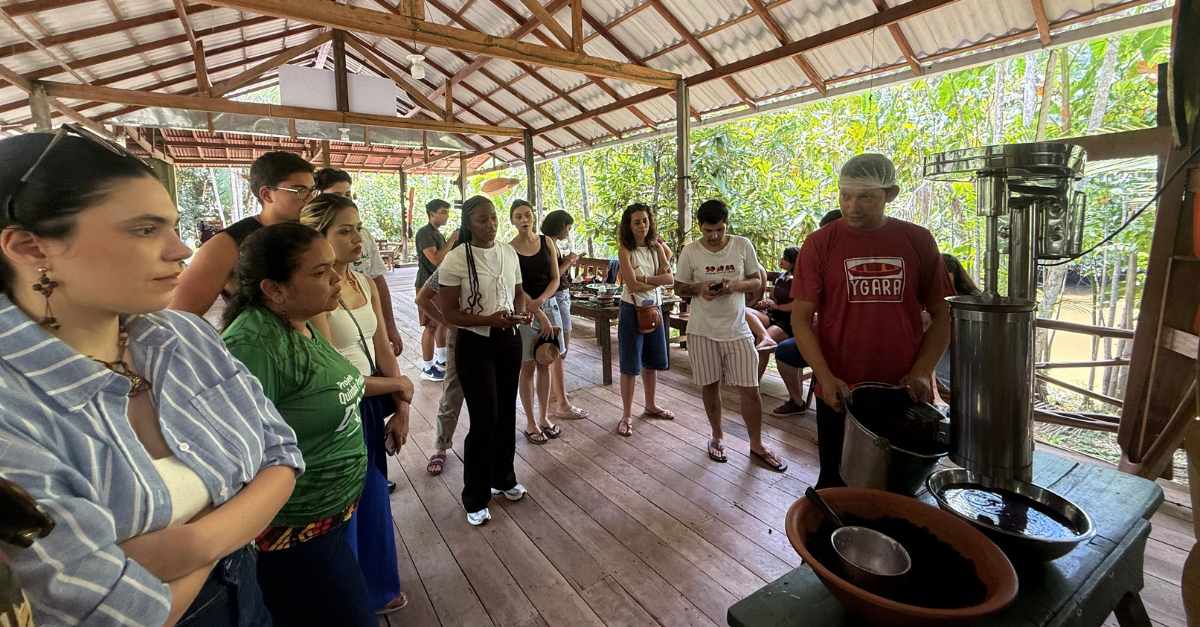
“This programme isn’t about observing the Amazon. It’s about learning from local people who live situations and impart knowledge that universities don’t yet teach,” says Felipe Koch, Vice-President for International Relations and Strategy at UPEC.
One of the expected outcomes of this immersive school is for students to bring home key learnings within their own institutions. Students will have the opportunity to share their experiences and work during the Blended Intensive Programme (BIP) “Futures of Bioeconomy of Sociobiodiversity” hosted by UPEC, and organised in collaboration with Copenhagen Business School and Università degli Studi di Napoli Federico II.
Cooperation Linking International Universities, Territories And External Stakeholders
The International Immersive School of Socio-bioeconomics was conceived by UPEC, UFPA, and implemented in partnership with UFOPA and the Amabio programme. In addition to institutional support from the Embassy of France in Brazil and the University of Guyana, the school also benefited from the financial support from the Agence française de développement (AFD), and the French National Research Agency (ANR) within the framework of the Aurora 2030 programme in which UPEC is a full member.
The immersive school is part of the initiatives undertaken by Aurora’s Teaching and Learning for Societal Impact team working on strengthening the research and education capacity of universities in the Global South. It brings together universities, students, communities and institutions in order to encourage knowledge sharing and tighten socio-bioeconomics cooperation in the Amazon.
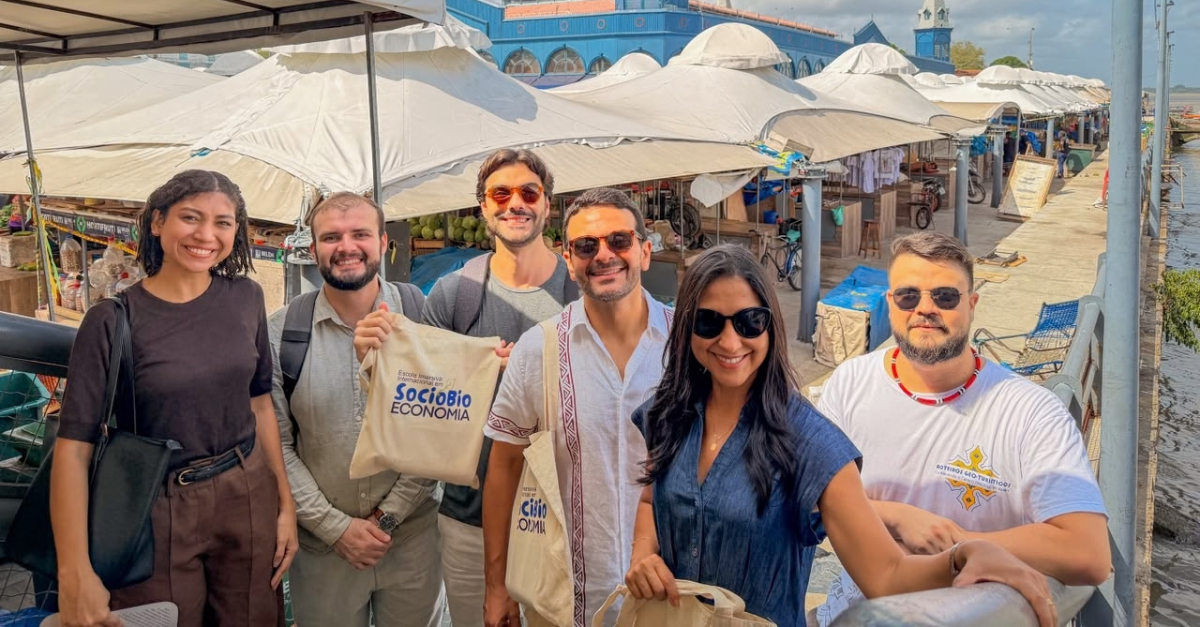
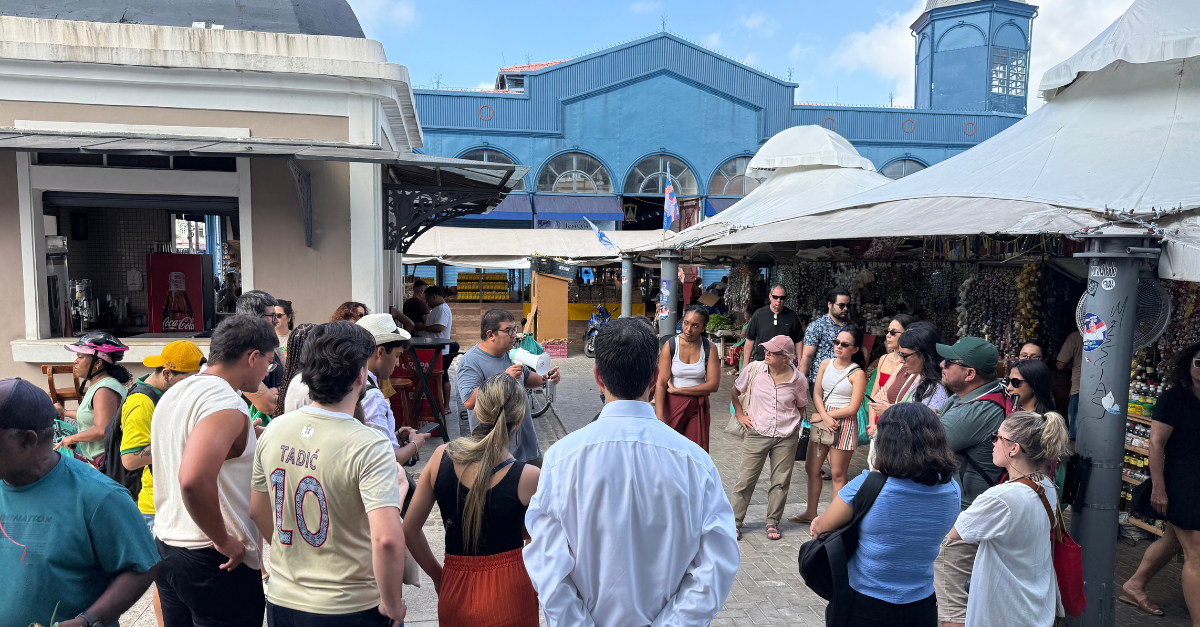
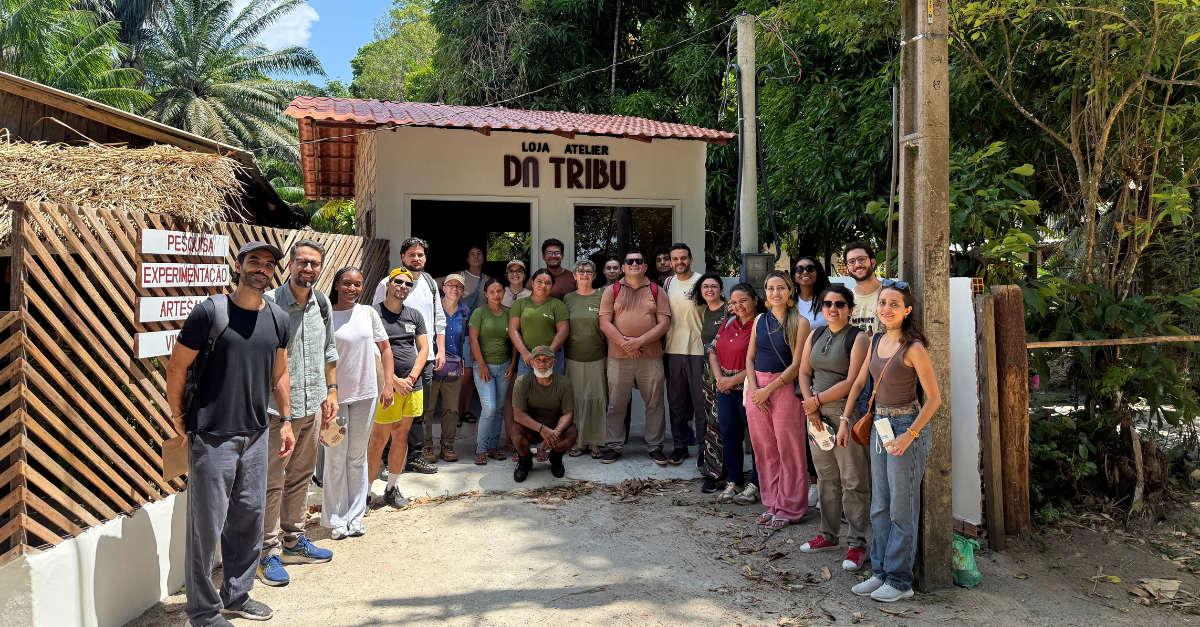
“Students were so motivated!” says Felipe Koch. “What was brought to my attention is not their enthusiasm – which was expected – but their empathy. The feasibility of this model of an immersive school has been proven. Now we’ll make it sustainable.”
This first edition of the immersive school was an overall success, and will be renewed each year. The 2027 edition will be open to all universities within Aurora.